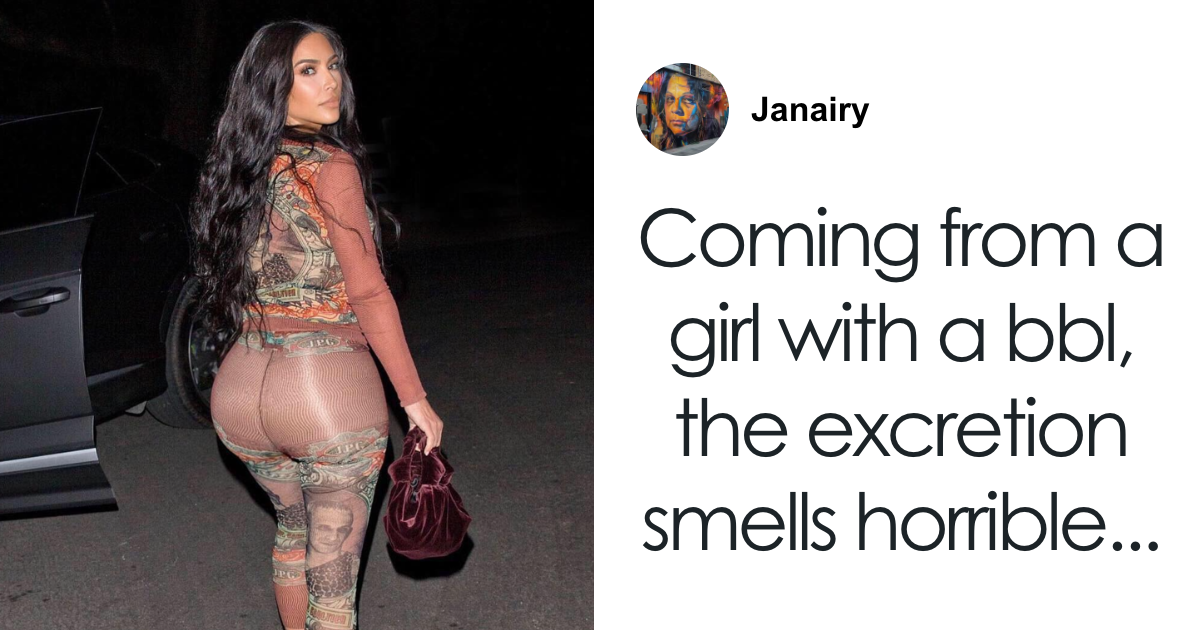
“BBL smell” sounds like something invented by the internet after three espressos and zero supervision. But behind the viral phrase is a real conversation about Brazilian butt lift recovery, hygiene, body odor, wound care, and the awkward truth that changing your body’s shape can also change your bathroom routine.
Let’s start with the most important point: a Brazilian butt lift, or BBL, is not supposed to stink. A healed BBL does not naturally come with its own signature scent, like a designer perfume no one asked for. When people talk about “BBL smell,” they are usually describing odor caused by trapped sweat, bacteria, difficulty cleaning after bowel movements, skin folds, postoperative drainage, infection, or in rare cases, fat necrosis. In other words, the smell is not the butt being dramatic. It is the body sending a message.
The phrase has exploded across TikTok, gossip pages, and cosmetic surgery forums, often with a mix of humor, horror, and body-shaming. That is where things can get messy. Doctors are not warning people because they want to embarrass patients. They are warning people because odor after cosmetic surgery can sometimes point to poor hygiene access, skin irritation, or a complication that needs medical care. If your new curves come with a sour, musty, rotten, or unusual smell, the answer is not to spray perfume and hope for the best. The answer is to understand what is happening and call the surgeon when something feels off.
What Is a BBL, Really?
A Brazilian butt lift is a cosmetic surgery that uses fat transfer to reshape or enlarge the buttocks. During the procedure, a surgeon removes fat from areas such as the abdomen, flanks, thighs, or back using liposuction. The fat is processed and injected into the buttocks to create a fuller, rounder shape.
Unlike butt implants, a BBL uses the patient’s own fat. That is why it is often marketed as a more “natural” body contouring option. But “natural” does not mean “minor.” A BBL is surgery. It involves anesthesia, liposuction, swelling, bruising, compression garments, activity limits, sitting restrictions, wound care, and a recovery period that can test a person’s patience like a slow-loading app on airport Wi-Fi.
BBL surgery has also received serious safety attention because fat injected too deeply can enter blood vessels and cause a life-threatening fat embolism. Modern safety guidance focuses on careful technique, proper training, and avoiding dangerous injection planes. That bigger safety conversation matters because patients sometimes focus only on the final silhouette and forget the medical reality: this is not a spa treatment with a peach emoji attached.
So, Is “BBL Smell” Real?
Yes and no. “BBL smell” is real in the sense that some patients report unpleasant odor after the procedure. But it is not a formal medical diagnosis, and it is not a guaranteed side effect of getting a BBL. Doctors generally agree that a healthy, healed surgical result should not smell bad.
The phrase is better understood as internet shorthand for several possible problems. Some are ordinary hygiene issues. Some are skin problems. Some are postoperative warning signs. A person may notice odor because they are sweating more in tight compression garments, because they cannot reach properly after using the bathroom, because moisture is trapped between skin folds, or because a wound is draining. In rare and serious situations, odor may be linked to infected tissue or fat necrosis, which means some transferred fat did not survive.
The key difference is persistence and severity. A little temporary body odor after surgery, especially while wearing compression garments, is not shocking. A strong, rotten, sour, or worsening odor with pain, fever, redness, warmth, pus, or unusual drainage is a medical red flag.
Why Patients May Struggle To Wipe After a BBL
This is the part nobody puts in glossy before-and-after photos. After a BBL, patients are usually told to avoid sitting directly on the buttocks for a period of time. They may also be swollen, tender, stiff, and wrapped in compression garments. Their torso may hurt from liposuction. Reaching behind the body can feel like attempting advanced yoga while wearing shapewear designed by a medieval engineer.
For some patients, the new buttock volume changes the angle of wiping. Others may be afraid to twist, bend, or put pressure on healing areas. Some are simply too sore to clean thoroughly. Add pain medication, constipation, limited mobility, and bulky garments, and bathroom hygiene can become surprisingly complicated.
Improper wiping can leave behind small amounts of stool or urine. That residue can mix with sweat and skin bacteria, producing odor. It can also irritate the perianal area and increase the risk of rashes or infection. For people with vaginas, wiping back to front can transfer bacteria toward the urethra and raise the risk of urinary tract infections. This is why doctors and hygiene experts often recommend gentle front-to-back cleaning, unscented products, and thorough handwashing after using the bathroom.
The Main Causes of Odor After a BBL
1. Trapped Sweat and Bacteria
Sweat itself is not usually the villain. Body odor happens when bacteria on the skin break down components of sweat. Areas like the groin, buttocks, and skin folds are warm, moist, and often covered by clothing, which makes them prime real estate for odor-causing bacteria. After surgery, compression garments can make the environment even warmer and less breathable.
If a patient is sweating under tight garments but cannot shower normally yet, odor can build. This does not mean the person is dirty. It means healing bodies are inconvenient, and bacteria enjoy a damp party.
2. Difficulty Cleaning After Bowel Movements
The viral “BBL smell” conversation often focuses on wiping, and there is a practical reason for that. If someone cannot reach comfortably, wipe thoroughly, or clean front to back, residue may remain. That can lead to a sour or fecal odor, irritation, itching, or recurrent discomfort.
A bidet attachment, peri bottle, handheld shower, or fragrance-free sensitive wipes may help during recovery, but patients should follow their surgeon’s instructions and avoid soaking incisions before they are cleared. The goal is gentle cleansing, not pressure-washing the situation like a driveway.
3. Skin Folds and Intertrigo
Intertrigo is inflammation that develops where skin rubs against skin, especially when heat and moisture are trapped. It can occur in the groin, under the abdomen, between the buttocks, under the breasts, or anywhere folds create friction. Symptoms may include redness, burning, itching, raw skin, cracking, and odor if bacteria or yeast become involved.
A larger buttock shape can increase skin-on-skin contact for some people. Tight clothing, sweat, humid weather, and long periods of sitting can make the problem worse. Keeping folds clean and dry, wearing breathable fabrics when allowed, and treating rashes early can help prevent a small irritation from becoming a full-blown skin mutiny.
4. Postoperative Drainage
Some fluid drainage after surgery may be expected, depending on the procedure and surgeon’s technique. However, drainage should be monitored carefully. Clear or lightly blood-tinged drainage can be part of healing, but thick, cloudy, green, yellow, foul-smelling, or increasing drainage can signal infection.
If the odor seems to come from an incision, not general sweat or bathroom hygiene, the patient should contact the surgical team. Surgical wounds need professional attention when they become hotter, redder, more painful, swollen, or start producing pus.
5. Infection
Infection is one of the most important causes to rule out. Signs may include fever, chills, worsening pain, redness spreading around an incision, warmth, swelling, pus, or a bad smell from the wound. An infected incision may need antibiotics, drainage, wound care, or further medical treatment.
Trying to cover surgical odor with perfume, scented sprays, deodorant, or essential oils can irritate the skin and delay care. A wound that smells bad is not asking for vanilla body mist. It is asking for a medical evaluation.
6. Fat Necrosis
Fat necrosis can happen when transferred fat does not get enough blood supply and dies. It may cause firmness, lumps, discomfort, inflammation, drainage, or odor if tissue breakdown or infection occurs. Not every lump after fat transfer is dangerous, but new pain, skin changes, fever, or foul drainage should never be ignored.
Because fat necrosis and infection can overlap in symptoms, patients should not self-diagnose. A board-certified plastic surgeon or qualified clinician can examine the area and decide whether imaging, antibiotics, drainage, or other treatment is needed.
What Doctors Want Patients To Know Before Getting a BBL
Doctors are not just worried about odor. They are worried that patients are not always prepared for the full recovery. A BBL may look glamorous online, but recovery is physical, awkward, and sometimes emotionally stressful. Patients must plan for sleeping positions, bathroom access, mobility limits, help at home, garment care, incision monitoring, and follow-up appointments.
Before surgery, patients should ask direct questions: How long should I avoid sitting? How do I use the bathroom safely? When can I shower? How often should I wash my compression garment? What drainage is normal? What odor is not normal? When should I call the office? A good surgeon will not laugh at these questions. A good surgeon has heard them all and probably has a laminated instruction sheet ready.
Patients should also choose a board-certified plastic surgeon, verify facility accreditation, review before-and-after results, and avoid suspiciously cheap, high-volume clinics that rush consultations. If the price sounds too good to be true, your body may be the coupon.
How To Reduce Odor Risk During BBL Recovery
Follow the Surgeon’s Aftercare Instructions Exactly
Every surgical plan is different. Some patients have drains; others do not. Some can shower earlier than others. Some need specific garment schedules. The best odor prevention plan starts with the instructions from the surgical team, not a stranger online whose medical degree came from the comment section.
Use Gentle Bathroom Hygiene
Clean gently after bowel movements. Wipe front to back. Avoid aggressive scrubbing, which can irritate the delicate skin around the anus. If reaching is difficult, ask the surgeon whether a bidet attachment, peri bottle, or caregiver assistance is appropriate during early recovery. Unscented, sensitive-skin wipes may help, but they should not be flushed unless clearly labeled safe for plumbing, and even then, plumbers everywhere are raising one eyebrow.
Keep Skin Folds Dry
Moisture is odor’s best friend. When approved by the surgeon, gently pat skin dry after cleansing. Avoid trapping dampness under garments. Change underwear regularly. Wear breathable fabrics when the recovery plan allows. If a rash develops between the buttocks, groin, thighs, or lower abdomen, seek medical advice rather than layering on powders and hoping for a miracle.
Wash Compression Garments Properly
Compression garments collect sweat, drainage, and bacteria. Patients often need more than one garment so one can be washed while the other is worn. Follow the garment care instructions. A clean garment can make recovery more comfortable and reduce odor buildup.
Avoid Fragrance Bombing
Perfumed sprays, scented wipes, deodorants, and strong soaps can irritate healing skin. Fragrance may temporarily hide odor, but it does not solve the cause. Worse, it may create burning, itching, rash, or allergic contact dermatitis. Choose fragrance-free, gentle products unless the surgeon recommends something specific.
When “BBL Smell” Means Call a Doctor
Patients should contact their surgeon or seek medical care if odor is accompanied by fever, chills, worsening pain, spreading redness, warmth, swelling, pus, black or gray skin changes, dizziness, shortness of breath, chest pain, or sudden severe symptoms. Shortness of breath or chest pain after a BBL is an emergency and should be treated as such.
A bad smell that gets stronger instead of better deserves attention. So does odor coming directly from an incision. It is better to make an awkward phone call than to ignore an infection. Surgeons would much rather answer “Is this normal?” early than treat a complication late.
The Internet Joke Has a Serious Side
The problem with viral phrases like “BBL smell” is that they often turn patients into punchlines. That can stop people from asking for help. Someone who is embarrassed may delay calling their surgeon, hide symptoms, or assume they are simply “gross.” That is dangerous and unfair.
Body odor is a health topic, not a moral failure. Surgery recovery is humbling. Bodies leak, sweat, swell, bruise, itch, and occasionally behave like they did not read the brochure. Talking honestly about hygiene challenges can help patients prepare better and recover more safely.
At the same time, the conversation should not exaggerate. Most BBLs do not create a permanent smell. A healed, uncomplicated BBL should not produce a distinctive odor. If someone has persistent odor, the issue deserves practical troubleshooting and medical evaluation, not jokes, shame, or five layers of body spray.
Realistic Experiences: What Patients Often Learn the Hard Way
Many BBL patients say the surprise is not just the pain. It is the logistics. Before surgery, they imagine the final result: jeans fitting differently, swimsuits doing their little victory lap, and mirrors suddenly becoming supportive friends. After surgery, reality arrives with compression garments, swelling, soreness, and the immediate question: “How exactly am I supposed to use the bathroom?”
One common experience is feeling clumsy during the first weeks. Patients may need help getting in and out of bed, arranging pillows, changing garments, or reaching items. The bathroom can feel like a project plan. Sitting directly may be restricted, squatting may be uncomfortable, and twisting to wipe may pull on sore liposuction areas. Even people who are normally independent can feel frustrated. That frustration is normal, but it should be planned for.
Another frequent experience is garment fatigue. Compression garments can feel hot, tight, and annoying, especially in warm climates. They may trap sweat around the lower back, abdomen, groin, and buttocks. Patients sometimes notice a musty smell at the end of the day, especially if they have been walking, sweating, or wearing the same garment too long. This is often a laundry and moisture issue, not a mysterious cosmetic curse. Having backup garments, washing them properly, and drying the skin carefully can make a huge difference.
Patients also report that constipation can make hygiene harder. Pain medication, reduced movement, dehydration, and dietary changes can slow bowel movements. Straining is uncomfortable, and messy stool can make cleaning more difficult. Many surgeons recommend hydration, fiber, stool softeners, or other strategies when appropriate, but patients should follow their own medical instructions. The less dramatic the bathroom experience, the easier it is to stay clean.
Some patients learn that their pre-surgery home setup was not recovery-friendly. A low toilet, tiny bathroom, slippery floor, or no handheld shower can turn basic hygiene into an Olympic event. Preparing before surgery helps. Useful items may include a peri bottle, unscented wipes, extra clean towels, loose clothing, clean bedding, a raised toilet seat if recommended, and a clear plan for garment washing. Nobody wants to Amazon Prime their dignity at 2 a.m.
Emotionally, odor worries can create anxiety. A patient may wonder whether other people can smell them, whether the surgery was a mistake, or whether something is wrong. The best approach is calm observation. Is the smell only after sweating? Does it improve after cleansing and changing garments? Is there a rash? Is there drainage? Is there fever or increasing pain? These details help separate normal recovery nuisance from a medical concern.
The most helpful experience shared by well-prepared patients is simple: ask embarrassing questions before surgery. Ask how to wipe. Ask how to shower. Ask how to clean around incisions. Ask what smells are normal and what smells require a call. A mature medical team will answer plainly. If a clinic makes you feel silly for asking about hygiene after buttock surgery, that is not a cute red flag. That is a marching band.
Conclusion: A BBL Should Change Your Shape, Not Your Health Standards
“BBL smell” may be a viral phrase, but the real lesson is practical and medical. A Brazilian butt lift should not leave someone with a persistent foul odor. When odor happens, it is usually related to sweat, bacteria, cleaning challenges, skin irritation, drainage, infection, or rare tissue complications. The solution is not shame. It is preparation, gentle hygiene, careful wound monitoring, and timely medical care.
Anyone considering a BBL should think beyond the final photo. Recovery includes bathroom planning, garment care, mobility limits, and honest conversations with the surgeon. Anyone recovering from a BBL should treat unusual odor as information. If it comes with pain, fever, redness, warmth, pus, or worsening symptoms, call the doctor. Curves are optional. Safe healing is not.