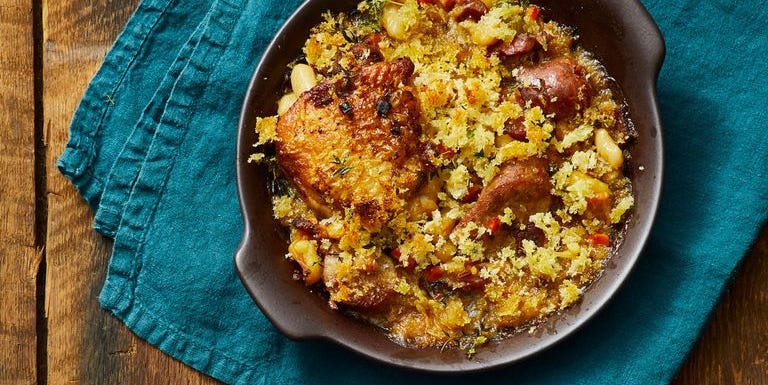
Some dinners politely ask to be eaten. This Chicken, Sausage and White Bean Stew kicks down the kitchen door wearing a cozy sweater and carrying crusty bread. It is hearty without being heavy, rustic without being fussy, and satisfying enough to make everyone at the table go quiet for a few minuteswhich, in some households, is basically a five-star review.
This recipe brings together juicy chicken thighs, savory Italian sausage, creamy white beans, tender vegetables, fragrant herbs, and a broth that tastes like it simmered all afternoon, even though it does not demand your entire day. Think of it as a weeknight-friendly cousin of cassoulet: rich, comforting, deeply flavorful, but not the sort of project that requires a calendar invite and emotional support.
The beauty of this stew is balance. The sausage adds bold seasoning, the chicken brings meaty richness, the beans make everything creamy and filling, and the greens add freshness so the bowl does not feel like it joined a winter hibernation program. Whether you are cooking for family dinner, meal prep, a chilly Sunday, or a friend who claims soup is “not a meal,” this white bean stew is ready to prove otherwise.
Why This Is the Best Chicken, Sausage and White Bean Stew
The best stew is not just a pile of ingredients swimming around in broth. It needs layers. First comes browning: chicken and sausage develop savory depth when they hit a hot pot. Then comes the aromatic baseonion, carrot, celery, and garlicwhich quietly does the heavy lifting. Tomato paste adds a little sweetness and body, herbs bring warmth, and white beans thicken the broth naturally.
This recipe uses boneless or bone-in chicken thighs because they stay tender during simmering. Chicken breast can work, but thighs are more forgiving and more flavorful. Italian sausage, either sweet or hot, seasons the pot with fennel, garlic, pepper, and fat. White beanscannellini, Great Northern, or navy beansturn the stew creamy without requiring cream.
Another smart trick is lightly mashing a small portion of the beans before the final simmer. This thickens the stew while keeping plenty of whole beans intact. You get a silky broth, tender vegetables, juicy chicken, and little creamy bean pockets in every spoonful. It is comfort food with a strategy.
Ingredients You Will Need
Main Ingredients
- 2 tablespoons olive oil
- 1 1/2 pounds chicken thighs, boneless skinless or bone-in, patted dry
- 12 ounces Italian sausage, sweet or spicy, casings removed if using links
- 1 medium yellow onion, diced
- 2 carrots, diced
- 2 celery stalks, diced
- 4 garlic cloves, minced
- 2 tablespoons tomato paste
- 1 teaspoon dried thyme or 1 tablespoon fresh thyme leaves
- 1 teaspoon chopped fresh rosemary or 1/2 teaspoon dried rosemary
- 1/2 teaspoon smoked paprika
- 1/4 teaspoon crushed red pepper flakes, optional
- 1/2 cup dry white wine, optional, or use extra broth
- 4 cups low-sodium chicken broth
- 2 cans white beans, 15 ounces each, drained and rinsed
- 3 cups chopped kale, spinach, or Swiss chard
- 1 tablespoon fresh lemon juice
- Kosher salt and black pepper, to taste
- Parmesan cheese, for serving, optional
- Crusty bread, for serving, strongly encouraged by common sense
Optional Crispy Breadcrumb Topping
- 1 tablespoon olive oil or butter
- 1 cup coarse fresh breadcrumbs
- 1 small garlic clove, grated
- 2 tablespoons chopped parsley
- 2 tablespoons grated Parmesan
How to Make Chicken, Sausage and White Bean Stew
Step 1: Brown the Chicken
Pat the chicken dry with paper towels and season it generously with salt and pepper. Heat olive oil in a large Dutch oven or heavy-bottomed pot over medium-high heat. Add the chicken in a single layer and brown it for about 4 to 5 minutes per side. It does not need to cook through yet; it just needs color. Color equals flavor, and flavor is why we are all here.
Transfer the browned chicken to a plate. If your pot has browned bits on the bottom, congratulationsyou have created the foundation of a better stew.
Step 2: Cook the Sausage
Add the sausage to the same pot. Break it into bite-size pieces with a wooden spoon and cook until browned, about 5 to 6 minutes. If there is a lot of excess fat, spoon off some of it, leaving about 1 to 2 tablespoons in the pot. That little bit of fat carries flavor into the vegetables.
Step 3: Build the Aromatic Base
Add the onion, carrots, and celery. Cook for 6 to 8 minutes, stirring often, until the vegetables soften and the onion turns translucent. Add the garlic, tomato paste, thyme, rosemary, smoked paprika, and red pepper flakes. Stir for 1 to 2 minutes. The tomato paste should darken slightly, and the kitchen should start smelling like you know exactly what you are doing.
Step 4: Deglaze the Pot
Pour in the white wine, if using, and scrape the bottom of the pot to loosen the browned bits. Let the wine simmer for 2 to 3 minutes so the sharp edge cooks off. If you prefer not to use wine, use 1/2 cup chicken broth instead. The goal is the same: rescue all that flavor from the bottom of the pot and invite it into the stew.
Step 5: Simmer with Broth and Beans
Add the chicken broth and white beans. For a thicker stew, mash about 1/2 cup of the beans with a fork before adding them, or mash them directly against the side of the pot. Return the chicken and any juices from the plate to the pot. Bring everything to a gentle boil, then reduce the heat to low. Cover partially and simmer for 25 to 35 minutes, depending on the size of your chicken pieces.
The chicken should be tender and fully cooked. For food safety, poultry should reach an internal temperature of 165°F when checked with a food thermometer. If using bone-in thighs, remove the bones before serving or let guests handle them in a rustic, “we are in a farmhouse commercial” kind of way.
Step 6: Add Greens and Finish Bright
Transfer the chicken to a cutting board, shred or chop it into bite-size pieces, and return it to the pot. Stir in the kale, spinach, or Swiss chard. Simmer for 3 to 5 minutes, just until the greens are tender. Add lemon juice, taste, and adjust with salt and pepper.
That final splash of lemon is not decorative. It wakes up the beans, balances the sausage, and keeps the stew from tasting too heavy. It is like opening a window in a cozy room.
Step 7: Make the Optional Breadcrumb Topping
For extra texture, heat olive oil or butter in a small skillet. Add breadcrumbs and cook, stirring, until golden and crisp. Stir in garlic for the last 30 seconds, then remove from heat and mix with parsley and Parmesan. Sprinkle over bowls of stew right before serving. This topping is optional, but so are clean socks on a cold daytechnically optional, spiritually necessary.
Pro Tips for a Rich, Flavorful White Bean Stew
Use Chicken Thighs for Better Texture
Chicken thighs are ideal for stew because they remain juicy during simmering. Boneless thighs are convenient and easy to shred, while bone-in thighs add extra flavor to the broth. If using chicken breast, simmer gently and avoid overcooking, because breast meat can turn dry faster.
Choose the Right Sausage
Sweet Italian sausage creates a mild, family-friendly stew. Hot Italian sausage adds heat and personality. Smoked chicken sausage is a quicker option, though it will create a slightly different texture because it is already cooked. If using pre-cooked sausage, brown it briefly, remove it, and add it back near the end so it does not become rubbery.
Rinse Canned Beans When You Want More Control
Draining and rinsing canned beans helps reduce sodium and removes some of the starchy packing liquid. For a cleaner-tasting stew, rinse the beans and use broth for flavor. For a thicker, more rustic stew, reserve a few tablespoons of the bean liquid or mash some beans into the broth.
Do Not Skip the Browning
Browning the chicken and sausage creates depth that broth alone cannot provide. A pale stew may still be edible, but a browned stew has swagger. Give the meat enough space in the pot and work in batches if needed.
Season in Layers
Add a little salt when browning the chicken, a little when cooking the vegetables, and adjust again at the end. Sausage, broth, Parmesan, and canned beans can all contain salt, so final seasoning matters. Taste before adding more.
Best Beans for Chicken, Sausage and White Bean Stew
Cannellini beans are the top choice for this recipe because they are large, creamy, and mild. They hold their shape while still softening beautifully into the broth. Great Northern beans are slightly smaller and delicate, making them another excellent option. Navy beans are smaller and tend to break down more, which can make the stew thicker.
Dried beans can be used if you want deeper bean flavor and have extra time. Cook them separately until tender, then add them to the stew. For most weeknight cooks, canned beans are the practical hero. They are affordable, pantry-friendly, and ready when your dinner motivation is running on fumes.
What to Serve with Chicken, Sausage and White Bean Stew
This stew is filling enough to stand alone, but the right side dish makes it feel like a complete meal. Crusty bread is the obvious choice because the broth deserves a proper vehicle. Garlic toast, sourdough, or a warm baguette all work beautifully.
For something lighter, serve the stew with a crisp green salad dressed with lemon vinaigrette. Roasted vegetables, especially Brussels sprouts, broccoli, or carrots, also pair well. If you want extra comfort, spoon the stew over creamy polenta or mashed potatoes. That move is not subtle, but neither is happiness.
Storage, Freezing, and Reheating
Chicken, sausage and white bean stew stores extremely well. In fact, it often tastes better the next day because the beans continue to absorb the broth and seasonings. Let the stew cool, then store it in an airtight container in the refrigerator for up to 4 days.
To freeze, skip adding delicate greens until reheating if possible. Freeze the cooled stew in freezer-safe containers for up to 3 months. Thaw overnight in the refrigerator, then reheat gently on the stovetop. Add a splash of broth or water if it thickens too much.
When reheating leftovers, warm them until hot and steaming. Stir occasionally so the beans do not stick to the bottom of the pot. Add fresh lemon juice, parsley, or Parmesan after reheating to bring back brightness.
Easy Variations
Tuscan-Style Chicken Sausage White Bean Stew
Add chopped sun-dried tomatoes, a Parmesan rind, and lacinato kale. Finish with lemon zest and extra Parmesan. This version is savory, slightly tangy, and perfect with toasted bread.
Spicy White Bean Stew
Use hot Italian sausage, increase the red pepper flakes, and add a pinch of cayenne. A drizzle of chili oil at the end makes it restaurant-level bold.
Tomato-Based Chicken and White Bean Stew
Add one 14.5-ounce can of diced tomatoes with the broth. This gives the stew a brighter, more Mediterranean flavor and a slightly lighter body.
Creamy White Bean Stew Without Cream
Blend or mash 1 cup of the beans with a little broth, then stir the mixture back into the pot. You get creaminess without adding dairy.
Slow Cooker Version
Brown the chicken and sausage first for the best flavor. Transfer them to a slow cooker with the vegetables, herbs, broth, and beans. Cook on low for 5 to 6 hours or high for 3 to 4 hours, then stir in greens during the last 20 minutes.
Common Mistakes to Avoid
Boiling the stew too aggressively: A hard boil can make the chicken tough and break down the beans too much. Keep it at a gentle simmer.
Adding greens too early: Kale can handle a few minutes of simmering, but spinach needs very little time. Add greens near the end so they stay fresh and colorful.
Using salty broth with salty sausage: Choose low-sodium chicken broth so you can control the final flavor.
Forgetting acid: Lemon juice or a splash of vinegar at the end makes the whole pot taste more alive.
Serving immediately without resting: Let the stew sit off the heat for 5 to 10 minutes before serving. The broth thickens slightly, the flavors settle, and nobody burns their tongue while pretending everything is fine.
Experiences and Kitchen Notes: Why This Stew Feels Like Home
The first thing people usually notice about chicken, sausage and white bean stew is the smell. It starts modestly with onion and olive oil, then gets serious when sausage hits the pot. Garlic joins in, tomato paste caramelizes, herbs bloom, and suddenly the kitchen smells like the kind of place where someone definitely knows where the good ladle is kept.
This is the sort of recipe that fits real life. It does not require perfect timing or fancy plating. If the carrots are chopped a little unevenly, nobody writes a complaint letter. If you use spinach instead of kale, dinner still works. If the stew gets thicker than expected, add broth. If it is thinner than you like, mash more beans. It is flexible in the way all great home-cooked meals should be.
One of the best experiences with this stew is making it on a cold evening when everyone is slightly tired and nobody wants a complicated dinner. The pot simmers, the table gets set, bread warms in the oven, and the whole mood of the house changes. Stew has a way of slowing people down. It asks you to sit, scoop, dip, and maybe say, “Okay, this is actually really good,” with your mouth half full. Not elegant, but honest.
It is also a fantastic meal for guests because it feels generous without requiring last-minute panic. You can make it earlier in the day, let it rest, and reheat it before serving. In fact, the flavor improves as it sits. That means you can clean the kitchen before people arrive and pretend you are one of those calm hosts who never stacks pans in the oven. Your secret is safe.
Leftovers may be the best part. The next day, the beans become creamier, the sausage flavor settles into the broth, and the chicken tastes even more seasoned. A bowl reheated for lunch with a piece of toast can feel like a small personal victory. If you work from home, it is the kind of lunch that makes you briefly believe you have your life organized.
This stew also teaches a useful cooking lesson: comfort food does not have to be complicated. It needs contrast. Savory sausage, mild beans, tender chicken, sweet vegetables, earthy herbs, bitter greens, and bright lemon all play different roles. When they come together, the result tastes complete. Not flashy. Not trendy. Just deeply, reliably good.
And that is why chicken, sausage and white bean stew earns a permanent spot in the dinner rotation. It is practical enough for Tuesday, cozy enough for Sunday, and impressive enough to serve to someone you like. It fills the kitchen with warmth, stretches affordable ingredients into a full meal, and gives you an excellent excuse to buy good bread. Honestly, that alone is worth the pot-washing.
Conclusion
The best Chicken, Sausage and White Bean Stew recipe is all about building flavor in simple steps: brown the meat, soften the aromatics, simmer the beans, finish with greens, and brighten everything with lemon. It is hearty, nourishing, budget-friendly, and wonderfully adaptable. Make it once, and it may become the kind of recipe you stop measuring because your hands already know what to do.
Serve it with crusty bread, a shower of Parmesan, and maybe crispy breadcrumbs if you enjoy applause. Whether you are cooking for a quiet weeknight, a family dinner, or next-day lunches that actually make you excited to open the fridge, this stew delivers comfort by the spoonful.