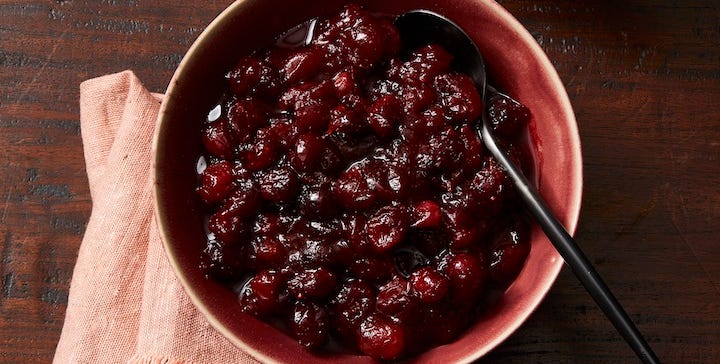
If cranberry sauce has ever struck you as the shiny red wallflower of the holiday table, this is its glow-up. A great cranberry-orange sauce recipe is bright, jammy, citrusy, and just sweet enough to keep your lips from puckering into next Tuesday. It should taste fresh, not flat; festive, not fussy; and impressive enough that people ask, “Wait, you made this?” while casually spooning seconds onto their plates.
This homemade cranberry-orange sauce is the kind of recipe that earns a permanent place in your holiday rotation because it is ridiculously easy, endlessly useful, and far better than anything that slithers out of a can with suspicious confidence. The fresh cranberries do most of the heavy lifting, the orange brings sunshine, and the stovetop does the rest. In other words, this is a low-effort, high-reward side dish with main-character energy.
Below, you’ll find everything you need to know about how to make cranberry-orange sauce, from ingredients and step-by-step instructions to storage tips, flavor upgrades, common mistakes, and the real-life kitchen lessons that make this recipe even better the second time around.
Why This Is the Best Cranberry-Orange Sauce Recipe
The best cranberry-orange sauce recipe is not complicated. In fact, that is exactly why it works. Cranberries already bring tartness and natural pectin, which means they thicken beautifully as they cook and cool. Orange juice adds sweetness and acidity, while orange zest brings fragrant citrus oils that make the whole sauce taste brighter and more layered.
This version hits the sweet spot between classic and lively. It keeps the clean, nostalgic feel of traditional cranberry sauce but adds enough orange flavor to make it taste fresher and more interesting. A small pinch of salt keeps the sweetness in check, and a touch of cinnamon gives the sauce a subtle holiday warmth without turning it into potpourri. Because nobody wants their side dish tasting like a scented candle.
What Cranberry-Orange Sauce Tastes Like
Expect a flavor that is sweet-tart, vivid, and pleasantly bold. Fresh cranberries have a natural sharpness that softens as they burst and cook down. Orange juice smooths that tartness, while the zest gives the sauce a bright aroma that feels more “fresh orange” than “breakfast juice.” The finished texture should be soft and spoonable, with whole berries and little pockets of jammy fruit throughout.
If you have only known cranberry sauce as a quivering sidekick at Thanksgiving, this homemade version may come as a delightful surprise. It tastes like real fruit because, well, it is real fruit.
Ingredients for Homemade Cranberry-Orange Sauce
- 12 ounces fresh or frozen cranberries
- 3/4 cup granulated sugar
- 1/2 cup fresh orange juice
- 1/2 cup water
- 1 tablespoon finely grated orange zest
- 1/4 teaspoon kosher salt
- 1 small cinnamon stick or 1/4 teaspoon ground cinnamon
- 1 teaspoon vanilla extract, optional
Ingredient Notes
Fresh or frozen cranberries: Both work well. If using frozen cranberries, there is no need to thaw them first. They may simply need an extra minute or two on the stove.
Orange juice: Fresh juice gives the cleanest flavor. Bottled juice works in a pinch, but fresh orange juice helps the sauce taste brighter and less one-dimensional.
Orange zest: This is the not-so-secret secret. Zest adds intense orange flavor without watering down the sauce.
Sugar: Granulated sugar gives a classic finish, but you can swap part of it with brown sugar, maple syrup, or honey if you want deeper flavor.
Cinnamon and vanilla: Optional, but lovely. They round out the tartness and make the sauce feel extra cozy.
How to Make Cranberry-Orange Sauce
Step 1: Combine the Base Ingredients
In a medium saucepan, combine the cranberries, sugar, orange juice, water, salt, and cinnamon. Set the pan over medium heat and stir occasionally until the sugar dissolves. It will not look glamorous yet. That is fine. Great sauce, like many of us, takes a moment to come together.
Step 2: Simmer Until the Cranberries Burst
Bring the mixture to a gentle boil, then reduce the heat to maintain a lively simmer. Cook for 10 to 15 minutes, stirring now and then, until most of the cranberries pop and the sauce thickens slightly. Some berries may remain whole, which is perfect. That gives the final sauce texture and visual appeal.
Step 3: Add the Orange Zest
Turn off the heat and let the sauce cool for 5 to 10 minutes. Then stir in the orange zest and vanilla, if using. Adding zest after the heat drops helps preserve its bright citrus aroma, which is exactly what gives cranberry-orange sauce its signature sparkle.
Step 4: Cool and Let It Thicken
Transfer the sauce to a bowl or jar and let it cool to room temperature. Then refrigerate until chilled. The sauce will continue to thicken as it cools, so resist the urge to keep cooking it until it looks super thick in the pot. That road leads to cranberry paste, and nobody asked for that.
Quick Recipe Summary
Prep time: 5 minutes
Cook time: 15 minutes
Total time: About 20 minutes, plus cooling
Yield: About 2 1/2 cups
Tips for the Best Cranberry-Orange Sauce
Use Zest, Not Just Juice
Orange juice adds liquid and flavor, but orange zest is what makes the sauce smell and taste truly citrusy. If you skip the zest, the sauce will still be good. If you include it, the sauce becomes memorable.
Do Not Panic When It Looks Thin
Cranberry sauce thickens as it cools thanks to the fruit’s natural pectin. If it looks a little loose right off the stove, that is normal. Give it time before deciding whether it needs to cook longer.
Taste Before Serving
Cranberries vary in tartness, and oranges vary in sweetness. Taste the cooled sauce before serving. If it needs more sweetness, stir in a little sugar, honey, or maple syrup. If it needs brightness, add a tiny bit more zest.
Keep the Texture Chunky
The best homemade cranberry-orange sauce is spoonable, not baby food. Stir gently and leave some of the fruit intact for a rustic, appetizing texture.
Easy Flavor Variations
Maple Cranberry-Orange Sauce
Replace part of the sugar with pure maple syrup for a richer, slightly woodsy flavor that feels tailor-made for fall and winter meals.
Spiced Cranberry-Orange Sauce
Add a pinch of cloves, ground ginger, or allspice. Go lightly. You want festive warmth, not a spice rack rebellion.
Bourbon or Liqueur Version
Stir in a small splash of bourbon, Grand Marnier, or Cointreau after cooking for a grown-up twist. This works especially well if you are serving the sauce with roasted meats or on a holiday cheese board.
Less-Sweet Version
Reduce the sugar slightly if you prefer a tarter sauce. Cranberries are naturally assertive, so this version works well for people who want their sauce bright and punchy.
What to Serve with Cranberry-Orange Sauce
Yes, it is fabulous with roast turkey. But that is only the beginning.
- Roast chicken or pork tenderloin
- Leftover turkey sandwiches
- Baked brie or cream cheese with crackers
- Toast, biscuits, or English muffins
- Yogurt, oatmeal, or pancakes
- Holiday charcuterie boards
This is one of those recipes that starts as a side dish and quietly turns into a condiment, a spread, and an excuse to raid the fridge with a spoon.
Make-Ahead and Storage Tips
One of the best things about homemade cranberry-orange sauce is that it actually benefits from a little rest. Make it a day or two ahead and let the flavors settle in the refrigerator. The sauce will taste more balanced, and you will have one less thing to cook on a busy day.
Store it in an airtight container in the fridge. It also freezes well, so you can prepare it ahead for the holiday season or save leftovers for later. Thaw it overnight in the refrigerator and stir before serving. If it looks a little loose after thawing, a quick stir usually brings it back together.
Common Mistakes to Avoid
Overcooking It
If you simmer cranberry sauce too long, it can become overly thick, sticky, or dull in flavor. Once the berries have mostly burst and the liquid looks syrupy, you are done.
Adding Too Much Sweetener at the Start
It is easier to add sweetness later than to rescue a sauce that tastes like cranberry candy. Start with a moderate amount and adjust after cooling.
Skipping Salt
A small pinch of salt will not make the sauce taste salty. It simply sharpens the fruit flavors and keeps the sweetness from feeling flat.
Ignoring the Cooling Stage
The cooling stage is not optional if you want the right texture. Warm cranberry sauce can seem loose, but chilled cranberry sauce becomes glossy, thick, and luxurious.
Frequently Asked Questions
Can I use frozen cranberries?
Absolutely. Frozen cranberries work beautifully in cranberry-orange sauce. Add them straight to the saucepan and cook as directed.
Can I make cranberry-orange sauce without orange juice?
Yes, but it will not have the same bright citrus flavor. You can replace the juice with water and still use orange zest for a lighter orange note.
Can I make it smoother?
Yes. If you prefer a smoother texture, lightly mash the cooked berries with a spoon or pulse the sauce very briefly. Just do not puree it into oblivion unless smooth jelly is your life goal.
Can I serve it warm?
Yes, though many people prefer it chilled or at room temperature. Warm sauce tastes softer and looser; chilled sauce tastes thicker and more defined.
Why This Recipe Works for SEO and Real Life
The beauty of this cranberry-orange sauce recipe is that it checks every box home cooks want. It is easy, quick, adaptable, and based on accessible ingredients. It also answers the most common questions people search for: how to make cranberry-orange sauce, whether to use fresh or frozen cranberries, how to store it, how to make it ahead, and how to keep it from turning into a sugary red science experiment.
More importantly, it tastes like something you would actually want to eat again. That may sound obvious, but holiday recipes sometimes get treated like edible decorations. This one earns its place on the plate.
Conclusion
If you want a simple, flavorful side that brings real brightness to the table, this is the best cranberry-orange sauce recipe to keep on hand. It is easy enough for beginners, flexible enough for experienced cooks, and delicious enough to make people forget all about the can-shaped alternative. The tart cranberries, sweet orange juice, fragrant zest, and silky jammy texture create a sauce that tastes fresh, festive, and completely worth the tiny amount of effort.
Make it once, and you will understand why homemade cranberry-orange sauce has such loyal fans. Make it twice, and you will probably start “accidentally” preparing extra just to guarantee leftovers. Which, frankly, is the smartest move you can make all season.
Extra Kitchen Experiences: What I Learned Making Cranberry-Orange Sauce Again and Again
The first time I made cranberry-orange sauce from scratch, I expected it to be one of those recipes people pretend is easy while quietly wielding advanced culinary sorcery. Instead, I discovered that it is one of the friendliest recipes in the kitchen. Cranberries do not ask for much. They just need heat, something sweet, something citrusy, and a little patience. Once they start popping, it feels like the pot is applauding your life choices.
One of the biggest lessons I learned is that fresh orange zest changes everything. Juice alone makes the sauce pleasant, but zest makes it vivid. It gives the sauce a fragrant, almost sparkling quality that makes it taste fresh even after a day in the fridge. I have made batches with more juice than zest, batches with more zest than juice, and batches where I added the zest too early. The best ones always had the zest stirred in near the end, when the sauce had cooled slightly. That is when the orange aroma really sticks around.
I also learned not to judge the sauce too soon. In the pot, it can look thinner than expected, and it is tempting to keep simmering until it resembles jam. Resist. Cranberry sauce firms up dramatically as it cools. Early on, I overcooked a batch because I thought it looked too loose. By the time it chilled, it had the texture of ruby-colored wallpaper paste. Flavorful wallpaper paste, sure, but still. Now I stop cooking as soon as the berries have mostly burst and the liquid looks glossy.
Another thing experience teaches you is how personal cranberry sauce can be. Some people want it very sweet. Others want it tart enough to wake up the entire plate. Some love cinnamon. Some think cinnamon is fine in theory but should remain respectfully in the background. That is why I now treat the recipe as a base rather than a law. If I am serving a rich holiday meal, I keep the sauce brighter and less sweet. If I know leftovers are headed for turkey sandwiches, I lean into a sweeter, thicker version that spreads more easily.
Perhaps my favorite discovery is how useful cranberry-orange sauce becomes after the holiday meal. A spoonful on toast with cream cheese feels fancy with almost no effort. Swirled into yogurt, it turns breakfast into something that tastes suspiciously planned. Spread onto a leftover turkey sandwich with a little sharp cheddar, it performs culinary magic far beyond its job description. That is when you realize this recipe is not just a holiday side dish. It is a smart little flavor bomb that keeps working long after the big meal is over.
So yes, this recipe is simple. But after making it over and over, I can say simple is not the same as boring. The best cranberry-orange sauce is one of those rare dishes that feels classic, practical, and a little bit joyful all at once. It is bright, it is forgiving, and it makes the table look more alive. And honestly, any recipe that can do all that in about 20 minutes deserves a permanent place in the kitchen.