Note: This is original, publication-ready HTML body content in English only, with unnecessary citation-placeholder text removed.
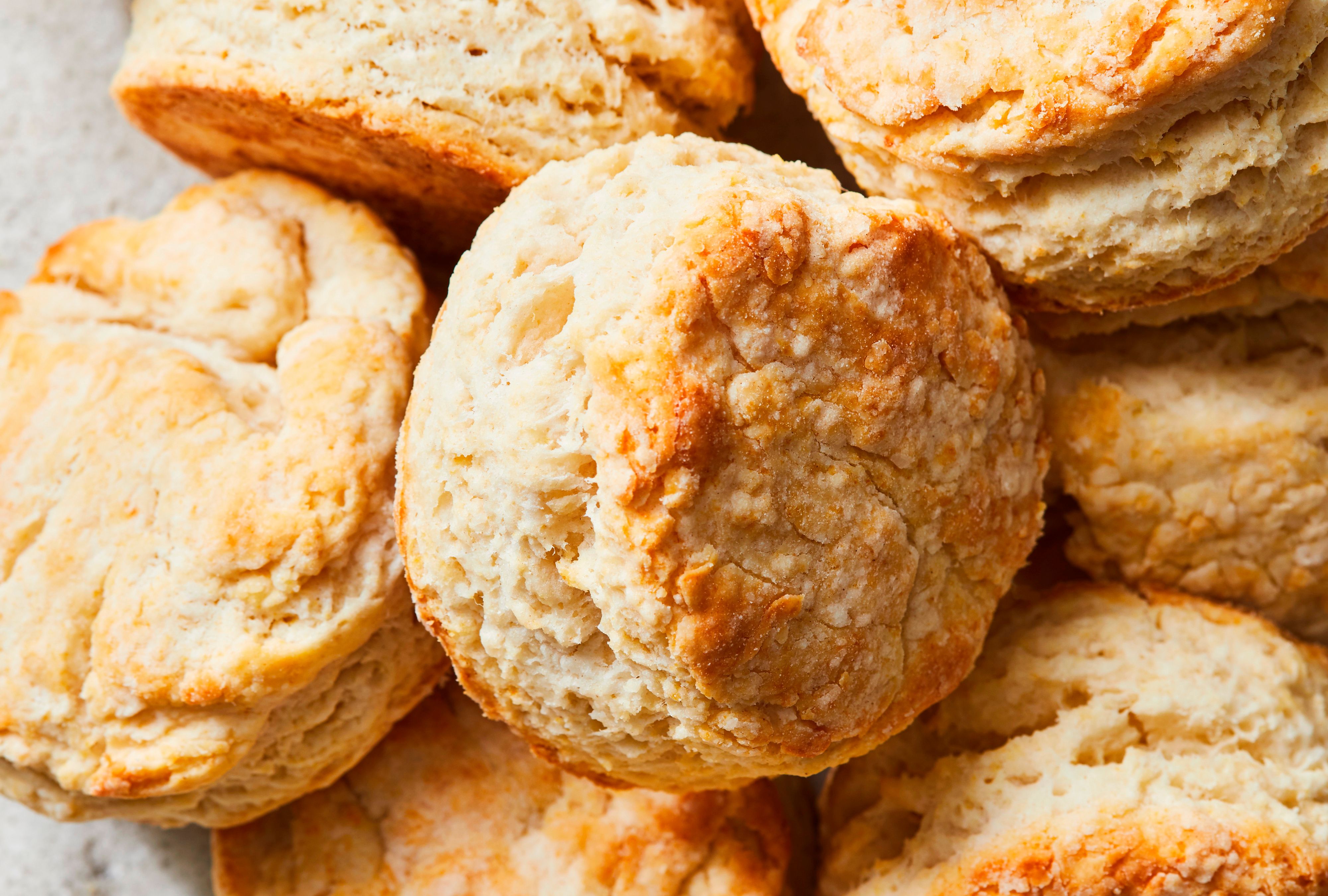
There are recipes that politely sit in a cookbook, and then there are biscuit recipes that kick open the kitchen door like they own the place. A great buttery biscuit belongs in the second category. It should be golden on top, tender in the middle, lightly crisp around the edges, and rich enough to make plain butter feel like an overachiever. The classic Better Homes & Gardens style biscuit has long been loved because it keeps things simple: pantry ingredients, straightforward technique, and a payoff that feels suspiciously close to magic.
This article breaks down what makes a truly buttery biscuit work, how to get that fluffy and flaky texture at home, and how to make a dependable batch without needing a culinary degree, a marble countertop, or a grandmother named Dot who judges dough by vibes alone. You will also find an original, BHG-inspired biscuit method, plenty of troubleshooting help, serving ideas, and a longer experience-based section at the end for readers who want more than a quick recipe card.
Why This Buttery Biscuit Style Works
The best buttery biscuit recipe usually succeeds for one reason: it respects the science without acting like a science fair project. Cold butter creates steam as it bakes, and that steam helps form the tiny pockets and layers people love in a biscuit. Gentle handling prevents too much gluten from developing, which means the final texture stays tender instead of turning into a hockey puck with self-esteem issues.
The BHG-style approach is classic and practical. It relies on staple ingredients like flour, baking powder, salt, sugar, butter, and milk or buttermilk. Some versions also use cream of tartar or a bit of shortening. That combination gives the biscuits reliable lift, rich flavor, and a soft, fluffy crumb. Modern bakers often lean toward cold butter and buttermilk for extra flavor and tenderness, while traditionalists still appreciate a butter-shortening blend for height and delicacy.
In other words, the secret is not mystery. It is temperature, restraint, and a hot oven. That is less glamorous than “ancient Southern biscuit sorcery,” but it works every single time.
BHG-Inspired Best Buttery Biscuit Recipe
If your goal is a biscuit that tastes deeply buttery, bakes up tall, and still feels easy enough for an ordinary weekend, this version hits the sweet spot. It keeps the soul of the classic BHG biscuit while leaning into a slightly richer, more modern texture.
Ingredients
- 3 cups all-purpose flour
- 1 tablespoon baking powder
- 1 tablespoon sugar
- 1 teaspoon salt
- 3/4 teaspoon cream of tartar
- 3/4 cup very cold unsalted butter, cut into small cubes or grated
- 1 to 1 1/4 cups cold buttermilk
- 1 tablespoon melted butter for brushing after baking
Optional Upgrades
- Replace 1/4 cup of the butter with cold shortening for a more old-school bakery texture.
- Add 1/4 teaspoon baking soda if your buttermilk is especially thick and tangy.
- Brush the tops lightly with buttermilk before baking for deeper color.
Directions
- Preheat the oven. Set the oven to 450°F. Line a baking sheet with parchment paper, or lightly leave it ungreased if you prefer a more classic bottom crust.
- Mix the dry ingredients. In a large bowl, whisk together the flour, baking powder, sugar, salt, and cream of tartar.
- Cut in the butter. Add the very cold butter and work it into the flour mixture with a pastry blender, fork, or fingertips until the texture looks like coarse crumbs with some pea-size bits remaining. Those buttery bits are not mistakes. They are future flake insurance.
- Add the buttermilk. Pour in 1 cup of buttermilk and stir gently with a fork just until the dough starts to come together. If there are dry patches, add more buttermilk 1 tablespoon at a time. The dough should look shaggy, not smooth.
- Turn out and fold. Place the dough on a lightly floured surface. Gently pat it into a rectangle, fold it in thirds like a letter, rotate it, and pat it out again. Repeat this folding process 2 more times. This creates the rough buttery layers that help biscuits rise beautifully.
- Pat and cut. Pat the dough to about 3/4-inch thickness. Cut with a sharp biscuit cutter, pressing straight down without twisting. Twisting seals the edges and can keep the biscuits from rising as well.
- Arrange and bake. Place the biscuits on the baking sheet so they are just touching if you want softer sides and more upward rise, or spaced apart if you prefer crisper edges. Bake for 12 to 15 minutes, until the tops are golden brown.
- Finish with butter. Brush the hot biscuits with melted butter as soon as they come out of the oven. This step is not mandatory, but it is delightful, and delight has a seat at this table.
What Makes the Texture So Good?
Texture is where biscuit recipes either become legends or become cautionary tales. A good buttery biscuit is tender enough to split open with your hands, yet structured enough to hold jam, gravy, honey butter, or a fried egg without collapsing into dramatic crumbs. That balance comes from a few key moves.
Use Cold Butter
Cold butter matters because it stays in little pieces until the dough hits the heat. When those pieces melt in the oven, they release steam and help create a layered structure. Warm butter, by contrast, blends too completely into the flour and gives you a denser result. Tasty? Maybe. Flaky? Not really.
Do Not Overmix
Overworked dough develops more gluten, and gluten is wonderful in chewy bread but less welcome in soft biscuits. Stir only until the dough is moistened. It should look slightly messy. That is not failure. That is restraint, which is a rare and beautiful thing in baking and in life.
Fold for Flaky Layers
Classic biscuit dough can simply be patted out and cut, but folding gives the dough a head start on layers. It is a small step with a big payoff. Think of it as biscuit architecture. No hard hat required.
Start With a Fully Hot Oven
A fully preheated oven gives the dough an immediate burst of heat, helping the biscuits puff before the butter melts away too quickly. If your oven is only pretending to be hot, your biscuits may expose that lie in public.
Common Biscuit Mistakes and How to Fix Them
Problem: The Biscuits Turned Out Tough
This usually means the dough was mixed or kneaded too much. Next time, stir less, fold gently, and stop trying to make the dough look perfect. Biscuit dough should not resemble satin pillowcases.
Problem: The Biscuits Did Not Rise Much
Check your baking powder first. Old leavening is a silent saboteur. Then make sure your butter was cold, your cutter was not twisted, and your oven was fully preheated.
Problem: The Biscuits Are Dry
Too much flour is often the culprit. Spoon flour into the measuring cup and level it off instead of scooping directly from the bag. Also, do not overbake. Biscuits should be golden, not emotionally exhausted.
Problem: The Flavor Feels Flat
Add enough salt, use real butter, and do not skip the post-bake brush of melted butter. A spoonful of sugar in the dough will not make the biscuits sweet, but it will round out the flavor and help with browning.
Best Ways to Serve Buttery Biscuits
The beauty of a buttery biscuit is that it can swing from breakfast to dinner without changing outfits.
- Breakfast: Split and fill with scrambled eggs, sausage, bacon, or sharp cheddar.
- Brunch: Serve warm with whipped honey butter, fruit preserves, or strawberry jam.
- Dinner: Pair with fried chicken, roast chicken, soup, or beef stew.
- Holiday table: Add them beside ham, green beans, and gravy and watch them disappear before the fancy casserole even gets noticed.
- Dessert twist: Use them as a base for shortcake with whipped cream and berries.
For an easy flavor variation, stir shredded cheddar and chives into the dough, or add cracked black pepper for a savory edge. A little garlic butter brushed on top after baking also makes people think you worked much harder than you did.
Storage, Freezing, and Reheating
Fresh biscuits are at their peak the day they are baked, when the edges are lightly crisp and the interior is still warm enough to melt butter on contact. Still, leftovers are very manageable.
Store cooled biscuits in an airtight container at room temperature for up to 2 days. For longer storage, refrigerate them for several days, though the texture may firm up slightly. To freeze, place cooled biscuits in a freezer-safe bag and store for up to 3 months.
To reheat, wrap them loosely in foil and warm in a 350°F oven until heated through. Microwaving works in a pinch, but it can make the texture softer and less biscuit-like. That is acceptable during emergencies, but the oven is your best friend here.
Experience: What Repeated Biscuit Baking Teaches You
The first time a home baker makes biscuits, there is usually a tiny moment of panic when the dough comes together. It looks rough. It looks imperfect. It looks like maybe dinner is about to become “toast night” instead. But that rough, unfinished look is often exactly right. Over time, the experience of making buttery biscuits teaches a valuable kitchen lesson: not every dough needs to be polished to be successful.
One of the most common experiences with a recipe like this is learning how much temperature changes everything. On a cool morning, biscuit dough behaves like a dream. The butter stays firm, the dough stays relaxed, and the cut biscuits hold their shape beautifully. On a warm afternoon, the same dough may soften quickly, and suddenly the baker understands why so many experts insist on cold ingredients, quick hands, and, if necessary, a short chill before baking. That is not fussiness. That is the difference between lofty layers and flat little disks that seem personally offended by your expectations.
Another experience many people have is discovering that biscuit success is less about perfect tools and more about paying attention. A pastry cutter is helpful, yes. A box grater is handy, absolutely. But hands work too. A fork works. Even a slightly chaotic method can produce wonderful biscuits if the dough is handled gently and the baker knows when to stop. That moment, when the flour is mostly moistened and the dough is just holding together, becomes easier to recognize with practice. You stop chasing “smooth” and start respecting “just enough.”
There is also the deeply satisfying experience of learning your own preferred biscuit style. Some bakers want sky-high biscuits with soft sides, so they place them close together on the pan. Others love crisp, golden edges and give each biscuit plenty of elbow room. Some swear by all butter for flavor, while others admit that a bit of shortening can add tenderness and structure. Some want buttermilk tang. Others prefer the cleaner butter-forward taste of whole milk. After a few batches, the recipe becomes less like a rulebook and more like a conversation.
Perhaps the best experience connected to buttery biscuits, though, is the serving part. Biscuits feel generous. They are easy to pass around, easy to split, and easy to dress up or keep simple. A basket of warm biscuits at breakfast makes an ordinary morning feel festive. A plate of biscuits at dinner can rescue a mediocre soup and make it seem intentional. And there is something timeless about watching someone tear open a warm biscuit, see the steam rise, and immediately reach for butter as if guided by instinct older than language itself.
So yes, biscuit baking is about flour and butter and heat. But it is also about repetition, confidence, and those tiny improvements that happen when a cook makes the same comforting thing more than once. The second batch is usually better than the first. The fifth batch is smarter. The tenth batch is the one where you stop reading every line and start trusting your hands. That is when the recipe becomes yours, and that is when a simple buttery biscuit turns into something much bigger than a side dish.
Final Thoughts
BHG’s best buttery biscuit recipe style endures because it gives home bakers exactly what they want: a recipe that feels classic, tastes rich, and behaves reliably. With cold butter, a gentle hand, and a hot oven, you can get biscuits that are flaky, fluffy, and deeply satisfying without turning your kitchen into a stress lab. Keep the technique simple, trust the shaggy dough, and always brush on a little melted butter at the end. That final glossy finish is the biscuit equivalent of a standing ovation.