A breast abscess is a painful pocket of pus that develops inside breast tissue. It often begins as mastitisbreast inflammation that may progress to a bacterial infectionbut it can also occur in people who are not breastfeeding. The affected area may become swollen, warm, discolored, and extraordinarily unhappy about being touched.
Although a breast abscess is treatable, it usually requires professional drainage rather than home remedies alone. Prompt medical care can relieve pain, control the infection, preserve breastfeeding when desired, and reduce the likelihood of recurrence or complications.
What is a breast abscess?
An abscess forms when the immune system attempts to contain an infection. White blood cells, bacteria, damaged tissue, and other fluid collect inside a walled-off cavity, producing pus. In the breast, this collection may form near the nipple and areola or deeper within the tissue.
Breast abscesses are commonly divided into two categories:
- Lactational breast abscesses occur during breastfeeding or milk production, usually as a complication of bacterial mastitis.
- Nonlactational breast abscesses occur outside breastfeeding and are often associated with inflamed or obstructed ducts, smoking, diabetes, nipple piercings, or other underlying conditions.
Anyone with breast tissue can develop an abscess. Although cases are far more common in women, breast abscesses can also occur in men and should receive the same careful evaluation.
Breast abscess symptoms
Symptoms may develop quickly or emerge after mastitis has failed to improve. A localized, intensely painful lump is the classic warning sign.
Changes in the breast
- A firm, tender, or fluid-filled breast lump
- Swelling around the affected area
- Warmth or heat over the lump
- Red, purple, or darker skin discoloration
- Thickened or tight-feeling skin
- Pus or unusual nipple discharge
- An inverted nipple, particularly with a subareolar abscess
- An open area that leaks fluid
Redness may be less noticeable on brown or Black skin. Warmth, swelling, tenderness, skin texture, and differences between the breasts can provide additional clues.
Whole-body symptoms
Some people also experience fever, chills, fatigue, body aches, nausea, or a generally “flattened by a truck” feeling. These symptoms suggest that inflammation or infection is affecting more than one small area.
A lump that feels soft or movable is not automatically harmless, and a hard lump is not automatically cancer. Touch alone cannot reliably distinguish an abscess from a cyst, tumor, or another breast condition.
What causes a breast abscess?
Breastfeeding-related causes
During lactation, inflammation can narrow milk ducts and interfere with normal milk flow. Bacterial mastitis may then develop, sometimes progressing into an abscess. Common contributing factors include nipple damage, latch difficulties, abrupt changes in feeding, unnecessary pumping, oversupply, and pressure from tight clothing or equipment.
Staphylococcus aureus is a frequent cause of lactational infections. Some infections involve methicillin-resistant S. aureus, commonly known as MRSA, which does not respond to several standard antibiotics. Streptococcal bacteria may also be involved.
Causes outside breastfeeding
Nonlactational abscesses commonly develop beneath or near the areola. A breast duct may become widened, inflamed, or blocked by debris, creating an environment in which bacteria can multiply. These infections may contain several types of bacteria, including organisms that thrive without oxygen.
Factors associated with nonlactational breast abscesses include:
- Smoking or nicotine exposure
- Diabetes, especially when blood sugar is poorly controlled
- Nipple piercings or breaks in the skin
- An inverted nipple or abnormal duct structure
- Previous breast surgery, injury, or radiation
- Obesity or conditions that weaken immune defenses
- A history of recurring breast infections
Smoking is particularly associated with periductal inflammation and recurrent subareolar abscesses. Quitting may lower recurrence risk, although it cannot replace treatment for an existing infection.
How doctors diagnose a breast abscess
A healthcare professional will ask when the symptoms started, whether the patient is breastfeeding, and whether there have been previous infections, procedures, nipple injuries, or antibiotic treatments. The examination evaluates the lump, surrounding skin, nipple, and nearby lymph nodes.
Ultrasound and fluid testing
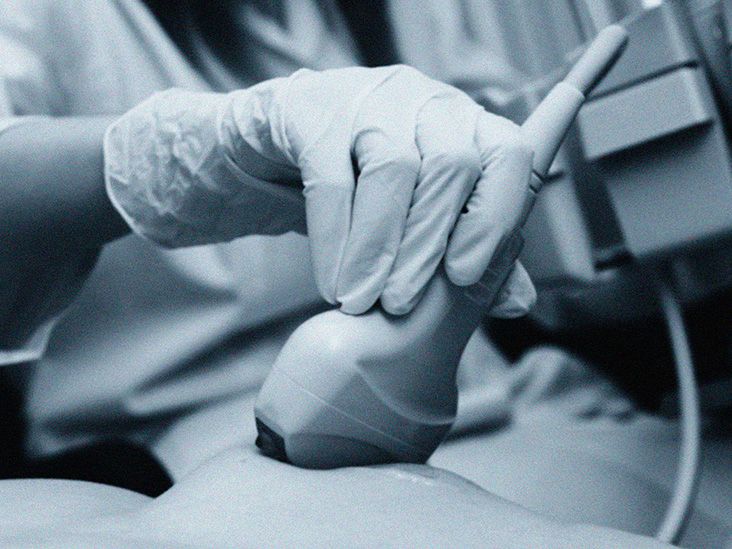
Breast ultrasound is commonly used to distinguish a drainable fluid collection from inflammation without an abscess. It also shows the collection’s depth, size, and internal compartments and can guide a needle to the correct location.
Fluid removed during aspiration or drainage may be sent for culture. The laboratory can identify the bacteria and determine which antibiotics are likely to work. Culture is especially helpful when an infection is severe, recurrent, associated with MRSA risk, or unresponsive to initial treatment.
When additional testing is needed
Depending on age and circumstances, the evaluation may include mammography or a biopsy. Additional testing is especially important for nonlactating patients, recurring abscesses, unusual imaging findings, or symptoms that persist after appropriate treatment.
Inflammatory breast cancer can also cause rapid swelling, warmth, redness, nipple inversion, and orange-peel-like skin. It is uncommon, but infection-like symptoms that do not improve as expected must be reassessed rather than treated with round after round of hopeful antibiotics.
Breast abscess treatment
Drainage is the main treatment
Because an abscess is an enclosed pocket of pus, antibiotics may have difficulty penetrating it. Most breast abscesses therefore need drainage. The procedure also relieves pressure, which can produce surprisingly rapid pain improvement.
Drainage methods include:
- Needle aspiration: After the skin is numbed, a clinician uses a needleoften guided by ultrasoundto remove the fluid. Aspiration may need to be repeated.
- Catheter drainage: A small tube may remain temporarily in the cavity so fluid can continue to escape.
- Incision and drainage: A small surgical opening is made when an abscess is large, divided into several pockets, recurrent, close to breaking through the skin, or unsuitable for aspiration.
Repeated needle aspiration can reduce scarring and is often effective for lactational abscesses. Incision and drainage may be more appropriate for complex or recurrent infections. The choice depends on the abscessnot on which procedure has the friendliest name.
Antibiotics
Antibiotics are commonly prescribed alongside drainage when bacterial infection is present. Selection depends on the suspected organism, local resistance patterns, medication allergies, illness severity, culture results, and whether the patient is breastfeeding.
Patients should take medication exactly as directed and complete the prescribed course unless their clinician changes the plan. Leftover antibiotics are not a reliable shortcut; the wrong drug may delay effective care while encouraging resistant bacteria.
Pain relief and home care
Cold packs wrapped in cloth can reduce swelling and discomfort. Acetaminophen or an anti-inflammatory medicine such as ibuprofen may help when safe for the individual. A clinician can advise patients with kidney disease, liver disease, stomach ulcers, bleeding risks, pregnancy, or medication interactions.
Keep dressings clean and dry, wash hands before wound care, and follow instructions for drains or packing. Do not squeeze the lump, puncture it with a needle, or attempt “DIY drainage.” Breasts are not stubborn condiment packets.
Can you continue breastfeeding?
Most patients can continue breastfeeding or expressing milk during treatment using antibiotics compatible with lactation. Feeding should generally continue according to the baby’s normal needs; aggressively pumping to “empty” the breast can stimulate oversupply and worsen inflammation.
Deep massage, forceful squeezing, and vibrating devices should be avoided because they may injure inflamed tissue. Gentle handling is the wiser setting here.
If there is an open wound, pus, or a drain, the infant’s mouth and pump flange must not contact infected tissue or drainage. The site should be completely covered with a clean, dry dressing. When safe contact cannot be maintained, a clinician may recommend expressing and temporarily discarding milk from that side. Premature babies and infants in a neonatal intensive care unit may require additional precautions.
When to seek urgent medical care
Contact a healthcare professional promptly for a painful breast lump accompanied by warmth, swelling, discharge, fever, or worsening mastitis. Seek emergency care for confusion, faintness, shortness of breath, a very fast heartbeat, severe weakness, rapidly spreading discoloration, or other possible signs of sepsis.
Arrange follow-up if symptoms worsen at any time, if there is no clear improvement within approximately 24 to 48 hours after treatment begins, or if the lump remains after the infection appears to settle. Persistent and recurrent breast changes deserve a diagnosis, not a permanent subscription to guesswork.
Can breast abscesses be prevented?
Not every abscess is preventable, but several measures may lower the risk:
- Seek early care for worsening mastitis or a persistent breast lump.
- Address painful latch, nipple damage, or oversupply with qualified lactation support.
- Feed normally and avoid excessive pumping intended to empty the breast completely.
- Avoid deep breast massage and prolonged pressure from tight bras or equipment.
- Wash hands before breastfeeding, pumping, or changing dressings.
- Clean pump components according to manufacturer and public-health guidance.
- Manage diabetes and other chronic conditions with medical support.
- Seek help with quitting smoking or nicotine use.
- Complete follow-up after drainage, especially when an abscess has occurred before.
Experiences patients commonly have during diagnosis and recovery
The following are illustrative composite experiences based on common clinical situations. They do not describe specific identifiable patients.
The breastfeeding parent who thought it was “just a clogged duct”
A parent several weeks postpartum notices a tender patch after the baby sleeps longer than usual. The initial instinct is to pump repeatedly, apply lots of heat, and massage the breast as if kneading bread dough. Instead of improving, the area becomes more swollen. Fever and chills arrive the next evening, followed by a distinct, exquisitely painful lump.
An ultrasound confirms a small abscess. A clinician performs ultrasound-guided aspiration, sends the fluid for culture, and prescribes a breastfeeding-compatible antibiotic. The first aspiration brings significant relief, although a second procedure is needed several days later. With a clean dressing over the site, normal feeding continues while avoiding contact with the wound.
The emotional recovery matters too. Many breastfeeding parents interpret mastitis or an abscess as evidence that they have “failed” at feeding. They have not. Milk production is biologically impressive but occasionally behaves like a group project with poor communication. Practical lactation support can correct latch problems, reduce unnecessary pumping, and restore confidence.
The nonlactating patient with a recurring lump
Another patient develops tenderness beneath the areola despite not breastfeeding. Antibiotics briefly improve the redness, but the lump returns a few months later and begins draining near the nipple. Imaging identifies a recurrent subareolar abscess connected to an inflamed duct.
Drainage and culture control the immediate infection. Because recurrence suggests an underlying duct problem, a breast specialist discusses longer-term treatment and the possibility of removing the affected duct after inflammation settles. The clinician also recommends diabetes screening and offers smoking-cessation support.
This experience highlights an important point: recurrence is information. It may signal resistant bacteria, an inadequately drained cavity, a fistula, chronic duct disease, or another diagnosis. Repeatedly treating only the surface redness can be like silencing a smoke alarm without checking the kitchen.
The patient whose symptoms require a second look
A third patient receives antibiotics for a presumed breast infection, but the swelling continues to spread. The skin becomes thick and dimpled, one breast appears noticeably larger, and no clearly drainable collection is found on ultrasound.
Rather than simply prescribing another antibiotic, the clinician orders additional imaging and a biopsy. This careful reassessment is essential because inflammatory breast cancer and other disorders can imitate infection. Most painful, inflamed breasts are not cancerous, but persistent changes must never be dismissed because the original diagnosis sounded reassuring.
What recovery often feels like
After effective drainage, pressure and throbbing may improve quickly, while tenderness, firmness, and swelling can take days or weeks to resolve. Dressing changes may be inconvenient, and repeated appointments can feel especially exhausting while caring for a newborn. Asking a partner, friend, or family member to handle transportation, meals, or a feeding session can make recovery more manageable.
Patients should expect a clear follow-up plan: when the wound will be checked, whether another ultrasound is needed, how culture results will be communicated, and which symptoms require urgent attention. Good treatment is not merely “the pus is gonegood luck.” It includes confirming that the infection resolves and investigating why it occurred when circumstances are unusual.
Conclusion
A breast abscess is a treatable collection of infected fluid, but it rarely responds to wishful waiting. A painful, hot, swollen lump should be evaluated promptly. Ultrasound can confirm the diagnosis, drainage removes the infected collection, and carefully selected antibiotics treat associated bacterial infection. Follow-up is particularly important for nonlactational, persistent, or recurring abscesses.
Medical sources reviewed
- Mayo Clinic: Mastitis symptoms and causes
- Cleveland Clinic: Subareolar abscess
- Johns Hopkins Medicine: Breast infections and inflammations
- MedlinePlus: Breast infection
- Academy of Breastfeeding Medicine: Mastitis Spectrum Protocol
- American College of Obstetricians and Gynecologists: Breastfeeding challenges
- CDC: MRSA and breastfeeding
- American Academy of Family Physicians: Mastitis evidence review
- NCBI Bookshelf: Breast abscess
- American Cancer Society: Inflammatory breast cancer
- MSD Manual: Mastitis and breast abscess