Chocolate-covered pretzels are what happens when a snack gets a glow-up, puts on a tiny tuxedo, and still remembers how to crunch. They are salty, sweet, crisp, creamy, easy to make, and suspiciously good at disappearing from party trays. Whether you are preparing a holiday dessert board, a school bake sale treat, a game-day snack, or a “because Tuesday was rude” reward, chocolate-covered pretzels deliver maximum charm with very little kitchen drama.
The best part? You do not need a pastry degree, a marble countertop, or the emotional courage required for croissants. You need pretzels, chocolate, parchment paper, and a little patience while the coating sets. This guide covers how to make chocolate-covered pretzels at home, which chocolate works best, how to decorate them, how to store them, and how to avoid common mistakes like seized chocolate, soggy pretzels, and toppings that slide off like they have somewhere better to be.
Why Chocolate-Covered Pretzels Are So Popular
The magic of chocolate-covered pretzels comes from contrast. Pretzels are dry, crunchy, salty, and slightly toasty. Chocolate is smooth, rich, sweet, and creamy. Put them together and your taste buds receive the snack version of a standing ovation.
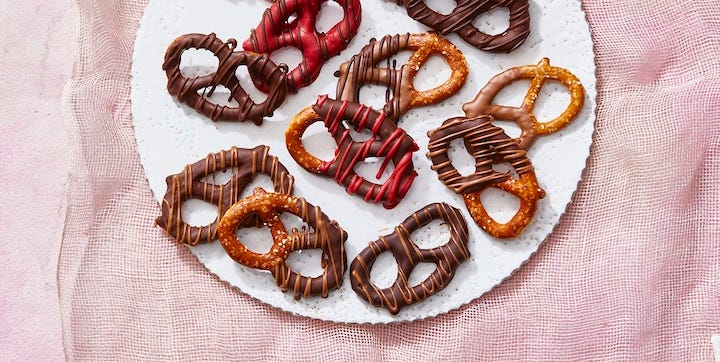
That sweet-and-salty balance is also why chocolate-dipped pretzels work for almost every occasion. They are casual enough for lunchboxes, polished enough for gift tins, and customizable enough for holidays. Red and green sprinkles make them Christmas-ready. Crushed peppermint makes them wintery. Pastel drizzle says Easter. Orange and black candy melts announce Halloween with zero subtlety. A drizzle of dark chocolate over white chocolate says, “I tried,” which is often enough.
Ingredients for Homemade Chocolate-Covered Pretzels
A basic batch requires only a few ingredients, but choosing them well makes a big difference.
Pretzels
Mini pretzel twists are the classic choice because their loops catch chocolate beautifully. Pretzel rods are great for gifts and party favors because they look neat in treat bags. Pretzel snaps or squares are sturdy, easy to dip halfway, and ideal for bite-size desserts. Use fresh pretzels with a crisp snap. If the pretzels taste stale before dipping, chocolate will not magically rescue them. It is delicious, not a superhero.
Chocolate
Semisweet chocolate is the most balanced choice because it is sweet without being candy-bar sweet. Milk chocolate gives a softer, creamier flavor. Dark chocolate brings a more grown-up edge and pairs especially well with flaky sea salt. White chocolate is sweet, pretty, and perfect for colorful drizzle, though it can be more sensitive when melting.
Chocolate chips, baking bars, melting wafers, and candy melts can all work. Baking bars and quality melting wafers usually melt smoother than standard chips. Candy melts are convenient, colorful, and set quickly, but they have a different flavor and texture from real chocolate. For an easy party batch, candy melts are practical. For a richer homemade treat, use good chocolate.
Optional Toppings
Sprinkles are the obvious choice, but do not stop there. Try crushed candy canes, chopped toasted nuts, mini chocolate chips, shredded coconut, crushed cookies, toffee bits, freeze-dried strawberries, flaky sea salt, or a drizzle of caramel. Add toppings while the chocolate is still wet so they stick instead of bouncing away like edible confetti.
Easy Chocolate-Covered Pretzels Recipe
Ingredients
- 8 to 10 ounces mini pretzels, pretzel rods, or pretzel snaps
- 12 ounces semisweet, milk, dark, or white chocolate
- 1 teaspoon neutral oil or shortening, optional, for smoother dipping
- Sprinkles, crushed peppermint, chopped nuts, flaky salt, or other toppings
Instructions
- Prepare the tray. Line one or two baking sheets with parchment paper or wax paper. This prevents sticking and makes cleanup wonderfully boring.
- Melt the chocolate. Place chopped chocolate or wafers in a dry microwave-safe bowl. Heat in 20- to 30-second bursts, stirring well between each round. Stop when a few small lumps remain and stir until smooth. You can also melt chocolate in a double boiler over gentle heat.
- Dip the pretzels. Drop mini pretzels into the chocolate one at a time, lift with a fork, and tap off excess coating. For rods, dip one end into a tall glass of melted chocolate, then gently shake off extra chocolate.
- Decorate quickly. Place dipped pretzels on the lined tray and add toppings before the chocolate sets.
- Let them set. Allow the pretzels to firm up at room temperature, or refrigerate briefly if your kitchen is warm. Once set, transfer them to an airtight container.
How to Melt Chocolate Without Ruining It
Chocolate is not difficult, but it is dramatic. The main rule is to keep water away from it. Even a tiny splash can make melted chocolate seize into a thick, grainy paste. Use dry bowls, dry spatulas, and dry pretzels. If steam from a double boiler gets into the bowl, your chocolate may become cranky.
Low and slow is the safest approach. In the microwave, short bursts and frequent stirring prevent scorching. On the stove, a double boiler keeps the heat gentle and indirect. If the chocolate seems too thick for dipping, a small amount of neutral oil or shortening can loosen it. Add just a little at a time; you want smooth chocolate, not chocolate soup.
Should You Temper the Chocolate?
Tempering is the process of heating and cooling chocolate so it sets with shine, snap, and better stability at room temperature. It is useful when you want professional-looking chocolate-covered pretzels for gifting or selling. However, for a casual homemade batch, you can absolutely skip full tempering and still make delicious pretzels.
If you use candy melts or compound coating, tempering is not required. If you use real chocolate and want a glossy finish, tempering is worth learning. The simpler shortcut is to melt most of the chocolate, then stir in a small amount of finely chopped unmelted chocolate until smooth. This “seed” method encourages a better set. Is it as precise as a chocolatier’s method? Not always. Is it good enough for a tray that will be eaten before anyone starts inspecting cocoa butter crystals? Usually, yes.
Best Flavor Variations
Classic Semisweet Pretzels
Dip pretzel twists in semisweet chocolate and top with a pinch of flaky sea salt. This is the little black dress of chocolate-covered pretzels: simple, reliable, and always appropriate.
White Chocolate Peppermint Pretzels
Dip pretzel rods in white chocolate and sprinkle with crushed peppermint candies. These are excellent for Christmas cookie trays because they look festive and taste like December learned how to crunch.
Peanut Butter Chocolate Pretzels
Drizzle dipped pretzels with melted peanut butter chips or add chopped peanuts before the chocolate sets. This version tastes like a candy bar went to snack school.
Cookies-and-Cream Pretzels
Use white chocolate and crushed chocolate sandwich cookies. The result is sweet, crunchy, and dangerously easy to eat by the handful.
Dark Chocolate Espresso Pretzels
Mix a tiny pinch of instant espresso powder into melted dark chocolate, then top with cocoa nibs or sea salt. This is the version for people who say they “only want one” and then return wearing a guilty expression.
Common Mistakes and How to Fix Them
| Problem | Likely Cause | Easy Fix |
|---|---|---|
| Chocolate is thick and clumpy | Overheating or contact with water | Start over if seized; melt slowly and keep tools dry next time |
| Pretzels taste stale | Old pretzels or humid storage | Use fresh pretzels and store finished treats airtight |
| Toppings fall off | Chocolate set before decorating | Add toppings immediately after dipping |
| Chocolate looks streaky | Chocolate bloom or temperature changes | Store in a cool, dry place and avoid repeated chilling |
| Coating puddles under pretzels | Too much excess chocolate | Tap the fork or rod gently before placing on parchment |
How to Store Chocolate-Covered Pretzels
Store chocolate-covered pretzels in an airtight container at cool room temperature, away from sunlight, heat, moisture, and strong odors. Chocolate can absorb surrounding smells, so do not store your beautiful pretzels next to chopped onions unless you are conducting a snack crime investigation.
Most homemade chocolate-covered pretzels are best within one to two weeks, especially if you want the pretzels to stay crisp. In a warm kitchen, brief refrigeration can help the chocolate set, but long refrigerator storage may cause condensation or a cloudy surface called bloom. Bloom is usually harmless, but it can make the coating look dusty or dull.
If you are making pretzels for a party, prepare them a few days ahead rather than weeks ahead. Keep layers separated with parchment or wax paper so the decorations stay intact. For gift bags, make sure the chocolate has fully hardened before packaging.
Food Allergy and Safety Notes
Chocolate-covered pretzels often contain wheat, milk, and soy, depending on the pretzels and chocolate used. If you add nuts, peanut butter chips, sesame toppings, or candy pieces, allergen concerns increase. Always check labels carefully when serving guests, especially children or groups. For gluten-free chocolate-covered pretzels, use certified gluten-free pretzels and verify that the chocolate and toppings are also gluten-free.
For homemade gifts, include a simple ingredient note. It does not need to look like a government form; even “Contains wheat, milk, and soy; made in a kitchen that uses nuts” is far more helpful than mystery snacks in a ribboned bag.
Serving Ideas for Parties, Gifts, and Snack Boards
Chocolate-covered pretzels are easy to style because they already look cheerful. Stack mini twists in a glass jar for a dessert table. Wrap pretzel rods in clear treat bags with ribbon for party favors. Add them to a holiday cookie tin for crunch between soft cookies and fudge. Scatter them on ice cream sundaes, chop them into brownie batter, or use them as cupcake toppers.
For a snack board, pair chocolate-dipped pretzels with strawberries, marshmallows, graham crackers, caramel popcorn, roasted almonds, and small bowls of melted chocolate or peanut butter dip. The board will look abundant, and guests will think you planned everything with great care instead of arranging snacks in panic fifteen minutes before the doorbell rang.
Experience Notes: What Making Chocolate-Covered Pretzels Teaches You
The first time you make chocolate-covered pretzels, you may think the job will be neat. This is adorable. Within ten minutes, there will probably be a chocolate fingerprint on the counter, one pretzel drowning in the bowl, and sprinkles in a place sprinkles have no business being. That is part of the charm. These treats are forgiving. Even the imperfect ones taste excellent, and the messy ones can be renamed “rustic.”
One of the most useful lessons is that setup matters. Before melting the chocolate, line the trays, open the toppings, place forks nearby, and clear space in the refrigerator if you plan to chill the batch briefly. Chocolate waits for no one. Once it is melted and glossy, you want to dip, decorate, and move smoothly. A prepared workstation turns the process from sticky chaos into something almost peaceful.
Another experience many home cooks discover quickly is that pretzel rods feel fancy with almost no extra effort. Mini twists are wonderful for snacking, but rods look like edible party wands. Dip them halfway, drizzle with a contrasting color, add sprinkles, and suddenly they look bakery-made. They are especially good for birthdays, baby showers, classroom parties, and holidays because they are easy to package individually.
Children also love helping with chocolate-covered pretzels because the steps are simple and creative. Adults can handle the melting while kids add sprinkles, crushed cookies, or candy eyes. The results may not be symmetrical, but they will have personality. In fact, a tray decorated by kids often looks happier than a perfect tray. There is something deeply appealing about a pretzel rod wearing six kinds of sprinkles and the confidence of a parade float.
Chocolate-covered pretzels are also a good reminder that homemade treats do not have to be complicated to feel special. People respond to crunch, color, and the thought behind the gift. A small bag of pretzels tied with ribbon can feel more personal than an expensive boxed dessert, especially when the flavors match the occasion. Peppermint for winter, pastel drizzle for spring, orange candy melts for Halloween, or dark chocolate with sea salt for a grown-up dinner party all show intention without requiring hours in the kitchen.
The final lesson is portion control, which is mostly a myth here. Chocolate-covered pretzels are bite-size, and bite-size foods have a sneaky way of convincing people that five pieces equal one snack. Plan accordingly. If you are making them for guests, make more than you think you need. If you are making them for yourself, store some out of sight. A sealed container in the pantry is safer than a bowl on the counter, where every passing human will perform a “quality check.”
Conclusion
Chocolate-covered pretzels are proof that simple ingredients can create a snack with real personality. They are crunchy, creamy, salty, sweet, festive, and endlessly customizable. With fresh pretzels, gently melted chocolate, quick decorating, and smart storage, you can make a batch that looks impressive and tastes even better. Keep the tools dry, avoid overheating the chocolate, add toppings before the coating sets, and store the finished pretzels in an airtight container. That is the whole delicious secret.
Whether you are filling holiday tins, building a dessert board, making edible gifts, or just improving your afternoon with chocolate and crunch, homemade chocolate-covered pretzels are a reliable win. They are easy enough for beginners, fun enough for kids, and flexible enough for creative bakers who believe every snack deserves a drizzle.