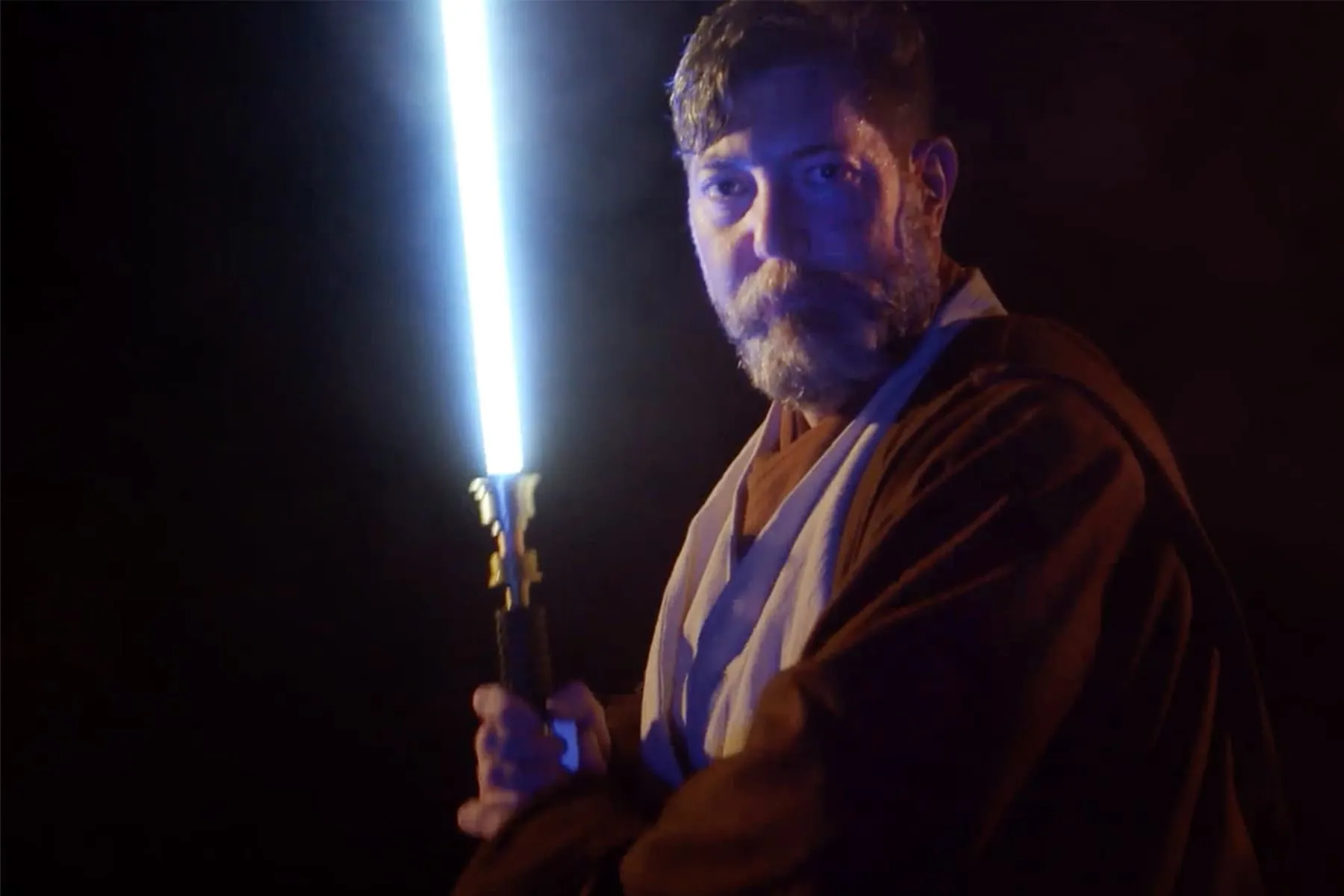
Cosplay is built on transformation. With enough foam, paint, patience, and questionable amounts of hot glue, an ordinary person can become a Jedi or armored sund lifelong science-fiction fan Jason Leibowitz survived a major heart attack, transformation stopped being a weekend performance. It became a real-life assignment.
WebMD introduced his story as “Heart Attack Survivor Strikes Back,” describing a medical emergency that pushed him to take exercise and health more seriously. His public profile still identifies him as a heart attack survivor while celebrating Star Wars, Marvel, family, photography, and cosplay. The point is not that one scare magically fixes every habit. Survival can expose the gap between the life someone enjoys and the body that must carry it.
When Fiction Meets Physiology
A costume can make a person look invincible. The cardiovascular system is less impressed by capes. A heart attack, medically called a myocardial infarction, usually happens when blood flow through a coronary artery becomes blocked or severely reduced. Without enough oxygen-rich blood, part of the heart muscle begins to suffer damage. Fast treatment matters because heart tissue does not appreciate cliffhangers. >
Public descriptions do not disclose every clinical detail, so this article will not invent them. What is documented is the reality check: a major cardiac event interrupted a life full of family, fandom, and creative energy, then pushed him toward deliberate fitness. Many people postpone health until “after this deadline” or “after I finish the Mandalorian breastplate.” The heart does not maintain that calendar.
Heart Attack Warning Signs Are Not Always Cinematic
Movies portray a heart attack as a chest grab followed by collapse. That can happen, but symptoms may build gradually or seem ordinary. Warning signs include chest pressure or pain; shortness of breath; discomfort in the arms, shoulders, back, neck, jaw, or stomach; lightheadedness; cold sweat; nausea; and unusual weakness. “I’ll see how I feel later” can be dangerous. >
Do Not Drive Yourself Through the Boss Battle
In the United States, suspected heart-attack symptoms call for 911, not a heroic solo drive to the emergency department. Emergency medical teams can begin assessment and treatment during transport, while a person behind the wheel may suddenly become unable to drive safely. Waiting for symptoms to become unbearable can cost heart muscle and, in the worst case, a life. >
Know Your Personal Risk Profile
Risk factors include high blood pressure, unhealthy cholesterol, diabetes, smoking, inactivity, excess body weight, age, and family history. Risk is not a morality score: a person may look fit while carrying genetic or metabolic risks. The answer is measurement, not shame. Blood pressure, cholesterol, blood sugar, family history, tobacco use, sleep, and activity deserve an honest medical review. >
The Reality Check: Health Is Not a Costume Saved for Later
People often imagine “getting healthy” as an identity replacement: overnight, the snack collector becomes a sunrise runner who says, “I crave burpees.” That fantasy is so exhausting that many people never begin.
A more believable lesson is that health grows through small, repeatable decisions: attending follow-up care, walking for a medically approved few minutes, taking prescriptions consistently, learning blood-pressure numbers, or asking for help with anxiety. These actions lack montage glamour, but they are how recovery works.
After a heart attack, the treatment plan may include medication, procedures, follow-up testing, nutritional changes, smoking cessation, stress management, and a gradual return to activity. The exact combination depends on the individual’s diagnosis, heart function, procedures, other medical conditions, and clinician recommendations. A survivor should not borrow another person’s workout plan simply because both people own lightsabers. >
Cardiac Rehabilitation: The Comeback Team
Cardiac rehabilitation is a major part of recovery, not an optional side quest. This medically supervised program typically combines individualized exercise, heart-health education, risk-factor management, and stress support. It helps people return to active life while reducing future risk. >
Why Supervised Exercise Matters
After a cardiac event, fear can turn every heartbeat into a suspicious notification. Supervised rehabilitation helps survivors rebuild confidence, learn safe effort levels, and recognize concerning symptoms. Activity often begins gently, commonly with walking, then progresses under medical guidance. Recovery is not a speedrun. >
Medication Adherence Is Part of the Costume Kit
Some survivors feel better and assume the danger has passed. That is exactly when medication routines can slip. Prescribed drugs may help reduce clotting risk, control blood pressure, manage cholesterol, ease the heart’s workload, or address other conditions. Stopping or changing medication without medical advice can be dangerous. A pill organizer may not look as exciting as a utility belt, but it has a much stronger evidence base.
Food Changes Should Be Livable
A heart-supportive eating pattern generally emphasizes vegetables, fruits, whole grains, legumes, nuts, fish or other lean proteins, and unsaturated fats while limiting excess sodium, added sugars, highly processed foods, and saturated fat. The best plan is one a person can sustain, afford, and adapt to culture and medical needs. Perfection is unnecessary. A single convention pretzel does not destroy a recovery plan, just as one salad does not complete it.
Cosplay After a Heart Attack: Returning Without Playing Tough
Cosplay can mean hours of standing, long walks, crowded rooms, heat-trapping fabrics, restrictive masks, heavy props, missed meals, poor sleep, and the pressure to finish at 3 a.m. Together, these can turn fun into an endurance test. A cardiac survivor’s return deserves the same planning as a complex build.
1. Get Individual Medical Clearance
“Can I go to a convention?” is too broad. Better questions include: How long can I walk? Can I lift or wear this amount of weight? Are heat, stairs, travel, or prolonged standing a concern? What symptoms mean I should stop? Does my medication affect hydration, sun tolerance, blood pressure, or exercise response? Specific questions produce useful answers.
2. Test the Costume Before Event Day
A dress rehearsal should include shoes, armor, mask, props, cooling gear, and the mysterious harness keeping the wings attached. Sit, walk, and use the restroom in it, because biological realism remains undefeated. Check for restricted breathing, chest compression, overheating, or poor balance.
3. Reduce Heat and Load
Lighter materials, hidden vents, moisture-wicking layers, removable helmets, cooling breaks, and rolling prop cases may reduce strain. Anyone with fluid limits needs a clinician-approved hydration plan, not generic “drink more” advice. Dizziness, weakness, nausea, or confusion should never be dismissed in a crowded hall.
4. Use the Buddy System
A trusted friend should know the emergency plan, medication location, relevant information, and warning signs. The buddy is not a cardiologist wearing elf ears; the job is to notice trouble, help the person stop, and call emergency services.
5. Schedule Recovery Into the Schedule
Schedule seated breaks, meals, medication, and an early exit. Skip the midnight after-party when the body sends a firm “season finale” signal. The goal is not to prove nothing changed; it is to keep doing what matters under smarter conditions.
The Invisible Boss Battle: Fear, Anxiety, and Identity
A heart attack can change how a person interprets ordinary sensations. A fast heartbeat after climbing stairs may trigger panic. Fatigue may feel like evidence of another emergency. Survivors may grieve their old sense of invulnerability or worry that family members now see them as fragile. Psychological distress after a heart attack is common, and persistent depression, anxiety, or trauma symptoms can interfere with recovery, sleep, relationships, medication use, and participation in healthy activity. >
Support can include cardiac rehabilitation, counseling, survivor groups, family conversations, and treatment from qualified mental-health professionals. Returning to a valued hobby may also restore confidence, provided the return is medically appropriate. For a cosplayer, completing a lightweight build, attending for one hour, or posing for a first post-recovery photo can carry emotional weight far beyond the picture itself.
What Fans Can Learn Before Their Own Wake-Up Call
Leibowitz’s reality check joins two worlds people often separate: imagination and the physical body. Fans research materials, troubleshoot electronics, and refine tiny costume details. Applying that curiosity to blood pressure, cholesterol, sleep, movement, and family history is maintenance for the person inside every costume.
No one needs to wait for a heart attack to begin. Schedule routine care. Learn the warning signs. Stop smoking or seek help quitting. Move regularly at a level that fits current ability. Address blood pressure, cholesterol, and diabetes with professional guidance. Protect sleep. Make food changes that can survive contact with real life. Most importantly, treat chest pressure, unexplained breathlessness, cold sweat, radiating upper-body pain, faintness, or other concerning symptoms as medical problems rather than inconveniences.
Experience-Based Lessons From the Road Back
The following are composite, experience-informed scenarios rather than claims about Jason Leibowitz’s private medical history. They reflect challenges commonly described in survivor guidance, cardiac rehabilitation, and return-to-activity planning.
The First Walk Feels Smaller Than It Is
A survivor may remember walking miles through a convention without thinking about it. After a heart attack, the first approved walk might be only a few minutes on flat ground. That can feel humiliating until the person recognizes what is actually happening: the body is relearning trust. The route may be short, but the emotional distance is enormous. Keeping a simple log can turn “I barely did anything” into visible progress. Five minutes becomes eight. Eight becomes twelve. The victory is not speed; it is consistency without alarming symptoms.
The First Convention Back Requires a New Definition of Success
Before the cardiac event, success might have meant arriving at opening, staying through the evening, wearing full armor, taking hundreds of photos, and collapsing into bed with the elegance of a dropped laundry bag. Afterward, success may mean attending for two hours in a lighter costume, taking three planned breaks, eating lunch, and leaving while still feeling well. At first, this can seem like doing less. In reality, it is a skilled redesign. The survivor is no longer measuring the day by endurance alone but by enjoyment, safety, and the ability to recover afterward.
Accepting Help Can Be Harder Than Building Armor
Creative people are often proud of solving problems themselves. A heart attack can force uncomfortable dependence: someone else carries the prop case, drives to appointments, checks the medication list, or asks whether a break is overdue. The survivor may hear concern as criticism. Friends may become overprotective and treat every yawn like a medical documentary. Honest communication helps. The survivor can explain what support is useful, what symptoms matter, and when normal independence is appropriate. A good support person assists without turning the day into surveillance.
The Body May Look Familiar but Feel Different
Medication effects, reduced conditioning, scars from procedures, weight changes, anxiety, or fatigue can make a familiar costume fit differently. That mismatch can sting. Cosplay is visual, and survivors may compare current photos with older images taken before the event. A healthier response is to modify the costume for the current body rather than punish the body for changing. Add stretch panels. Rebalance armor. Replace heavy materials. Choose footwear that supports longer standing. The costume serves the wearer, not the other way around.
Recovery Eventually Becomes Less Dramatic
At first, every appointment, walk, meal, and heartbeat may feel loaded with meaning. Over time, the best outcome is often wonderfully ordinary. Medication becomes routine. Exercise becomes something the survivor does rather than something that proves survival. A convention becomes fun again instead of a test. That quiet normality is not a boring ending. It is the sequel worth protecting.
Conclusion: The Hero Is the Person Who Keeps Showing Up
A heart attack does not grant superpowers, and recovery is not a tidy montage. It can involve fear, medical appointments, frustrating limits, changed routines, and slow gains that nobody applauds. Yet Jason Leibowitz’s public story captures a hopeful truth: a reality check can become a turning point without erasing the person who came before it.
The sci-fi fan can remain a sci-fi fan. The cosplayer can still build, perform, laugh, and show up for the community. The difference is that health moves from the background to the main plot. That may mean cardiac rehabilitation, prescribed medication, sustainable exercise, smarter food choices, mental-health support, and a lighter costume with significantly more ventilation. Not every hero wears a cape. Some wear a heart monitor, take a scheduled break, and live to attend the next convention.