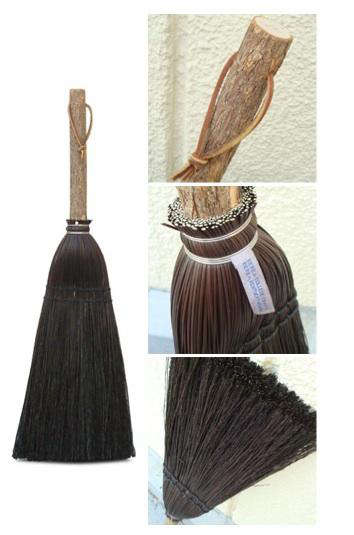
Some household objects quietly do their jobs and ask for nothing in return. The broom is one of them. It stands in a corner, collects dust, rescues kitchens from cracker crumbs, and occasionally becomes the thing you grab when a spider decides to hold a press conference in the hallway. But at Berea College in Kentucky, the broom is more than a cleaning tool. It is a lesson in history, design, labor, sustainability, Appalachian craft, and the surprisingly elegant science of making ordinary life feel intentional.
The phrase “Domestic Science: Berea College Crafts Brooms” sounds like a charming old magazine headline, and in a way, it is. It points to a design-minded fascination with useful household objects made beautifully. Yet the story behind Berea College brooms is deeper than a pretty fireplace broom leaning against a mantel. These handmade brooms are part of Berea College Student Craft, a program rooted in the school’s long-standing belief that learning happens through the head, the heart, and the hands. That is not marketing fluff; it is a pretty good description of what happens when a student turns broomcorn, wood, wire, cord, color, and patience into something that can sweep a floor and still look good enough to hang on the wall.
Why Berea College Brooms Still Matter
Berea College is not a craft school in the narrow sense. It is a liberal arts work college with a famous no-tuition promise and a Labor Program that gives students real workplace experience while they study. Student Craft fits naturally into that model. Instead of treating manual work as something separate from education, Berea treats it as part of the education itself. Students learn process, responsibility, collaboration, quality control, and problem-solving while making objects that leave campus and enter real homes.
That makes a Berea broom different from a mass-produced broom tossed into a shopping cart between paper towels and dish soap. A Berea College broom carries the visible evidence of human attention. The binding is not just there to hold bristles together; it is part structure, part decoration, part signature. The broomcorn is not just a bundle of plant fiber; it is selected, arranged, dyed, shaped, stitched, and trimmed. The finished object is practical, but it also has posture. It looks like it knows it was made on purpose.
A Brief History of Berea College Student Craft
Berea College’s craft tradition reaches back to the late nineteenth century, when Appalachian material culture, industrial education, and the dignity of labor all became important parts of the institution’s identity. Student Craft began with handwork that helped students learn skills while also supporting the college’s broader mission. Over time, weaving, woodcraft, ceramics, and broomcraft became central disciplines.
Broomcraft and ceramics were added in the early twentieth century, and Broomcraft has since become one of Berea’s most recognizable craft programs. The college’s handmade brooms are often described as part of one of the longest continuously operating broom-making traditions in the United States. That longevity matters. Many traditional crafts survive only when people actively choose to keep them useful. Berea did not preserve broom making by sealing it behind glass. It kept the craft alive by putting students at benches, giving them materials, and asking them to make objects people can actually use.
What Makes a Berea College Broom Special?
1. Broomcorn, Not Ordinary Straw
The bristles of traditional handmade brooms are typically made from broomcorn, a variety of sorghum grown for its long, flexible seed heads. Despite the name, broomcorn is not the sweet corn you butter at a barbecue. Nobody is serving it beside ribs unless dinner has gone very wrong. Its value is in its fibers: tough enough to sweep, flexible enough to bend, and beautiful enough to become a design feature.
Berea College brooms often use dyed broomcorn, giving the finished pieces a vivid personality. Some brooms lean natural and Shaker-inspired, while others use bold colors that look more like textile design than utility hardware. This is where domestic science becomes domestic art. A broom can be natural, black, multicolored, sculptural, compact, long-handled, decorative, or purely practical. At Berea, it can also be all of those things at once.
2. Handwork You Can See
The charm of a handmade broom is not that it hides the process. It reveals it. The wrap, braid, stitch, handle, and trim all show the choices made by the maker. A student working in Broomcraft learns how to keep tension, balance the broomcorn, shape the broom head, and finish the piece so it can stand up to real use. The craft may look simple from across the room, but up close it is full of small decisions.
That is why Berea brooms make sense in both a farmhouse mudroom and a modern apartment. They have that rare design quality of being humble without being boring. They are not shouting, “Look at me, I am artisanal!” They are more like, “Yes, I sweep, and yes, I also have cheekbones.”
3. A Balance of Function and Beauty
Many Berea College brooms are intended for real cleaning. Fireplace brooms, hearth brooms, whisk brooms, outdoor brooms, Shaker-style brooms, and decorative brooms all have different proportions and uses. A hearth broom may be short and sturdy for ash and fireplace cleanup. A long Shaker braid broom may be more suited to floors, display, or the kind of sweeping that makes you feel briefly like you live in a very tasteful historical drama.
The important point is that Berea’s broom-making tradition does not force a choice between useful and beautiful. It argues, gently but firmly, that a useful thing can be beautiful because it is useful. This is an old idea, but in a world full of disposable plastic tools, it feels almost rebellious.
The “Domestic Science” Appeal
“Domestic science” is an old-fashioned phrase, but it has new relevance. Today, people talk about home organization, slow living, sustainable design, mindful cleaning, and low-waste living. Earlier generations might have called some of that domestic science: the study of how to run a home well, efficiently, beautifully, and with respect for materials. Berea College brooms fit neatly into that conversation.
A handmade broom asks us to notice the tools we use every day. It turns sweeping from a chore into a small ritual. That may sound dramatic until you compare it with dragging a sad plastic broom out from behind the refrigerator, where it has been shedding synthetic bristles like a nervous raccoon. A well-made broom feels different in the hand. It has weight, texture, and balance. It also has a story, which is something no bargain-bin cleaning tool has ever successfully provided.
Berea Broomcraft and Appalachian Identity
Berea’s craft program has long been connected to Appalachian culture, but it is not frozen in nostalgia. The best craft traditions do not survive by pretending time stopped in 1910. They survive by letting new makers ask new questions. Berea Student Craft has increasingly emphasized student voice, experimentation, and contemporary design. That means a broom made today may still honor traditional methods while using color, form, and concept in fresh ways.
This is important because Appalachian craft is sometimes misunderstood as merely rustic or quaint. Berea’s broomcraft pushes against that lazy stereotype. The brooms can be rustic, yes, but they can also be graphic, modern, sculptural, and playful. Recent collaborations and experimental works show that broomcorn can become more than a cleaning surface. It can become a material for art, storytelling, and public design.
From Workshop to Wall: When a Broom Becomes Art
One of the funniest truths about Berea College brooms is that many people buy them and then hesitate to use them. They hang them on walls, place them by fireplaces, style them in entryways, or display them in laundry rooms that suddenly look more emotionally mature. This is understandable. A handmade broom has visual presence. It brings texture into a room. It says, “This home has taste, and possibly someone here owns linen napkins.”
Still, the best tribute to a functional craft object is often to use it. Sweeping with a handmade broom does not disrespect the object; it completes the object. The maker did not spend time shaping broomcorn so it could live forever as a nervous museum piece. Use gives the broom its second life. A few signs of wear can make it even better, like a cast-iron pan, a leather chair, or a cookbook with flour on the pages.
How Berea College Brooms Compare With Mass-Produced Brooms
A mass-produced broom is usually designed around speed, cost, and uniformity. That is not inherently evil; sometimes you just need something to sweep the garage. But a handmade Berea broom belongs to a different category. It is slower to make, more expressive, and more connected to material knowledge. The maker must understand tension, shape, density, and finishing. The result is not just a broom-shaped product, but a broom with character.
There is also an educational difference. When you buy a student-made Berea broom, you are supporting a system where making is part of learning. The object is the outcome, but the process matters just as much. Students gain workplace habits, design awareness, confidence, and technical skill. That kind of value is difficult to scan at a checkout counter, but it is woven into the finished broom.
Choosing the Right Handmade Broom for Your Home
For the Fireplace
A fireplace or hearth broom is shorter and easier to control near a firebox. It should feel sturdy, compact, and comfortable in the hand. Even if your fireplace is decorative and has never seen a log in its life, a hearth broom adds instant warmth. It is the design equivalent of saying, “Yes, we read books here,” even if the nearest book is currently a streaming remote.
For the Kitchen or Mudroom
A long-handled broom is ideal for daily sweeping. Look for a shape that suits your floor type and your storage space. A beautiful broom can hang in plain sight, which is good news for anyone whose utility closet is already hosting a dramatic meeting of tangled extension cords.
For Display
If you want a broom mainly as a decorative object, focus on color, braid, and silhouette. Berea’s dyed broomcorn styles work especially well in rooms that need texture. A bright broom can add a cheerful note to a neutral kitchen, while a natural broom can soften a modern space.
Care Tips for Handmade Brooms
A handmade broom will last longer if it is treated with basic respect. Store it hanging when possible, or rest it bristles-up so the broomcorn does not bend permanently under pressure. Keep it dry, especially if it is used outdoors. Shake out dust and debris after use. If the bristles become slightly misshapen, gentle handling and proper storage can help preserve the form.
Do not treat a decorative handmade broom like a disposable plastic tool. Also, do not treat it like a porcelain baby. It is stronger than it looks. The sweet spot is simple: use it, clean it, hang it, admire it, repeat.
Why Handmade Tools Feel Relevant Again
The renewed interest in handmade brooms is part of a larger shift in how people think about home goods. After years of buying cheap, fast, replaceable items, many homeowners and renters are rediscovering the pleasure of objects with visible craft. A handmade broom is not just a cleaning tool; it is a quiet protest against ugliness in everyday life.
There is also a sustainability argument. A durable natural-fiber broom can reduce dependence on short-lived synthetic tools. More importantly, it encourages a different mindset: buy fewer things, choose better things, and care for them longer. That philosophy will not make sweeping thrilling every single day. Let’s remain honest. Crumbs are crumbs. But it can make a routine task feel less disposable.
The Modern Future of Berea Broomcraft
Berea College’s broomcraft tradition has not remained relevant by standing still. Student Craft has expanded its design thinking, collaborated with contemporary designers, and explored new forms while maintaining hand skills. Broomcorn can become a floor broom, a hearth broom, a sculptural object, or part of an installation. That flexibility is the sign of a living craft.
The future of Berea College brooms is likely to be both practical and experimental. Some people will always want a reliable broom for the kitchen. Others will want a colorful piece of wall-worthy Appalachian design. The best part is that Berea does not have to choose only one audience. Its brooms can sweep floors, decorate homes, tell stories, train students, and keep a rare craft alive. That is a lot of work for something most people leave by the back door.
Experiences Related to Domestic Science: Berea College Crafts Brooms
The experience of encountering a Berea College broom is surprisingly personal. At first, it may seem like a simple household object. Then you notice the details: the tight wrapping near the handle, the way the broomcorn fans outward, the color variations, the braided pattern, the evidence of hands that worked carefully and deliberately. Suddenly the broom is no longer background equipment. It becomes the kind of object that makes you reconsider the rest of your home tools. The plastic dustpan starts looking nervous.
Imagine walking into a laundry room where a handmade broom hangs beside a linen apron, a wooden drying rack, and a shelf of glass jars. Nothing about the room needs to be expensive. The effect comes from intention. The broom gives the space a sense of order and warmth. It suggests that domestic work is not meaningless drudgery but part of caring for a place. That is the hidden emotional power of good household design. It does not eliminate chores, but it changes the atmosphere around them.
Using a handmade broom also creates a small shift in pace. A lightweight synthetic broom often encourages fast, careless sweeping. A broomcorn broom asks for a steadier rhythm. You notice the sound of the bristles against wood or tile. You pay attention to corners. You become aware of the tool in your hand. This is not exactly meditation, because there may still be cereal under the table and someone may still ask where their shoes are, but it is closer to mindfulness than most cleaning products ever get.
There is also pleasure in owning an object that can age well. Many modern household items look worse the moment they are used. A handmade broom can become more beautiful with gentle wear. The handle darkens slightly from touch. The broomcorn relaxes. The object gathers a quiet history of rooms swept, fireplaces cleaned, porches tidied, and seasons passed. That kind of patina is hard to fake. It is earned, one dust bunny at a time.
For people interested in American craft, Berea College brooms offer an accessible entry point. Not everyone can buy handmade furniture or collect studio ceramics, but a broom is a familiar object. It brings craft into daily life without requiring a pedestal, spotlight, or whispered museum voice. You can hang it, use it, lend it to someone, or simply enjoy the fact that a common tool was made with uncommon care.
The best experience, however, may be the reminder that domestic life is full of design opportunities. A broom, a brush, a towel, a bowl, a chair, a hook by the doorthese small things shape how a home feels. Berea College Crafts Brooms prove that even the most ordinary object can carry skill, heritage, humor, and beauty. In other words, yes, your broom can have a personality. And if it was made at Berea, it probably has a better backstory than half the furniture in the room.
Conclusion
Domestic Science: Berea College Crafts Brooms is more than a nostalgic design phrase. It is a doorway into a living craft tradition where students learn by making, Appalachian heritage meets contemporary design, and a humble cleaning tool becomes a symbol of thoughtful domestic life. Berea College brooms remind us that useful objects do not have to be dull. They can be colorful, durable, ethical, educational, and charming enough to make sweeping feel slightly less like punishment from the crumb gods.
In a world crowded with disposable products, the handmade broom stands tallsometimes literally, if you buy the long-handled one. It represents patience, skill, and the belief that everyday objects deserve care. Whether displayed beside a fireplace, used in a busy kitchen, or admired as part of American craft history, a Berea broom proves that beauty and utility still belong together.