Some stools are just… stools. They sit there, quietly doing their job, like a reliable friend who always helps you move apartments but never brings snacks.
The Eames Molded Fiberglass Stool is not that kind of stool. This one shows up looking like a design icon (because it is), pretends it’s
“just seating,” and then casually becomes the most photographed object in your kitchen.
What Is the Eames Molded Fiberglass Stool (and Why Do People Get Weirdly Excited About It)?
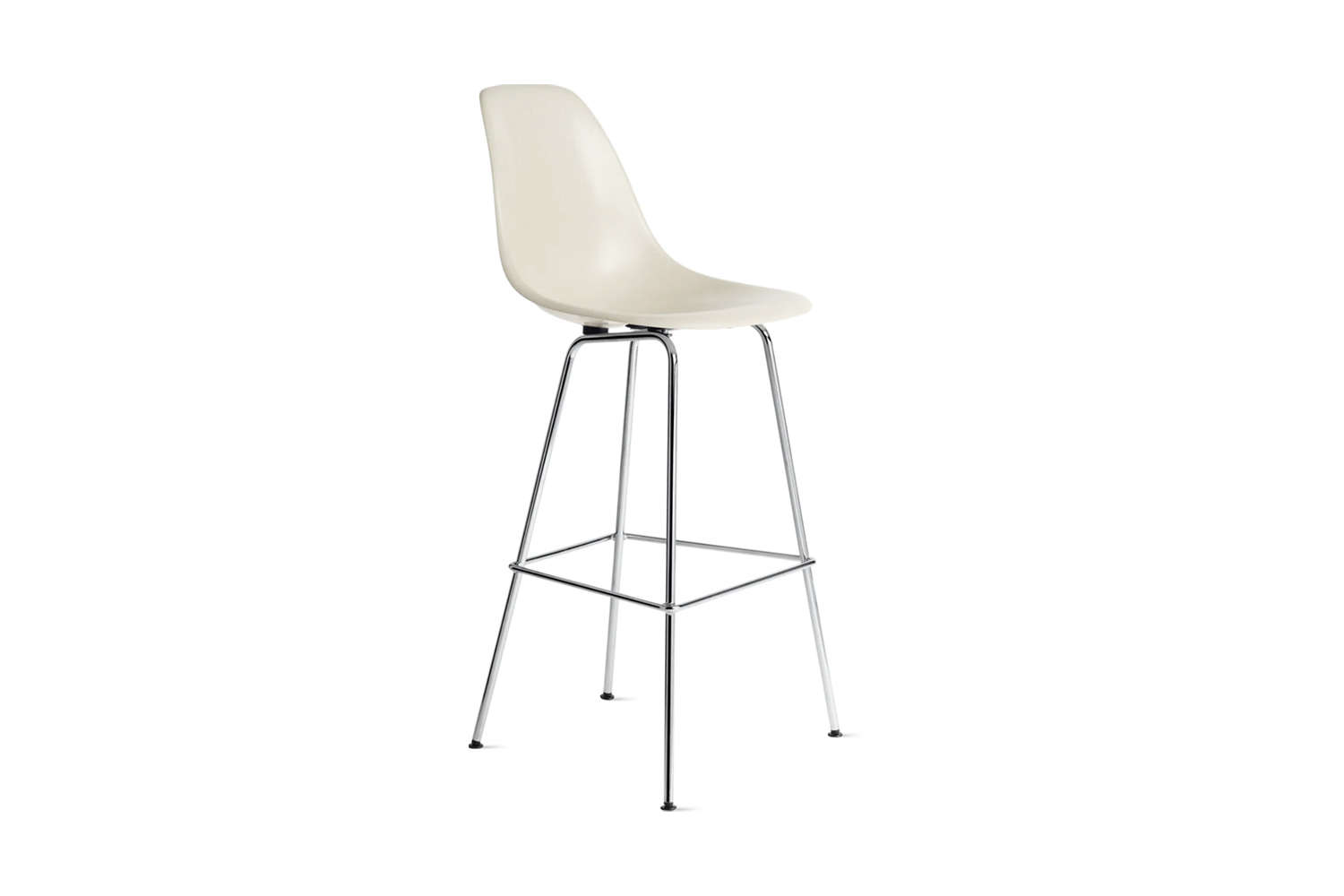
The Eames Molded Fiberglass Stool is part of the legendary Eames “shell” familythose sculptural, one-piece seats that helped define mid-century modern design.
The stool version takes that familiar shell and sets it on a four-leg base designed for counter or bar height surfaces,
which means it’s ready for everything from morning coffee to late-night “I swear I’m only having one more chip” conversations.
What makes the fiberglass version special is the material’s personality. Unlike perfectly uniform plastic, fiberglass has visible fibers and subtle variation.
Translation: each stool has its own “fingerprint,” and it looks like it came from a design studionot a clone factory.
The Backstory: A Classic Shell That Keeps Evolving
Charles and Ray Eames were famously obsessed (in a good way) with iterationreworking a design until it delivered comfort, efficiency, and beauty without drama.
Their molded shell seating first appeared around 1950 and became a modern classic because it solved a simple problem brilliantly: how to make a chair that fits
lots of bodies and lots of rooms without looking boring.
Over time, materials changed as technology and priorities changed. Fiberglass was the original star, later replaced when safety and sustainability concerns became
more prominent. In the 2010s, Herman Miller brought fiberglass back in a safer, more sustainable formulationkeeping the vintage vibe while modernizing the process.
The stool is part of that ongoing “make it better without ruining the magic” story.
Why Fiberglass? Because Texture Is the New Black
If you’ve ever seen a vintage Eames fiberglass shell chair, you know the look: that slightly speckled, striated surface with visible fibers that feels almost organic.
The fiberglass stool intentionally keeps that character. You may notice:
- Subtle surface striations (the famous “fiberglass texture”).
- Tiny surface cavities or faint shadows where the base attachesnormal traits, not defects.
- Light variation in tonebecause fiberglass isn’t interested in being perfectly identical.
In other words: if you want sterile perfection, fiberglass will politely decline. If you want warmth, depth, and a “real object” feel, fiberglass shows up early and stays late.
Counter Height vs. Bar Height: The “Don’t Guess This” Section
Buying the wrong stool height is how perfectly nice people end up perched like a flamingoor wedged under a counter like they’re hiding from the responsibilities of adulthood.
Use the simple rule: aim for about 10–12 inches of space between the seat and the underside of the counter/bar.
Standard Eames Molded Fiberglass Stool Sizes
-
Counter Height: approx. 40½" H overall, with a 26¼" seat height.
Great for most kitchen counters and islands. -
Bar Height: approx. 45¼" H overall, with a 31½" seat height.
Best for taller bar surfaces and pub-height setups. - Footprint: about 18¾" W and 21½" Dsubstantial enough to feel stable, not bulky enough to overwhelm.
Quick Fit Examples
- 36" counter (common kitchen height): a seat around 24–27" is typically comfortable → the counter-height Eames stool fits nicely.
- 42" bar (typical bar height): a seat around 28–33" is usually right → the bar-height Eames stool is the better match.
Pro tip: If your counter has a thick top or an apron that reduces knee clearance, measure the undersidenot just the top. Knees are surprisingly honest critics.
Materials and Build: What You’re Actually Paying For
The Eames Molded Fiberglass Stool isn’t just “a cool shell on legs.” It’s a carefully engineered stack of details that affect comfort, durability, and daily usability.
The Shell
The shell is an eco-fiberglass molded form designed to keep the classic texture while improving manufacturing safety. The front edge has a
waterfall profilea fancy way of saying it reduces pressure on the backs of your thighs during longer sits (like when “quick coffee” turns into “accidentally answered 37 emails”).
The Base
The stool uses a chromed or powder-coated steel four-leg base that references the original Eames four-leg chair base. It includes leveling floor glides,
which matters more than you think if your floor is even slightly uneven (so: most floors).
Upholstery Options
You can keep it pure fiberglass, add an upholstered seat pad, or go fully upholstered. The best choice depends on how you’ll use it:
- Nonupholstered: maximum texture and iconic look; easiest for quick wipe-downs.
- Seat pad: a comfort upgrade while keeping most of the fiberglass visible (a popular “best of both worlds”).
- Fully upholstered: warm, lounge-like feelgreat for longer sitting sessions and softer interiors.
Where This Stool Works Best (and Where It’s Just “Okay”)
Perfect Matches
- Kitchen islands: adds instant mid-century credibility without trying too hard.
- Home bars: the bar-height version feels like a design-forward “third place.”
- Open-plan kitchens: the sculptural silhouette looks good from every angleimportant when your stool is visible from 12 different sightlines.
- Creative studios: it reads as serious design, not “I bought whatever was on sale.”
Not-So-Perfect Matches (But Still Possible)
- Super tight spaces: the stool is stable and substantial; if you need ultra-slim stools that tuck completely out of sight, measure carefully.
- Very formal dining: it can work, but it’s more “smart casual with great taste” than “black-tie dining room.”
Styling Tips: Make It Look Intentional (Not Like You Panic-Bought Stools)
Color Strategy That Rarely Fails
- Match the undertones: warm woods love warm shell colors; cool stones pair beautifully with grays, whites, and deeper tones.
- Repeat one color twice: if your stool shell color shows up elsewhere (a vase, a rug detail, a piece of art), it looks curated instead of random.
- Mixing shells? Keep bases consistent so the mix feels designed rather than accidental.
How Many Stools Should You Use?
A common comfort guideline is giving each person enough elbow roomoften around 24 inches per stool at a counter, depending on stool width and how
friendly your household is before coffee. Leave a little breathing room so people can sit without bumping shoulders like it’s a subway at rush hour.
Authenticity: How to Avoid Buying “Eames-ish” by Accident
The Eames name gets copied constantly. If you want the real thing, buy from authorized sellers and look for the details that come with authentic production.
Official retail listings commonly note that it’s an authentic Herman Miller Eames Stool and may include an authenticity certificate.
If you’re shopping vintage, be extra careful: condition varies wildly, and “vintage fiberglass” can mean everything from “gorgeous patina” to “this survived three dorms and a garage band.”
Authentic vintage shells may have wear that’s charmingbut you should price that reality in.
Care and Maintenance: Keep the Texture, Lose the Grime
Fiberglass is durable, but it doesn’t want harsh treatment. For everyday cleaning:
- Use a soft cloth with mild detergent and warm water, then rinse and dry with a clean soft cloth.
- For scuffs or stubborn dirt, use a soft bristle brush with detergent and warm water (gentle, not “power-scrub like you’re detailing a boat”).
- Avoid solvents and abrasive kitchen cleanersthey can damage the finish.
For bases, the same mild approach works well. If your stool has a wood or upholstered component, follow the care guidance for that specific material and clean spills promptly.
Sustainability and Indoor Air: The Modern Upgrade Behind the Vintage Look
One reason the fiberglass story matters is that manufacturing changed. The newer fiberglass formulation and process are designed to reduce worker exposure and emissions,
while maintaining the visual qualities people love. Some official retail listings also highlight Indoor Advantage Gold certification, which focuses on
meeting strict chemical emission limits for VOCs to support healthier indoor environments.
If sustainability is a major priority for your home, it’s also worth knowing the broader Eames shell ecosystem includes other material options (like recycled plastic in some models),
so you can choose the look and impact profile that fits your values and your space.
FAQ: Quick Answers for the “Just Tell Me” Crowd
Is the fiberglass stool comfortable without upholstery?
For quick meals and casual hangouts, yesespecially because of the waterfall edge and ergonomic shell shape. If you plan to linger (or work at the counter),
a seat pad or full upholstery is a noticeable comfort upgrade.
Will every stool look exactly the same?
Nopeand that’s the point. Fiberglass shells naturally show variation: striations, subtle color shifts, and small surface traits that make each one unique.
Does it come assembled?
Many official listings state the stool arrives fully assembled, which is great news for anyone who has ever lost a screw and a sense of self in the same afternoon.
Counter height or bar heightwhich should I choose?
Measure your surface height and aim for 10–12 inches of legroom. Most kitchens are counter height; many home bars are bar height. When in doubt, measure twice,
because returning large furniture is a cardio workout you didn’t ask for.
Real-World Experiences: What Living With an Eames Molded Fiberglass Stool Feels Like (500+ Words)
People often expect a design icon to behave like a museum piecebeautiful, delicate, and constantly judging you. The surprisingly fun part about the
Eames Molded Fiberglass Stool is how normal it becomes in daily life… while still looking like you have your act together.
The first thing many owners notice is the texture. In daylight, the fiberglass striations show up like a subtle fabricalmost like the stool is wearing a
tailored jacket. At night, under warmer lighting, it can look deeper and richer, especially in darker shell colors. This is the kind of detail that makes people
run their hand over the seat absentmindedly while talking. (Design objects that invite a casual touch are usually the ones you keep for decades.)
In a kitchen, the stool quickly becomes a “magnet seat.” Someone sits down for coffee, then stays to scroll, then suddenly you’re hosting an impromptu meeting
about dinner plans, weekend schedules, and whether the dog deserves a fourth treat. The shell shape supports your back more than many people expect from a stool,
and the waterfall front edge helps when you’re perched longer than planned.
Another common experience: the stool makes your entire counter area feel more intentional. Even if the rest of the kitchen is “functional chaos” (hello, mail pile),
the silhouette reads as clean and composed. That’s why designers love it in open-plan spacesyour stools become part of the room’s visual architecture, not just seating.
On the practical side, the fiberglass surface is fairly forgiving for everyday living. Spills happen. Crumbs happen. Life happens. Most routine messes come off with mild
soap and water and a soft cloth. People with kids tend to appreciate that you don’t have to baby the stool the way you might with a light fabric seat.
If you choose an upholstered option, the experience shifts: it feels softer and warmer, and people often linger longergreat for entertaining, less great if you’re trying
to get anyone to clear the dishes.
One small but real “owner moment” is learning the value of leveling glides. Many homes have slightly uneven floors, and nothing ruins a design moment
faster than a wobble that makes your drink do a tiny panic dance. The adjustable glides help dial in stability, and once you’ve fixed the wobble, you’ll wonder how you
ever tolerated wobbly furniture before.
Over time, owners also notice that fiberglass ages differently than many plastics. It tends to keep its character, and those subtle variations that looked “new” at first
start to feel like the stool’s personality. The experience becomes less about owning a famous design and more about owning a genuinely useful object that looks good
from every angle. Which, honestly, is the best kind of iconic.