Thai fried fish is the kind of dish that makes the dinner table suddenly feel like a vacation. One minute you are standing in your kitchen wondering what to do with a humble fish fillet, and the next minute you are drizzling a glossy, garlicky, sweet-tangy chili sauce over crispy golden fish like you own a very tiny beachside restaurant. The good news? You do not need chef-level knife skills, a restaurant fryer, or a passport stamp to make an easy and fantastic Thai fried fish recipe at home.
This recipe is inspired by classic Thai fried fish preparations such as pla rad prik, a beloved dish often made with whole fried fish and a bold chili-tamarind sauce. For home cooks in the United States, this version keeps the spirit of the dish while making it practical: you can use whole fish, fish steaks, or easy-to-handle fillets such as snapper, tilapia, cod, trout, barramundi, or catfish. The result is crispy fish with a sauce that hits every important Thai flavor note: salty, sweet, sour, spicy, and deeply savory.
And yes, this recipe is easy. Not “open three tabs, panic, and order pizza” easy, but truly weeknight-friendly easy. The secret is drying the fish well, using a light starch coating, keeping the oil hot, and building a quick sauce with garlic, chili, tamarind, fish sauce, lime, and sugar. That is where the magic lives.
Why This Thai Fried Fish Recipe Works
The best Thai fried fish has contrast. The fish should be crisp outside and moist inside. The sauce should be bold but not bossy. The garnish should add freshness, crunch, and color. This recipe checks all those boxes without making you feel like you accidentally enrolled in culinary school.
Thai cooking often depends on balance. Fish sauce brings savory saltiness. Tamarind gives the sauce a fruity tang. Palm sugar or brown sugar rounds the edges. Lime juice brightens everything. Garlic and chilies add fragrance and heat. When these ingredients simmer together, they create a sticky, shiny sauce that clings beautifully to fried fish.
The coating is intentionally simple. Instead of a heavy batter, this recipe uses cornstarch or rice flour to create a delicate crunch. That lighter coating allows the fish flavor to shine through while still giving you the crispy bite everyone fights over. If you have ever watched someone quietly steal the crispiest corner of fried fish from a serving platter, you already understand the power of texture.
Ingredients for Easy Thai Fried Fish
For the Fish
- 1 1/2 pounds firm white fish fillets, fish steaks, or 1 cleaned whole fish
- 1 teaspoon kosher salt
- 1/2 teaspoon white pepper or black pepper
- 1/2 teaspoon garlic powder
- 1/2 cup cornstarch, rice flour, or a mix of both
- Neutral oil for frying, such as canola, peanut, vegetable, or grapeseed oil
For the Thai Chili Tamarind Sauce
- 2 tablespoons neutral oil
- 5 cloves garlic, finely minced
- 1 small shallot, finely minced
- 1 to 3 Thai chilies, minced, or 1 tablespoon sambal oelek
- 3 tablespoons tamarind paste or tamarind concentrate
- 2 tablespoons fish sauce
- 2 tablespoons palm sugar or light brown sugar
- 1 tablespoon lime juice
- 2 to 4 tablespoons water, as needed
- Optional: 1 teaspoon grated ginger
For Garnish
- Fresh cilantro leaves
- Thinly sliced scallions
- Thinly sliced red chili
- Crispy fried garlic or shallots
- Lime wedges
- Steamed jasmine rice for serving
Best Fish to Use for Thai Fried Fish
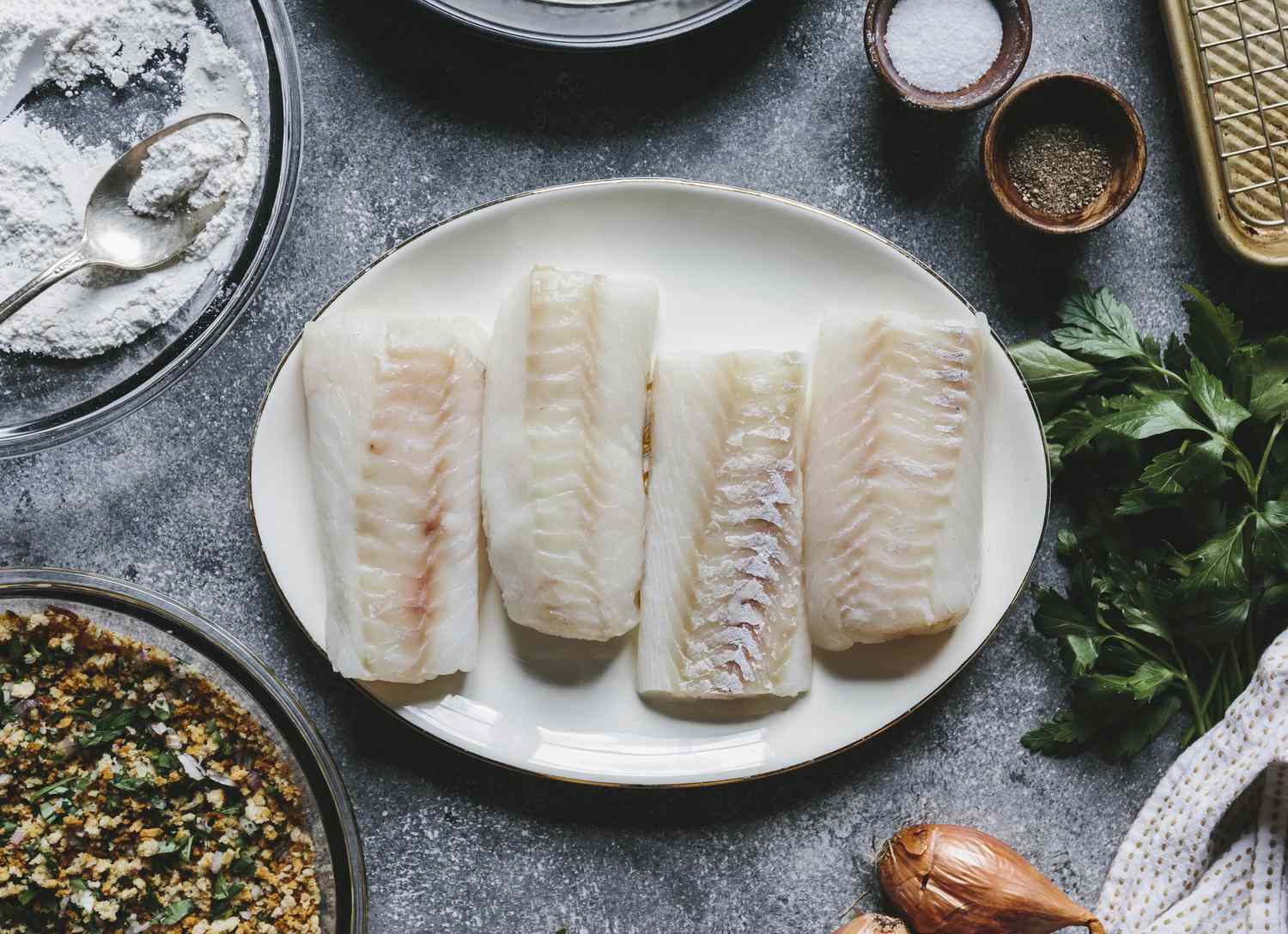
The easiest fish for this recipe is a firm white fish fillet. Tilapia is affordable and widely available. Snapper has a clean, slightly sweet flavor that works beautifully with Thai sauce. Cod is mild and flaky, though it needs gentle handling. Catfish brings a richer Southern-style comfort-food personality, which is not traditional Thai, but absolutely delicious. Trout is excellent if you like crispy skin and tender flesh.
If you want a more dramatic presentation, use a whole fish. A cleaned whole snapper, branzino, trout, or sea bass makes a spectacular centerpiece. Score the fish on both sides so the seasoning penetrates and the fish cooks evenly. Whole fish also gives you crispy fins, crunchy edges, and that “look what I made!” energy that impresses guests even before they take a bite.
For beginners, fillets are the safest bet. They cook quickly, fit in a standard skillet, and are easier to flip. Nobody gives you a trophy for wrestling a whole fish into a small frying pan. Start with fillets, build confidence, then graduate to the full fish showstopper when ready.
How to Make Thai Fried Fish Step by Step
Step 1: Dry and Season the Fish
Pat the fish very dry with paper towels. This step is not glamorous, but it is essential. Moisture is the enemy of crispiness. If the fish goes into hot oil while wet, it will steam before it fries, and the crust may turn soft. Dry fish gives you a better golden crust and less splattering.
Season both sides with salt, pepper, and garlic powder. If using whole fish, season inside the cavity as well. Let the fish rest for 10 minutes while you prepare the sauce ingredients. This short rest helps the seasoning settle in without drawing out too much moisture.
Step 2: Make the Thai Chili Tamarind Sauce
Heat 2 tablespoons of oil in a small saucepan over medium heat. Add the minced garlic and shallot. Cook for 1 to 2 minutes, stirring often, until fragrant. Do not let the garlic burn unless you enjoy sauce with the emotional depth of regret.
Add the chilies or sambal oelek and stir for another 30 seconds. Then add tamarind paste, fish sauce, sugar, lime juice, and 2 tablespoons of water. Simmer for 3 to 5 minutes until the sauce becomes glossy and slightly thickened. Taste and adjust. If it is too sharp, add a little more sugar. If it is too sweet, add more lime juice or tamarind. If it tastes flat, add a few drops of fish sauce. If it makes your eyebrows rise in a good way, you nailed it.
Step 3: Coat the Fish Lightly
Place cornstarch or rice flour in a shallow dish. Dredge the fish lightly, shaking off excess. You want a thin, even coating, not a snowstorm. A light coating fries up crisp and delicate, while too much starch can turn gummy or dusty.
If using fish fillets with skin, coat both sides but pay extra attention to the skin side. Crispy fish skin is one of life’s small luxuries, right up there with finding extra fries at the bottom of the takeout bag.
Step 4: Fry Until Golden and Crisp
Pour oil into a heavy skillet or wok to a depth of about 1/2 inch for shallow frying. Heat the oil to about 350°F. If you do not have a thermometer, test by dropping in a tiny pinch of starch; it should sizzle immediately but not burn instantly.
Carefully add the fish. Do not overcrowd the pan. Fry fillets for about 3 to 5 minutes per side, depending on thickness. Whole fish may need 6 to 8 minutes per side. The fish should be golden, crisp, and cooked through. For food safety, fish should reach an internal temperature of 145°F, or the flesh should look opaque and flake easily with a fork.
Transfer the fried fish to a wire rack instead of a paper towel-lined plate if possible. A rack helps air circulate so the bottom stays crisp. Paper towels are fine in a pinch, but they can trap steam and soften your beautiful crust. And after all that frying effort, soggy fish is simply rude.
Step 5: Sauce, Garnish, and Serve
Place the fried fish on a serving platter. Spoon the warm Thai chili tamarind sauce over the top or serve it on the side if you want maximum crunch. Garnish with cilantro, scallions, sliced chilies, crispy garlic, and lime wedges.
Serve immediately with jasmine rice. The rice catches the sauce, balances the heat, and gives you a reason to chase every last drop around the plate. A cucumber salad, stir-fried greens, or simple cabbage slaw also pairs beautifully with this dish.
Tips for Perfect Crispy Thai Fried Fish
Keep the Fish Dry
Dry fish browns better. Pat it dry before seasoning and again before coating if needed. This one habit makes a major difference in the final texture.
Use a Light Starch Coating
Cornstarch and rice flour both create a crisp finish. Cornstarch gives a delicate crunch, while rice flour makes the crust extra light. A half-and-half mix is excellent if you have both.
Control the Oil Temperature
If the oil is too cool, the fish absorbs oil and becomes heavy. If it is too hot, the coating browns before the fish cooks inside. Around 350°F is the sweet spot for most fried fish recipes.
Do Not Overcrowd the Pan
Adding too much fish at once drops the oil temperature. Fry in batches if needed. Your patience will be rewarded with crunch, and crunch is basically applause you can eat.
Sauce Right Before Serving
If you pour sauce over the fish too early, the crust will soften. For the crispiest result, drizzle the sauce at the table or serve it on the side.
Flavor Variations
Thai Garlic Fried Fish
Skip the tamarind sauce and top the fish with lots of crispy fried garlic. Serve with a dipping sauce made from fish sauce, lime juice, minced chilies, garlic, and a pinch of sugar. This version is bold, clean, and wonderfully aromatic.
Sweet Chili Thai Fried Fish
For a shortcut sauce, combine Thai sweet chili sauce with lime juice, fish sauce, and a spoonful of chopped garlic. Simmer for 2 minutes and spoon over the fish. It is not as complex as homemade tamarind sauce, but it is quick and crowd-friendly.
Extra Spicy Thai Fried Fish
Add more Thai chilies, a spoonful of chili garlic paste, or a pinch of crushed red pepper. Balance the heat with extra lime and sugar so the sauce stays flavorful instead of just fiery.
Herby Thai Fried Fish
Add fresh mint, Thai basil, cilantro, and thinly sliced red onion on top. This gives the dish a bright, salad-like finish that works especially well in warm weather.
What to Serve with Thai Fried Fish
Jasmine rice is the classic partner. It is fragrant, fluffy, and perfect for soaking up sauce. Coconut rice is another excellent option if you want a slightly richer plate. For vegetables, try stir-fried bok choy, cucumber salad, green papaya-style slaw, steamed broccoli, or quick sautéed cabbage with garlic.
If you are building a full Thai-inspired meal, serve this easy Thai fried fish with tom yum soup, Thai cucumber salad, mango salad, or stir-fried morning glory if you can find it. For drinks, iced tea, sparkling lime water, or a cold lager all work well. The dish is bold, so refreshing sides and drinks are your best friends.
How to Store and Reheat Leftovers
Thai fried fish tastes best fresh, but leftovers can still be delicious. Store the fish and sauce separately in airtight containers in the refrigerator for up to 2 days. Keeping the sauce separate helps preserve the crust.
To reheat, use an oven or air fryer at 350°F until the fish is warmed through and crisp again. Avoid microwaving if possible. The microwave turns crispy fish into soft fish with memories of better days. If you must use it, reheat gently and accept that the texture will be different.
Common Mistakes to Avoid
Using Wet Fish
Wet fish splatters and resists browning. Always pat it dry thoroughly before coating.
Skipping the Taste Test
Thai sauce should be balanced. Taste before serving and adjust the sweet, sour, salty, and spicy elements.
Pouring Too Much Sauce Too Soon
A heavy sauce bath can soften the crust. Drizzle lightly or serve the sauce alongside the fish.
Choosing Fish That Is Too Delicate
Very thin or fragile fillets can break apart. Choose firm fish, and flip gently with a wide spatula.
Easy and Fantastic Thai Fried Fish Recipe Card
Prep Time
15 minutes
Cook Time
20 minutes
Total Time
35 minutes
Servings
4 servings
Instructions
- Pat fish dry and season with salt, pepper, and garlic powder.
- Make the sauce by sautéing garlic, shallot, and chilies in oil. Add tamarind, fish sauce, sugar, lime juice, and water. Simmer until glossy.
- Lightly dredge fish in cornstarch or rice flour and shake off excess.
- Heat oil to about 350°F in a heavy skillet or wok.
- Fry fish until golden, crisp, and cooked through to 145°F.
- Drain on a wire rack, drizzle with sauce, garnish, and serve immediately with jasmine rice.
Experience Notes: Making Thai Fried Fish at Home
The first time you make Thai fried fish at home, you may feel a tiny bit suspicious. The ingredient list is simple, the sauce comes together quickly, and the fish cooks fast. Surely something this flavorful should require more drama, right? But that is part of the charm. Thai fried fish is not difficult; it is decisive. Hot oil, dry fish, bold sauce, fresh garnish. That is the whole performance.
One useful experience is to prepare everything before turning on the stove. Mince the garlic, measure the tamarind, slice the chilies, chop the cilantro, and set out the serving platter. Fried fish moves quickly, and the kitchen can become chaotic if you are searching for fish sauce while the garlic is browning. Garlic waits for no one. It goes from fragrant to bitter faster than a toddler changes opinions about lunch.
Another helpful habit is learning how your pan behaves. A heavy cast-iron skillet holds heat well, but it can take longer to adjust if the oil gets too hot. A wok makes frying easier because its sloped sides help manage oil and splatter. A Dutch oven works well for deeper frying because the tall sides contain mess. Whatever you use, do not fill it too high with oil. Safe frying is confident frying, and confident frying does not include oil trying to escape the pan.
When testing doneness, look for several signs. The coating should be golden and crisp. The fish should feel firm but not hard. The flesh should flake easily. If using a thermometer, check the thickest part. With thin fillets, cooking may take only a few minutes. With whole fish, the area near the backbone takes longer. Let the fish rest briefly on a rack before saucing so steam can escape and the crust can settle.
The sauce is where personal taste shines. Some people love a very sour tamarind-forward sauce. Others prefer a sweeter, stickier glaze. Heat lovers can add more Thai chilies, while mild eaters can use a little sweet chili sauce and just a pinch of fresh chili. The best version is the one that makes you keep dipping your spoon back into the pan “just to check.” Very scientific. Extremely necessary.
For serving, do not underestimate the power of garnish. Cilantro, scallions, lime, and crispy garlic make the fish taste brighter and look restaurant-worthy. A platter of Thai fried fish in the center of the table feels generous and fun. It invites everyone to dig in, pass rice, argue gently over the crispiest piece, and pretend they were not eyeing it from the beginning.
Most importantly, Thai fried fish teaches a great cooking lesson: simple ingredients can become spectacular when texture and balance work together. Crispy fish alone is good. A sweet, sour, salty, spicy sauce alone is good. Put them together, and suddenly dinner has personality. It is crunchy, saucy, bright, and just messy enough to feel exciting. That is the kind of recipe worth keeping.
Conclusion
This easy and fantastic Thai fried fish recipe brings restaurant-style flavor into your home kitchen without complicated steps. With a crisp starch coating, a quick chili tamarind sauce, and fresh herbs, you get a dish that feels bold, balanced, and deeply satisfying. The method works with fillets or whole fish, making it flexible for weeknight dinners, weekend meals, or impressing guests who thought you were “just making fish.” Serve it hot with jasmine rice, keep the sauce bright, and do not be surprised if this becomes your new favorite way to fry fish.