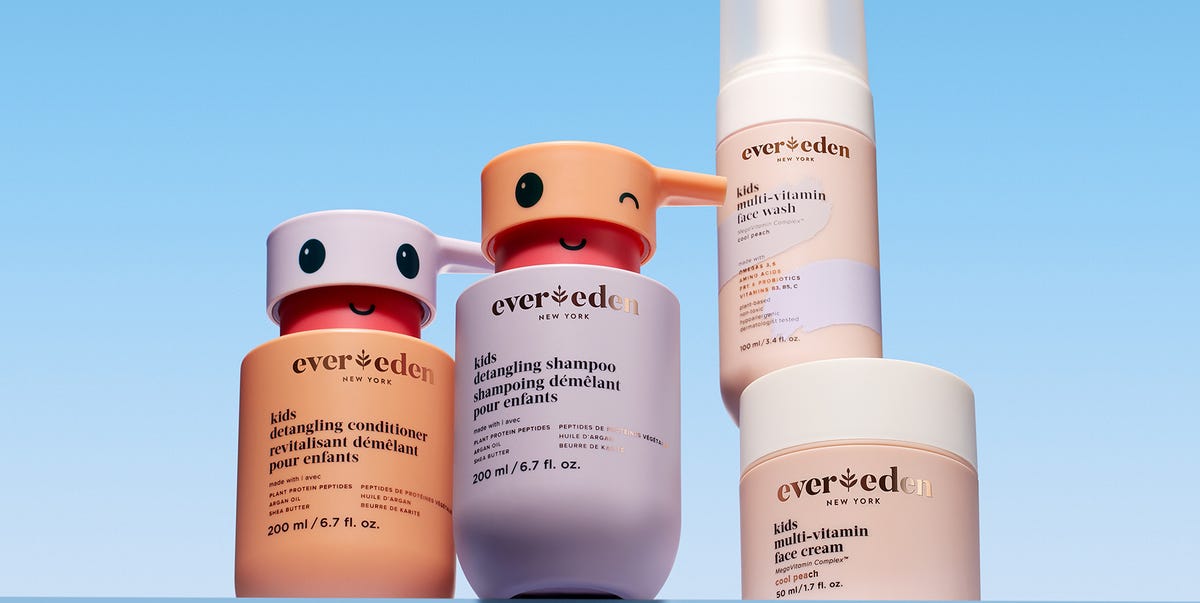
Gen Alpha has discovered skincare, and the beauty aisle may never be the same. One minute, parents were buying tear-free shampoo and cartoon toothbrushes. The next, their tweens were asking whether their skin barrier needed support, whether niacinamide was “worth it,” and whether a $90 serum belonged next to the math homework. Welcome to modern childhood, where “get ready with me” videos compete with bedtime stories, and the family bathroom counter looks suspiciously like a mini Sephora.
In the middle of this fizzy, filtered, occasionally chaotic skincare moment stands Evereden, a brand built around a simple but timely idea: kids and teens may want skincare, but they do not need adult skincare in tiny packaging. They need age-appropriate formulas, simple routines, parent-approved safety, and enough fun to make face washing feel less like a chore assigned by the Council of Boring Adults.
Evereden’s rise says a lot about where beauty is heading. Gen Alpha, generally understood as the cohort born from the early 2010s onward, is growing up with TikTok tutorials, beauty hauls, ingredient explainers, and an unusually sophisticated vocabulary for people who may still lose a retainer in a lunch tray. This generation is curious, expressive, digital-first, and highly opinionated. Evereden appears ready to meet them therebut with guardrails.
Why Gen Alpha Skincare Became a Big Conversation
The Gen Alpha skincare craze did not come from nowhere. Children have always experimented with beauty: lip balm, glitter, nail polish, scented lotion, bubble bath, and the mysterious childhood urge to put every product in the house into one “spa potion.” What changed is visibility. A private bathroom routine is now public content. A sleepover face mask moment can become a short-form video. A tween who once learned skincare from an older sibling now learns it from influencers, brand ads, celebrities, and algorithm-fed routines.
That shift has created two opposite reactions. On one side, some adults worry that kids are being pushed too early into appearance anxiety, adult beauty standards, and unnecessary consumerism. On the other side, many parents recognize that skincare can be a healthy self-care habit when it focuses on hygiene, sun protection, comfort, and confidence rather than anti-aging fantasies. The truth sits somewhere in the middle, probably wearing a sheet mask and asking for Wi-Fi.
The concern is not that a 12-year-old wants a cleanser. A gentle cleanser, moisturizer, and sunscreen can be perfectly reasonable. The concern is that many viral routines are too complicated, too expensive, and too active-ingredient-heavy for young skin. Dermatology and pediatric guidance repeatedly points toward simplicity: wash gently, moisturize when needed, wear sunscreen, and treat acne or irritation with professional advice instead of copying a creator with studio lighting and a ring light the size of a spaceship.
Evereden’s Position: Make Skincare for the Age, Not the Algorithm
Evereden’s appeal comes from its positioning. The brand is not trying to pretend Gen Alpha is uninterested in skincare. That ship has sailed, docked, filmed a haul video, and posted a discount code. Instead, Evereden is trying to redirect that interest toward products created specifically for babies, kids, tweens, teens, and families.
The brand describes its products as dermatologist-tested, gentle, non-toxic, and made for young and sensitive skin. Its site separates offerings by age and need, including kids’ skincare for ages 3+, teen skincare for ages 11+, haircare, suncare, and family-friendly routines. That segmentation matters because a 7-year-old’s playful lip oil moment is not the same as a 16-year-old managing breakouts before school photos. One needs fun and hydration; the other may need oil control, barrier support, and a realistic acne routine.
Evereden’s “Moms in Medicine” positioning also gives the brand a specific trust signal. The idea is not simply “cute packaging for kids.” It is “formulated with medical-minded parents who understand skin and family life.” That distinction is central to the brand’s message. Parents do not just want products their kids like. They want products that do not make them wake up at 2 a.m. wondering, “Did I accidentally buy my child an exfoliating acid buffet?”
From Baby Cream to Teen Cleanser: Growing Up With the Customer
One reason Evereden fits this moment is that it was not born as a teen trend chaser. The brand first built credibility with baby and family skincare, then expanded into kids’ skincare, kids’ haircare, playful kid-safe beauty products, and teen-focused formulas. That “growing up with the customer” strategy is smart. Parents who used a baby face cream years ago may be more open to buying a tween cleanser now. Kids who associate the brand with fun textures and friendly packaging may be less tempted by products designed for adult concerns.
Evereden’s teen skincare line shows this evolution clearly. Its teen collection includes a balancing cleanser, clarifying toner pads, and a lightweight gel-cream moisturizer. The Clear Skin Trio is aimed at tweens and teens, with ingredients such as mandelic acid, niacinamide, and squalane highlighted for clarifying, calming, and hydrating transitioning skin. The brand also presents a two-step option for teens who need an easier routine. That matters because the best skincare routine is not the most elaborate oneit is the one a real teenager will actually do before collapsing into bed with one sock on.
There is a strategic lesson here for beauty brands: Gen Alpha does not necessarily want babyish products, but parents do not want adult-strength formulas being marketed as childhood essentials. Evereden’s task is to make products feel mature enough for kids who want independence and safe enough for parents who still read ingredient lists with detective-level intensity.
The Dermatology Reality: Young Skin Does Not Need a 10-Step Routine
Young skin is not just smaller adult skin. Children and teens may have sensitive skin, changing oil production, acne, eczema, dryness, irritation, or early body odor and scalp concerns. Puberty changes the skin’s behavior, but that does not mean every teen needs retinol, strong exfoliating acids, vitamin C serums, peeling masks, and mystery jars that promise “glass skin by Tuesday.”
For most tweens, a basic skincare routine should look refreshingly boring: a gentle cleanser, moisturizer if the skin feels dry, and broad-spectrum sunscreen in the morning. Teens with acne may benefit from ingredients such as salicylic acid, benzoyl peroxide, or retinoids, but those should be chosen carefully based on skin type, severity, and ideally professional guidance. The goal is skin health, not product collecting as an extracurricular activity.
Overuse is where the trouble begins. Too many active ingredients can irritate the skin barrier, causing redness, burning, dryness, peeling, or breakouts that look like acne but are actually the skin waving a tiny white flag. Fragrance, harsh scrubs, exfoliating acids, and adult anti-aging products can be especially risky for kids and tweens. A child who wants to feel grown-up should not have to learn the meaning of “contact dermatitis” the hard way.
What Evereden Gets Right About the Gen Alpha Consumer
1. Gen Alpha Wants Ownership
Gen Alpha does not want to be talked down to. This generation has grown up customizing avatars, choosing aesthetics, watching tutorials, and giving feedback in comment sections. Evereden’s bright colors, playful product names, and age-specific categories acknowledge that kids want ownership of their routines. A cleanser that feels like “mine” is more likely to get used than a generic family bottle parked sadly by the sink.
2. Parents Want a Safety Filter
Parents are not only buying a product. They are buying peace of mind. Evereden’s dermatologist-tested messaging, sensitive-skin claims, and simplified routines speak to the parent who wants to say yes to self-care without opening the door to every viral skincare trend. In other words: yes to washing your face, no to borrowing a resurfacing peel from someone old enough to have a mortgage.
3. The Brand Understands the Bathroom-Counter Battle
The best kid and teen skincare products have to survive real life. They need to be easy, sensory-friendly, not too sticky, not too medicinal, not too childish, and not so fancy that nobody wants to use them. Evereden’s fun textures and simple steps help turn skincare into a habit. That is more powerful than a complicated routine that looks good in a video but collapses the moment homework, sports practice, and bedtime arrive.
The Bigger Business Picture: Why Beauty Brands Are Watching Gen Alpha
Gen Alpha has become one of beauty’s most-watched consumer groups because their influence extends beyond their own spending. They influence parent purchases, holiday wish lists, peer trends, and social media conversations. They also form brand attachments early. A tween who trusts a cleanser at age 12 may return for acne products, haircare, sunscreen, body care, or makeup later.
That creates opportunity, but it also creates responsibility. Brands that chase Gen Alpha purely for revenue risk looking exploitative. Brands that ignore the trend may leave kids to experiment with products never intended for them. The most responsible path is education-led beauty: explain what products do, what they do not do, when to keep routines simple, and when to ask a dermatologist.
Evereden’s strongest argument is not “kids need more products.” It is “kids are already interested, so let’s give them safer choices.” That framing matters. It moves the conversation away from panic and toward practical guidance. Gen Alpha is not going to collectively forget skincare exists. The better question is whether the products and messages around them will support healthy habits or feed insecurity.
How Parents Can Approach the Gen Alpha Skincare Craze
Parents do not need to ban skincare to protect kids from skincare culture. In fact, a total ban may only make the forbidden toner pad sparkle more brightly. A better approach is to turn curiosity into education.
Start with the basics. Explain that skin is an organ, not a decoration project. Its job is to protect the body, regulate temperature, and act as a barrier. Skincare should help that barrier, not punish it. A simple morning routine might include rinsing or cleansing, applying moisturizer if needed, and using sunscreen. A simple evening routine might include a gentle cleanser and moisturizer. That is it. No 14-step ceremony. No potion lab. No “anti-aging” anything unless the child is secretly a 43-year-old accountant in disguise.
Next, teach ingredient awareness without making kids afraid of everything. Niacinamide can support the skin barrier. Squalane can help moisturize. Salicylic acid can be useful for acne-prone skin, but not every child needs it. Retinoids may be appropriate for some teens with acne under guidance, but they are not casual starter products for kids. Fragrance may smell fun but can irritate sensitive skin. Sunscreen is non-negotiable because sun protection is one of the most important skin habits a young person can build.
Finally, talk about social media. Help kids understand that filtered skin is not real skin. Pores are normal. Texture is normal. Pimples are common. Skin changes with hormones, weather, stress, sleep, sports, and diet. A routine should make a child feel comfortable, not defective.
Evereden’s Challenge: Staying Helpful Without Over-Medicalizing Childhood
Evereden is in a delicate position. The brand has to validate Gen Alpha’s interest in skincare without making childhood feel like a series of correctable flaws. That is the tightrope every youth beauty brand must walk. Too little sophistication, and kids dismiss the brand as babyish. Too much sophistication, and parents worry the brand is selling adult anxieties to children.
The smartest youth skincare messaging avoids fear. It does not tell a tween they need to fix themselves. It says: your skin is changing, here is how to care for it. It does not promise perfection. It promises comfort, cleanliness, hydration, protection, and confidence. That is a much healthier storyand a more durable brand strategy.
Experience Section: What the Evereden Moment Feels Like in Real Family Life
Picture a typical weeknight. A parent walks past the bathroom and finds a tween standing in front of the mirror, hair clipped back, face damp, speaking softly to an imaginary audience: “First, I’m going in with my cleanser.” There is no camera on. The performance is just part of the ritual now. The parent has two choices: panic, or participate wisely.
The Evereden conversation feels relevant because this is exactly where many families are. Kids are not just asking for toys or snacks anymore. They are asking for skincare products by ingredient, texture, and aesthetic. They want a gel cleanser because it looks cool. They want toner pads because someone online used them. They want lip oil because it feels like makeup but still passes the parent inspection checkpoint. The bathroom counter becomes a negotiation table.
In that moment, a brand like Evereden can act as a bridge. It gives parents a way to say, “Yes, you can have a routine,” while still setting boundaries around what that routine should include. Instead of arguing over adult products, families can build a small, age-appropriate set: cleanser, moisturizer, sunscreen, maybe a gentle acne-support product for older teens who need it. The child gets independence. The parent gets fewer heart palpitations.
There is also something emotionally meaningful about letting kids practice care without turning it into criticism. A tween skincare routine can be a calm bedtime signal. It can be a way for a child to feel organized before school. It can be a shared parent-child moment, like brushing hair or packing a backpack. The problem begins when the routine becomes a performance of flawlessness. That is where adults have to step in and say, “Your skin does not need to be perfect to be cared for.”
Evereden’s best use in real life is not as a status symbol. It is as a tool for habit-building. A cleanser that makes a child want to wash their face after soccer practice is useful. A moisturizer that helps dry cheeks in winter is useful. A sunscreen that gets applied without a daily courtroom drama is practically a household miracle. These are not glamorous wins, but parenting rarely is. Sometimes victory looks like a kid using SPF without being chased down the hallway.
The experience also teaches moderation. Parents can create a “one in, one out” skincare rule. They can ask kids to patch test new products. They can explain why adult anti-aging products are off-limits. They can make skincare about comfort rather than comparison. And they can remind kids that confidence does not come from having the most products; it comes from understanding what their skin actually needs.
That is why Evereden’s readiness to talk about Gen Alpha’s skincare craze matters. The brand is not entering a quiet category. It is stepping into a noisy cultural moment filled with excitement, fear, misinformation, and genuine curiosity. If it keeps the focus on age-appropriate formulas, dermatologist-informed education, and simple routines, Evereden can help turn the Gen Alpha skincare craze from a chaotic trend into a healthier habit.
Conclusion: The Craze Is Real, but It Needs Common Sense
Gen Alpha’s skincare obsession is not disappearing. Beauty has become social, searchable, visual, and deeply woven into youth culture. The question is no longer whether kids will care about skincare. They already do. The question is whether adults and brands can guide that interest toward safe, simple, confidence-building routines.
Evereden is well positioned because it treats young skincare as its own category, not as a miniature version of adult beauty. Its age-specific products, playful design, dermatologist-tested messaging, and focus on growing with families give it a credible role in the conversation. Still, the healthiest message remains beautifully simple: cleanse gently, moisturize when needed, protect with sunscreen, and do not let the algorithm convince a child that normal skin is a problem to solve.
Note: This article is for informational and editorial purposes only. For persistent acne, eczema, irritation, allergic reactions, or painful skin symptoms, parents should consult a board-certified dermatologist or pediatric healthcare professional.