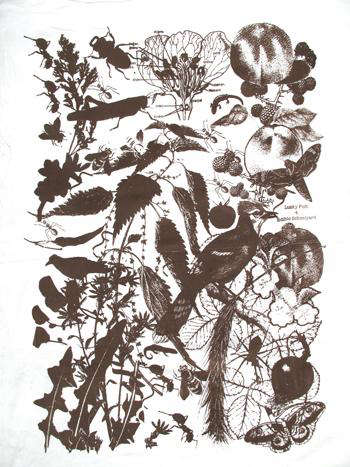
A tea towel may look like the quietest object in the kitchenfolded neatly by the sink, waiting for a splash, a hot tray, or a tomato with commitment issues. But in the world of edible education, this humble rectangle of cotton or linen becomes something bigger. It is a tool, a teaching aid, a reusable alternative to paper waste, a design object, and sometimes even a small fundraiser for a big idea: helping children understand where food comes from and why it matters.
The title Fabrics & Linens: Tea Towels for the Edible Schoolyard brings together two worlds that belong in the same lunchbox: practical kitchen textiles and the school garden movement inspired by Alice Waters and the Edible Schoolyard Project. On one side, there are tea towelssoft, absorbent, washable, cheerful, and endlessly useful. On the other, there are garden classrooms and kitchen lessons where students plant, harvest, cook, taste, clean, share, and learn. Put them together, and suddenly a towel is not just a towel. It is part of the lesson plan.
In this guide, we will explore why tea towels are ideal for school kitchens, what fabrics work best, how they support sustainability, and why beautifully designed towels tied to edible education make thoughtful gifts. We will also look at practical care tips, buying advice, and real-life experiences that show how a simple kitchen linen can help turn cooking from a chore into a community ritual.
What Is the Edible Schoolyardand Why Do Tea Towels Fit So Naturally?
The Edible Schoolyard Project began with a simple but radical idea: children can learn deeply when food is part of their education. Instead of treating lunch as a break from learning, edible education treats gardens, kitchens, cafeterias, and shared meals as living classrooms. Students do not just read about soil, seasons, measurement, culture, nutrition, and ecology. They touch, chop, stir, smell, taste, and clean up afterward. Yes, cleanup is part of the curriculum. The dish towel does not get to retire early.
At its best, an edible schoolyard teaches more than recipes. It teaches stewardship, patience, observation, teamwork, and respect for ingredients. A carrot is no longer a suspicious orange stick on a cafeteria tray; it becomes something a student helped pull from the ground, wash, slice, roast, and serve. That is a very different relationship with food.
Tea towels belong in this world because they are small but constant helpers. They dry washed herbs. They cover rising dough. They line baskets of garden produce. They wrap warm bread. They protect little hands from warm dishes when used safely under supervision. They polish jars, wipe counters, absorb spills, and make a kitchen classroom feel less like a lab and more like a home.
Why Tea Towels Matter in a School Garden Kitchen
In a busy teaching kitchen, everything gets used. The cutting boards work hard. The measuring cups disappear mysteriously. Someone always puts the wooden spoon in the wrong drawer. Meanwhile, tea towels quietly handle one job after another without demanding applause.
They Encourage Reuse Over Waste
One of the easiest sustainability lessons in a kitchen classroom is the difference between single-use and reusable materials. Paper towels are convenient, but a classroom that reaches for paper every five minutes can quickly create a tiny mountain of waste. Reusable tea towels help students see sustainability in action. Wash, dry, reuse. Repeat. It is not glamorous, but neither is compost until you realize it is basically soil magic.
They Support Hands-On Food Education
Tea towels are especially useful in lessons that involve fresh produce. Students can use clean towels to gently dry lettuce, herbs, radishes, carrots, or tomatoes after washing. They can line trays for harvested vegetables, cover bowls, or help present food in a way that feels intentional. When students see their harvest displayed with care, the food earns a little ceremony. Suddenly, parsley is not a garnish; it is the star of a small green parade.
They Make the Kitchen Feel Warm and Human
School kitchens can sometimes feel industrial: stainless steel tables, large sinks, labeled bins, and rules everywhere. Tea towels soften the space. A botanical print, a cheerful stripe, or a hand-printed flour sack towel adds personality. In an edible schoolyard, design matters because atmosphere shapes behavior. A beautiful towel can send a subtle message: this food, this place, and this work deserve care.
Tea Towel vs. Dish Towel: Is There a Difference?
The terms are often used interchangeably, but traditionally a tea towel is a flat-woven cloth, usually made from cotton, linen, or a blend. It is smoother than a terry dish towel and tends to produce less lint. Dish towels may include terry loops, thicker weaves, or heavier textures designed for drying hands and absorbing bigger spills.
For school garden kitchens, both types can be useful. Tea towels are best for drying produce, covering food, wrapping bread, lining baskets, and polishing clean dishes. Thicker dish towels or bar mops are better for wet counters, hand drying, and larger spills. The smartest classroom setup uses both, preferably color-coded so no one dries lettuce with the towel that just wiped the floor. That is not farm-to-table; that is floor-to-table, and nobody wants that.
Best Fabrics for Edible Schoolyard Tea Towels
Fabric choice matters. A towel that looks charming but performs like a decorative napkin at a spaghetti disaster is not ideal. The best tea towels for an edible schoolyard balance absorbency, durability, easy laundering, and safe, practical use.
Cotton Tea Towels
Cotton is the reliable friend of kitchen textiles. It is absorbent, washable, widely available, and affordable enough for classrooms that need towels in quantity. Cotton tea towels become softer with use and can handle regular laundering. For school settings, cotton is often the most practical choice because it offers good performance without requiring delicate care.
Flour sack cotton is especially popular. It is lightweight, smooth, and highly versatile. It can dry produce, cover bowls, wrap bread, and fold easily into drawers or baskets. Its simple surface also makes it ideal for printed designs, including vegetable illustrations, garden motifs, school logos, or fundraising artwork.
Linen Tea Towels
Linen has a long-standing reputation for strength, quick drying, and low lint. It softens over time and can feel crisp, elegant, and old-world in the best possible way. Linen tea towels are excellent for glassware, serving, and display, but they are often more expensive than cotton. In a classroom, linen may be best reserved for special uses, events, demonstrations, or fundraising products rather than everyday cleanup duty.
Cotton-Linen Blends
A cotton-linen blend offers a nice middle ground. Cotton adds softness and absorbency, while linen adds durability and quick-drying texture. These blends can be excellent for edible schoolyard tea towels that need to look good, work hard, and survive frequent washing without becoming sad little rags by winter break.
Waffle Weave Towels
Waffle weave towels have a textured surface that increases absorbency and helps air circulate. They can dry quickly and feel satisfyingly practical. For a teaching kitchen, waffle towels are great for hand drying and light cleanup, though they may not be as smooth for wrapping delicate herbs or covering dough.
Design: Why Botanical Prints Make Sense
Tea towels connected to the Edible Schoolyard often feature garden-inspired artwork: carrots, beets, herbs, tomatoes, flowers, insects, vines, or seed patterns. This is not just decoration. Botanical prints reinforce the purpose of the program. They remind students and adults that food begins in soil, not in plastic packaging under fluorescent lights.
Design can also make a towel more giftable. A beautifully printed tea towel can live in a home kitchen, hang on an oven handle, wrap a loaf of bread, or become part of a holiday basket. When proceeds support edible education, the towel becomes a conversation starter. Someone asks, “Where did you get that?” and suddenly you are talking about school gardens, food literacy, and why children should know that basil is not born in a clamshell container.
Tea Towels as Fundraising Products
Tea towels are excellent fundraising items because they are useful, lightweight, easy to ship, and naturally connected to cooking. Unlike novelty gifts that end up in the drawer of forgotten intentions, a good tea towel earns its keep. It can be used daily, displayed proudly, and replaced or collected over time.
For schools, nonprofits, and garden programs, custom tea towels can feature student drawings, seasonal produce, recipe snippets, garden maps, or class harvest themes. A towel printed with children’s illustrations of radishes and sunflowers may not have museum-level precision, but it has something better: charm with muddy boots on.
When designing a fundraising tea towel, keep the layout simple. One strong illustration or a clean repeat pattern often works better than a crowded collage. Choose washable inks, durable fabric, and colors that fit the garden theme. Earthy greens, tomato reds, carrot oranges, beet purples, and warm neutrals all feel at home in an edible schoolyard palette.
How Tea Towels Support Food Safety Lessons
Reusable towels are wonderful, but they also require good habits. In a school kitchen, tea towels should be part of the food safety conversation. Students need to learn that towels used for clean dishes or produce should not be used for raw meat juices, dirty counters, hands, or mystery puddles. A towel’s job should be clear.
Color-coding helps. For example, green towels can be used for washed produce, white towels for clean dishes, and darker towels for counter cleanup. Used towels should go straight into a laundry bin, not back onto the table for a second career. Towels should be washed regularly in hot water and dried thoroughly before reuse.
This may sound basic, but it is exactly the kind of everyday skill edible education can teach well. Food safety is not just a rule on a poster. It is a habit built through repetition: wash hands, use clean tools, separate tasks, clean surfaces, and respect the towel hierarchy. In the kitchen kingdom, not all towels wear the same crown.
Buying Guide: What to Look for in Tea Towels for a School Kitchen
Whether you are buying for a home, a classroom, a nonprofit store, or a school garden fundraiser, a good tea towel should be more than pretty. Here are the features that matter most.
1. Absorbency
A tea towel should actually dry things. This sounds obvious until you meet a towel that mostly moves water around like a tiny, judgmental mop. Cotton, flour sack cotton, linen, and waffle weave fabrics are usually strong choices.
2. Durability
School kitchens are not gentle environments. Towels may be washed often, folded by enthusiastic children, used during busy harvest days, and occasionally dropped into places no towel dreams of visiting. Choose fabric that can handle repeated laundering.
3. Size
A generous towel is more versatile. Common kitchen towel sizes often fall around 18 by 28 inches or larger. Big towels can cover bowls, wrap bread, line trays, and handle bigger drying jobs. However, they should not be so oversized that younger students struggle to use them.
4. Low Lint
Low-lint towels are better for drying glassware, jars, and clean dishes. Linen and smooth cotton weaves are strong choices for this purpose.
5. Washability
Skip anything that requires fussy care. If a towel cannot survive a real washing machine, it may not belong in a real school kitchen. Machine-washable fabric is essential.
6. Ethical and Sustainable Materials
Organic cotton, responsibly produced linen, water-based inks, and fair labor practices can make a towel more aligned with the values of edible education. The goal is not perfection; it is thoughtful purchasing.
How to Use Tea Towels in an Edible Schoolyard Lesson
Tea towels can be built directly into classroom routines. At the start of a cooking lesson, assign towel roles just as you would assign chopping, measuring, or compost jobs. One group can dry produce. Another can set the table. Another can manage clean towels and used towels. These routines teach responsibility without turning the kitchen into a lecture hall.
For a simple lesson, students might harvest herbs, wash them, dry them gently in clean tea towels, chop them, and stir them into a yogurt sauce, vinaigrette, or bean salad. Along the way, they learn plant identification, sensory observation, knife safety, measurement, teamwork, and cleanup. The towel is present at nearly every step, like a quiet teaching assistant with excellent absorbency.
Another activity is a “towel-to-table” harvest display. Students line baskets with clean tea towels, arrange freshly washed produce, label each item, and discuss color, texture, smell, and possible recipes. This transforms raw ingredients into something worth noticing. Presentation is not vanity; it is attention.
Tea Towels as Gifts for Gardeners, Teachers, and Home Cooks
A tea towel inspired by the Edible Schoolyard makes a thoughtful gift because it carries meaning without requiring much explanation. It is practical enough for the daily kitchen and pretty enough for a hostess gift, teacher appreciation basket, garden club raffle, or holiday bundle.
Pair a botanical tea towel with a packet of seeds, a jar of local honey, a wooden spoon, or a simple recipe card. For a teacher, add a handwritten note about how their work helps students grow. For a home cook, wrap the towel around a loaf of bread or a bundle of herbs. For a gardener, pair it with twine and plant markers. The gift says, “I see your love of food, gardens, and useful things.” It also says, “I did not panic-buy a candle at the checkout line,” which is always appreciated.
Care Tips: How to Keep Tea Towels Fresh and Useful
Good tea towels can last for years when cared for properly. Wash them before first use to improve absorbency and remove finishing residues. Avoid heavy fabric softeners, which can reduce absorbency by coating fibers. Wash kitchen towels separately from heavily soiled items, especially if they have been used for food preparation or cleanup.
Dry towels completely before folding and storing them. Damp towels can develop odors, and nobody wants a kitchen drawer that smells like a swamp wearing perfume. For stains, treat quickly. Tomato, turmeric, berries, and beet juice are beautiful on a plate but dramatic on fabric. Oxygen-based stain treatments can help, while regular sun drying may naturally brighten some cotton towels.
In school settings, create a simple towel system: clean towels in one labeled bin, used towels in another, and a laundry routine that everyone understands. The easier the system, the more likely it will be followed.
The Bigger Lesson: Small Objects Can Carry Big Values
The beauty of tea towels for the Edible Schoolyard is that they connect daily practice with larger values. They remind us that sustainability is not always a grand gesture. Sometimes it is choosing cloth instead of paper. Sometimes it is drying a bowl so the next student can use it. Sometimes it is wrapping fresh bread in a towel and sharing it with a class.
Edible education works because it makes abstract ideas tangible. Soil health becomes a handful of compost. Nutrition becomes a salad students actually helped prepare. Community becomes a shared table. Sustainability becomes a washable towel hanging by the sink, ready for the next lesson.
Experience Notes: Living With Tea Towels in a Garden-to-Kitchen Routine
The first thing you learn when using tea towels in a garden-to-kitchen setting is that you never have enough of them. You may begin with a tidy stack, folded with optimism. Then the lettuce arrives. Then someone rinses mint. Then a bowl spills. Then a student discovers that wet hands exist. Suddenly, your beautiful stack has gone from “farmhouse chic” to “laundry emergency with parsley.”
But that is exactly why tea towels are so useful. In a real edible schoolyard environment, the kitchen is alive. Vegetables come in with soil still clinging to them. Students are curious, excited, and sometimes slightly chaotic in the way only children holding measuring spoons can be. A good tea towel helps absorb that chaos. It gives students something concrete to do: dry the greens, line the tray, wipe the table, fold the clean cloths, carry the bread.
One of the most satisfying uses is drying herbs. After a garden harvest, basil, parsley, cilantro, and mint can be rinsed and spread across a clean towel. Students gently pat them dry and immediately notice the scent. The towel becomes part of a sensory lesson. They feel the leaves, smell the oils, and see how fragile herbs need careful handling. Try teaching tenderness with a worksheet. The worksheet will lose.
Tea towels also change the mood of serving food. A basket lined with a bright cotton towel makes student-made rolls, muffins, or garden flatbread feel special. A towel under a bowl of tomatoes catches drips while adding color to the table. When children see food presented beautifully, they often treat it with more respect. They are more willing to taste. They ask questions. They lean in. The towel has done its job without saying a word.
In home kitchens, edible schoolyard-inspired tea towels can keep the same spirit alive. They remind adults to slow down and notice the ingredients. Drying dishes with a carrot-print towel may not transform dinner into a philosophical event, but it can nudge you toward appreciation. Someone grew this food. Someone taught a child how to cook. Someone washed the bowl. Someone will have to find the missing lid later, because kitchen mysteries are eternal.
The best experience comes from choosing towels you are not afraid to use. A tea towel that is too precious becomes wall art with anxiety. A good one should be beautiful enough to enjoy and sturdy enough to handle beet juice, bread crumbs, and real life. Over time, it softens. It stains a little. It carries stories. That is not damage; that is seasoning.
For schools, the lesson is even bigger. When students use reusable towels, they participate in a cycle of care. Use, wash, dry, fold, return. This rhythm teaches responsibility in a quiet but lasting way. The towel is not disposable, and neither is the work behind a meal. In that sense, tea towels are perfect symbols for the Edible Schoolyard: practical, humble, beautiful, and deeply connected to the everyday acts that help people nourish one another.
Conclusion
Fabrics & Linens: Tea Towels for the Edible Schoolyard is more than a charming design topic. It is a reminder that the smallest kitchen tools can support the biggest educational ideas. Tea towels help students practice sustainability, food safety, teamwork, and care. They make garden produce look inviting, reduce dependence on disposable paper products, and bring warmth to classroom kitchens.
Whether made from cotton, linen, flour sack fabric, or a durable blend, the best tea towels are practical enough for daily use and meaningful enough to carry a story. For edible education programs, they can become teaching tools, fundraising products, and symbols of a better food cultureone where children learn not only how to eat, but how to grow, cook, clean, share, and appreciate what is on the table.
Note: This article synthesizes real information from reputable U.S. sources on edible education, school gardens, kitchen classrooms, food safety, tea towel materials, and sustainable kitchen linen practices.