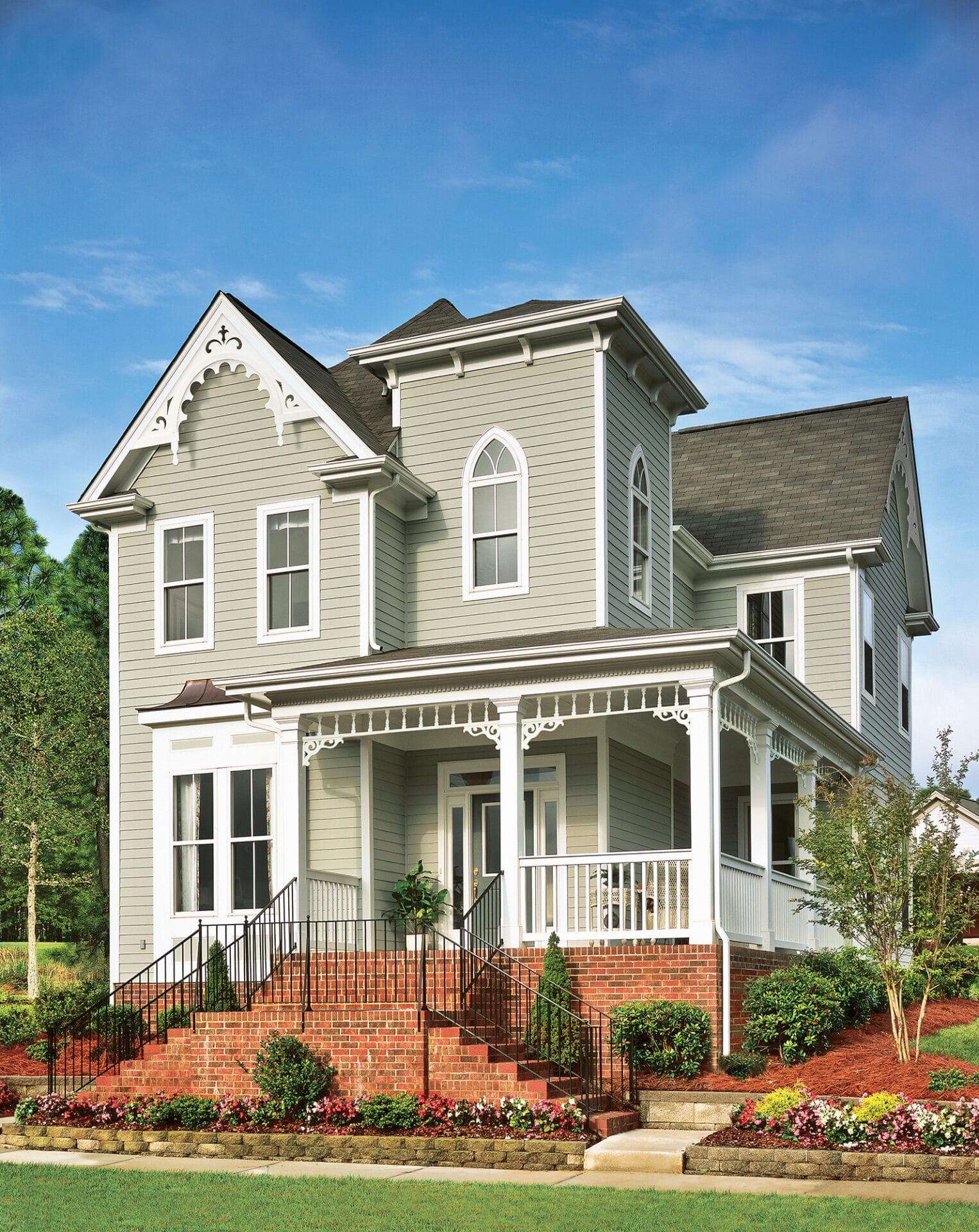
If your home’s exterior has been begging for a glow-up, fiber-cement siding has probably strutted across your screen at least once. It is one of those materials that manages to sound a little boring and look surprisingly sharp. On paper, it is a mix of cement, sand, and cellulose fibers. On a house, it can mimic wood lap siding, shingles, vertical panels, or board-and-batten so convincingly that your neighbors may need to squint.
Homeowners love fiber-cement siding because it sits in that sweet spot between beauty and toughness. It offers more durability and fire resistance than many traditional siding choices, asks for less babying than wood, and usually looks more upscale than bargain-bin options. But let’s not pretend it is magic in board form. It costs more than vinyl, weighs more than your average DIY weekend project wants to deal with, and it needs proper installation if you want the performance you paid for.
This guide breaks down what fiber-cement siding is, how much it costs, where it shines, where it grumbles, and whether it makes sense for your house, your climate, and your budget. Think of it as the no-nonsense, no-sales-pitch version of the conversation you wish every contractor would have before anyone starts measuring your walls.
What Is Fiber-Cement Siding?
Fiber-cement siding is an exterior cladding material made primarily from cement, sand, water, and cellulose fibers. The result is a dense, durable product designed to protect a home while delivering the look of more traditional materials. Manufacturers make it in several formats, including horizontal lap planks, large panels, shingles, and vertical boards for board-and-batten designs.
Why It Looks So Versatile
One reason fiber-cement siding has become so popular is that it is a style chameleon. Want a clean modern farmhouse? Done. Prefer a classic Craftsman look? Also done. Craving cedar-shake charm without the drama of constant upkeep? Fiber cement says, “I can do that,” while keeping a straight face. Many products are textured to resemble real wood grain, while smooth panels create a crisp, contemporary finish.
Common Fiber-Cement Siding Styles
- Lap siding: The classic horizontal plank look seen on many traditional American homes.
- Panel siding: Larger sheets that work well for modern and contemporary exteriors.
- Shingle siding: Great for Cape Cod, cottage, or coastal-inspired homes.
- Board-and-batten: Vertical lines that have become wildly popular on farmhouse and transitional homes.
- Trim and soffit pieces: Used to create a more cohesive, higher-end exterior package.
Why Homeowners Choose Fiber-Cement Siding
1. It Is Built for Tougher Conditions
Fiber-cement siding has a reputation for durability, and that reputation is not just marketing glitter. It resists rot, insects, warping, and many of the moisture-related headaches that plague wood siding. It also handles harsh weather better than many lighter materials. That makes it attractive in places where the climate likes to throw tantrums, whether that means heat, humidity, freeze-thaw cycles, or intense sun.
That said, durable does not mean indestructible. If the paint or finish is neglected, water can still create problems over time, especially in climates with repeated freezing and thawing. In other words, fiber cement is hardy, not immortal. Think marathon runner, not superhero.
2. It Offers Strong Fire and Pest Resistance
Another major reason people upgrade to fiber-cement siding is fire resistance. Many fiber-cement products are noncombustible or carry a Class A fire rating when tested to relevant standards. That makes them especially appealing in wildfire-aware regions and for homeowners who want an exterior that adds a little more peace of mind. It also resists termites and other pests that may find wood siding way too delicious.
One important nuance: fire-resistant siding is not the same thing as a fireproof house. Paints, coatings, trim details, and the overall wall assembly still matter. Fiber cement helps, but it is only one piece of the resilience puzzle.
3. It Delivers High-End Curb Appeal
If vinyl siding is the sweatpants of exterior cladding, fiber cement is the tailored jacket. It generally looks more substantial, cleaner, and more premium. Because it can mimic wood so well, it gives homeowners that classic painted-siding look without requiring the same level of constant maintenance. It also tends to help resale conversations because buyers often associate it with quality and durability.
Fiber cement comes in primed products ready for paint or factory-finished options that deliver more color consistency and longer-lasting finishes. If you care about design choices, this category is stacked in your favor.
4. It Is Lower Maintenance Than Wood
Fiber-cement siding is low maintenance, which is not the same as no maintenance. It usually only needs periodic cleaning, regular visual inspections, and repainting or refinishing on a longer cycle than wood. Many homeowners can get by with an annual wash using a garden hose, mild detergent, and a soft brush, plus basic upkeep around caulked joints, gutters, and drainage.
In normal-person language, it does not demand that you spend every spring clinging to a ladder muttering, “Why did I buy this house?” That alone has strong emotional value.
The Downsides of Fiber-Cement Siding
It Costs More Than Vinyl
Fiber-cement siding is usually more expensive than vinyl, both in material and labor. Depending on the product, style, region, and contractor rates, installed costs often fall around $5 to $14 per square foot, while many full projects land in the $7,000 to $30,000 range. Some 2026 estimates place average whole-project costs around $14,895, though small homes can cost much less and larger or more design-heavy homes can cost substantially more.
Translation: it is rarely the cheapest way to cover a house. It is more of a “pay more now, hopefully complain less later” decision.
It Is Heavy and Less Forgiving to Install
Fiber cement is heavier than vinyl and more brittle around edges than wood. That means proper cutting, fastening, flashing, spacing, and clearance details are critical. A sloppy install can undermine the performance of an otherwise excellent product. Water intrusion, cracking, failed caulk joints, and voided warranty coverage often trace back to bad installation rather than bad material.
Because of the weight and cutting requirements, professional installation is strongly recommended for most homeowners. This is not the material for an overly confident cousin and a borrowed ladder.
It Still Needs Upkeep
Fiber-cement siding may be low maintenance, but it is not maintenance-free. You will still need to clean it, watch for failed caulk, touch up damaged areas, and repaint when the finish starts to fade or wear. A common repainting window is around 10 to 15 years, depending on the product, climate, exposure, and finish quality.
If you skip upkeep forever, fiber cement will eventually remind you that “low maintenance” and “abandon ship” are not synonyms.
How Much Does Fiber-Cement Siding Cost?
The total cost of fiber-cement siding depends on more than the siding itself. Home size, wall height, local labor rates, tear-off needs, trim details, house wrap, moisture management upgrades, and the style you choose all affect the final quote.
Main Cost Factors
- Profile: Panels, planks, and shingles can have different material and labor costs.
- Finish: Primed boards are often cheaper up front than factory-finished products.
- Labor: Installation is specialized, and labor makes up a large share of the bill.
- Prep work: Removing old siding, fixing sheathing, and improving water management add cost.
- Architectural complexity: Gables, dormers, trim packages, and multiple stories increase labor.
When viewed strictly through the lens of sticker shock, vinyl often wins. When viewed through durability, appearance, and service life, fiber cement starts making a stronger case. That is why homeowners frequently compare it not with the cheapest option, but with wood, engineered wood, or premium vinyl alternatives.
How Fiber-Cement Siding Compares With Other Siding Materials
Fiber Cement vs. Vinyl
Vinyl siding is cheaper, lighter, and easier to install. Fiber cement is heavier, pricier, and often more refined-looking. In exchange, fiber cement usually offers a sturdier feel, better resistance to pests, stronger fire performance, and a more convincing wood-like appearance. If your budget is tight, vinyl is hard to ignore. If you want a longer-term aesthetic upgrade, fiber cement usually feels more premium.
Fiber Cement vs. Wood
Wood siding wins on natural charm. It also wins medals in the categories of repainting, moisture sensitivity, and insect vulnerability. Fiber cement mimics much of wood’s look while reducing the maintenance burden. If you love the painted-wood aesthetic but do not want your weekends held hostage, fiber cement is often the compromise that keeps everyone sane.
Fiber Cement vs. Stucco
Stucco can be extremely durable and beautiful, especially in the right climate and architectural style. Fiber cement, however, tends to offer broader design flexibility and can work across more regions and house styles. For homeowners who want a traditional American siding look rather than a masonry look, fiber cement usually makes more visual sense.
Installation, Maintenance, and Safety Tips
Installation Details Matter More Than You Think
Fiber-cement siding performs best when the wall assembly behind it is also done right. That means proper weather-resistant barriers, flashing, drainage planning, clearances from roofs and grade, and following manufacturer instructions instead of guessing. The material itself is tough, but water always looks for the weakest detail. If the installer gets lazy around windows, trim, butt joints, or kickout flashing, the house may eventually tell on them.
Basic Maintenance Checklist
- Wash the siding about once a year, or more often if your climate is damp or dusty.
- Use a soft brush or cloth and mild detergent rather than harsh abrasives.
- Inspect caulked joints, trim transitions, and penetrations regularly.
- Keep gutters and downspouts working properly so water does not cascade where it should not.
- Touch up paint damage and plan for repainting when the finish shows wear.
Do Not Ignore Dust Safety During Cutting
One of the less glamorous but very real issues with fiber-cement siding is silica dust during cutting. Cutting fiber-cement products can create respirable crystalline silica, which is a serious health hazard. That is why pros should use appropriate dust-control methods, such as saws with dust collection, suitable blades, and proper exposure controls. This is another reason why “I watched two videos, so I’m basically a contractor now” is not the best strategy here.
Is Fiber-Cement Siding Right for Your Home?
Fiber-cement siding is a strong fit if you want a durable, attractive exterior and are comfortable paying more up front for a material that can deliver long service life and lower maintenance than wood. It is especially appealing if curb appeal matters, if you live in a climate that can be rough on exterior materials, or if fire and pest resistance are high on your wish list.
It may be less ideal if your budget is extremely tight, if you want the absolute cheapest replacement option, or if you are committed to DIY installation. It is also worth talking through local climate, installer experience, and warranty details before signing a contract. A great product installed badly is just an expensive lesson with nails in it.
Real-World Experiences Homeowners Commonly Report
One of the most common homeowner experiences with fiber-cement siding starts before the first board goes up: sticker shock. Many people begin the shopping process thinking they will compare vinyl and fiber cement side by side and simply “see what happens.” Then the quotes arrive, and suddenly everyone becomes very interested in spreadsheets. But what often happens next is telling. Once homeowners see the difference in appearance, board thickness, trim detail, and overall curb appeal, fiber cement starts to feel less like a splurge and more like a long-term investment.
Another frequent experience shows up after the first ugly stretch of weather. Homeowners in humid, rainy, or hot climates often say they chose fiber cement because they were tired of watching other materials warp, fade, swell, or generally act dramatic. They wanted something that looked crisp and stayed crisp. While no siding material is maintenance-proof, many people report that fiber cement gives them a greater sense of confidence after storms, heavy sun exposure, or seasonal temperature swings. They are not expecting perfection; they are expecting fewer headaches, and that difference matters.
Then there is the maintenance experience, which is probably the least flashy but maybe the most appreciated. People who switch from wood siding often describe a kind of quiet relief. They still inspect the exterior, clean it, and keep an eye on paint and caulk, but the maintenance feels more predictable. Instead of wondering what the siding will demand next, they are usually following a routine. That predictability can be worth a lot, especially for busy households that do not want every spring home project to turn into a full-contact sport.
Homeowners also talk a lot about the visual payoff. Fiber-cement siding tends to photograph well, age gracefully when maintained, and give homes a more custom appearance. People notice the cleaner lines, the more realistic wood-grain textures, and the overall “solid” feel. For many, the experience is less about one dramatic before-and-after moment and more about the house finally looking the way they always thought it should. It is the exterior equivalent of getting the right haircut after a long run of bad bangs.
There are, of course, less romantic stories too. Some homeowners learn the hard way that installer quality matters as much as material quality. Poor flashing, rushed cuts, ignored clearances, or sloppy caulk work can turn a premium siding project into a premium annoyance. The most satisfied owners are usually the ones who vetted contractors carefully, reviewed warranty terms, and understood that fiber cement is a high-performance product, not a shortcut. In other words, the best experiences tend to come from pairing a good material with good decisions.
Finally, there is the long-view experience: living with the decision for years instead of weeks. That is where fiber cement often earns its fans. People appreciate that it still looks substantial, still feels current, and still supports resale conversations down the road. They like that it can be repainted when tastes change. They like that it does not ask for constant attention. And they like that when someone compliments the house, they can nod modestly while internally thinking, “Yes, thank you, the siding and I have both been working very hard.”
Final Thoughts
Fiber-cement siding is not the cheapest exterior upgrade, and it is definitely not the easiest one to install. But for many homeowners, it hits a rare balance of durability, design flexibility, fire resistance, pest resistance, and manageable upkeep. It can look polished on day one and still look smart years later, which is exactly what you want from something covering your entire house.
If you want a siding material that offers long-term value, strong curb appeal, and fewer maintenance dramas than wood, fiber cement deserves a serious look. Just remember the golden rule: a premium material still needs a premium install. Choose the right contractor, follow the maintenance basics, and your siding should return the favor for a long time.