Some days, your energy disappears before lunch as though it packed a suitcase, left no forwarding address, and took your ability to concentrate with it. Although another cup of coffee may seem like the obvious rescue plan, lasting energy usually depends more on your overall eating pattern than on any single beverage, supplement, or so-called superfood.
The best foods that beat fatigue provide a dependable combination of complex carbohydrates, protein, healthy fats, fiber, water, vitamins, and minerals. Together, these nutrients help fuel the brain and muscles, support normal blood-cell production, and reduce the dramatic hunger and energy swings that can follow highly refined meals.
Food cannot fix every cause of tiredness. Poor sleep, stress, medications, anemia, thyroid disorders, diabetes, infections, depression, sleep apnea, and other medical conditions can all cause fatigue. Still, improving your diet is a practical place to beginand it does not require eating mysterious berries harvested under a full moon.
How Food Affects Your Energy Level
Your body obtains usable energy from carbohydrates, fats, and protein. Carbohydrates are generally the body’s quickest fuel source, particularly for the brain and active muscles. Protein supplies amino acids needed to maintain and repair tissues, while dietary fat provides concentrated energy and helps your body absorb certain vitamins.
The goal is not to eliminate carbohydrates or live entirely on protein shakes. It is to choose a balanced mix that digests gradually. A frosted pastry may produce a quick burst of energy, but it contains relatively little fiber or protein to slow digestion. Oatmeal topped with berries and nuts generally provides a steadier experience because it combines fiber-rich carbohydrates with fat and protein.
Micronutrients matter as well. Iron is needed to make hemoglobin, the protein in red blood cells that transports oxygen. Vitamin B12 and folate also support normal blood-cell production. Magnesium participates in hundreds of reactions in the body, including processes involved in turning food into usable energy. A deficiency in one of these nutrients can contribute to weakness or fatigue, but taking extra amounts when you are not deficient will not transform you into a human power plant.
Best Foods That Help Fight Fatigue
1. Oatmeal and Other Whole Grains
Oats, brown rice, quinoa, barley, and 100% whole-grain bread provide complex carbohydrates and fiber. Because they are digested more slowly than many refined grains, they can support a more gradual release of energy.
Oatmeal is especially convenient for breakfast. Add milk or fortified soy milk, berries, and a spoonful of nuts or seeds to create a meal containing carbohydrates, protein, healthy fat, and fiber. Choose plain or lightly sweetened oatmeal when possible; some flavored packets contain enough added sugar to make breakfast taste suspiciously like dessert.
2. Eggs
Eggs provide high-quality protein, fat, vitamin B12, choline, and several other nutrients. Their protein can make a meal more satisfying and may help prevent hunger from returning soon after breakfast.
Pair eggs with whole-grain toast, vegetables, fruit, or roasted potatoes. Eggs alone contain little carbohydrate, so combining them with a quality carbohydrate source creates a more complete energy-supporting meal.
3. Greek Yogurt
Greek yogurt offers protein and carbohydrates in a quick, portable package. It also supplies calcium, and some varieties contain vitamin B12 and vitamin D. The protein content tends to be higher than that of traditional yogurt, although labels vary.
For a fatigue-fighting snack, combine plain Greek yogurt with fruit and walnuts. If plain yogurt tastes a little too much like responsible adulthood, add cinnamon, vanilla, or a modest drizzle of honey.
4. Beans, Lentils, and Chickpeas
Legumes are among the most useful foods for steady energy because they contain complex carbohydrates, fiber, plant protein, iron, folate, and magnesium. Their combination of fiber and protein can help make meals filling without relying heavily on meat.
Add black beans to tacos, blend chickpeas into hummus, stir lentils into soup, or toss white beans into a salad. Plant-based iron is not absorbed as efficiently as iron from animal foods, so pair legumes with vitamin C-rich foods such as tomatoes, citrus fruit, strawberries, broccoli, or bell peppers to improve absorption.
5. Leafy Green Vegetables
Spinach, kale, collard greens, Swiss chard, and similar vegetables provide folate, magnesium, vitamin C, and plant-based iron. They also contribute fiber and water without making a meal excessively heavy.
A handful of spinach can disappear into scrambled eggs, pasta sauce, soup, or a smoothie with minimal culinary drama. For better iron absorption, serve leafy greens with lemon juice, tomatoes, peppers, or another source of vitamin C.
6. Berries and Citrus Fruit
Strawberries, blueberries, raspberries, oranges, grapefruit, and kiwi provide carbohydrates, water, vitamin C, and plant compounds. Whole fruit also supplies fiber, which helps it digest more gradually than juice.
Fruit is especially effective when paired with protein or healthy fat. Try an apple with peanut butter, berries with yogurt, or an orange with a handful of almonds. This pairing is more likely to carry you through the afternoon than a candy bar that promises excitement and delivers a nap.
7. Bananas
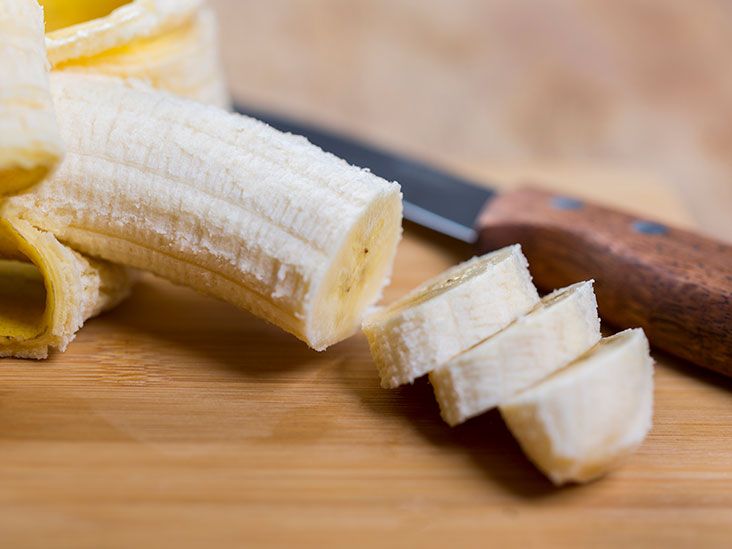
Bananas provide easily accessible carbohydrates along with potassium and vitamin B6. They can be helpful before physical activity, during a busy morning, or whenever you need a snack that does not require utensils, refrigeration, or an instruction manual.
For longer-lasting satisfaction, combine a banana with peanut butter, yogurt, cottage cheese, or a small handful of nuts. The added protein and fat slow digestion and make the snack more substantial.
8. Salmon and Other Fatty Fish
Salmon, trout, sardines, and tuna provide protein, vitamin B12, and omega-3 fatty acids. Fatty fish can be part of a balanced eating pattern that supports cardiovascular and overall health.
Serve fish with brown rice, quinoa, potatoes, or whole-grain pasta plus vegetables. Canned salmon and tuna are convenient options, although people who eat fish frequently should follow current advice about choosing varieties lower in mercury.
9. Lean Meat, Poultry, and Seafood
Beef, poultry, and seafood supply protein, vitamin B12, and iron. The heme iron found in animal foods is generally more readily absorbed than nonheme iron from plants.
This does not mean an enormous steak is the universal cure for exhaustion. Portions and overall dietary balance still matter. Lean cuts, poultry, seafood, eggs, beans, tofu, and lentils can all contribute to an energy-supporting protein rotation.
10. Nuts, Seeds, and Nut Butters
Almonds, walnuts, pistachios, pumpkin seeds, chia seeds, sunflower seeds, and natural nut butters provide healthy fats, protein, fiber, and minerals such as magnesium. They are calorie-dense, so a modest portion can turn fruit or whole-grain crackers into a satisfying snack.
Keep unsalted nuts at work or in your bag for energy emergencies. Just remember that a serving is a small handful, not the entire container consumed while answering emails.
11. Sweet Potatoes and Other Starchy Vegetables
Sweet potatoes, regular potatoes, winter squash, corn, and peas provide carbohydrates that the body can use for fuel. Sweet potatoes also offer fiber, potassium, and beta-carotene.
Top a baked sweet potato with black beans, salsa, and Greek yogurt for a balanced lunch. Starchy vegetables are not nutritionally identical to nonstarchy vegetables, but they can be valuable carbohydrate sourcesespecially when baked, roasted, or boiled rather than deep-fried.
12. Water and Water-Rich Foods
Dehydration can contribute to sluggishness, headaches, dizziness, and difficulty concentrating. Water needs vary according to body size, climate, activity, pregnancy, illness, medications, and other factors, so there is no perfect universal number.
Drink regularly throughout the day and increase fluids during heat or physical activity. Water, milk, unsweetened tea, soups, fruits, and vegetables all contribute fluid. Watermelon, cucumbers, oranges, strawberries, tomatoes, and lettuce are particularly water-rich choices.
How to Build a Meal for Steadier Energy
A dependable energy-supporting meal usually contains four basic parts:
- A quality carbohydrate: oats, brown rice, quinoa, whole-grain bread, beans, fruit, or potatoes.
- A protein source: eggs, yogurt, fish, poultry, tofu, beans, lentils, or cottage cheese.
- Vegetables or fruit: ideally in a variety of colors over the course of the day.
- A healthy fat: nuts, seeds, avocado, olive oil, or fatty fish.
For example, lunch could be a quinoa bowl with grilled chicken, spinach, tomatoes, chickpeas, and olive-oil dressing. A plant-based version might combine brown rice, tofu, broccoli, carrots, and peanut sauce. Both meals provide more balanced fuel than eating plain crackers at your desk and later wondering why your brain has entered airplane mode.
Energy-Supporting Breakfast Ideas
- Oatmeal with milk, berries, walnuts, and cinnamon
- Eggs with whole-grain toast and sliced fruit
- Greek yogurt with oats, berries, and pumpkin seeds
- A smoothie made with fruit, spinach, milk or fortified soy milk, and nut butter
- Whole-grain toast topped with avocado and an egg
Balanced Snacks for Busy Days
- Apple slices with peanut butter
- Greek yogurt with berries
- Hummus with carrots and whole-grain crackers
- A banana with almonds
- Cottage cheese with fruit
- Roasted chickpeas
- Cheese with a pear or whole-grain crackers
Other Diet Tips for Beating Fatigue
Eat Before You Become Desperately Hungry
Long stretches without food can leave some people irritable, distracted, or low on energy. Regular meals may be especially helpful for people with demanding workdays or active schedules. However, you do not need to eat every two hours simply because the internet said your metabolism would otherwise file for unemployment.
Use your hunger, medical needs, and daily routine as guides. Some people do well with three meals, while others prefer three smaller meals and one or two snacks.
Pair Carbohydrates With Protein or Fat
Carbohydrates provide useful fuel, but eating highly refined carbohydrates by themselves may leave you hungry again quickly. Add protein, fat, or fiber to make the meal more satisfying.
Instead of eating plain toast, add an egg or nut butter. Rather than having crackers alone, include hummus or cheese. Instead of drinking fruit juice, choose whole fruit with yogurt or nuts.
Do Not Undereat
Fatigue sometimes appears when people sharply restrict calories, skip meals, eliminate major food groups, or exercise heavily without replacing enough energy. Even a diet made entirely of nutritious foods can leave you drained if it does not provide enough total food.
Watch for persistent hunger, feeling cold, declining workout performance, irritability, dizziness, or obsessive thoughts about food. A registered dietitian can help determine whether your intake matches your needs.
Use Caffeine Strategically
Coffee and tea can temporarily improve alertness, but caffeine does not replace food or sleep. The FDA notes that up to 400 milligrams of caffeine per day is not generally associated with negative effects for most healthy adults, though sensitivity varies considerably.
Using caffeine late in the day may interfere with sleep and create a frustrating cycle: poor sleep leads to more caffeine, which leads to poorer sleep, which leads to introducing yourself to the office coffee machine as though it were a colleague.
Pregnant people, adolescents, individuals with certain medical conditions, and those taking particular medications may need lower limits or personalized guidance.
Limit Added Sugars and Highly Refined Foods
Soda, candy, sweetened coffee drinks, pastries, and many energy drinks can deliver substantial amounts of sugar without much fiber or protein. They may provide quick calories, but they are less likely to support lasting fullness and balanced nutrition.
You do not need to ban dessert. Enjoy it as part of an overall balanced pattern rather than using it as your main strategy for surviving every afternoon.
Be Careful With Energy Drinks
Energy drinks may contain large amounts of caffeine, added sugar, and multiple stimulant ingredients. Caffeine content varies widely, and consuming several products close together can make it easy to underestimate your intake.
Check labels and remember that caffeine may also come from coffee, tea, chocolate, supplements, and some medications. Seek prompt medical care for severe palpitations, chest pain, fainting, confusion, or other alarming symptoms after consuming a stimulant product.
Do Not Guess Your Way Into High-Dose Supplements
Iron, vitamin B12, folate, magnesium, and vitamin D deficiencies may contribute to fatigue in certain people. However, supplements are not automatically beneficial, and excessive doses can cause side effects or interact with medications.
Iron is a particularly poor candidate for casual experimentation because too much can be harmful. If fatigue is persistent, ask a healthcare professional whether testing is appropriate before beginning a high-dose supplement.
When Fatigue May Need Medical Attention
Diet-related changes may help ordinary energy slumps, but ongoing or severe fatigue deserves attention. Contact a healthcare professional when fatigue lasts several weeks, interferes with daily life, or occurs with symptoms such as unexplained weight loss, fever, shortness of breath, chest pain, fainting, significant dizziness, unusual bleeding, persistent digestive problems, intense thirst, frequent urination, weakness, numbness, or mood changes.
People with heavy menstrual bleeding, restrictive diets, gastrointestinal disorders, recent surgery, pregnancy, chronic illness, or a history of anemia may have a greater reason to discuss laboratory testing. Sudden severe fatigue accompanied by chest pain, trouble breathing, confusion, or signs of a stroke requires emergency evaluation.
A Practical Experience: Rebuilding an Energy-Draining Routine
The following composite example reflects a common experience rather than one individual’s medical story. Imagine a busy office worker named Jordan. Jordan begins each morning with sweetened coffee but skips breakfast because there is “no time.” By 10:30 a.m., hunger arrives with the subtlety of a marching band. Jordan grabs a pastry, feels more alert for a while, and then becomes foggy and irritable before lunch.
Lunch is often delayed until 2 p.m. and may consist of takeout, a large sandwich, or whatever can be eaten while staring at a spreadsheet. Water consumption is minimal because Jordan keeps forgetting where the water bottle went. At 3:30 p.m., another coffee and a candy bar seem essential. Dinner is enormous because the body is trying to collect every calorie it was denied earlier. Falling asleep is difficult, so the next morning begins withyou guessed itmore coffee.
Instead of attempting a dramatic diet makeover, Jordan changes one habit at a time. During the first week, breakfast becomes nonnegotiable but simple: overnight oats with Greek yogurt and berries on some days, and whole-grain toast with eggs on others. Coffee stays, but it is no longer being asked to perform the duties of an entire meal.
The next change is a balanced afternoon snack packed before work. An apple and peanut butter, yogurt and walnuts, or hummus with crackers replaces the emergency candy run. Jordan also puts a water bottle beside the computer rather than leaving it inside a bag, where it was apparently serving a purely decorative function.
Lunch gradually becomes more balanced. Instead of trying to eliminate favorite foods, Jordan adds what is missing. A turkey sandwich gets whole-grain bread, vegetables, and a piece of fruit. Leftover rice is paired with chicken, beans, and roasted vegetables. Takeout is still allowed, but meals are chosen with protein, vegetables, and a useful carbohydrate source in mind.
After two weeks, Jordan notices that afternoon hunger is less urgent. Concentration is steadier, and dinner no longer feels like an eating competition. The improvements are not magical; stressful days still cause tiredness, and a late night still produces a predictable morning. However, fewer energy swings make the workday easier to manage.
One unexpected benefit is better awareness. Jordan realizes that “fatigue” sometimes means hunger, sometimes thirst, sometimes poor sleep, and sometimes mental overload. Those problems do not all need the same solution. A snack can address hunger, but it cannot repair four hours of sleep. Water can correct mild dehydration, but it cannot treat anemia or a thyroid disorder.
After several weeks, Jordan still experiences unusual tiredness despite the improved routine and schedules a medical appointment. That step matters. Healthy eating can support energy, but it should not become an excuse to ignore persistent symptoms. The most useful lesson is not that oats, eggs, or spinach are miraculous. It is that consistent meals, adequate fluids, balanced snacks, reasonable caffeine use, better sleep, and appropriate medical care work together.
Conclusion
The most effective foods that beat fatigue are ordinary, nutrient-dense options you can eat consistently: whole grains, beans, eggs, yogurt, fruits, vegetables, fish, lean proteins, nuts, seeds, and water-rich foods. Combine quality carbohydrates with protein, healthy fat, and fiber to support steadier energy and better satisfaction.
A balanced diet can reduce avoidable energy slumps, but it is not a cure for every form of tiredness. Pay attention to sleep, stress, hydration, activity, medications, and persistent symptoms. When fatigue does not improve or comes with concerning signs, seek professional medical advice rather than trying to solve the mystery with increasingly expensive supplements.