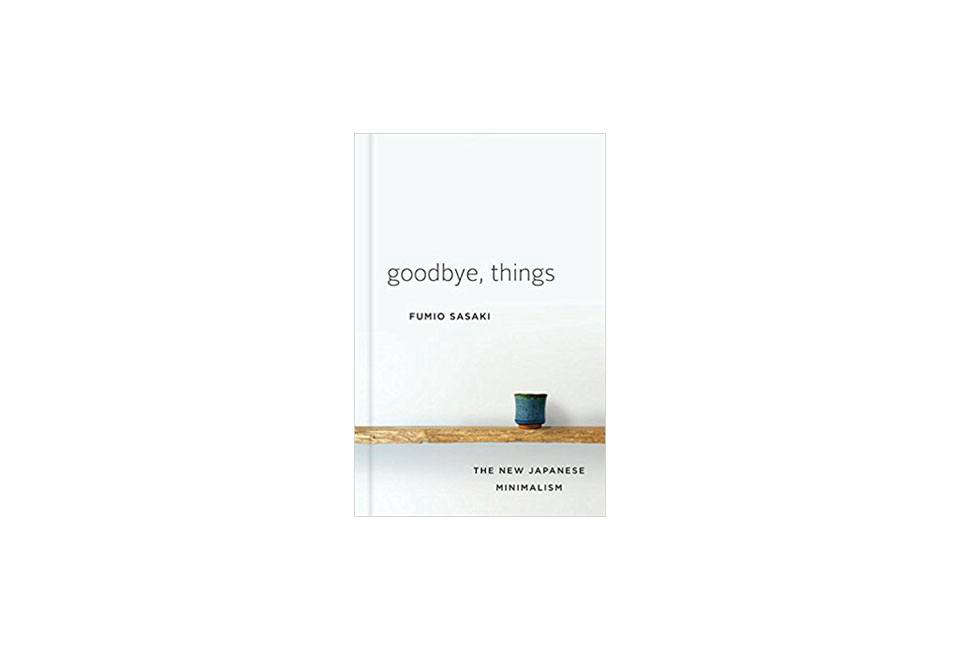
Goodbye, Things: The New Japanese Minimalism is more than a book about owning fewer socks, although socks do make a surprisingly dramatic appearance in the minimalist life. Fumio Sasaki’s influential work introduced many readers to a sharper, quieter, and more personal version of minimalism: not the glossy kind with one designer chair in a white room, but the kind that asks a brutally useful question: “Is this thing helping me live, or is it quietly billing me rent?”
Japanese minimalism has become popular because it speaks to a very modern problem. We have bigger carts, faster delivery, overflowing closets, and digital reminders for the subscriptions we forgot we subscribed to. Our homes are full, our phones are fuller, and our brains sometimes feel like a browser with 46 tabs open, three of them playing mystery audio. Sasaki’s message is refreshingly direct: when we say goodbye to unnecessary things, we may also say goodbye to comparison, distraction, guilt, and the constant maintenance of a life we no longer want.
What Is Goodbye, Things Really About?
Goodbye, Things is a nonfiction book by Fumio Sasaki, a Japanese editor and writer who became known for his extremely pared-down lifestyle. Unlike some organizing experts, Sasaki does not present himself as a naturally tidy superhero born with a perfectly folded onesie. He describes himself as an ordinary person who once collected books, CDs, cameras, and other possessions, then felt weighed down by the pressure to own, display, store, and compare.
The book’s power comes from that honesty. Sasaki is not saying, “Look at my perfect life.” He is saying, “I was stuck, and reducing my possessions helped me change.” That difference matters. The new Japanese minimalism is not just about having a clean apartment. It is about removing the visual and emotional noise that keeps people from noticing what they actually value.
In the book, Sasaki argues that people often use possessions as proof of identity. A full bookshelf might whisper, “I am intellectual.” Expensive kitchen tools might announce, “I am the kind of person who makes rustic sourdough,” even if the bread starter passed away quietly in the fridge months ago. Minimalism challenges that performance. It asks us to stop decorating an imaginary version of ourselves and start supporting the real person who has to live here today.
Why Japanese Minimalism Feels Different
Minimalism exists in many cultures, but Japanese minimalism has a distinctive emotional texture. It is influenced by ideas such as ma, the meaningful use of empty space; wabi-sabi, the appreciation of imperfection and impermanence; and a long design tradition that values restraint, natural materials, simplicity, and purpose. In a Japanese-style room, emptiness is not treated as failure. Space is allowed to breathe.
This is a very different mindset from the Western habit of filling every blank wall because “something should go there.” Japanese minimalism suggests that the blank wall may already be doing its job. It is giving the eye a place to rest. It is giving the mind permission to stop sprinting around the room counting objects like an unpaid inventory clerk.
Ma: The Beauty of Space
Ma is often described as negative space, but that phrase makes it sound like something is missing. In practice, ma is active. It is the pause between notes that makes music feel alive. In a home, it may be the empty corner that makes a single plant feel intentional, or the clear dining table that allows dinner to become dinner instead of a meeting between plates, mail, keys, and one mysterious screw nobody dares throw away.
Wabi-Sabi: The Beauty of Enough
Wabi-sabi does not ask life to become showroom-perfect. It celebrates age, use, modesty, and natural imperfection. A chipped ceramic bowl can still be beautiful. A wooden table with marks from family meals can feel warmer than a flawless object that makes everyone nervous to touch it. Japanese minimalism is not always cold or empty. At its best, it is calm, useful, and deeply human.
Purpose Over Display
One major lesson from Goodbye, Things is that possessions should serve life, not compete with it. A thing may be beautiful, useful, sentimental, or necessary. But when too many items demand attention, even good objects become a crowd. Minimalism helps people choose what deserves a permanent place and what was only passing through wearing a convincing disguise.
The Modern Problem: We Own More Than We Can Enjoy
Modern clutter is not just a household inconvenience. It is tied to time, stress, money, attention, and identity. A cluttered home can make it harder to focus, harder to clean, and harder to relax. Many people do not simply own objects; they manage objects. They dust them, repair them, organize them, insure them, trip over them, and occasionally buy more containers so the objects can live in little plastic apartments.
Sasaki’s minimalist philosophy points out a hidden cost: every possession asks for something. It may ask for space, money, maintenance, emotional energy, or a tiny pinch of guilt. The sweater you never wear asks, “Why don’t you love me?” The unread book asks, “Remember your ambition?” The souvenir mug asks, “Do you even appreciate Denver?” Minimalism does not mean becoming heartless. It means becoming honest.
The new Japanese minimalism feels especially relevant because our lives are no longer cluttered only by physical items. Digital clutter now follows us everywhere. Photos, apps, files, messages, wish lists, saved videos, and online carts create a second invisible attic. Sasaki’s approach encourages a wider form of reduction: fewer distractions, fewer status games, fewer unnecessary decisions, and fewer things that exist only because we never paused long enough to say no.
Key Lessons From Goodbye, Things
1. Minimalism Is Not a Competition
One of the funniest misunderstandings about minimalism is the idea that the person with the fewest possessions wins. By that logic, a hotel room is spiritually superior to your home, and a spoon in an empty drawer should be given a trophy. Sasaki’s lifestyle is famously lean, but the deeper message is not that everyone must copy his exact number of belongings. The point is to reduce until life feels lighter, clearer, and more aligned with your values.
2. Your Things Are Not Your Personality
People often buy objects to confirm who they want to be. Fitness gear promises discipline. Art books promise culture. A beautiful notebook promises that this time, absolutely this time, we will become a morning person with elegant handwriting. The problem is not owning these things. The problem is believing they can become a personality on our behalf.
Japanese minimalism invites a shift from identity display to lived action. Instead of owning 30 cookbooks to prove you love food, cook one simple meal. Instead of buying more productivity tools, finish one important task. Instead of collecting objects that symbolize a life, build the life directly.
3. Empty Space Can Improve Daily Life
A clear floor makes cleaning easier. A simple wardrobe makes mornings faster. A tidy kitchen makes cooking less dramatic. When there are fewer objects, the home becomes easier to reset. This is one of the most practical benefits of minimalism: it lowers the daily friction of living. The apartment does not need to become a museum. It just needs to stop fighting you before breakfast.
4. Letting Go Builds Gratitude
Oddly enough, owning less can make people appreciate what remains more deeply. A favorite mug becomes more noticeable when it is not hiding behind 17 promotional cups. A good jacket feels more valuable when it is not buried under clothes bought for a version of you who apparently attends many garden parties. Minimalism sharpens attention. It turns ordinary objects into chosen companions.
5. Freedom Often Looks Boring at First
The early stages of decluttering can feel anticlimactic. You donate a box of things and no angelic choir appears. The refrigerator does not applaud. But then small changes begin to add up. Cleaning takes less time. Getting dressed becomes easier. You stop buying duplicates because you can finally see what you own. The magic is not cinematic. It is domestic, quiet, and very real.
How to Apply Japanese Minimalism at Home
You do not need a 215-square-foot Tokyo apartment or a dramatic before-and-after montage to practice Japanese minimalism. Start with ordinary decisions. Choose one area where clutter causes daily irritation: the entryway, closet, desk, kitchen counter, bathroom shelf, or phone home screen. The best place to begin is not the most impressive place. It is the place that annoys you before coffee.
Start With Visible Surfaces
Clear one table, one counter, or one shelf. Keep only what is useful, beautiful, or genuinely meaningful. A visible surface has psychological power because you see the result immediately. It tells the brain, “Ah, we are not doomed.” This is helpful, because the brain can be dramatic.
Use the “Rent Test”
Ask whether an item earns the space it occupies. If your home is expensive, every unused object is taking up valuable real estate. That broken lamp in the corner may not pay rent, but it certainly has confidence. If an object is not useful, loved, or necessary, it may be time for it to move out peacefully.
Reduce Duplicates
Most homes contain accidental collections: too many towels, too many cables, too many pens, too many containers with no lids, and too many lids living as lonely singles. Japanese minimalism favors function and clarity. Keep the best, donate or recycle the rest, and stop pretending the cable drawer is a sacred archive.
Create a Calm Wardrobe
A minimalist wardrobe does not have to be monochrome unless you truly enjoy dressing like a stylish thundercloud. The goal is to own clothes that fit, feel good, and match your real life. Keep reliable basics, a few favorite expressive pieces, and enough variety to feel human. Remove the guilt garments: clothes that are too small, uncomfortable, outdated, or attached to fantasy lifestyles.
Design With Natural Materials
Japanese-inspired minimalism often uses wood, cotton, linen, paper, stone, bamboo, ceramic, and other natural textures. These materials add warmth so a room does not feel like a waiting area for a very expensive dentist. A simple wooden stool, a handmade bowl, or a soft linen curtain can bring character without clutter.
Leave Room for Life
The best minimalist spaces are not empty for emptiness’ sake. They leave room for movement, rest, conversation, cooking, reading, stretching, and the noble activity of doing absolutely nothing for five minutes. A good room should support the life happening inside it, not stage an audition for a design magazine.
Minimalism vs. Decluttering: What Is the Difference?
Decluttering is an action. Minimalism is a philosophy. Decluttering says, “Let’s clean this closet.” Minimalism says, “Why did this closet become a museum of abandoned decisions?” Both are useful, but they operate at different depths.
A person can declutter every January and still keep buying things that recreate the same problem by March. Minimalism looks upstream. It asks why the excess arrives in the first place. Are we shopping from boredom? Comparing ourselves with others? Keeping gifts out of guilt? Buying storage instead of making choices? Trying to solve emotional discomfort with physical objects?
Goodbye, Things stands out because it connects possessions to self-image and happiness. Sasaki’s view is not simply that clutter is messy. It is that unnecessary things can become a barrier between us and contentment. The fewer false signals we keep around us, the easier it becomes to hear our own priorities.
The Emotional Side of Saying Goodbye
Letting go is rarely just practical. Objects carry memories, hopes, money, status, and guilt. That is why decluttering can feel surprisingly emotional. You are not only deciding whether to keep an old jacket. You may also be deciding whether to release the version of yourself who bought it, the event you wore it to, or the money you wish you had not spent.
Japanese minimalism does not require cruelty toward the past. It encourages respect. Thank the item, acknowledge its role, and let it go if its purpose is complete. This may sound unusual to highly practical people, but it works because it turns disposal into closure. The object is not being rejected. It is being released from a job it no longer needs to perform.
For sentimental items, the goal is not to erase memory. The goal is to stop outsourcing memory to boxes. Keep a small number of meaningful objects and display or store them with care. A few treasured pieces can tell a stronger story than a crowded archive of everything you were afraid to decide about.
Common Mistakes People Make With Minimalism
Mistake 1: Turning Minimalism Into an Aesthetic Costume
Buying expensive “minimalist” products to prove you are minimalist is one of life’s better jokes. Minimalism should reduce consumption, not rebrand it in beige. A home can be simple without replacing every object with a more photogenic cousin.
Mistake 2: Removing Too Much Too Fast
Extreme decluttering can create regret. It is better to move steadily and thoughtfully. Start with obvious excess before touching sentimental items. Practice decision-making on duplicates, unused gadgets, expired products, and things you forgot existed until they fell on your foot.
Mistake 3: Ignoring Household Reality
A family home, a student room, a shared apartment, and a solo studio require different levels of stuff. Minimalism must fit real life. Children need supplies. Hobbies need tools. Pets come with accessories and an impressive lack of shame. The goal is not emptiness; the goal is intentionality.
Mistake 4: Confusing Minimalism With Deprivation
Minimalism is not about punishing yourself. It is about making space for what matters. If books bring deep joy, keep books. If cooking is central to your life, keep the kitchen tools you actually use. If your home feels cold after decluttering, add warmth through texture, lighting, plants, or meaningful art. The point is not to own nothing. The point is to stop being owned.
Why Goodbye, Things Still Matters Today
Goodbye, Things: The New Japanese Minimalism remains relevant because it addresses a problem that has only grown louder. We live in a time of constant wanting. Ads follow us across screens. Trends change before shipping boxes are recycled. Social media turns ordinary rooms into comparison arenas. Against that background, Sasaki’s message feels almost rebellious: you may not need more. You may need less.
The book also matters because it connects minimalism to freedom rather than perfection. Freedom from comparison. Freedom from cleaning all weekend. Freedom from shopping as self-repair. Freedom from the anxiety of maintaining a life built to impress people who are not even coming over.
Japanese minimalism is not a universal cure, and it should not be treated like one. A tidy room cannot solve every problem. But it can remove one layer of friction. It can make mornings smoother, evenings calmer, and choices clearer. Sometimes that is enough to begin a larger change.
Experiences Related to Goodbye, Things: The New Japanese Minimalism
The most relatable experience of practicing the ideas in Goodbye, Things is discovering that the hardest part is not throwing things away. The hardest part is admitting how many objects were kept for emotional reasons disguised as practical ones. A drawer full of old chargers suddenly becomes a museum of “just in case.” A closet full of rarely worn clothes becomes evidence of past optimism, future fantasy, and one questionable sale at 70% off.
A practical minimalist experiment often begins with one small area. Take the desk, for example. At first, it may look normal: laptop, notebook, cup, pens, receipts, cables, sticky notes, and a small object that has no purpose but has somehow achieved seniority. After removing everything and returning only the essentials, the desk changes. Work feels easier to begin. There is less visual shouting. The clear surface becomes an invitation instead of a scolding.
The closet offers another memorable lesson. Many people do not realize how much stress comes from “almost” clothes: almost fits, almost matches, almost my style, almost useful if I become a different person with different weekends. When those items are removed, the remaining wardrobe may look smaller, but it works harder. Getting dressed takes less time because the bad options are gone. The closet stops being a debate club.
The kitchen can be even more revealing. Minimalism does not mean owning one bowl and eating soup with the solemnity of a mountain monk. It means noticing what tools are used daily and what tools mostly create cabinet traffic. A kitchen with fewer duplicates becomes easier to cook in. You can find the pan. You can see the spices. You no longer need to excavate a drawer like an archaeologist searching for the vegetable peeler of legend.
There is also an emotional shift. After letting go of unnecessary objects, many people feel a short burst of nervousness followed by relief. The nervousness says, “What if I need that someday?” The relief says, “You have not used it in four years, and you forgot its name.” Over time, the relief usually wins. The home becomes easier to clean, but more importantly, it becomes easier to inhabit. You stop negotiating with piles. You stop apologizing to yourself for the mess. You stop buying storage solutions for problems that are actually decision problems.
One of the best experiences connected to Japanese minimalism is learning to enjoy emptiness without rushing to fill it. A blank wall can stay blank. A shelf can hold one beautiful object. A weekend can have open time. This may feel strange at first because modern life trains people to treat space as unfinished. But space is not always waiting for more. Sometimes space is the reward.
The deeper experience is not about becoming a minimalist icon. It is about becoming more honest. You learn what you use, what you love, what you avoid, and what you bought for approval. You learn that a calmer home does not require a new personality, only repeated small choices. You learn that “goodbye” can be generous. It can mean giving useful things to someone who needs them. It can mean releasing guilt. It can mean making room for the next chapter of life to enter without tripping over the old one.
Conclusion: A Lighter Life Starts With One Goodbye
Goodbye, Things: The New Japanese Minimalism is not really about things. It is about attention, freedom, and the courage to stop carrying what no longer serves you. Fumio Sasaki’s message resonates because it turns minimalism from a design trend into a personal practice. The clean room is nice, of course. But the real reward is the clean signal: fewer distractions, fewer comparisons, fewer silent obligations hiding in drawers.
Japanese minimalism reminds us that enough can be elegant. Empty space can be nourishing. Imperfect objects can be beautiful. A home can be simpler without becoming sterile, and a life can become richer by becoming lighter. You do not have to throw away everything, live with three shirts, or sleep on a roll-up mattress unless that genuinely suits you. Start with one shelf, one drawer, one decision. Say goodbye to one thing that no longer belongs. Then notice what enters the space it leaves behind.
SEO Tags
Note: This article is an original, fully rewritten synthesis based on reputable publishing, design, lifestyle, and psychology references, with no source links inserted for clean web publication.