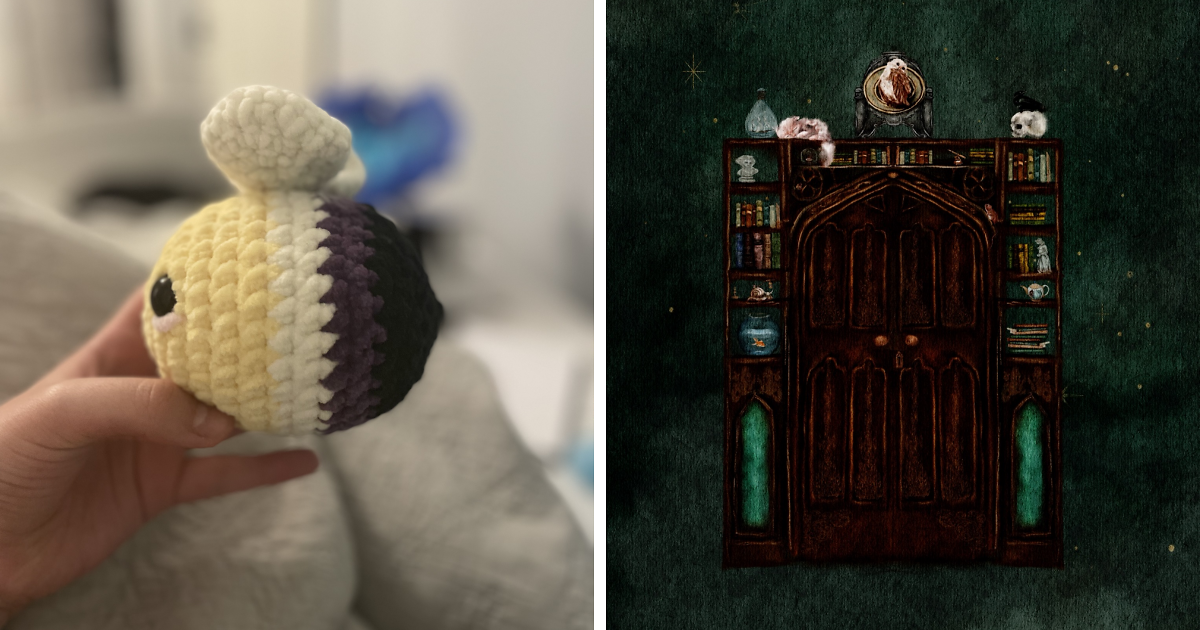
Open the closet, check the pin board, and gently rescue that rainbow tote from underneath three reusable grocery bags. We want to see your Pride stuffnot because every LGBTQ+ keepsake needs to look museum-ready, but because ordinary objects often carry extraordinary stories.
A Pride item can be loud enough to stop traffic or subtle enough to hide inside a wallet. It might be a flag, a pronoun pin, a handmade bracelet, a well-loved T-shirt, a concert ticket, a wedding photo, or a tiny sticker that helped someone feel less alone. The object matters, but the meaning behind it is the real headline.
Pride Stuff Is More Than Rainbow Merchandise
When people hear “Pride stuff,” they often picture a six-color flag, glittery sunglasses, and a shirt printed with a pun that would make a dad groan approvingly. Those things absolutely count. Pride has always made room for joy, camp, fashion, humor, protest, and the occasional accessory that can be seen from low Earth orbit.
But Pride objects can also document identity, relationships, activism, survival, and belonging. The Smithsonian’s LGBTQ+ collections include flags, buttons, shirts, signs, photographs, and other personal objects because material culture helps preserve how people lived, organized, celebrated, and demanded change. A pin that once cost a dollar may later become evidence of an era, a movement, or a life lived honestly.
What Can You Share?
Almost anything with a genuine Pride connection belongs in the conversation. Consider showing us:
- A rainbow, transgender, bisexual, lesbian, nonbinary, intersex, asexual, pansexual, gender-fluid, or Progress Pride flag.
- A pin, patch, lanyard, keychain, sticker, tote, mug, hat, or pair of socks with suspiciously excellent color coordination.
- A handmade sign from a Pride march, rally, school club, community event, or neighborhood celebration.
- A family keepsake, such as a supportive note, wedding memento, coming-out card, or photo from a meaningful day.
- Art, embroidery, crochet, jewelry, makeup, nail designs, posters, zines, or other DIY Pride creations.
- A discreet item that helped you express yourself before you felt safe being more visible.
There is no minimum sparkle requirement. There is also no prize for owning the largest flag, although anyone whose flag requires its own building permit deserves respectful applause.
A Little History Hiding in the Colors
Modern Pride celebrations are closely connected to the Stonewall Uprising, which began after a police raid at the Stonewall Inn in New York City on June 28, 1969. The resistance continued over several days and became a major milestone in the American LGBTQ+ rights movement. On June 28, 1970, activists marked the first anniversary with Christopher Street Liberation Day, widely recognized as the first Pride march in New York City.
The rainbow flag arrived later. The original eight-color version debuted in 1978 and associated each stripe with an idea, including life, healing, sunlight, nature, serenity, spirit, art, and sexuality. Production realities eventually helped lead to the familiar six-color version. Over time, the rainbow became one of the world’s most recognizable symbols of LGBTQ+ pride, visibility, and community.
Why There Are So Many Pride Flags
The variety is a feature, not a software bug. Different flags give specific identities a visual language and help people find one another. Monica Helms designed the transgender Pride flag with light blue, pink, and white stripes; examples of the flag are now held by the Smithsonian. The Progress Pride design places additional emphasis on transgender people and marginalized LGBTQ+ communities of color, while later versions have incorporated intersex representation.
No single flag cancels another. A classic rainbow flag can honor broad community history, while an identity-specific flag can communicate something more personal. Some people display several together. Others choose one tiny enamel pin because that is what feels safe, affordable, or emotionally right. Pride is not a matching-luggage set.
How to Show Us Your Pride Stuff
A strong community post does more than place an object on a table and photograph it next to a houseplant. Although, to be fair, houseplants improve nearly every composition. Add the story that turns the item from “thing” into “treasure.”
1. Explain What It Is
Tell readers what they are looking at. Is it a handmade bi Pride scarf? A button from your first march? A trans flag that traveled with you through three apartments and one spectacularly unreliable washing machine? Basic context helps people understand the object without making assumptions.
2. Share Why It Matters
The emotional detail is usually more interesting than the price tag. Maybe the item was a gift from a parent who had needed time to understand. Maybe it was the first thing you bought after coming out. Maybe it represents a friend, partner, teacher, coworker, or online community that made you feel seen.
3. Include the Memory Attached to It
Objects become powerful through use. A wrinkled sign may have survived rain at a march. A faded shirt may have been worn to ten Pride festivals. A bracelet may have been exchanged at a youth group. The scratches, loose threads, and coffee stains are not flaws; they are footnotes.
4. Protect Your Privacy
Visibility should always be voluntary. Before posting, check the background for names, addresses, school logos, workplace badges, license plates, family photos, or anything that could identify someone who has not consented. Review your platform’s privacy controls, and avoid sharing another person’s face, identity, or story without permission. Online safety guidance for LGBTQ+ young people specifically recommends managing audience and privacy settings to control who can view posts and personal details.
5. Make the Post Accessible
Describe the object in the caption or add alt text. Mention its colors, wording, shape, and important visual details. Avoid relying only on color to explain which identity a flag represents. Accessibility is not an optional decorative tassel; it is part of inviting the whole community into the room.
Why Sharing Pride Objects Can Matter
Seeing someone else’s Pride item can create a small but meaningful moment of recognition. For a person in an affirming city, a rainbow sticker may feel pleasantly ordinary. For someone in an isolated or unwelcoming environment, that same sticker can function like a lighthouse with better graphic design.
Research and public-health guidance consistently emphasize the value of supportive, affirming environments and social connectedness for LGBTQ+ young people. The CDC recommends safe spaces, inclusive policies, supportive school practices, and access to student-led clubs. Trevor Project research has also found associations between affirming spaces, feeling understood online, and better mental-health outcomes. A cheerful photo thread cannot solve discrimination, but it can help create the kind of visible community in which people recognize that they are not alone.
Representation Can Be Quiet
Not everyone wants to attend a parade, wear a cape, or explain a dozen flags to a curious uncle over potato salad. Some people experience Pride privately. Their meaningful object may stay inside a desk drawer, hang on a bedroom wall, or appear only in an online space where they feel safer.
That quieter participation is still real. Pride is not measured in decibels. It can be a public declaration, a private promise, a memorial, a joke shared with friends, or the first object someone owns that accurately reflects who they are.
For Allies: Bring Support, Not a Spotlight
Allies are welcome to share Pride-related items, especially when the story centers on meaningful support. Perhaps you wear a pin because your child came out, display a flag at your business, helped organize an inclusive school event, or keep a sign from a march you attended with a friend.
The best ally posts connect symbols to behavior. A rainbow mug is charming; respecting names and pronouns is better. A flag in the window is encouraging; speaking up when someone is targeted is better still. PFLAG’s ally resources describe allyship as active support that can be public or private, while GLAAD emphasizes respectful, accurate language. In other words, the accessory is the trailer, not the whole movie.
Avoid Turning Someone Else’s Identity Into Your Content
Do not reveal that a relative, student, employee, or friend is LGBTQ+ just to explain your Pride item. You can say, “This represents someone I love,” without naming them. Support should make people safer, not convert their private life into a surprise press release.
Handmade Pride Stuff Has Special Magic
Commercial Pride products can be fun, useful, and genuinely meaningful. Still, handmade objects often carry a different energy. They show time, care, improvisation, and the brave decision to buy seven colors of yarn even though the craft drawer is already an ecological event.
A crocheted flag, painted jacket, bead bracelet, embroidered patch, customized pair of shoes, or hand-lettered sign can reflect identity in a way no mass-produced item can. Homemade designs also let people combine symbols, reference local communities, memorialize loved ones, or express identities that are rarely represented in stores.
Celebrate the Maker
When sharing art or crafts, credit the creator. If you purchased the item from an independent LGBTQ+ artist, mention that when appropriate. If a friend made it, ask whether they want to be named or tagged. Pride culture has a long relationship with visual design, protest graphics, buttons, banners, and self-made media, so giving creators credit helps keep that tradition visible.
Community Experiences: Pride Stuff With a Story
The following are composite examples inspired by common community experiences. They do not describe specific identifiable people.
The First Pin Worn Outside
For one college student, the most important Pride object was a pin smaller than a quarter. They bought it at a campus event, carried it in a backpack for two months, and repeatedly decided that “tomorrow” would be the day to wear it. Tomorrow developed a suspiciously long career. Eventually, they attached it to a denim jacket before meeting friends for coffee.
Nobody delivered a speech. A barista noticed the pin, smiled, and said, “I like it.” That was all. Yet the student remembered the exchange because the world did not collapse. The pin became proof that visibility could happen in manageable steps. Years later, its enamel was chipped, but it remained on the jacket like a tiny, stubborn medal.
The Quilt Made From Old Pride Shirts
Another family saved T-shirts from marches, festivals, fundraisers, and volunteer events. Some were too worn to use, and several had mysteriously shrunk in the closetan incident for which dessert accepted no responsibility. Instead of throwing them away, a parent cut the shirts into squares and made a quilt.
Each panel marked a different chapter: a first Pride after coming out, a campaign for marriage equality, a local youth-center fundraiser, and a celebration attended by three generations. The finished quilt was not perfectly symmetrical. That made it better. It looked like history usually feels: colorful, personal, patched together, and held by strong stitching.
The Workplace Lanyard
A manager began wearing a small Progress Pride lanyard after an employee mentioned feeling uncertain about being open at work. The lanyard did not magically repair the workplace, and the manager understood that. They paired the symbol with practical changes: clearer anti-harassment expectations, optional pronouns in introductions, private ways to report concerns, and health-benefit information written without assumptions about families.
Months later, a new hire said the lanyard was one reason they felt comfortable asking a question during orientation. The object mattered because it matched the environment. Without action, it would have been colorful string. With action, it became a reliable signal.
The Flag in a Small-Town Window
In a small town, a shop owner placed a modest rainbow flag near the register. It was not part of a seasonal display, and it remained after June. Most customers barely commented. A few complimented it. One person complained and received a calm explanation that everyone was welcome in the store, including people who disliked flags but still needed printer paper.
The owner later learned that local teenagers used the shop as a meeting point because the flag made the space feel safer. The fabric itself was inexpensive. Its consistency was valuable. It was there on ordinary Tuesdays, which is often when support matters most.
The Box of Quiet Keepsakes
Not every Pride collection is displayed. One person kept a box containing a folded note from a supportive sibling, a movie ticket from a first date, a photograph from a community picnic, and a bracelet in the colors of the bisexual flag. The box stayed private for years.
Eventually, they photographed only the bracelet and shared it online without revealing names or locations. The post invited others to discuss objects they treasured privately. Responses included bookmarks, playlists written on paper, old club flyers, friendship rings, books, and tiny flags hidden behind larger posters. The conversation showed that Pride stuff does not have to be public to be powerful. Sometimes the smallest collection is an archive of courage.
Show the Object, Tell the Story, Respect the Person
“Hey Pandas, show us your Pride stuff” is an invitation to celebrate creativity and community, but the most memorable posts will not be the ones with the most merchandise. They will be the ones that reveal why an object survived multiple moves, why a flag hangs in a certain window, why a pin was difficult to wear, or why a handmade gift still makes someone smile.
Share the bright things, the funny things, the historic things, the homemade things, and the quiet things. Tell us where they came from and what they mean. Protect anyone who is not ready to be identified. Credit artists. Welcome allies who pair symbols with action. Above all, remember that Pride stuff is rarely just stuff. It is identity made visible, memory given a shape, and community saying, in several excellent color palettes, “You belong here.”