For many years, the phrase “HIV treatment” mostly meant one thing: take antiretroviral therapy, lower the viral load, protect the immune system, and stay in care. That is still the foundation. No gym plan, protein shake, miracle powder, or heroic deadlift session replaces HIV medicine. But modern HIV care has become bigger than viral control alone. Today, people living with HIV are not simply asking, “How do I survive?” They are asking, “How do I live well, stay strong, age better, and feel at home in my body?”
That is where muscle-building enters the conversation. Strength training, good nutrition, sleep, medical follow-up, and consistent HIV treatment can work together like a surprisingly organized group chat. When they cooperate, the body has a better chance to preserve lean mass, support metabolism, improve energy, protect bones, and reduce frailty risk. In plain English: HIV treatment is not only about suppressing the virus; it is also about helping the whole person stand taller, move better, and maybe carry all the grocery bags in one tripresponsibly, of course.
Why Muscle Matters in HIV Care
Muscle is not just beach decoration. It is active tissue that helps regulate blood sugar, supports mobility, protects joints, contributes to balance, and plays a role in healthy aging. For people living with HIV, muscle can be especially important because HIV, inflammation, certain illnesses, appetite changes, medication side effects, stress, and aging may all affect body composition.
Before effective antiretroviral therapy became widely available, HIV-associated wasting was a major concern. Wasting involves unintentional weight loss, often including lean muscle loss, and can be linked with weakness, diarrhea, fever, or advanced disease. Modern HIV treatment has dramatically reduced the frequency and severity of wasting, but muscle loss has not disappeared from the story. Some people still experience low muscle mass, fatigue, unwanted weight changes, or reduced strength even while receiving care.
The important shift is this: muscle-building is no longer just a bodybuilding topic. In HIV care, it can be part of long-term health maintenance. A person does not need to become a fitness influencer, buy neon lifting gloves, or learn seven ways to say “hypertrophy” at brunch. A practical strength plan can begin with basic movements, medical clearance when needed, and steady progress.
The Foundation: Antiretroviral Therapy Comes First
Antiretroviral therapy, usually called ART, is the core of HIV treatment. ART works by stopping HIV from multiplying, which lowers the amount of virus in the body. The treatment goal is viral suppression, ideally reaching an undetectable viral load. When a person takes HIV medicine as prescribed and maintains an undetectable viral load, they can protect their immune system and prevent sexual transmission of HIV, often summarized as U=U: undetectable equals untransmittable.
This matters for muscle-building because uncontrolled HIV can increase inflammation, raise the risk of opportunistic infections, reduce appetite, worsen fatigue, and make recovery more difficult. Trying to build muscle while HIV is not well controlled is like trying to renovate a house while the roof is still leaking. You may make progress, but the system is fighting you.
ART also requires regular monitoring. Viral load, CD4 count, kidney and liver function, cholesterol, glucose, weight, and medication interactions may all influence the safest approach to exercise and nutrition. For example, a person with neuropathy, severe anemia, heart disease, bone loss, or advanced kidney disease may need a modified fitness plan. Muscle-building is powerful, but it should be personalized rather than copied from a stranger on the internet who appears to eat nothing but chicken breast and confidence.
HIV, Aging, and the Sarcopenia Problem
Sarcopenia is the gradual loss of muscle mass, strength, and function that often comes with aging. People living with HIV may face sarcopenia earlier or more noticeably because of chronic inflammation, past periods of immune suppression, coexisting conditions, or lifestyle barriers such as fatigue, depression, food insecurity, or limited access to safe exercise spaces.
Loss of muscle can show up quietly. Someone may notice that stairs feel harder, jars refuse to open unless threatened, balance feels less reliable, or everyday tasks become more tiring. The scale may not tell the whole story. A person can gain fat and lose muscle at the same time, meaning body weight looks “stable” while strength declines. That is why waist size, grip strength, walking speed, body composition, and how a person feels during daily life can matter as much as pounds.
For people with HIV, preserving muscle is also connected with independence. Strong legs make it easier to rise from chairs. Strong hips and core muscles reduce fall risk. Strong back and shoulder muscles help posture. Stronger bodies generally tolerate illness and recovery better. Muscle is not vanity; it is infrastructure.
Resistance Training: The Main Tool for Building Muscle
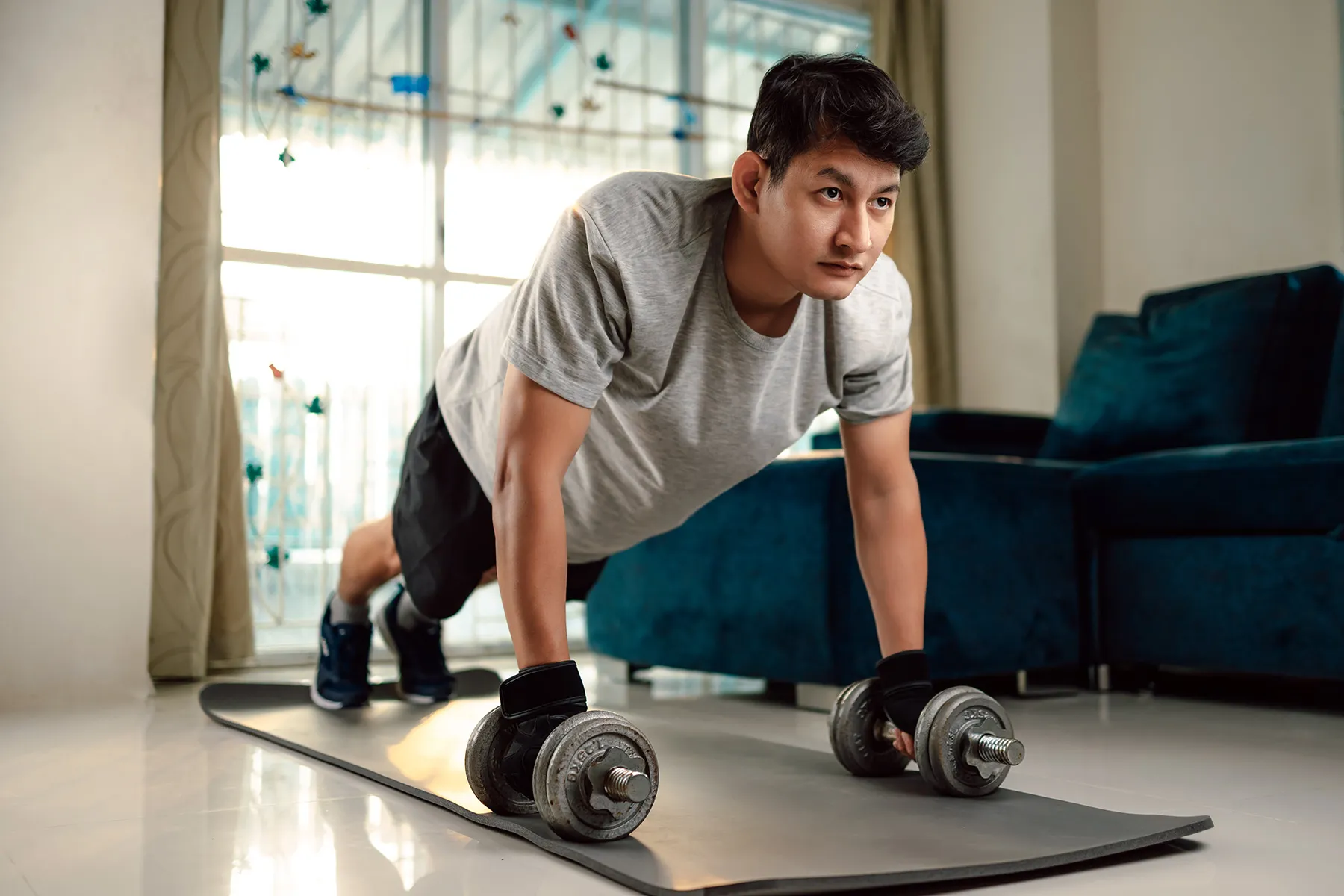
The most direct way to build muscle is resistance training. This includes lifting weights, using resistance bands, doing bodyweight movements, training on machines, or performing functional exercises like squats, step-ups, wall push-ups, and loaded carries. The body responds to a simple message: “This task is challenging. We should adapt.”
General physical activity guidelines recommend muscle-strengthening activities at least two days per week, targeting major muscle groups such as legs, hips, back, chest, abdomen, shoulders, and arms. For many beginners, two full-body sessions weekly are enough to start. The goal is not to crawl dramatically out of the gym like a defeated movie villain. The goal is consistency.
A Beginner-Friendly Weekly Strength Plan
A simple starting routine might include two or three sessions per week, with at least one rest day between harder strength workouts. Each session can include five to eight movements:
- Chair squats or goblet squats for legs and hips
- Wall push-ups, incline push-ups, or chest press for chest and arms
- Resistance-band rows or machine rows for the back
- Step-ups or lunges for lower-body strength
- Glute bridges for hips and posterior chain support
- Overhead press with light dumbbells or bands for shoulders
- Dead bugs, planks, or bird dogs for core stability
Beginners can start with one or two sets of 8 to 12 repetitions per exercise. Older adults, people returning after illness, or those with lower fitness levels may begin with lighter resistance and 10 to 15 comfortable repetitions. The last few reps should feel challenging but controlled. If your form collapses like a folding lawn chair, the weight is too heavy.
Progressive Overload Without the Drama
Muscle grows when training gradually becomes more challenging. This is called progressive overload. It does not mean adding weight every single workout or treating the gym like a medieval proving ground. Progress can come from adding a repetition, improving form, slowing the lowering phase, adding a set, using a slightly stronger band, or increasing range of motion.
For people living with HIV, recovery deserves special attention. Fatigue, sleep problems, medication changes, depression, anxiety, and other medical conditions can affect training tolerance. A smart plan uses the “minimum effective dose”: enough challenge to stimulate progress, not so much that the person feels wiped out for days. Soreness is not a trophy. Pain, dizziness, chest pressure, unusual shortness of breath, or sudden weakness are signals to stop and seek medical advice.
Nutrition: Muscle Is Built With Food, Not Wishful Thinking
Resistance training sends the signal, but nutrition supplies the materials. People living with HIV need enough calories, protein, carbohydrates, healthy fats, vitamins, minerals, and fluids to support immune function, medication absorption, energy, and tissue repair. Skipping meals while trying to build muscle is like ordering construction workers to build a house and giving them one spoon, three bricks, and a motivational quote.
Protein is especially important because it provides amino acids, the building blocks for muscle repair. Good protein sources include eggs, poultry, fish, lean meats, Greek yogurt, cottage cheese, tofu, tempeh, beans, lentils, edamame, nuts, seeds, and protein-enriched foods. Many active adults benefit from spreading protein across the day rather than saving it all for one enormous dinner. A practical pattern might include protein at breakfast, lunch, dinner, and possibly a snack after training.
Carbohydrates also matter. They fuel workouts and help refill muscle glycogen. Whole grains, potatoes, oats, fruit, beans, and vegetables can support training energy. Healthy fats from olive oil, avocado, nuts, seeds, and fatty fish can help meet calorie needs, especially for people struggling to maintain weight. Hydration matters too, particularly if medications, diarrhea, sweating, or fever increase fluid needs.
When Appetite Is Low
Some people with HIV struggle with appetite because of nausea, stress, oral health problems, medication side effects, infections, depression, or gastrointestinal symptoms. In those cases, smaller frequent meals can be easier than three large plates. Smoothies with Greek yogurt, peanut butter, fruit, and oats can deliver calories and protein without requiring a heroic chewing performance. Soups, stews, rice bowls, eggs, tuna salad, tofu stir-fries, and fortified shakes may also help.
Persistent weight loss, diarrhea, mouth sores, swallowing problems, or vomiting should be discussed with a clinician. Unexplained weight loss is not a “fitness transformation.” It is a medical clue.
HIV Wasting: When Muscle Loss Needs Medical Treatment
HIV-associated wasting is more than being thin. It involves involuntary loss of body weight and lean mass and may occur with symptoms such as fever, diarrhea, or weakness. It can be related to uncontrolled HIV, opportunistic infections, poor intake, malabsorption, hormonal changes, inflammation, or other illnesses.
Treatment starts with finding the cause. That may involve checking viral load, CD4 count, infections, gastrointestinal problems, medication tolerance, depression, food access, dental issues, and other medical conditions. Optimizing ART is essential. Nutrition therapy, resistance exercise, physical therapy, and sometimes prescription treatments may be considered. Somatropin has an FDA-approved indication for HIV patients with wasting or cachexia to increase lean body mass and body weight and improve physical endurance, but it is not a casual muscle-building shortcut. It requires medical supervision, careful eligibility assessment, and attention to risks.
The key message is simple: if a person with HIV is losing weight without trying, especially if strength is declining, they should not just “eat more and lift harder.” They should get evaluated. The body may be waving a red flag, not requesting a bigger dumbbell.
Body Fat Changes, Lipodystrophy, and the Mirror Problem
Some people living with HIV experience changes in fat distribution. Older HIV medications were more strongly associated with lipodystrophy, including fat loss in the face, arms, legs, or buttocks, and fat gain around the abdomen or upper back. Modern regimens are generally better tolerated, but weight gain and metabolic changes can still happen for some individuals.
This can be emotionally difficult. A person may be virally suppressed and medically stable but still feel uncomfortable with body changes. Strength training can help improve body composition, confidence, posture, and metabolic health, but it cannot spot-reduce fat from one area. Abdominal fat related to lipodystrophy may require medical evaluation. Tesamorelin is approved in the United States for reducing excess visceral abdominal fat in adults with HIV-associated lipodystrophy, but like any prescription treatment, it is not for everyone and should be discussed with a qualified healthcare provider.
Cardio Still Counts
This article is cheering loudly for muscle-building, but cardiovascular exercise still deserves a seat at the table. Walking, cycling, swimming, dancing, hiking, and low-impact cardio can improve heart health, endurance, mood, insulin sensitivity, and circulation. People with HIV may have higher risks for certain cardiovascular and metabolic conditions, so a balanced plan is best.
A realistic weekly plan might include two or three strength sessions plus regular walking. For example: strength training on Monday and Thursday, brisk walking on Tuesday, Wednesday, and Saturday, stretching or yoga on Sunday, and one rest day that involves not feeling guilty. Rest is not laziness. Rest is when the body files the paperwork for progress.
Sleep, Stress, and Recovery
Muscle-building depends on recovery. Sleep helps regulate hormones, appetite, immune function, and tissue repair. Chronic stress can interfere with motivation, eating patterns, and workout consistency. Depression and anxiety can also affect HIV medication adherence and self-care routines.
People living with HIV may face stigma, disclosure stress, financial pressure, relationship concerns, or medical fatigue. A complete muscle-building plan should respect those realities. Support groups, counseling, trusted clinicians, community organizations, and peer networks can make health goals feel less lonely. Nobody builds a strong life through biceps alone.
Medication Adherence: The Most Important “Rep”
There is one daily habit more important than any gym movement: taking HIV medication as prescribed. Every dose supports viral suppression. Viral suppression protects the immune system, reduces illness risk, and helps the body respond better to exercise and nutrition.
If adherence is difficult, the solution is not shame. It is problem-solving. Common barriers include side effects, cost, transportation, unstable housing, mental health symptoms, substance use, forgetfulness, or complicated schedules. Healthcare teams can help with medication switches, reminder tools, insurance navigation, pharmacy delivery, long-acting options for eligible patients, or support services.
In muscle-building language, ART adherence is the compound lift. Everything else is accessory work.
Safety Tips Before Starting a Muscle-Building Plan
Most people with stable HIV can exercise safely, but medical guidance is wise for anyone with advanced disease, major weight loss, chest pain, severe fatigue, neuropathy, balance problems, untreated high blood pressure, diabetes complications, bone loss, kidney disease, or a long break from activity.
Good safety rules include warming up, learning proper form, starting lighter than the ego prefers, increasing gradually, drinking fluids, wearing supportive shoes, and stopping if symptoms feel unusual. People with low bone density may need to avoid high-risk movements at first. People with neuropathy may need balance support. People recovering from opportunistic infections may need supervised rehabilitation.
Fitness should make life bigger, not turn every staircase into a legal dispute between your knees and gravity.
Specific Example: A Four-Week Starter Plan
Week 1: Learn the Movements
Do two full-body sessions. Use bodyweight, light dumbbells, or bands. Keep effort moderate. Focus on smooth movement and breathing. Add two or three short walks during the week.
Week 2: Build Consistency
Repeat the same exercises. Add one or two repetitions to each set if form feels good. Keep a simple log: exercise, sets, reps, resistance, and energy level.
Week 3: Add a Little Challenge
Add a second set to two or three exercises, or slightly increase resistance. Continue walking. Eat protein-rich meals and notice whether energy improves.
Week 4: Review and Adjust
Look for signs of progress: better form, more confidence, less fatigue during daily tasks, easier stairs, or improved mood. Progress is not always dramatic. Sometimes it looks like carrying laundry without negotiating with the universe.
Experience Section: Real-Life Lessons From Building Strength With HIV Treatment
The most useful lessons about HIV treatment and muscle-building often come from ordinary routines, not dramatic transformations. Imagine a person newly stable on ART who wants to “get healthy” but feels overwhelmed. The first instinct might be to join a gym, buy supplements, and promise six workouts a week. That plan often collapses by Thursday. A better approach is smaller: take medication consistently, schedule labs, eat breakfast with protein, and do two short strength sessions weekly. It may not look glamorous, but boring consistency is wildly underrated.
One common experience is learning that energy returns in layers. A person may start ART, achieve viral suppression, and still feel tired. That can be frustrating. Strength training may help, but only when introduced gently. The first workouts may feel humbling. Chair squats burn. Resistance bands snap back with attitude. Ten minutes can feel like a full documentary. But after a few weeks, daily tasks may become easier. The victory might be standing up from the floor without using furniture, carrying groceries with better balance, or realizing that the body is no longer something to fear.
Another real-world lesson is that food planning matters more than perfect dieting. People often think muscle-building requires expensive powders or complicated meal prep. In practice, simple meals work: eggs and toast, rice with beans and chicken, tofu stir-fry, tuna sandwiches, Greek yogurt with fruit, peanut butter oatmeal, lentil soup, or salmon with potatoes. The best nutrition plan is one a person can actually repeat. A beautiful meal plan that requires twelve containers, three specialty stores, and emotional support from a spreadsheet may not survive real life.
Body image can also be complicated. Some people living with HIV have experienced weight loss, weight gain, lipodystrophy, or visible changes that affect confidence. Muscle-building can become a way to reconnect with the body. It shifts the question from “How do I look?” to “What can I do?” That change is powerful. The first push-up, the first longer walk, the first heavier dumbbell, or the first time clothes fit differently can feel like reclaiming territory.
There is also the experience of medical teamwork. A good HIV care provider, dietitian, physical therapist, pharmacist, or trainer who understands chronic health conditions can make the process safer. The right support helps people avoid dangerous shortcuts, questionable supplements, and online advice delivered by someone whose medical qualification is owning a ring light. Before taking testosterone boosters, high-dose supplements, appetite products, or bodybuilding drugs, people with HIV should ask about interactions, liver and kidney safety, heart risk, and whether the product is even necessary.
Finally, muscle-building with HIV treatment teaches patience. Viral suppression may happen within months for many people taking ART as prescribed, but strength and body composition changes take time. A person may need weeks to build a routine and months to see visible changes. That is normal. The goal is not a sudden makeover. The goal is a stronger, more resilient body supported by effective HIV care. Progress can be quiet and still be real.
Conclusion: Strong HIV Care Builds More Than Lab Results
HIV treatment has entered a stronger, more whole-person era. Viral suppression remains the non-negotiable foundation, but long-term wellness also includes muscle, nutrition, movement, mental health, sleep, and confidence. Building muscle while living with HIV is not about chasing perfection or pretending every day feels energetic. It is about giving the body repeated, realistic reasons to adapt.
With consistent ART, regular medical care, resistance training, enough protein and calories, safe cardio, and patient recovery, many people living with HIV can improve strength and quality of life. The plan does not need to be fancy. It needs to be sustainable. Start small, train smart, eat enough, take the meds, keep appointments, and let progress accumulate. Muscle-building is not a replacement for HIV treatment. It is one of the ways modern HIV treatment can become a fuller, stronger life.
Note: This article is for educational purposes only and should not replace medical advice. People living with HIV should speak with their healthcare provider before making major changes to exercise, diet, supplements, or prescription treatments, especially if they have weight loss, fatigue, pain, opportunistic infections, or other health conditions.