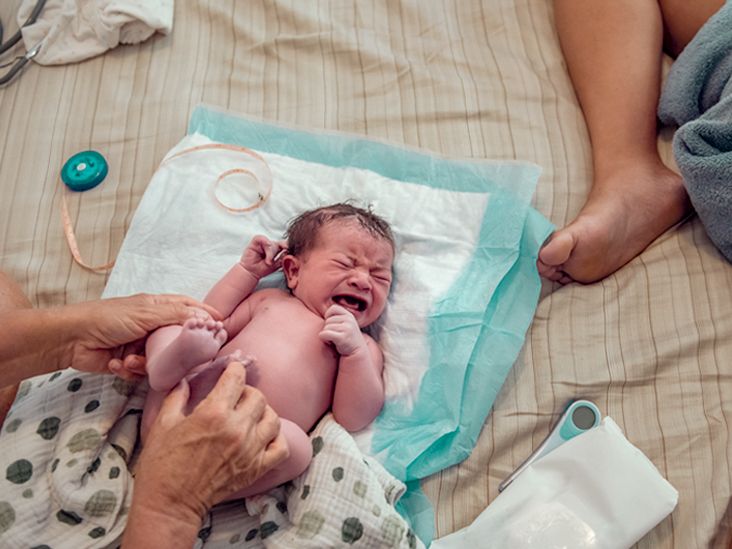
For some families, the idea of giving birth at home sounds peaceful, empowering, and deeply personal. No fluorescent lights. No hospital trays rattling around at 2 a.m. No one barging in right when you finally get comfortable. Just your space, your people, your snacks, and maybe a playlist that starts with calming piano and somehow ends with Beyoncé.
But home birth is one of those topics that deserves more than dreamy Instagram photos and dramatic comment sections. It deserves nuance. A planned home birth can offer comfort, privacy, and a lower-intervention experience for carefully selected low-risk pregnancies. At the same time, labor can change fast, and when it does, speed matters. That is why the home birth debate is not really “good” versus “bad.” It is more about who is a good candidate, what support is in place, and how realistic the emergency backup plan actually is.
This guide breaks down the real pros and cons of home birth, who may be a safer candidate, what the major risks are, and the practical questions to ask before making a decision. The goal is not to scare you into one choice or cheerlead you into another. The goal is to help you think clearly, plan wisely, and avoid making a life-changing decision based on vibes alone.
What Is a Planned Home Birth?
A planned home birth is exactly what it sounds like: giving birth at home by choice, typically with a trained midwife and a birth plan in place. This is different from an accidental home birth or an unassisted birth with no qualified provider present. That distinction matters. A planned home birth involves prenatal screening, labor support, monitoring of the parent and baby, basic emergency equipment, and a clear plan for transfer to a hospital if something changes.
In the United States, most home births are attended by midwives, though credentials vary by state and by provider. Some families also work with a doula, but a doula is not a medical provider and does not replace a licensed or certified birth attendant. A qualified home birth team may bring oxygen, medications for specific situations, sterile supplies, newborn resuscitation equipment, and tools to monitor vital signs. In other words, a planned home birth is not supposed to look like “winging it in the living room with a scented candle and optimism.”
Why Some Families Choose Home Birth
People choose home birth for many reasons, and not all of them are medical. For some, the appeal is emotional. For others, it is cultural, logistical, or financial. A few common reasons come up again and again.
1. More comfort and privacy
Home is familiar. You control the lighting, noise, visitors, food, and atmosphere. That sense of comfort can help some laboring parents feel calmer and more in control.
2. Fewer routine interventions
One of the biggest attractions of home birth is the possibility of a lower-intervention labor. Families who want freedom of movement, spontaneous pushing, fewer vaginal exams, less continuous electronic monitoring, and a lower chance of interventions such as induction, epidural use, assisted vaginal delivery, or cesarean birth often find the home setting appealing.
3. More personalized support
Home birth care often includes longer prenatal visits and more one-on-one time with the midwife. That continuity can build trust and make labor feel less like a shift change and more like actual care from someone who knows your story.
4. Cultural or personal values
Some families want a birth experience that feels more aligned with their spiritual beliefs, family traditions, or view of childbirth as a physiologic life event rather than a medical procedure. Others may have had a disappointing or traumatic hospital birth before and want a different experience this time.
5. Family-centered environment
Home birth may make it easier to include partners, siblings, and loved ones in ways that feel relaxed and meaningful. The early postpartum period can also feel smoother when there is no discharge process, no room switch, and no car-seat installation panic in a hospital parking garage.
The Pros of Home Birth
When a planned home birth is chosen carefully and attended by a qualified provider, there can be real benefits. These benefits are not imaginary, and pretending otherwise does not help anyone make a smart decision.
A calmer environment
Stress can affect labor. While home birth is not automatically magical, many people do feel more relaxed in their own space. They can move freely, labor in water if appropriate, eat according to their plan, and avoid the feeling of being observed by a revolving cast of strangers.
Lower intervention rates
Research on planned home birth in low-risk pregnancies often finds lower rates of labor interventions. That can mean fewer inductions, fewer epidurals, fewer instrumental deliveries, and lower cesarean rates. For people who strongly prefer an unmedicated vaginal birth, that matters.
Potentially better sense of control
Control is not the same thing as safety, but it still matters. Many families report feeling more heard and more respected when they are active participants in decisions about pain management, movement, positions, and immediate newborn care.
Early bonding and easier transition home
At home, there is no transport to a postpartum room, no overhead speaker announcing someone else’s lunch order, and no pressure to recover in a place that smells faintly of disinfectant and mystery soup. For some families, immediate skin-to-skin contact, breastfeeding initiation, and settling in with the baby feel more natural in the home setting.
Lower overall cost in some cases
Home birth can cost less than hospital birth, although insurance coverage varies widely. The “cheaper” option can become less cheap very quickly if a transfer happens, so this should never be the only reason for choosing it.
The Cons of Home Birth
Now for the part that deserves real attention: the downsides. Home birth risks are not just theoretical. Labor can look low-risk at breakfast and become high-stakes by dinner.
Emergency care is not immediate
This is the biggest concern. If a baby has trouble breathing, if there is heavy bleeding, if labor stops progressing, if the umbilical cord slips, or if fetal distress appears suddenly, a hospital has immediate access to surgical teams, anesthesia, blood products, neonatal specialists, and advanced monitoring. A house does not. Even a short delay can matter.
Higher neonatal risk in U.S. guidance and data
Major U.S. medical organizations continue to say that hospitals and accredited birth centers are the safest settings for birth. Planned home birth in the United States has been associated in several analyses with a higher risk of certain newborn complications, including infant death, seizures, and serious neurologic problems, even though the absolute risk remains low.
Not everyone is a good candidate
Home birth is generally not recommended for high-risk pregnancies. Risk factors such as breech presentation, multiple gestation, prior cesarean birth, high blood pressure, diabetes, preterm labor risk, or significant maternal health conditions can raise the danger level quickly.
Transfer is common enough that it should be expected, not treated as failure
Hospital transfer during a planned home birth is not rare. It is more common for first births and often happens for stalled labor, pain relief, maternal exhaustion, fever, bleeding, or concern about the baby’s status. A transfer is not a sign that anyone “did it wrong.” It is a sign that labor can be unpredictable and that good planning matters.
Provider qualifications vary by state
One challenge in the United States is that home birth systems are not standardized across all states. Midwife training, licensure, hospital relationships, insurance coverage, and transfer protocols differ. Two home birth experiences can look similar on social media and be worlds apart in actual safety planning.
Limited pain management options
If you want an epidural, a home birth is not your lane. Home birth pain support usually includes labor positioning, water, massage, breathing, movement, and emotional coaching. For some people, that is enough. For others, after 17 hours of labor, the phrase “I would now like modern medicine, thank you” becomes extremely relatable.
Who May Be a Better Candidate for Home Birth?
While recommendations vary, planned home birth tends to be considered more reasonable when several conditions are present at the same time:
- The pregnancy is low-risk and uncomplicated.
- There is one baby, not twins or more.
- The baby is head-down.
- The birth is at term.
- There is no prior cesarean birth.
- A qualified midwife is attending.
- A collaborative relationship with a nearby hospital exists.
- The home is close enough to a hospital for rapid transfer.
- The family understands that transfer may still happen.
That last point deserves a gold star. The safest home birth mindset is not “Nothing will go wrong.” It is “If something changes, we already know exactly what happens next.”
Who Should Think Twice or Avoid Home Birth?
A planned home birth is generally a poor fit when pregnancy or labor has known risk factors. Examples include:
- Breech presentation
- Twins or higher-order multiples
- Prior cesarean birth
- Preeclampsia or chronic hypertension
- Diabetes with complications
- Preterm labor risk
- Placental problems
- Known fetal complications
- Long distance from a hospital
- No qualified home birth provider available
It is also worth noting that an unassisted birth is not the same conversation as a planned home birth with a trained attendant. Those are entirely different risk categories.
Questions to Ask Before Choosing Home Birth
If you are considering home birth, ask your provider practical questions, not just inspiring ones.
About the provider
- What are your credentials and licenses?
- How many home births have you attended?
- What equipment and medications do you bring?
- Do you provide newborn resuscitation if needed?
- How do you monitor the baby during labor?
About emergencies
- What are your most common reasons for transfer?
- Which hospital would I go to?
- Do you have a relationship with that hospital?
- How long would transport take?
- When do you call EMS versus travel by car?
About postpartum and newborn care
- How do you manage heavy bleeding after birth?
- Who checks the baby after delivery?
- How are newborn screening, vitamin K, hearing screening, and follow-up arranged?
- How soon do you come back after the birth?
So, Is Home Birth Safe?
The honest answer is: it depends, and that is not a cop-out. It depends on the pregnancy, the provider, the emergency plan, the distance to a hospital, and the strength of the local maternity care system. Evidence suggests that carefully selected low-risk home births can involve fewer interventions and positive maternal experiences. At the same time, major U.S. organizations still conclude that hospitals and accredited birth centers are the safest settings overall because newborn risk appears higher in U.S. home birth data and because emergencies can become urgent with very little warning.
That means the smartest decision is not the one that sounds most natural or most medical. It is the one that matches your real risk profile and your actual support system. Birth is not a personality test. You do not win extra points for choosing the most rustic location.
Experiences Related to Home Birth: What Families Commonly Describe
Many families who plan a home birth describe the experience as deeply intimate and emotionally grounding. A common theme is that labor feels less like a hospital event and more like a major family milestone unfolding in familiar space. People often talk about being able to walk their own hallway, lean over their own couch, get into their own bathtub, and hear their own music instead of monitors beeping in the background. That sense of familiarity can make labor feel less clinical and, for some, more manageable. Partners also frequently report feeling more involved because they are not navigating hospital routines, visitor rules, or a constantly changing care team.
Another common experience is the feeling of continuous support. Families who choose home birth often say their prenatal care felt more personal, with longer visits and more conversation about nutrition, movement, mental health, fears, and birth preferences. During labor, they may feel less rushed and less likely to experience a cascade of interventions. For people who value mobility, quiet, privacy, and freedom to labor in different positions, the home setting can feel empowering. Some parents remember the first moments after birth especially vividly: the baby placed on the chest right away, dim lights, familiar blankets, a meal in their own kitchen, and the strange but beautiful realization that life has completely changed and yet the room still looks like home.
But not every home birth story is candlelight and acoustic guitar. Some families describe the intensity of labor at home as more overwhelming than expected. The absence of hospital pain management can be a major challenge. A person who felt committed to an unmedicated birth at 38 weeks may feel very differently after many hours of back labor. Transfers to the hospital are often emotional, even when they are not emergencies. Families sometimes say they felt disappointed, guilty, or as if they had failed, especially when the original goal was to avoid the hospital entirely. In reality, transfer is often a normal part of safe decision-making, not a failure of preparation or commitment.
Providers and parents also describe how much the quality of the team matters. Families who had a positive experience often mention a midwife who communicated clearly, stayed calm, explained options, and treated a transfer plan as a normal part of birth preparation. On the other hand, negative experiences are more likely when families were not good candidates to begin with, underestimated how quickly complications can develop, or did not fully understand the limits of out-of-hospital care. In that sense, the strongest home birth experiences are usually the ones built on realism rather than ideology.
There is also a practical side people talk about after the fact. Some love waking up the next morning in their own bed with their baby nearby and no discharge paperwork in sight. Others are surprised by how quickly the cleanup, follow-up, and newborn logistics arrive. Even after a beautiful birth, families still need feeding support, postpartum monitoring, pediatric care, and help adjusting to the emotional roller coaster of the newborn stage. The most grounded reflections tend to sound like this: home birth can be wonderful for the right person in the right circumstances with the right team, but it is never a shortcut around the reality that childbirth is powerful, unpredictable, and worthy of careful planning.
Final Thoughts
Home birth offers real advantages for some families: comfort, privacy, continuity, and a lower-intervention approach that can feel empowering and deeply personal. But those benefits do not erase the central truth that childbirth can change quickly, and when it does, access to emergency care matters.
If you are considering a home birth, do not base the decision on fear of hospitals alone or on dreamy online birth stories alone. Base it on your medical history, your pregnancy risk level, your provider’s credentials, your distance from a hospital, and the quality of your backup plan. The best birth plan is not the one that sounds most beautiful in theory. It is the one that protects both parent and baby in real life.