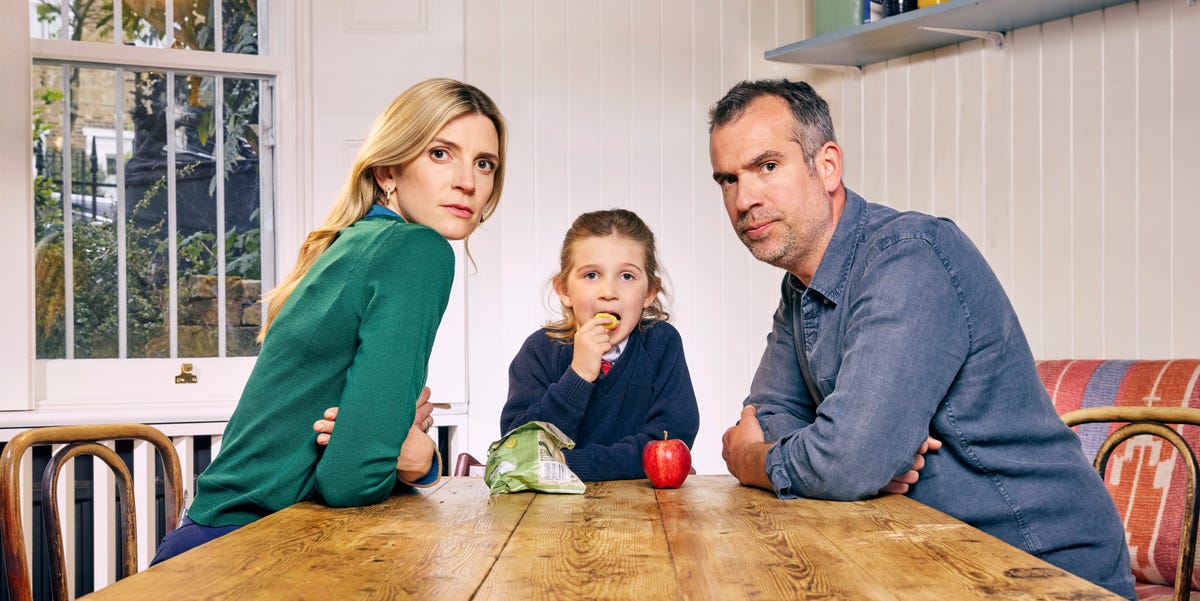
If you picture healthy eating experts feeding their families on jewel-toned grain bowls every night while their children happily request roasted fennel, I regret to inform you that reality is wearing mismatched socks and asking whether pasta counts as a vegetable. The truth is much more useful than the fantasy. Families led by nutrition-minded parents do not eat perfectly. They eat strategically.
That strategy is what makes the difference. Instead of chasing food fads, they lean on patterns that are calm, repeatable, budget-aware, and forgiving. Meals are built around produce, whole grains, beans, dairy or dairy alternatives, and simple proteins. Water shows up often. Snacks are planned instead of improvised in a moment of emotional weakness beside a bag of chips. And perhaps most importantly, these households do not treat every meal like a courtroom drama.
So what does it really look like when healthy eating experts feed their own families? Not glamorous. Not rigid. Not suspiciously perfect. It looks like a bowl of chili with beans and vegetables. It looks like pasta night with a crisp salad and fruit on the side. It looks like breakfast-for-dinner when everyone is tired, and frozen peas making a heroic last-minute appearance. In other words, it looks like food that real people can actually cook and eat on a Tuesday.
The Real Formula: Simple, Balanced, Repeatable
The biggest myth about healthy family eating is that it has to be complicated. In practice, experts tend to rely on a simple formula rather than a long list of rules. A meal usually includes some produce, a source of protein, a satisfying carbohydrate, and enough flavor to prevent everyone from feeling like they are being punished for existing. That formula works whether dinner is salmon and brown rice or black bean quesadillas with sliced peppers and oranges.
This is why healthy eaters at home rarely obsess over one “superfood.” They think more in patterns: more plants, more fiber, better drink choices, fewer sugar-heavy defaults, fewer ultra-processed foods crowding out the basics, and more meals eaten at the table instead of in the car with fries performing a slow-motion landslide into the back seat.
They Don’t Cook Separate Meals for Everyone
One of the most consistent habits in expert households is the “one family meal” approach. That does not mean parents become tiny kitchen dictators. It means they avoid turning dinner into a custom-order restaurant where one child wants toast, another wants plain noodles, and an adult quietly considers moving to a lighthouse.
Healthy eating experts generally serve one main meal with a few familiar components on the table. There is usually at least one “safe” food that most people in the family will eat, plus one or two items that gently stretch everyone’s comfort zone. Maybe it is baked chicken, rice, cucumber slices, and sautéed green beans. Maybe one child only eats the rice and chicken the first few times. That is fine. The meal is still a win because repeated exposure matters.
At home, healthy eaters know that pressure often backfires. Nagging, bribing, bargaining, and the famous line “just one more bite” may feel productive in the moment, but they can turn food into a power struggle. A calmer approach works better: serve the food, let kids see it often, let them touch it, smell it, reject it dramatically, and come back to it later. Today’s sworn enemy can become next month’s acceptable side dish.
Vegetables Show Up Constantly, Not Magically
Experts do not wait for a mythical evening when everyone suddenly falls in love with broccoli. They simply keep vegetables in the rotation. Not as punishment. Not as a moral lesson. Just as a normal part of eating.
That usually means vegetables appear in easy, low-friction ways: carrot sticks at lunch, frozen peas stirred into pasta, peppers added to tacos, spinach folded into eggs, cucumbers next to sandwiches, tomato soup with grilled cheese, fruit with breakfast, salad with pizza, and beans in soups, chilis, and grain bowls. This matters because healthy eating at home is often less about dramatic overhauls and more about making produce ridiculously easy to reach.
Many healthy eating experts also know the secret power of produce that is already washed, chopped, frozen, canned, or otherwise ready to go. Convenience is not the enemy of nutrition. In fact, convenience is often nutrition’s best friend. A bag of frozen mixed vegetables has saved more weeknight dinners than motivational speeches ever will.
They Use Convenience Foods Without the Guilt Monologue
Speaking of frozen vegetables, let us retire the idea that healthy family eating requires daily pilgrimages to a farmers market. Families with the healthiest routines often rely on practical shortcuts: canned beans, rotisserie chicken, frozen berries, bagged salad, microwaveable brown rice, yogurt cups, whole-grain bread, pre-cut fruit, and soup that starts with a respectable carton and improves with a handful of leftovers.
The trick is not avoiding convenience. The trick is using it wisely. Experts tend to choose shortcuts that still move the meal toward balance. A convenience food becomes useful when it helps dinner happen before everyone gets so hungry that “balanced meal” is replaced by “crackers over the sink.”
This is one reason healthy families often eat the same meals on rotation. Repetition reduces stress. Taco night, pasta night, curry night, baked potato night, and omelet night may not sound flashy, but they make healthy eating easier because they reduce decision fatigue. Fancy is optional. Feeding people well is the point.
Drinks Stay Boring on Purpose
In many expert households, the drinks are almost aggressively unexciting. Water is the main character. Plain milk or fortified unsweetened alternatives may appear, depending on age and preference. Sweet drinks are not forbidden forever, but they are not treated like a default household utility either.
This quiet habit matters more than it sounds. When sugary drinks become routine, they can crowd out more nutritious choices and make the whole family accustomed to sweetness on autopilot. Experts know it is easier to shape habits when water is normal, accessible, cold, and boring in the best possible way. A pitcher in the fridge, reusable bottles by the door, sliced citrus in a glass jar, and suddenly hydration looks less like a lecture and more like a habit.
And yes, some healthy eating experts absolutely serve juice, hot chocolate, or soda now and then. They just do not let those beverages set the tone for the whole day. There is a difference between having a treat and building a household around treats wearing a juice-box disguise.
Snacks Are Planned, Not Random
Another behind-the-scenes truth: healthy eating experts do not leave snack time to vibes. They know that when kids come home starving, adults are tired, and dinner is still forty-five minutes away, civilization becomes fragile. Planned snacks prevent chaos.
A smart snack is usually built from two satisfying pieces: produce plus protein, or whole grain plus protein, or dairy plus fruit. Think apple slices with peanut butter, yogurt with berries, cheese with whole-grain crackers, hummus with carrots, toast with egg, banana with nuts, or a smoothie that actually contains something besides hope.
Experts also tend to portion snacks in ways that respect appetite without making every afternoon feel like an all-day grazing festival. The goal is to take the edge off hunger, not to accidentally replace dinner with six snack episodes and a handful of cereal eaten while standing.
They Care About the Mealtime Mood
Healthy family eating is not just about nutrients. It is also about atmosphere. Families who do this well understand that the emotional climate around food matters. If every dinner feels tense, rushed, or full of commentary about what someone “should” be eating, even a technically balanced meal can create an unhealthy relationship with food.
That is why experts often protect simple mealtime rituals. Sit down when possible. Put the food in the middle. Let kids serve themselves some components when age-appropriate. Keep screens away, or at least try to. Talk about the day. Do not perform a running nutritional audit of everyone’s plate like a sportscaster with a clipboard.
Family meals do not have to happen seven nights a week to matter. Even a few shared meals can create structure, connection, and better odds that everyone eats something closer to a real meal than a processed snack collection. Consistency beats perfection here, too.
They Don’t Moralize Food
Here is another thing healthy eating experts often do at home: they stop talking about food like it has a personality. Cake is not “bad.” Broccoli is not “virtuous.” Pasta is not a personal failure. Food is food, and while some choices are more nourishing than others, turning dinner into a morality play tends to create more anxiety than health.
That does not mean all foods are nutritionally identical. Obviously they are not. It means experts usually teach balance without attaching shame. Cookies can exist in the same family as lentil soup. Pizza can happen on Friday night without triggering a Monday cleanse. Ice cream can be dessert, not a symbol of society’s collapse.
This flexible mindset is especially powerful in families because children notice tone. When adults speak calmly about food, model enjoyment of many different foods, and avoid constant dieting chatter, kids are more likely to build a steady relationship with eating instead of learning that every bite comes with emotional paperwork.
Healthy Eating Experts Respect Real Life
For all the polished public messaging around healthy eating, experts at home are usually dealing with the same obstacles as everyone else: tight schedules, grocery prices that seem personally insulting, picky phases, long workdays, low energy, and the universal mystery of why children can smell onions from three rooms away.
That is why their family meals often include budget-friendly staples like oats, beans, potatoes, eggs, yogurt, canned fish, peanut butter, pasta, rice, frozen vegetables, and seasonal fruit. These foods are accessible, versatile, filling, and easy to build into a week. Healthy family eating is often less about premium ingredients and more about smart defaults.
Leftovers are another quiet superpower. Experts know that eating well gets easier when lunch is yesterday’s soup, when extra rice becomes fried rice, when roasted vegetables become a frittata, and when one batch of turkey meatballs quietly handles dinner, lunchboxes, and the midweek “what is everybody eating?” crisis.
What This Looks Like on an Actual Weeknight
So what might a realistic dinner from a healthy eating expert’s home look like? Maybe salmon, potatoes, and green beans. Maybe bean chili topped with yogurt and served with toast. Maybe whole-wheat pasta with tomato sauce, mushrooms, and a side salad. Maybe chicken tacos with black beans, shredded cabbage, avocado, and fruit. Maybe scrambled eggs, toast, and berries because everyone is tired and nobody has the emotional range for a casserole.
The common thread is not culinary perfection. It is the pattern: a mix of food groups, regular produce, smart use of convenience, familiar routines, and a household culture that makes nourishing choices the default instead of a dramatic once-a-week event.
Real-Life Experiences Families Often Have When They Eat This Way
When families start borrowing these habits, the first experience is usually not cinematic transformation. It is mild resistance. Someone asks where the “fun snacks” went. Someone notices that water is showing up more often. Someone complains that the pasta now has peas in it, as though peas are a violation of international law. That stage is normal. Healthy family eating often begins with friction because routines, even unhelpful ones, feel familiar.
Then something interesting happens. The drama starts to drop. Not instantly, but steadily. Parents who stop making separate meals often report that dinner becomes less exhausting. There is less negotiating, less last-minute scrambling, and fewer moments of opening the fridge like it contains emotional answers. When one family meal becomes the norm, even picky eaters begin to understand the structure. They may not eat everything, but they know what to expect.
Another common experience is that repeated exposure works in sneaky ways. A child who ignored roasted carrots for three weeks may suddenly eat one on week four. A teenager who rolled their eyes at bean chili may start adding extra cheese and declaring it “actually fine,” which in family translation is basically a Michelin star. Adults benefit too. Many parents realize they themselves were stuck in a food rut and begin eating a wider mix of vegetables, grains, and proteins simply because they are cooking with more intention.
Families also notice the power of planning snacks. Afternoon meltdowns get less dramatic when there is a predictable option like yogurt and fruit, toast with nut butter, or hummus with crackers. Children come to dinner less frantic, and adults are less likely to dive headfirst into random packaged foods while trying to cook. It is not glamorous, but a decent snack at the right time can save the mood of an entire evening.
Budget is another area where these habits often help more than people expect. Beans, lentils, eggs, oats, potatoes, and frozen vegetables are not trendy, but they are practical. Families who lean on these staples often discover that healthy eating does not require expensive specialty products. In fact, the opposite is often true. The more a family builds meals from basic ingredients and simple patterns, the less money disappears into impulse buys, takeout, and single-use snack foods that evaporate in two days.
Perhaps the most meaningful experience is emotional. Families who stop labeling foods as “good” and “bad” often describe a calmer household. Dessert becomes less dramatic. Vegetables become less symbolic. Meals feel more normal. Children learn that eating well is not a performance. It is just something the family does, imperfectly but regularly. That may be the most expert move of all.
The Bottom Line
How do healthy eating experts really feed their families? With structure, not perfection. With vegetables that keep reappearing. With beans, eggs, yogurt, pasta, fruit, and practical proteins. With planned snacks, boring drinks, repeated exposure to new foods, and a refusal to turn dinner into a negotiation summit.
The lesson is refreshingly ordinary. The healthiest family table is usually not the most expensive, the trendiest, or the most photogenic. It is the one that makes nourishing food easier to serve, easier to enjoy, and easier to repeat tomorrow. That is what healthy eating experts understand. And honestly, it is a lot more useful than a flawless salad bowl on the internet.