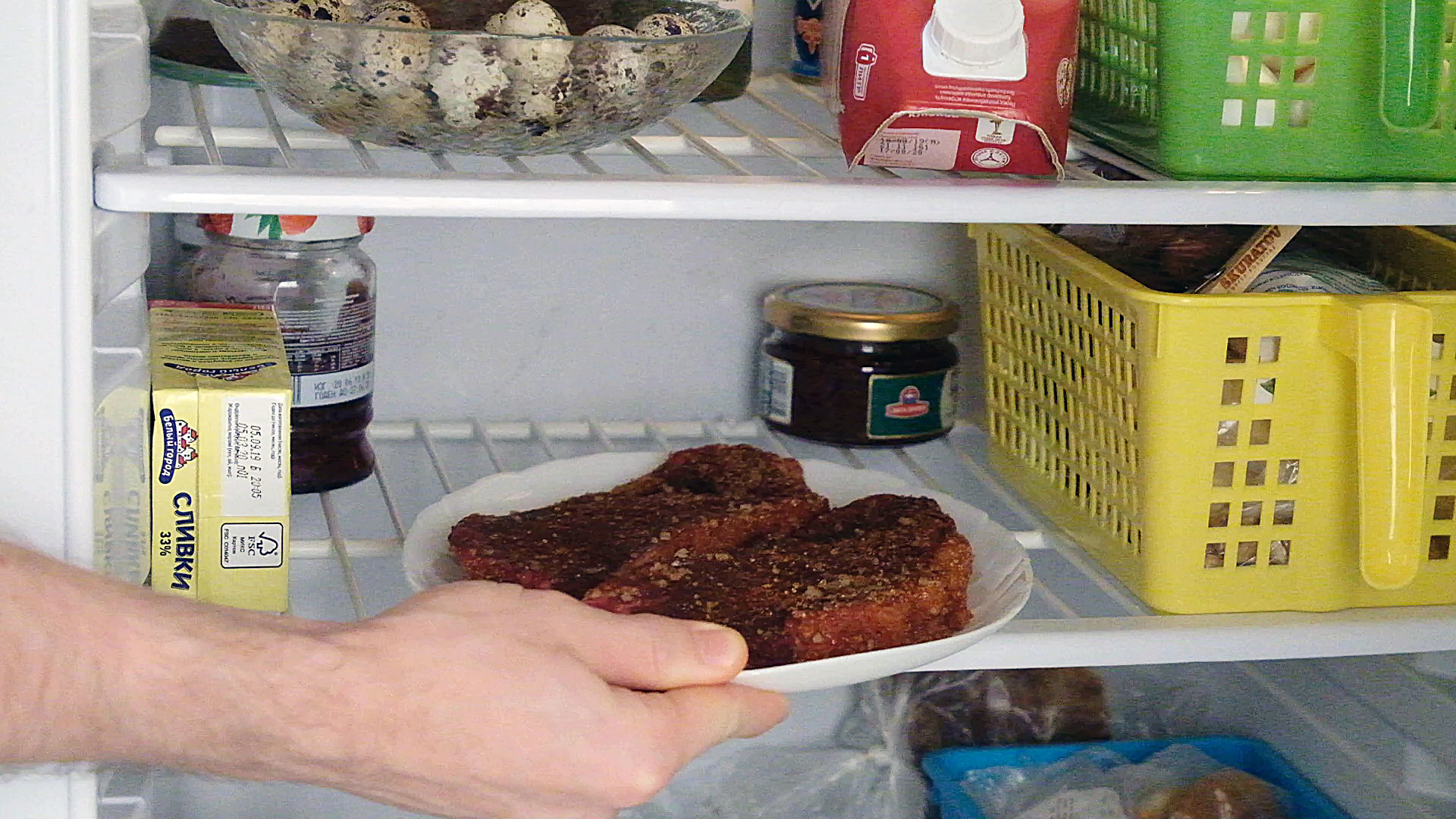
A great steak does not need a tuxedo, a motivational speech, or a pool of sauce trying too hard. Sometimes all it needs is a smart dry rub, a hot cooking surface, and a little patience from the person holding the tongs. Learning how to apply a dry rub to steak is one of the easiest ways to build bold flavor, encourage a better crust, and make an ordinary weeknight dinner feel suspiciously like something from a steakhouse.
A dry rub is a blend of dry seasoningsusually salt, pepper, spices, herbs, and sometimes sugarthat is sprinkled, pressed, and rested on the surface of meat before cooking. Unlike a marinade, it does not soak the steak in liquid. That matters because surface moisture is the enemy of deep browning. When your steak hits the grill or skillet, a dry surface can sear faster, creating that savory crust everyone pretends they are not fighting over.
In this guide, you will learn the seven practical steps for applying a dry rub to steak, including how much rub to use, when to apply it, which mistakes to avoid, and how to adjust the method for ribeye, New York strip, sirloin, flank steak, skirt steak, filet mignon, and other popular cuts. Grab your spices. The steak is about to get interesting.
What Is a Dry Rub for Steak?
A dry rub for steak is a seasoning mixture applied directly to the meat before cooking. It is called “dry” because it does not rely on liquid ingredients like vinegar, wine, citrus juice, soy sauce, or oil as the main flavor carrier. A basic steak rub can be as simple as kosher salt, black pepper, and garlic powder. A more layered version might include smoked paprika, onion powder, chili powder, cumin, mustard powder, cayenne, dried herbs, espresso powder, or a small amount of brown sugar.
The goal is not to bury the beef under a spice landslide. Steak has its own rich, beefy flavor, especially cuts with good marbling such as ribeye or strip steak. A good dry rub should boost that flavor, not make the steak taste like it fell into a camping pantry.
Why Dry Rub Works So Well on Steak
Dry rubs work because they season the surface, support browning, and create contrast. Salt draws out a small amount of moisture at first, thengiven enough timehelps some of that seasoned liquid move back into the meat. Spices stay mostly on the surface, where heat wakes up their aroma and helps form a flavorful crust. Pepper adds bite. Garlic and onion powder add savory depth. Paprika contributes color and mild sweetness. Sugar, when used carefully, encourages caramelization.
The best part? Dry rubs are fast. You do not need to plan a three-day culinary ceremony unless you want to. A steak can be rubbed right before cooking, rested for 15 to 30 minutes, or seasoned several hours ahead depending on the rub and your schedule.
Easy Steak Dry Rub Formula
Before learning the seven steps, it helps to start with a dependable rub. This simple blend works for most steaks and can be adjusted based on taste.
Basic All-Purpose Steak Dry Rub
- 2 teaspoons kosher salt
- 2 teaspoons coarse black pepper
- 1 teaspoon garlic powder
- 1 teaspoon onion powder
- 1 teaspoon smoked paprika
- 1/2 teaspoon chili powder
- 1/4 teaspoon cayenne pepper, optional
- 1 teaspoon brown sugar, optional for grilling or moderate-heat searing
This makes enough for about two large steaks or three smaller steaks. If your steak is already salted, or if your commercial rub contains salt, reduce or skip the added salt. The fastest way to ruin a beautiful ribeye is to season it like you are trying to preserve it for the next century.
How to Apply a Dry Rub to Steak: 7 Steps
Step 1: Choose the Right Steak
Dry rub works on nearly every steak, but the best approach depends on the cut. Ribeye loves bold rubs because its fat can handle strong seasoning. New York strip works beautifully with classic salt, pepper, garlic, and paprika. Sirloin benefits from extra savory spices because it is leaner. Filet mignon is delicate, so keep the rub simple and avoid overwhelming it. Flank and skirt steak can take bolder flavors like cumin, chili powder, coriander, and smoked paprika.
Thickness also matters. A steak that is 1 to 1 1/2 inches thick gives you enough time to build a crust without overcooking the center. Very thin steaks cook quickly, so use a lighter hand with sugar-heavy rubs because they can burn before the steak is done.
Step 2: Pat the Steak Completely Dry
Before seasoning, remove the steak from its packaging and pat every side dry with paper towels. Do not skip this step. Moisture on the surface turns into steam when it hits heat, and steam is not how you get a steakhouse crust. Steam is what happens when your steak is quietly giving up.
Dry the top, bottom, and edges. If the steak has excess surface moisture after sitting in the refrigerator, pat it again. For steaks that were vacuum-sealed or thawed from frozen, this step is especially important because they often hold extra liquid on the surface.
Step 3: Mix the Dry Rub Before It Touches the Meat
Combine your spices in a small bowl before touching the raw steak. This keeps your spice jars clean and helps the rub distribute evenly. If brown sugar has clumps, break them apart with a fork. If you are using coarse spices such as cracked pepper, mustard seed, or coriander, make sure the pieces are not so large that they fall off the steak instead of sticking to it.
For a balanced steak rub, think in layers: salt for seasoning, pepper for sharpness, garlic and onion powder for savory flavor, paprika for color, chili or cayenne for heat, and a small amount of sugar for browning. Fresh herbs can be delicious, but dried herbs are usually better in a dry rub because they cling more evenly and do not add moisture.
Step 4: Apply the Rub Evenly on All Sides
Sprinkle the rub from several inches above the steak instead of dumping it in one sad little mountain. This gives you more even coverage. Season the first side, flip the steak, season the second side, then season the edges. The edges matter, especially on thick steaks. A ribeye with a well-seasoned fat cap is a small miracle with grill marks.
A good rule is to use about 1/2 to 1 teaspoon of dry rub per pound if the rub is salty, or 1 to 2 teaspoons per pound if it is lower in salt. For very thick steaks, you can use more because there is more interior meat to balance the seasoning. For thin steaks, use less because the seasoning-to-meat ratio is higher.
Step 5: Press the Rub In, But Do Not Scrub the Steak
Once the rub is on the steak, gently press it into the meat with your hands. The keyword is “press,” not “massage like you are helping the steak recover from tax season.” You want the spices to stick, but you do not need to grind them into the surface.
If your steak is very lean, you can lightly brush it with a neutral oil before applying the rub. Use only a thin coating. Too much oil can make the rub slide around and interfere with browning. Fatty steaks like ribeye usually do not need much help because their natural fat does plenty of flavor work once the heat begins.
Step 6: Let the Steak Rest After Rubbing
Timing is where many home cooks get confused. You can apply a dry rub right before cooking, or you can season the steak well in advance. Both methods work. The awkward middle zone is when salt has drawn moisture to the surface but has not had enough time to reabsorb. That can make the steak wet right when you want it dry.
If you have only a few minutes, apply the rub and cook immediately. If you have more time, apply the rub at least 45 minutes before cooking, or refrigerate the steak uncovered for several hours or overnight. This longer rest acts like a dry brine when the rub contains salt. It seasons more deeply and dries the surface for better searing.
For rubs that contain a lot of sugar, delicate dried herbs, or finely ground spices, a shorter rest of 15 to 30 minutes may be better if you are cooking over very high heat. Sugar can burn, especially in a ripping-hot cast-iron skillet or over direct flames. If your rub is sugar-forward, watch the heat and flip as needed.
Step 7: Cook Hot, Check Temperature, and Rest Before Slicing
After the dry rub has done its job, cook the steak on a hot grill, cast-iron skillet, broiler, or griddle. High heat helps develop crust. For pan-searing, preheat the skillet until it is properly hot, add a small amount of high-heat oil, and lay the steak down carefully. For grilling, preheat the grates and clean them well so the rub does not stick and tear away.
Use a meat thermometer to check doneness instead of relying only on color, cooking time, or vibes from the steak universe. For food safety, whole beef steaks are commonly recommended to reach 145°F followed by a 3-minute rest. Many cooks prefer lower temperatures for medium-rare steak, but the safest approachespecially when serving children, older adults, pregnant people, or anyone with a weakened immune systemis to follow food safety temperature guidance.
After cooking, rest the steak for at least 5 minutes before slicing. Resting helps juices redistribute, making each bite more satisfying. Slice against the grain, especially for flank steak, skirt steak, and sirloin. If you slice with the grain, the steak may chew like a polite rubber band.
How Much Dry Rub Should You Use on Steak?
The right amount depends on the steak size, thickness, and salt level in the rub. A thick 16-ounce ribeye can handle more seasoning than a thin 6-ounce sirloin. If your rub contains salt, start modestly. You can always finish the cooked steak with flaky salt, but you cannot politely ask excess salt to leave once it has moved in.
For most homemade rubs, aim for a visible, even coating rather than a heavy crust of loose powder. You should still see the steak underneath. If the rub forms a thick dry layer that falls off when you lift the steak, you have gone too far.
Best Steak Cuts for Dry Rub
Ribeye
Ribeye is rich, fatty, and forgiving. It pairs well with bold rubs that include black pepper, smoked paprika, garlic, and chili powder.
New York Strip
Strip steak has a beefy flavor and firm texture. A classic rub with kosher salt, cracked pepper, onion powder, and garlic powder works beautifully.
Sirloin
Sirloin is leaner and benefits from a slightly more flavorful rub. Add smoked paprika, mustard powder, or a pinch of cumin for extra personality.
Filet Mignon
Filet is tender but mild. Keep the rub simple: salt, pepper, garlic powder, and maybe a touch of dried thyme.
Flank and Skirt Steak
These cuts love strong flavors. Try chili powder, cumin, coriander, garlic, paprika, and a tiny amount of brown sugar. Always slice against the grain after resting.
Common Dry Rub Mistakes to Avoid
Using Too Much Salt
Salt is essential, but too much turns dinner into a hydration challenge. Check whether your rub already contains salt before adding more.
Applying Rub to a Wet Steak
A wet steak prevents proper browning. Pat it dry first, then season.
Forgetting the Edges
The sides of a thick steak deserve seasoning too. Do not leave them bland and lonely.
Burning Sugar-Based Rubs
Sugar adds color and sweetness, but it burns over aggressive heat. Use moderate heat or apply sugar-heavy rubs closer to cooking time.
Cooking Without a Thermometer
A thermometer helps prevent overcooking and improves consistency. Guessing works occasionally, but so does finding money in old jeans. Neither is a strategy.
Flavor Variations for Steak Dry Rub
Classic Steakhouse Rub
Use kosher salt, coarse black pepper, garlic powder, onion powder, and a little smoked paprika. This is clean, beefy, and reliable.
Southwest Steak Rub
Mix chili powder, cumin, smoked paprika, garlic powder, onion powder, oregano, salt, and pepper. This works especially well on skirt steak and flank steak.
Coffee Steak Rub
Blend finely ground coffee, brown sugar, black pepper, smoked paprika, salt, and garlic powder. Coffee adds earthy bitterness that pairs well with rich beef.
Herb-Garlic Steak Rub
Combine garlic powder, onion powder, dried thyme, dried rosemary, black pepper, and kosher salt. This is excellent for filet mignon, sirloin, and strip steak.
Frequently Asked Questions
Should I oil steak before applying a dry rub?
You can, but it is not always necessary. A very thin coat of neutral oil can help spices stick to lean cuts. For marbled cuts like ribeye, oil is optional.
Can I leave dry rub on steak overnight?
Yes, if the rub is balanced and not overloaded with sugar or delicate herbs. Place the steak uncovered on a rack in the refrigerator so the surface dries while the salt seasons the meat.
Do I rinse off dry rub before cooking steak?
No. A dry rub is meant to stay on the steak. Rinsing removes seasoning and adds moisture, which works against crust formation.
Is dry rub better than marinade for steak?
For crust and quick cooking, dry rub often has the advantage because it does not wet the surface. Marinades can be useful for certain tougher cuts, but they may slow browning if the steak is not dried before cooking.
Can I use store-bought steak seasoning as a dry rub?
Yes. Just check the salt level. Many commercial steak seasonings are salt-heavy, so apply lightly until you know how strong they are.
Experience Notes: What Actually Happens When You Dry Rub Steak at Home
The first thing most home cooks notice after using a dry rub correctly is how much better the crust gets. It is not magic; it is surface management. When the steak is dry, evenly seasoned, and cooked on a properly hot surface, the outside browns instead of steaming. That difference is huge. A plain steak can taste good, but a well-rubbed steak has layers: salt first, pepper next, warm garlic, smoky paprika, a little heat, and then the deep savory flavor of browned beef.
One helpful experience is to test the same rub on different cuts. On ribeye, bold seasoning tastes luxurious because the fat carries the spices. On filet mignon, the same rub can feel too loud, like someone brought a marching band into a library. Filet needs restraint. On flank steak, however, a big smoky rub with cumin and chili powder can be exactly right because the cut has a strong grain and benefits from aggressive flavor.
Another practical lesson is that timing changes the final texture. When you rub a steak and cook it immediately, you get surface flavor and a fast dinner. That is perfect for busy nights. When you season it several hours ahead and let it rest uncovered in the refrigerator, the result is usually deeper flavor and better browning. The surface feels slightly tacky and dry, not wet. That is what you want. The steak may not look glamorous sitting there in the fridge, but neither does bread dough before it becomes pizza. Trust the process.
It is also worth learning how your cooking method affects the rub. A cast-iron skillet gives powerful crust, but it can burn sugar if the heat is too high for too long. A grill adds smoke and char, but flare-ups can scorch spices. A broiler can work well, but the top heat may darken the rub quickly. The solution is not to fear heat; it is to manage it. Move the steak, flip when needed, and use a thermometer instead of trying to prove you have ancient steak instincts.
Finally, the biggest improvement comes from resting the steak and slicing it correctly. A dry rub can build flavor, but bad slicing can still sabotage texture. For tender cuts, resting keeps the steak juicy. For flank and skirt steak, slicing against the grain is non-negotiable. Cut the wrong way and the steak becomes chewy; cut the right way and suddenly everyone thinks you bought a more expensive cut. That is the quiet power of technique: it makes simple food feel special without requiring a chef coat or dramatic kitchen music.
Conclusion
Learning how to apply a dry rub to steak is simple, but the small details matter. Choose the right cut, pat the steak dry, mix a balanced rub, season evenly, press gently, rest at the right time, cook with proper heat, and let the steak rest before slicing. Once you understand those steps, you can adjust the flavor in endless waysfrom classic steakhouse pepper and garlic to smoky barbecue, spicy Southwest, or bold coffee rub.
The best dry rub does not hide the steak. It makes the steak taste more like itself, only louder, crispier, and much more likely to disappear from the plate before anyone remembers to make a salad.
Note: Always handle raw steak safely, keep raw meat separate from ready-to-eat foods, wash hands and surfaces after contact, and use a meat thermometer when cooking for guests who need extra food-safety care.