Medical and product guidance synthesized from current Biofreeze manufacturer instructions, U.S. DailyMed labels, Poison Control, the Arthritis Foundation, FDA guidance, Mayo Clinic, Cleveland Clinic, AAOS, and Harvard Health.
When a sore shoulder, cranky knee, or overworked lower back starts complaining, Biofreeze can provide temporary cooling relief without requiring you to negotiate with an ice pack that keeps sliding onto the floor. However, topical pain relievers work best when they are applied correctlynot squeezed on like cake frosting or combined with a heating pad in a home experiment nobody requested.
This guide explains how to apply Biofreeze gel, roll-on, spray, cream, or patches safely in 10 practical steps. You will also learn how much to use, which mistakes to avoid, when to stop using it, and when muscle or joint pain deserves medical attention rather than another layer of menthol.
What Is Biofreeze?
Biofreeze is an over-the-counter topical analgesic used for the temporary relief of minor muscle and joint aches. Depending on the specific product, it may be marketed for discomfort associated with backaches, arthritis, bruises, sprains, strains, or overworked muscles.
Many Biofreeze products contain menthol, an ingredient classified as a counterirritant. Menthol creates a cooling sensation on the skin that can temporarily distract the nervous system from underlying discomfort. It does not repair a torn ligament, reverse arthritis, or magically erase the consequences of deciding that one more set of squats was a wonderful idea.
Biofreeze is available in several forms, including:
- Gel in tubes, pumps, or packets
- Roll-on applicators
- Aerosol or pump sprays
- Creams and foams
- Adhesive pain-relief patches
Directions and age restrictions can differ among these products. Some gels and roll-ons may be labeled for people age 2 and older, while certain sprays, creams, and patches may be labeled for ages 12 and older. Always read the Drug Facts panel on the exact container you own before applying it.
Formulations, age restrictions, and dosing differ by product; current labels should control.
How to Apply Biofreeze in 10 Steps
-
Step 1: Read the Label on Your Specific Product
Start with the Drug Facts label rather than relying on instructions you remember from another tube, an online comment, or your cousin who “uses it all the time.” Biofreeze gels, sprays, roll-ons, creams, and patches do not necessarily share identical directions.
Confirm the recommended age, number of daily applications, ingredients, warnings, and application method. Many products permit use three or four times per day, but the exact limit printed on your package is the one that matters.
Ask a healthcare professional before use when the label recommends it, particularly if you have sensitive skin, are pregnant or breastfeeding, are treating a child, or are uncertain whether your pain is appropriate for self-care.
-
Step 2: Identify the Painful Area
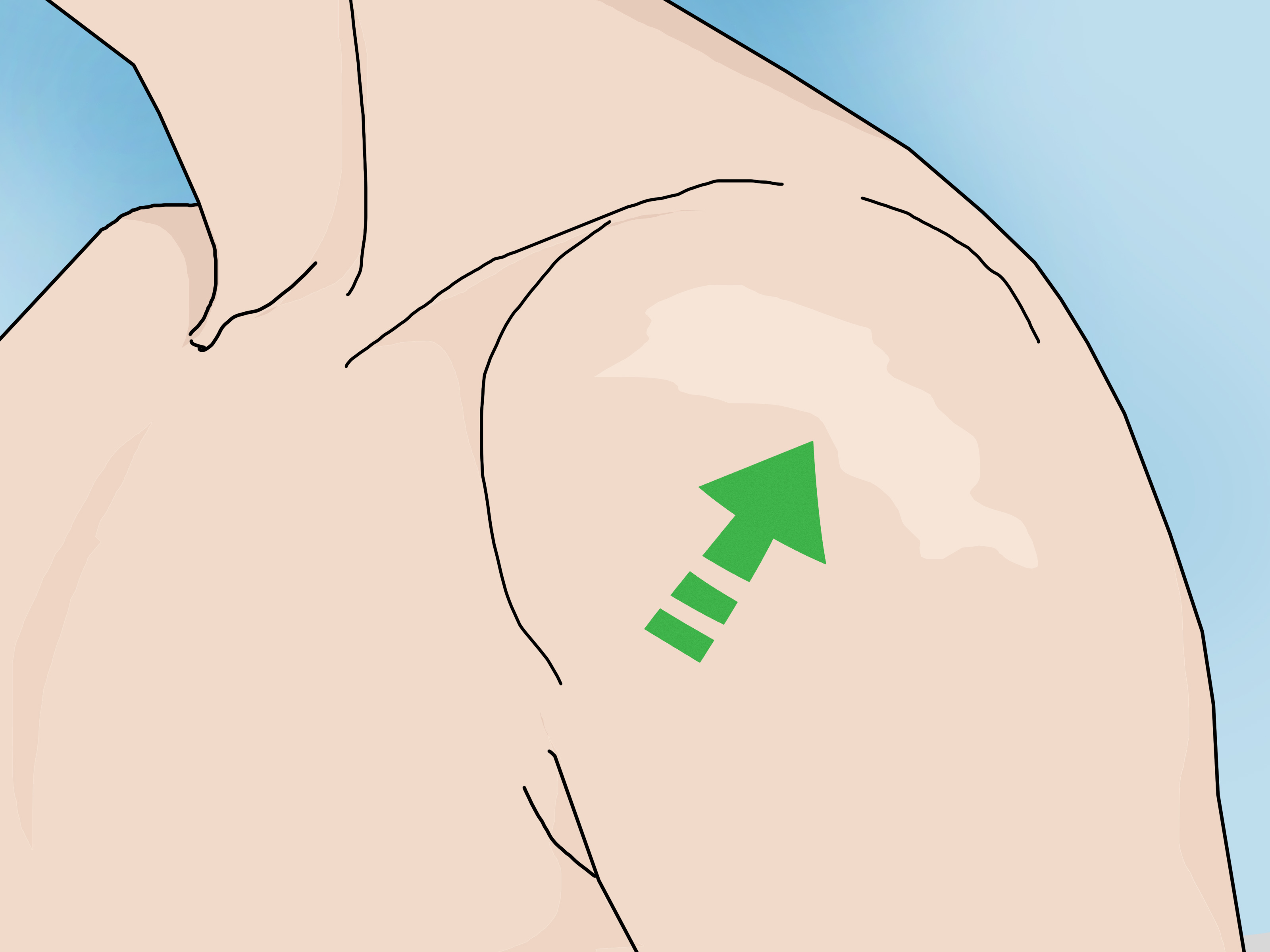
Biofreeze should be applied to intact skin over the muscle or joint that hurts. Take a moment to locate the discomfort accurately. For example, shoulder pain may come from the upper arm, shoulder joint, neck, or upper back. Applying half a bottle across the general neighborhood is not more scientific.
Topical menthol products are generally intended for minor, localized aches. Do not apply Biofreeze inside the mouth, nose, ears, or genital area. Keep it away from the eyes and other mucous membranes.
Do not use it to hide severe pain after a major injury. Significant swelling, deformity, inability to bear weight, numbness, weakness, chest pain, shortness of breath, or sudden unexplained pain requires medical evaluation.
-
Step 3: Inspect the Skin
Look closely at the treatment area before opening the product. The skin should be clean, intact, and reasonably healthy.
Do not apply Biofreeze over:
- Open cuts or punctures
- Scrapes or fresh abrasions
- Blisters
- Sunburn
- Rashes or inflamed skin
- Infected areas
- Fresh tattoos or recent cosmetic procedures
Damaged or irritated skin can absorb topical ingredients differently and may react more strongly. A cooling product on a scrape can quickly turn into a life lesson involving running water and regret.
-
Step 4: Clean and Dry the Area
Wash away sweat, dirt, lotion, sunscreen, and residue from other topical products. Dry the skin thoroughly with a clean towel.
This step is especially important before applying a patch because moisture, body oil, and lotion can prevent the adhesive from staying in place. Clean skin also reduces the temptation to layer Biofreeze over another medicated cream.
Do not apply it immediately after a hot shower, sauna session, or other activity that has heated the skin. Allow your skin to return to a comfortable temperature first. Heat can intensify the sensation and potentially increase irritation.
-
Step 5: Choose the Best Biofreeze Format
The ideal format depends on the size and location of the painful area.
- Gel or cream: Useful for both small and moderately large areas that are easy to reach.
- Roll-on: Convenient for targeted application without putting much product on your fingers.
- Spray: Helpful for difficult-to-reach areas such as the middle of the back.
- Patch: Provides longer contact with one specific area and can be convenient under loose clothing.
A spray may be easier for the back, while a roll-on may offer better control around a knee or elbow. A patch works best on relatively flat, dry skin and may not adhere well over a joint that bends constantly.
-
Step 6: Apply a Thin, Even Layer
For gel, cream, or roll-on Biofreeze, apply a thin film over the affected area. More product does not automatically create more relief. It mainly creates a stickier shirt, a stronger smell, and a faster trip back to the store for another tube.
Spread gel or cream evenly using light strokes. Vigorous massage is generally unnecessary unless the instructions on your product or advice from a healthcare professional says otherwise.
For spray products, hold the container at the distance stated on the label and spray an even layer over the painful area. Use sprays in a well-ventilated location, avoid inhaling the mist, and keep the container away from flames, cigarettes, candles, stoves, or excessive heat.
Because spray directions and age limits may differ from gel directions, do not assume that every Biofreeze container is interchangeable.
-
Step 7: Apply Patches Correctly
When using a Biofreeze patch, clean and completely dry the skin first. Partially peel away the protective film, position the exposed adhesive over the painful area, and press it onto the skin. Remove the remaining film gradually while smoothing down the patch.
Follow the package directions for wear time. Some Biofreeze patches are designed to remain in place for up to eight hours, but you should remove the patch sooner if you experience significant burning, itching, redness, swelling, or discomfort.
Do not cut a patch unless the manufacturer specifically states that cutting is allowed. Avoid placing it over broken skin, under a tight bandage, or beneath equipment that produces heat.
-
Step 8: Let the Product Dry Before Dressing
Give gel, cream, roll-on liquid, or spray time to dry before covering the area with clothing. This helps prevent the product from rubbing off onto fabric and spreading to places where menthol was not invited.
Loose clothing is usually more comfortable than tight compression garments over a freshly treated area. Do not wrap the skin tightly with plastic, athletic tape, elastic bandages, or other dressings unless a healthcare professional has specifically told you to do so.
Covering a topical pain reliever too tightly can trap the product against the skin and increase irritation. The same rule applies to braces: check the product label and ask a clinician when you need to use Biofreeze under a supportive device.
-
Step 9: Wash Your Hands With Cool Water
After applying Biofreeze, wash your hands thoroughly with cool water and soap. Cool water is specifically recommended on several Biofreeze labels. Hot water may make the cooling or burning sensation feel more intense.
Do not touch your eyes, insert contact lenses, rub your nose, prepare food, or handle a baby until your hands are clean. Menthol in the eye is memorable for all the wrong reasons.
A roll-on or spray can reduce direct contact with your fingers, but you should still wash your hands after use. Product can reach your hands from the cap, bottle, overspray, or treated skin.
-
Step 10: Monitor Your Skin and Pain
A cool or tingling sensation is expected, but intense burning is not a sign that the product is “working harder.” Stop using Biofreeze if you develop excessive irritation, severe pain, marked redness, swelling, blistering, or a rash.
Follow the daily application limit printed on your product. Do not reapply every time the cooling sensation fades, and do not combine Biofreeze with another topical analgesic unless a doctor or pharmacist confirms that the combination is appropriate.
Contact a healthcare professional if the condition worsens, lasts longer than the period listed on the packageoften seven daysor improves and then quickly returns. Persistent pain may require a diagnosis and treatment plan rather than increasingly creative menthol strategies.
Label directions include thin-film application, handwashing with cool water, avoiding wounds, avoiding tight bandages and heat, and limiting daily use.
Important Biofreeze Safety Rules
Never Combine Biofreeze With a Heating Pad
Do not place a heating pad, heated blanket, hot-water bottle, heat wrap, or similar device over Biofreeze. Product labels specifically warn against combining topical menthol pain relievers with external heat.
Heat can intensify skin exposure and increase the risk of irritation or burns. The same caution applies to using Biofreeze immediately before entering a sauna, hot tub, or very hot bath.
Do Not Layer It With Other Topical Pain Relievers
Avoid applying Biofreeze over or under another medicated cream, ointment, spray, patch, or liniment unless a healthcare professional approves the combination. Layering products can increase skin irritation and make it difficult to determine which ingredient caused a reaction.
This includes other products containing menthol, camphor, capsaicin, lidocaine, methyl salicylate, or topical anti-inflammatory medication.
Keep It Away From Flames
Some Biofreeze formulations are labeled as flammable. Keep containers and freshly sprayed areas away from open flames, smoking materials, sparks, and excessive heat. Do not puncture or burn an aerosol container, even when it appears empty.
Store It Away From Children and Pets
Store Biofreeze securely, with the lid closed, in a cool, dry location. Do not leave roll-ons or tubes where children may mistake them for deodorant, candy, or a fascinating object that obviously belongs in the mouth.
Biofreeze is for external use only. If it is swallowed, obtain medical help or contact Poison Control immediately. In the United States, Poison Control can be reached at 1-800-222-1222.
Use Extra Care With Sensitive Skin
People with sensitive skin may wish to ask a healthcare professional before using Biofreeze. A small test application on healthy skin may help identify irritation, although a successful test does not guarantee that a later reaction cannot occur.
Stop use if irritation becomes excessive. Seek urgent medical help for severe swelling, difficulty breathing, widespread hives, blistering, or other signs of a serious reaction.
Menthol can irritate skin and eyes; swallowing can be harmful. Labels warn against heat, flames, damaged skin, tight bandaging, and accidental ingestion.
Common Mistakes to Avoid
- Using a thick layer: A thin film is generally sufficient. Extra product increases mess and may increase irritation.
- Applying it to an open wound: Biofreeze belongs on intact skin, not cuts, scrapes, or blisters.
- Using hot water afterward: Wash your hands with cool water to avoid intensifying the sensation.
- Touching your eyes: Even a tiny amount can cause significant stinging and irritation.
- Using it under a heating pad: Cooling sensation plus external heat is not a clever balance; it is a safety risk.
- Wrapping the area tightly: Tight bandages can trap the product against the skin.
- Ignoring age restrictions: Check the exact label, especially for sprays, creams, and patches.
- Treating serious pain indefinitely: Temporary relief should not delay evaluation of a significant injury or ongoing medical condition.
When Should You See a Doctor?
Biofreeze may be reasonable for temporary, minor discomfort, but it should not be used to cover up warning signs of a more serious problem.
Arrange medical evaluation when:
- Pain follows a fall, collision, or significant sports injury
- A joint looks deformed or unstable
- You cannot move the area normally or bear weight
- Pain is severe, worsening, or interfering with sleep
- You experience numbness, tingling, or weakness
- The area is very swollen, red, or hot
- You have fever or other signs of infection
- Pain persists despite rest and appropriate self-care
- Symptoms improve but repeatedly return
Seek emergency medical care for muscle or joint pain accompanied by trouble breathing, dizziness, chest pressure, fainting, sudden weakness, or another potentially life-threatening symptom.
Persistent, severe, traumatic, or neurologic symptoms warrant evaluation rather than repeated self-treatment.
Practical Experiences: What Using Biofreeze Is Really Like
The following experience-based scenarios are representative examples rather than personal medical claims. They illustrate how people commonly incorporate topical menthol products into daily routines while following label directions.
Experience 1: Post-Workout Muscle Soreness
Imagine finishing a new strength workout feeling heroic, only to discover the next morning that sitting down has become a carefully planned engineering project. For mild soreness in an accessible area such as the thighs or shoulders, a small amount of gel can be easier to control than a spray.
The most practical approach is to shower, allow the skin to cool and dry completely, and then apply a thin layer. Applying it before showering is usually inefficient because the product may wash away, while applying it immediately after a very hot shower may make the skin feel more sensitive.
The cooling effect may make soreness feel less prominent, but it does not mean the muscles are fully recovered. Rest, hydration, appropriate nutrition, sleep, and gradual movement still matter. The absence of discomfort is not permission to repeat the same punishing workout before your muscles have recovered.
Experience 2: A Stiff Neck After Desk Work
A roll-on can be convenient for a small area at the back or side of the neck, especially after hours spent leaning toward a laptop as though the screen were slowly revealing state secrets.
Application is easiest when the user rolls a light layer over the muscular area while avoiding the front of the neck, face, hairline, and irritated skin. Afterward, washing the hands remains important even though the applicator reduced direct contact.
Biofreeze may provide temporary comfort, but recurring desk-related pain also calls for practical changes: repositioning the monitor, supporting the forearms, taking movement breaks, and avoiding prolonged forward-head posture. A topical product can quiet the complaint; it cannot renegotiate the workstation on your behalf.
Experience 3: Lower-Back Discomfort
The lower back presents one obvious challenge: it is attached to you but occasionally behaves as though it were installed just beyond your reach. A spray may help distribute product over a difficult-to-reach area without requiring advanced yoga.
Spray should be used in a well-ventilated space and directed away from the face. Another person can also apply gel, provided that person washes their hands afterward. It is wise to let the product dry before putting on a shirt or lying against upholstered furniture.
For persistent back pain, the goal should not be to keep spraying indefinitely. Pain that travels down a leg, causes weakness or numbness, follows major trauma, or affects bladder or bowel function requires prompt medical attention.
Experience 4: Knee Discomfort During a Busy Day
A roll-on is often practical around a knee because it allows targeted application without coating the palms. Apply a thin layer to intact skin around the painful area, let it dry, and avoid immediately pulling a tight compression sleeve over it unless the label and a healthcare professional indicate that combination is appropriate.
A patch may work for some locations, but active bending can loosen the edges. People often find that patches adhere better when the skin is dry, free of lotion, and not especially hairy. The patch should feel secure, not constricting.
Temporary cooling relief can make daily activity more comfortable, but knee swelling, instability, locking, or difficulty bearing weight should be evaluated rather than treated as a permanent menthol subscription.
Experience 5: Traveling With Biofreeze
Small roll-ons or travel-sized tubes can be useful after long drives or flights, when the neck, shoulders, and lower back begin submitting formal complaints. Keep the cap tightly closed and place the product in a sealed toiletry bag to prevent leaks.
A roll-on is usually less messy in shared spaces than an aerosol spray. Strong-smelling topical products can also be noticeable to nearby passengers, so consideration is part of proper application. The person in seat 14B did not purchase a ticket to the Menthol Experience.
After applying the product, wash your hands before touching your face, handling food, or adjusting contact lenses. Travel does not suspend the laws of eye irritation.
Experience 6: Learning That More Is Not Better
One of the most common lessons with topical pain relievers is that a generous layer may feel unnecessarily intense without providing proportionally better relief. A thin, even application is easier to manage, dries faster, transfers less product to clothing, and follows typical label directions.
Another frequent lesson is that the cooling feeling can fade before the next permitted application. That does not mean it is time to apply another layer immediately. Track when you used it and remain within the daily limit on the package.
Used carefully, Biofreeze can be a convenient addition to short-term pain management. Used recklessly, it can turn a sore shoulder into a sticky, mint-scented skin problem. The difference is mostly label reading, moderation, and resisting the idea that household heat devices should join the adventure.
Frequently Asked Questions
How much Biofreeze should I apply?
Use enough to create a thin, even film over the affected area. Avoid saturating the skin. Follow any product-specific amount or application instructions printed on the container.
How often can I use Biofreeze?
Many Biofreeze labels permit application no more than three or four times daily, but directions vary by product. Follow the limit stated on your exact gel, roll-on, spray, cream, or patch.
Can I massage Biofreeze into my skin?
You may gently spread a gel or cream, but vigorous massage is not generally required. Some labels specifically state that massage is unnecessary.
Can I sleep with Biofreeze on?
Follow the instructions for your particular product. Never use Biofreeze with a heated blanket or heating pad, and do not tightly wrap the treated skin. Patches should not remain on longer than the labeled wear time.
Can I use Biofreeze and ice together?
Do not place an ice pack directly over freshly applied Biofreeze unless a healthcare professional advises you to do so. Using multiple cooling methods together may irritate the skin or make it difficult to judge temperature accurately.
Can I use Biofreeze every day?
Use it only as directed. If pain requires repeated daily treatment, persists beyond the time stated on the label, worsens, or repeatedly returns, consult a healthcare professional to identify the cause.
Conclusion
Learning how to apply Biofreeze is straightforward: read the exact label, inspect and clean the skin, select the appropriate format, apply only a thin layer, let it dry, wash your hands with cool water, and monitor for irritation. Avoid broken skin, tight bandages, other topical medications, heating devices, flames, and more frequent application than the package permits.
Most importantly, remember that Biofreeze offers temporary symptom relief. It does not diagnose the source of pain or repair a significant injury. When pain is severe, persistent, unexplained, or accompanied by swelling, weakness, numbness, deformity, fever, or breathing problems, skip the extra menthol and obtain medical care.