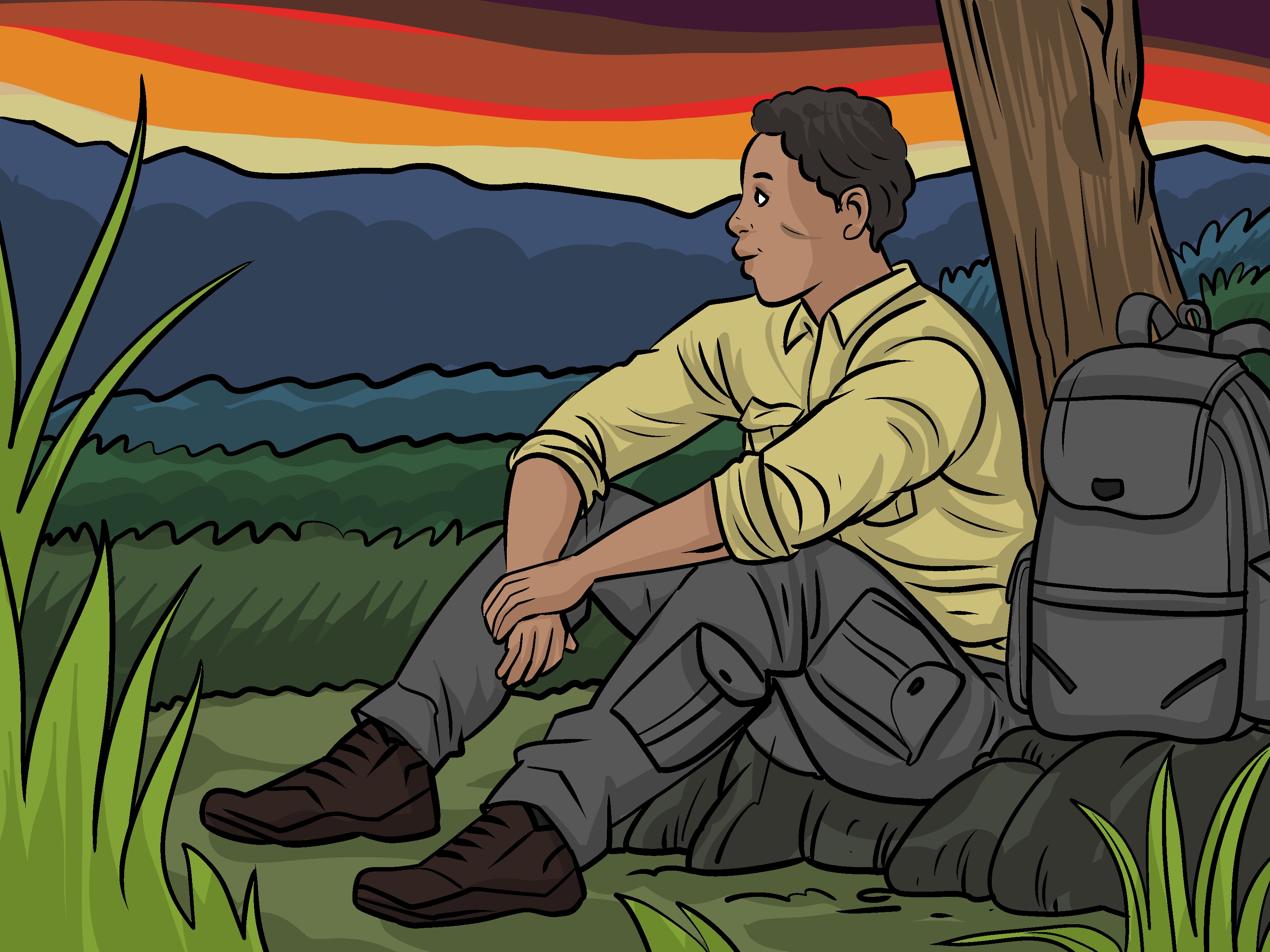
Being an explorer does not require a pith helmet, a heroic soundtrack, or the ability to pronounce “cartographic” before coffee. At its best, exploration is a way of moving through the world with curiosity, preparation, humility, and a notebook that has survived at least one unfortunate encounter with rain. Whether you want to explore forests, cities, coastlines, museums, old maps, local neighborhoods, or the mysteries of your own backyard, the explorer’s life begins with a simple question: “What can I learn here?”
Modern exploration is not about barging into places and planting flags like an overexcited lawn-care company. Today’s best explorers observe carefully, respect people and ecosystems, travel responsibly, document what they find, and share useful stories. Some explore national parks. Some join citizen science projects. Some study urban history, geology, wildlife, weather, foodways, caves, rivers, or the night sky. The common thread is not danger; it is disciplined curiosity.
This guide explains how to be an explorer in a practical, safe, and modern way. You will learn how to build an explorer mindset, plan small expeditions, prepare gear, practice outdoor ethics, improve observation skills, tell better stories, and turn ordinary trips into meaningful discoveries. No pirate ship required. Comfortable shoes, however, are strongly recommended.
What Does It Mean to Be an Explorer Today?
An explorer is someone who investigates unfamiliar places, questions, cultures, environments, or ideas with the goal of learning. That definition matters because exploration is not limited to remote jungles or polar ice. A student mapping bird calls in a neighborhood park is exploring. A traveler learning local customs before visiting a new city is exploring. A volunteer identifying galaxies through a citizen science project is exploring. A hiker reading trail maps, checking weather, and documenting plant life is exploring too.
The modern explorer combines curiosity with responsibility. Curiosity gives you the energy to ask questions. Responsibility keeps you from becoming the person everyone remembers for stepping off the trail, feeding wildlife, ignoring weather warnings, or saying, “I’m sure this shortcut is fine” five minutes before regret arrives wearing hiking boots.
Exploration today is also collaborative. Scientists, conservation groups, park rangers, Indigenous communities, local guides, educators, and citizen scientists all contribute knowledge. A good explorer does not assume they are the first or smartest person in the landscape. They listen, learn, and give credit where it is due.
Step 1: Develop the Explorer Mindset
Stay Curious, Not Careless
Curiosity is the engine of exploration. It turns a walk into a field study and a travel day into a story. Instead of asking only, “Where should I go?” ask better questions: Why does this trail curve here? What animals use this stream? Who lived in this neighborhood 100 years ago? How does weather shape this coastline? What can local people teach me that a search engine cannot?
But curiosity needs brakes. Being curious does not mean trespassing, disturbing wildlife, ignoring safety signs, or wandering into risky terrain. A real explorer knows that “I wonder what is over there” should often be followed by “Let me check the map, rules, weather, and whether this is a terrible idea wearing a fake mustache.”
Practice Humility
Humility is one of the most underrated exploration skills. Nature is bigger than your schedule. Weather does not care about your confidence. Local communities are not background scenery for your photos. When you enter a place, you are a guest. Act like one.
Humility also helps you learn faster. Beginners who admit what they do not know are safer than overconfident people who mistake enthusiasm for expertise. Ask questions. Take classes. Read signs. Talk to rangers. Learn from guides. The best explorers are not know-it-alls; they are learn-it-alls.
Step 2: Choose Your Kind of Exploration
Before packing anything, decide what kind of explorer you want to be. Exploration becomes easier when you give your curiosity a direction.
Outdoor Explorer
This path includes hiking, camping, paddling, birdwatching, nature photography, geology walks, and national park visits. Outdoor explorers need planning skills, weather awareness, navigation basics, and strong environmental ethics. Start with local parks and marked trails before attempting longer routes.
Urban Explorer
Urban exploration can be safe and legal when it focuses on public spaces: historic districts, public art, architecture, food culture, libraries, markets, transit routes, and neighborhood stories. Avoid abandoned buildings, restricted areas, tunnels, rooftops, or unsafe structures. The goal is discovery, not starring in a cautionary local news segment.
Science Explorer
You can contribute to real research through citizen science. NASA, NOAA, museums, universities, and conservation organizations often invite public participation in projects related to astronomy, weather, oceans, wildlife, plants, and environmental change. You may classify images, report observations, track local species, or collect simple data using approved methods.
Cultural Explorer
Cultural explorers study languages, traditions, food, music, oral histories, art, and community memory. This kind of exploration requires respect, careful listening, and consent. Do not treat people as exhibits. Ask before photographing, recording, or publishing personal stories.
Step 3: Start Small and Build Skill
The easiest way to become an explorer is to begin with small expeditions. Pick a nearby park, trail, museum, riverwalk, historic street, beach, or public garden. Give yourself a mission: identify five tree species, photograph patterns in old buildings, map public murals, compare morning and evening bird activity, or trace a creek through your town.
Small trips teach big lessons. You learn how long preparation takes, what gear you actually use, what weather does to your plan, and how quickly “just a short walk” becomes “why did I bring one tiny snack and the emotional confidence of a squirrel?” Every low-stakes outing builds judgment for future adventures.
Step 4: Learn Basic Navigation
Navigation is a core explorer skill. Start with three tools: a map, a compass, and a reliable digital map app. Digital tools are useful, but batteries die, signals disappear, and phones sometimes choose drama. Learn to read trail names, contour lines, landmarks, distances, water features, road crossings, and elevation changes.
Before you go, study the route. Know the starting point, turnaround point, alternate exits, estimated distance, expected difficulty, and sunset time. Save maps offline when possible. Tell someone your plan, especially for outdoor trips. The sentence “Nobody knows where I am” should appear in mystery novels, not your weekend itinerary.
If you are new to navigation, practice in familiar places. Use a map to follow a short route in a local park. Compare the map with what you see: hills, streams, trail junctions, buildings, bridges, signs, and open fields. Exploration becomes much safer when your brain can connect symbols on paper with the real world under your shoes.
Step 5: Pack Like a Practical Human
An explorer’s gear depends on the location, season, length of trip, and activity. Still, some basics appear again and again: water, food, weather-appropriate clothing, sun protection, a first-aid kit, navigation tools, a light source, emergency communication, and a way to stay warm or dry if conditions change.
For outdoor day trips, pack more water than you think you need, especially in heat. Bring snacks with actual energy, not just one heroic mint. Wear shoes suited to the terrain. Carry layers because weather has a personality and sometimes that personality is “surprise.” A small notebook, pencil, camera, or voice recorder can help you document observations.
Do not confuse gear with skill. Buying equipment does not automatically make you prepared. Learn how to use what you carry. A compass is not helpful if it is basically decorative jewelry in your backpack. A first-aid kit matters more when you understand basic first-aid principles. Training is lighter than panic and usually packs better.
Step 6: Plan for Weather, Health, and Safety
Explorers respect weather because weather writes in bold letters. Check forecasts before leaving and again near departure. Understand local hazards: heat, lightning, flash floods, cold, wind, smoke, tides, snow, or poor air quality. If conditions change, turn back. Turning back is not failure; it is advanced wisdom disguised as mild disappointment.
For travel beyond your usual region, review health recommendations before the trip. International travel may require vaccines, medications, or special precautions depending on the destination. Even on local outings, bring any personal medications you may need, protect yourself from sun exposure, and know where help is available.
Exploration also works better with a buddy system. Solo exploration can be meaningful, but beginners should start with companions, organized groups, guided walks, ranger programs, school clubs, family outings, or community science events. If you do go alone in a safe public place, keep the route simple, share your plan, and avoid pushing beyond your experience.
Step 7: Follow Outdoor Ethics
Responsible explorers leave places better than they found them. The Leave No Trace approach offers a practical framework: plan ahead, travel on durable surfaces, dispose of waste properly, leave what you find, minimize campfire impact, respect wildlife, and be considerate of others.
In plain English: do not carve your name into things, do not pocket rocks or artifacts where removal is prohibited, do not blast music on trails, do not feed animals, do not leave trash, and do not turn fragile landscapes into your personal photo studio. If a wild animal approaches because of your sandwich, the problem is not the animal’s manners.
Respect also includes cultural and historical sites. Stay behind barriers. Read posted rules. Do not touch rock art, ruins, fossils, sacred objects, or museum displays unless interaction is clearly allowed. The explorer’s job is to understand, not to damage evidence for the next person.
Step 8: Observe Like a Scientist
Observation is more than looking around. It means noticing details, patterns, changes, and relationships. Slow down. Use all appropriate senses. What do you hear? What direction is the wind moving? Where is water collecting? Which plants grow in shade? What human signs appear in the landscape: fences, paths, old foundations, trail markers, bridges, names on maps?
Keep a field journal. Record date, time, place, weather, route, questions, sketches, photos, and surprises. You do not need fancy prose. A useful note might say: “June 14, 7:10 a.m., creek trail, cloudy, many dragonflies near slow water, trail muddy after rain.” That simple record can become valuable when repeated over weeks or seasons.
Good explorers separate observation from interpretation. Observation: “The trail is wet and covered with leaves.” Interpretation: “It probably rained recently.” Assumption: “A dinosaur sneezed here.” Fun, yes. Scientific, not quite.
Step 9: Ask Better Questions
The quality of your exploration depends on the quality of your questions. Try using question categories:
- Place: Why is this feature located here?
- Time: How has this place changed over years or seasons?
- People: Who uses, protects, remembers, or depends on this place?
- Nature: What plants, animals, rocks, water systems, or weather patterns shape it?
- Impact: How do visitors affect it, and how can that impact be reduced?
Questions turn wandering into investigation. They also prevent boredom. There is no such thing as “nothing to see here” when you know how to ask. A cracked sidewalk can lead to geology, city planning, tree roots, water flow, public maintenance, and the eternal question: why do scooters appear exactly where ankles least expect them?
Step 10: Learn From Experts and Local Knowledge
Explorers do not operate in an information vacuum. Park rangers, naturalists, historians, librarians, scientists, local residents, guides, teachers, and community elders can help you understand what you are seeing. Before visiting a place, check official sources for rules, permits, closures, maps, safety notices, and cultural context.
Local knowledge is especially important. A map might show a trail, but a ranger may know it is washed out. A guidebook may describe a beach, but residents may know the tide makes access unsafe at certain times. A historic plaque may give one version of a story, while community archives reveal a deeper one.
Listen more than you perform. Exploration is not a contest to sound impressive. The most valuable sentence in an explorer’s vocabulary is often, “Can you tell me more about that?”
Step 11: Document Without Disturbing
Photos, notes, sketches, maps, and audio recordings help preserve your discoveries. But documentation should not harm the place or people being documented. Stay on trails and durable surfaces when photographing nature. Use zoom instead of approaching wildlife. Ask permission before photographing people in personal or cultural settings. Avoid sharing exact locations of fragile sites that could be damaged by crowds.
Organize your records after each trip. Label photos with dates and locations. Rewrite messy notes while your memory is fresh. Save maps and route details. Make a short summary: what you planned, what happened, what you learned, what you would do differently. This habit turns every outing into training for the next one.
Step 12: Share Stories That Help Others
Explorers are also storytellers. A good exploration story does more than say, “I went somewhere cool.” It helps others understand why a place matters, how to visit responsibly, what questions remain, and what mistakes to avoid. Stories can be blog posts, videos, photo essays, maps, presentations, field reports, school projects, or social media captions with actual information instead of just “vibes.”
When sharing, be honest. If a trail was harder than expected, say so. If you made a planning mistake, include the lesson. If a place is culturally sensitive or environmentally fragile, explain how to respect it. The goal is not to make yourself look flawless. Flawless people are suspicious. Helpful people are memorable.
Explorer Skills Worth Practicing
Physical Readiness
You do not need to be an elite athlete to explore, but you should match your activity to your fitness and experience. Begin with short walks, easy trails, guided tours, or local field trips. Build gradually. Learn your pace, hydration needs, and limits. The bravest explorers are not the ones who ignore their bodies; they are the ones who notice when their knees have submitted a formal complaint.
Research
Before you explore, research the destination. Use official websites, maps, visitor centers, library archives, weather services, and reputable educational sources. Look for rules, access points, seasonal conditions, local history, wildlife alerts, transportation options, and emergency contacts.
Communication
Tell someone where you are going and when you expect to return. For group trips, agree on pace, rest stops, turnaround times, and what to do if separated. Good communication prevents small confusion from becoming big trouble.
Adaptability
Exploration rarely follows the script. A museum wing closes. A trail floods. A bus is late. A fog bank erases the scenic view you woke up early to admire. Adaptability lets you shift the mission instead of wasting the day. Maybe the mountain view becomes a study of fog. Maybe the closed museum becomes an architecture walk. Explorers improvise, but they do not gamble with safety.
Common Mistakes New Explorers Make
The first mistake is overreaching. Beginners sometimes choose routes or destinations beyond their skill because the photos look dramatic. Start smaller. Drama is available later, and it usually charges interest.
The second mistake is under-planning. Exploration feels romantic until you are hungry, lost, sunburned, and arguing with a map app that has stopped believing in satellites. Planning does not ruin adventure; it gives adventure a safer container.
The third mistake is treating places as props. Do not chase photos at the expense of safety, privacy, wildlife, or fragile environments. The best explorers leave room for others to experience wonder too.
The fourth mistake is failing to reflect. If you do not review what happened, you repeat the same errors. After each outing, ask: What worked? What surprised me? What should I learn before next time? What did I notice that deserves more research?
How to Become an Explorer Without Traveling Far
You can practice exploration close to home. Map the trees on your street. Visit a local history room. Track sunrise and sunset changes for a month. Identify birds from your window. Compare old and new maps of your neighborhood. Interview a grandparent or community member about how the area has changed. Study storm drains and learn where rainwater goes. Explore public art, small businesses, cemeteries, libraries, farmers markets, or transit lines.
Home-based exploration is not a lesser version of adventure. It teaches attention. Many people fly across oceans to look for wonder while ignoring the strange, beautiful, complicated world within walking distance. The explorer’s eye is portable. Use it where you are.
of Explorer Experiences: Lessons From the Field
The first real lesson of exploration is that plans are helpful, but places have their own opinions. Imagine setting out for a simple sunrise walk at a coastal park. You checked the route, packed water, brought a notebook, and pictured yourself standing heroically against the pink sky like the cover of a very calm adventure novel. Then the fog rolls in so thick that the sunrise becomes a pale smudge. A beginner might call the trip ruined. An explorer changes the question. Instead of “Where is my perfect sunrise?” ask, “How does fog change sound, visibility, bird movement, and the mood of this place?” Suddenly, the failed sunrise becomes a study in atmosphere. The day did not break your plan; it expanded it.
Another common explorer experience is discovering that small details carry big stories. On a neighborhood walk, you may notice that older houses sit higher than newer roads, or that certain trees line only one side of a street. Those clues can lead to research about flooding, city planning, old property lines, former farms, or historic transportation routes. Exploration often begins with something ordinary that refuses to stay ordinary once you pay attention.
Field notes can also surprise you. At first, writing down “three crows near the parking lot” may feel silly. But after several weeks, patterns appear. The crows gather at the same time. A certain flower blooms after rain. A trail becomes muddy in the same low section. A public square gets quiet after lunch but lively at sunset. Your notebook becomes a time machine with bad handwriting. It shows change, habit, season, and rhythm.
Exploration teaches patience. Wildlife does not appear on command. Clouds do not arrange themselves for your camera. Local experts may not answer questions quickly. Archives may hide the exact fact you need behind a filing system designed by someone who apparently enjoyed riddles. Patience helps you stay open. Some of the best discoveries happen while waiting: a birdcall you would have missed, a conversation with a ranger, a sign you finally read properly, a side trail you decide not to take because safety beats curiosity.
Exploration also teaches the noble art of turning around. On one imagined mountain hike, dark clouds build earlier than expected. The viewpoint is only a mile away, and your ego starts giving a motivational speech. A responsible explorer interrupts: “Wonderful speech, ego, but lightning has the stronger argument.” Turning back may feel disappointing, but it is often the smartest decision of the day. The mountain will remain. Your ability to make good choices is part of the adventure.
Finally, exploration makes you a better storyteller. Not because every trip becomes epic, but because you learn to notice meaning. You remember the ranger who explained a canyon’s rock layers, the local baker who described a town’s immigrant history, the child who spotted the first frog on a pond walk, the old map that showed a vanished railroad, or the moment you realized your “boring” backyard had more life than your phone screen. The explorer’s reward is not just reaching new places. It is becoming the kind of person who can find wonder, ask better questions, and return with something worth sharing.
Conclusion: Exploration Is a Practice, Not a Costume
Learning how to be an explorer is really learning how to pay attention. You build curiosity, prepare carefully, respect nature and culture, practice safety, document observations, and share stories that help others see the world more clearly. You do not need to cross a desert or discover a new island. Start with one question, one map, one local place, and one honest notebook entry.
The explorer’s path is open to anyone willing to learn. Go slowly. Plan well. Stay humble. Keep your eyes open. And when your snack gets crushed at the bottom of your backpack, remember: every great explorer has eaten at least one suspiciously flat granola bar.
Note: This HTML body is written for web publishing, with source links intentionally excluded from the article content.