Aegyo is one of those Korean culture words that looks tiny on the page and then immediately becomes a full-body performance. One minute you are calmly learning Korean vocabulary, and the next you are pressing your fists to your cheeks, raising your voice two octaves, and asking yourself, “Have I become a marshmallow?” Welcome to aegyo.
In simple English, aegyo means acting cute, charming, playful, or affectionately sweet. In Korean, it is written as 애교. You may have seen it in K-pop fan meetings, K-dramas, Korean variety shows, couple videos, or language-learning clips where someone suddenly becomes so adorable that even a refrigerator would blush.
But aegyo is not only about making a cute face. Done well, it is about warmth, timing, softness, humor, and emotional intelligence. Done badly, it can feel forced, awkward, or like a cartoon squirrel filed your tax return. This guide will show you how to do aegyo naturally, respectfully, and without accidentally turning into a walking baby filter.
What Is Aegyo?
Aegyo is a Korean style of expressing cuteness, affection, or playful charm through voice, facial expressions, gestures, body language, and sometimes altered speech. It can be light and natural, such as smiling softly while making a sweet request, or extremely exaggerated, like the famous “bbuing bbuing” pose with fists near the cheeks.
The word is often translated as “cuteness,” but that translation is not perfect. Aegyo is not just being cute; it is performing cuteness in a way that creates closeness. It may appear between couples, close friends, family members, entertainers and fans, or idols and audiences. In K-pop, aegyo often becomes fan service, a short performance meant to make fans laugh, cheer, or clutch their hearts like they just saw a puppy wearing socks.
Why Aegyo Matters in Korean Culture
Aegyo works because Korean communication often pays close attention to relationship, age, social distance, and tone. Korean has different speech levels, and speakers adjust their words depending on whether they are talking to a friend, elder, stranger, boss, child, partner, or customer. Aegyo plays inside that social system by softening language, making a request sound less direct, or creating an affectionate mood.
In Korean entertainment, aegyo has become especially visible through K-pop, K-dramas, and variety shows. Fans may ask idols to “show aegyo,” and performers may respond with a cute phrase, a heart gesture, a pout, or a playful voice. That does not mean every Korean person walks around doing aegyo at the grocery store. Real-life aegyo is usually more subtle than television aegyo. TV aegyo is fireworks. Everyday aegyo is more like a scented candle.
Aegyo vs. Just Being Cute
Being cute can be natural: a smile, a shy laugh, a sweet reaction, or a kind tone. Aegyo is more intentional. It is a stylized form of charm. Think of it as the difference between “That cat is cute” and “That cat is wearing a tiny hat and knows exactly what it is doing.”
Natural aegyo
Natural aegyo feels effortless. It may appear when someone is excited, embarrassed, affectionate, or asking for something gently. A person with natural aegyo does not seem to be acting; their charm comes through their personality.
Performed aegyo
Performed aegyo is deliberate. This is the type often seen in K-pop interviews, variety shows, TikTok clips, or language-learning videos. It may include exaggerated gestures, baby-like speech, pouting, cheek hearts, finger hearts, and playful phrases. It is meant to be fun, not taken as a serious personality transplant.
How to Do Aegyo Step by Step
1. Start With the Right Mood
Aegyo should feel playful, not desperate. The best mood is light, warm, and slightly silly. If you are angry, stressed, or in a serious business meeting, do not suddenly do cheek hearts at your manager. Your quarterly report does not need bbuing bbuing energy.
Use aegyo when the situation is relaxed: joking with close friends, making a cute video, practicing Korean, flirting with someone who enjoys it, or joining a K-pop-themed challenge. The key is consent and context. If people look amused, you are probably fine. If they look like they are trying to escape through the wallpaper, stop.
2. Soften Your Voice
Aegyo often uses a softer, slightly higher, brighter voice. You do not need to sound like a cartoon chipmunk. Aim for gentle and playful rather than squeaky and alarming.
Try saying “please” or “really?” in a warmer, lighter tone. Smile as you speak because smiling naturally changes your voice. Keep it short. Aegyo works best in small doses. If you use an aegyo voice for an entire conversation, even your own shadow may ask for a break.
3. Use Cute Facial Expressions
Facial expressions are the heart of aegyo. The classic look includes bright eyes, a small smile, slightly puffed cheeks, or a playful pout. You can tilt your head a little or widen your eyes, but avoid making your face so extreme that you look like you just saw your electricity bill.
Good beginner expressions include:
- A small smile with eye contact
- A shy grin while looking slightly away
- A soft pout for one second, then a laugh
- Cheeks slightly puffed for a playful effect
- A quick wink if it fits your personality
4. Add Simple Hand Gestures
Korean aegyo often uses recognizable gestures. The most famous is the finger heart, made by crossing your thumb and index finger to create a tiny heart shape. It is quick, simple, and globally recognized thanks to Korean pop culture.
Other cute gestures include:
- Cheek heart: shaping a heart near your cheek
- Flower pose: placing both hands under your chin like petals
- Fists by cheeks: the classic “bbuing bbuing” pose
- Two-handed wave: a small enthusiastic wave
- Mini clap: a soft clap when excited or happy
Do not use all of them at once. That is not aegyo; that is a one-person parade.
5. Learn Classic Aegyo Phrases
Korean aegyo often includes cute phrases or playful sentence endings. Some are common in entertainment, while others are more useful in casual conversation.
| Korean | Romanization | Meaning | How to Use It |
|---|---|---|---|
| 애교 | aegyo | cute charm / acting cute | The general term |
| 귀여워 | gwiyeowo | cute | Informal; use with close people |
| 귀여워요 | gwiyeowoyo | cute | Polite version |
| 뿌잉뿌잉 | bbuing bbuing | a cute sound/expression | Exaggerated, funny aegyo |
| 하지마 | hajima | don’t do it | Can sound playful with aegyo tone |
| 가지마 | gajima | don’t go | Common cute/dramatic phrase |
| 사랑해 | saranghae | I love you | Casual and affectionate |
Be careful with politeness. Korean is not a language where you casually sprinkle informal phrases everywhere like confetti. Use informal phrases with close friends, partners, or people who have invited casual speech. When in doubt, choose polite forms.
The Classic “Bbuing Bbuing” Aegyo
If aegyo had a mascot, “bbuing bbuing” would probably be wearing a pink hoodie and holding a bubble tea. This is one of the most recognizable exaggerated aegyo moves.
How to do it:
- Make small fists with both hands.
- Place your fists near your cheeks.
- Puff your cheeks slightly or make a playful pout.
- Say “bbuing bbuing” in a cute voice.
- Immediately laugh at yourself so everyone knows you are human.
This is not subtle. This is not something to do while ordering a mortgage. It is best for jokes, videos, games, language practice, or K-pop-style challenges.
How to Do Aegyo Naturally
The secret to natural aegyo is moderation. You do not need to become a living plush toy. Instead, choose one cute element at a time.
Use a soft request
Instead of demanding something, soften your tone. For example, if you are asking a close friend for one bite of dessert, you might smile and use a playful voice. The charm is in the lightness, not in sounding helpless.
Smile before speaking
A small smile makes your tone warmer. It also prevents aegyo from sounding like whining. Cute is charming; whining is a mosquito with dialogue.
Keep it short
One phrase, one gesture, one facial expression. Then return to normal. Short aegyo feels playful. Long aegyo can feel like you are auditioning for a children’s cereal commercial.
How to Do Aegyo in Text Messages
Aegyo is not only spoken. In Korean digital communication, people may add cute spellings, emojis, repeated vowels, or soft endings to create a playful mood. English speakers do something similar when they write “pleeease,” “hehe,” or “thank yooou.”
Examples in English-style texting:
- “Pleeease? Just one more episode?”
- “I’m hungryyyy.”
- “Thank youuuu, you’re the best.”
- “Nooo, don’t leave yet.”
In Korean, learners should be cautious with altered spellings because cute endings can sound unnatural if used randomly. Watch how native speakers use them before copying. The goal is warmth, not linguistic glitter explosion.
When You Should Use Aegyo
Aegyo works best when the relationship is close and the mood is relaxed. It can be fun in the following situations:
- Practicing Korean with friends who enjoy playful language
- Making a K-pop or K-drama reaction video
- Joking with a romantic partner
- Taking cute photos with friends
- Doing a fan challenge or variety-show-style game
- Lightly softening a harmless request
When You Should Not Use Aegyo
Aegyo is not magic seasoning for every social dish. Avoid it in formal, serious, or unfamiliar settings.
- Do not use aegyo with strangers who may feel uncomfortable.
- Do not use it in professional meetings unless the meeting is about acting cute, which is unlikely but technically possible.
- Do not use it to manipulate people emotionally.
- Do not copy Korean culture as a joke in a mocking way.
- Do not pressure someone else to perform aegyo.
Because aegyo can be connected to gender expectations, some people love it, some people dislike it, and some people enjoy it only when it is obviously humorous. Respect matters more than performance.
Common Aegyo Mistakes Beginners Make
Going too big too soon
Many beginners copy the most exaggerated idol aegyo first. That is like learning basketball by starting with a windmill dunk. Begin with a smile, a soft tone, and a small gesture.
Using baby voice constantly
Aegyo voice should be brief. If you speak in baby voice for ten straight minutes, people may start searching for the off switch.
Forgetting the relationship
Aegyo depends heavily on who you are talking to. Something cute between close friends may feel strange with a coworker, teacher, elder, or person you just met.
Thinking aegyo is only for women
Although aegyo has often been associated with femininity in Korean media, male idols and everyday men also use playful cuteness, especially in entertainment, joking situations, or close relationships. Today, aegyo is more flexible than older stereotypes suggest.
Mocking instead of appreciating
If you are learning aegyo as part of Korean culture, approach it with curiosity. Do not perform it as “look how weird Korea is.” That is not cute; that is just bad manners wearing lip gloss.
Beginner Practice Routine
Here is a simple five-minute routine for practicing aegyo without feeling like you need to hide under your desk afterward.
Minute 1: Smile and relax
Look in the mirror and smile naturally. Try not to judge yourself. Everyone looks strange practicing expressions in a mirror. Even movie stars probably have mirror moments where they resemble confused soup.
Minute 2: Practice soft tone
Say a simple sentence like “Can I have some?” or “Don’t go” in your normal voice. Then say it with a softer, warmer tone. Do not go too high. Think friendly, not helium balloon.
Minute 3: Add one gesture
Try a finger heart, cheek heart, or small wave. Pick one. The easiest is the finger heart because it is quick and not too dramatic.
Minute 4: Try one Korean phrase
Practice “귀여워요” for “cute” or “가지마” for “don’t go.” Focus on pronunciation and tone. If you are not sure about pronunciation, listen to native speaker examples.
Minute 5: Combine gently
Smile, use a soft voice, and add a finger heart. That is enough. You have successfully completed beginner aegyo without summoning a glitter storm.
Aegyo for K-Pop Fans
K-pop fans often encounter aegyo through idol interviews, livestreams, concerts, fan signs, and variety shows. Idols may be asked to perform cute lines or gestures, especially when fans want to see a softer side of a performer whose stage image is usually powerful, cool, or charismatic.
If you want to imitate idol aegyo, remember that idols are entertainers. They are trained to perform for cameras, fans, and live audiences. What looks effortless may be part of a media skill set. Copy the fun, but do not assume real Korean social life is exactly like a variety show. In normal life, most people use smaller, more natural expressions.
Aegyo for Korean Learners
If you are learning Korean, aegyo can help you understand tone, social closeness, and emotional expression. However, it should not replace basic politeness. Learn standard phrases first. Understand Korean speech levels. Practice pronunciation. Then experiment with cute tone in appropriate contexts.
A good rule: speak respectfully first, cutely second. If you can say something politely and naturally, you can later learn how to make it warmer, softer, or more playful.
Aegyo and Aegyo-Sal Are Not the Same Thing
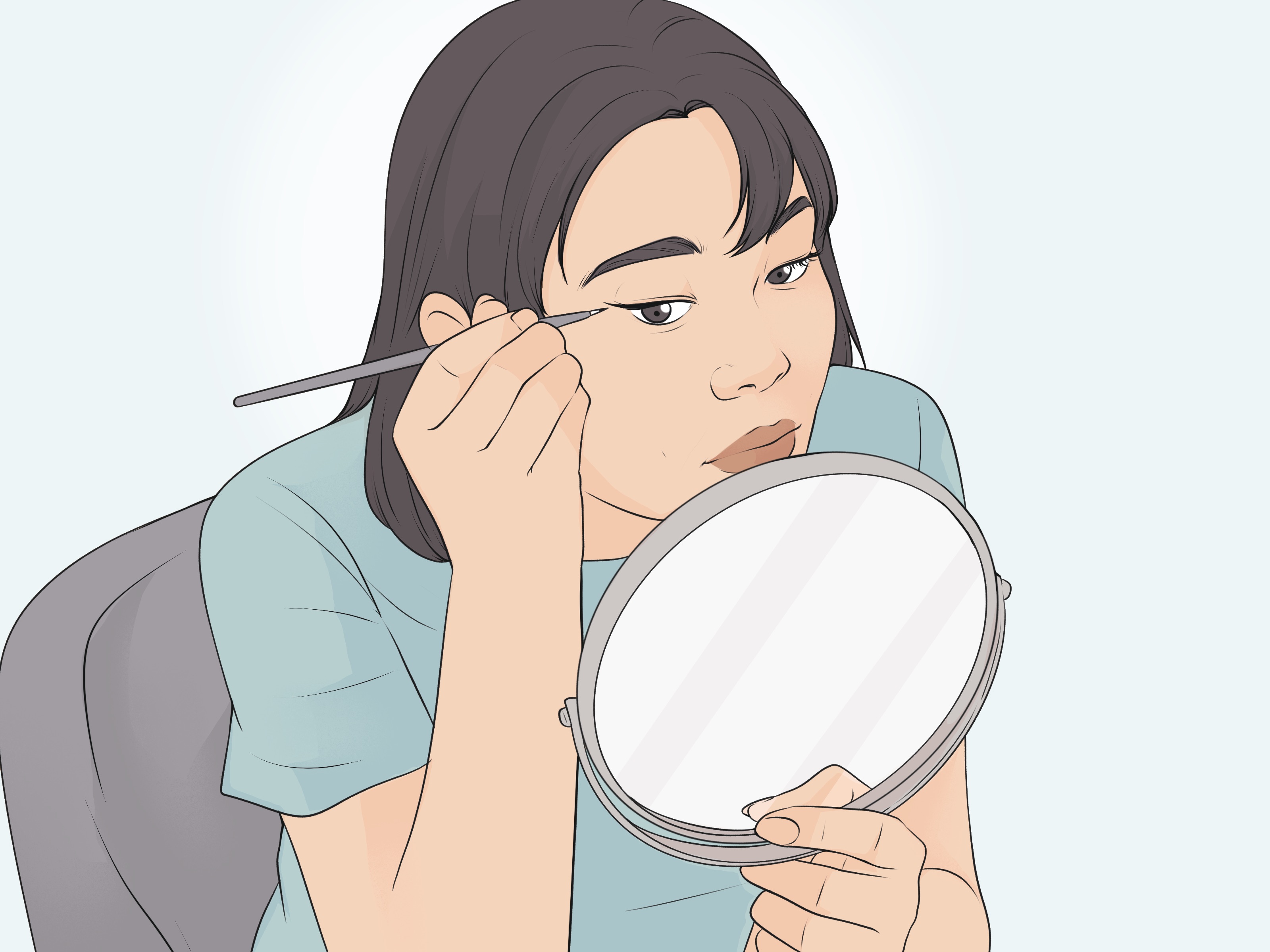
Do not confuse aegyo with aegyo-sal. Aegyo is cute behavior or expression. Aegyo-sal refers to the small under-eye area that Korean beauty trends often enhance to create a youthful, bright-eyed look. They share the word “aegyo,” but one is behavior and the other is a beauty feature. One says “look how charming I am,” and the other says “my under-eyes have joined the cute economy.”
Real-Life Experiences: Practicing Aegyo Without Feeling Ridiculous
The first time many non-Korean learners try aegyo, they feel awkward. That is normal. Aegyo is expressive, and expressive things can feel embarrassing when you come from a culture where “acting cute” is not a common social skill. In many American settings, people are taught to sound confident, direct, and mature. Then Korean media appears and says, “Now please make a tiny heart with your fingers and say it adorably.” Naturally, the brain panics.
One common experience is learning aegyo through K-dramas. A viewer watches a character use a pouty voice to ask for attention, and it seems funny, charming, or dramatic. Then the viewer tries the same expression in the mirror and immediately feels like a confused raccoon. The problem is not the viewer. The problem is that drama aegyo is designed for cameras. It is bigger, cleaner, and more theatrical than most real-life interactions.
Another experience happens in language exchanges. A Korean friend may ask, “Can you do aegyo?” This can feel like being asked to perform at a talent show you did not sign up for. The safest response is to laugh and try something small, such as a finger heart or a simple “bbuing bbuing.” The humor matters. You do not need to be perfect. In fact, slightly awkward aegyo can be fun because everyone understands it is a playful attempt.
Some learners discover that natural aegyo is easier than exaggerated aegyo. For example, saying “thank you” with a warm smile, using a gentle tone when asking for help, or doing a small happy clap when food arrives can feel cute without being over-the-top. This kind of aegyo does not require a baby voice. It simply shows affection, appreciation, and softness.
Travelers in Korea may also notice that aegyo is not everywhere all the time. A café worker will not usually perform idol-style aegyo while handing you an iced Americano. Friends, couples, children, entertainers, and social-media creators are more likely contexts. This helps learners understand that aegyo is situational. It is not a national requirement. Nobody checks your aegyo license at immigration.
The best personal strategy is to treat aegyo like seasoning. A tiny bit can make a moment warmer. Too much can overpower the whole dish. Start with the smallest version: a friendly smile, soft tone, and one simple gesture. If people laugh kindly or respond warmly, you can try more. If they seem uncomfortable, stop and return to normal conversation. That awareness is what separates charming aegyo from accidental social chaos.
Over time, practicing aegyo can make Korean learning more enjoyable because it teaches more than vocabulary. It teaches rhythm, emotion, relationship, and performance. You begin to hear how tone changes meaning. You notice how a phrase can be polite, playful, sincere, dramatic, or teasing depending on delivery. That is useful language knowledge, even if you never plan to become the bbuing bbuing champion of your neighborhood.
Conclusion: Cute Is a Skill, Not a Costume
Aegyo is one of the most recognizable parts of modern Korean pop culture, but it is also more layered than a simple cute face. It can express affection, soften a request, create humor, entertain fans, or show closeness between people. To do aegyo well, focus on timing, relationship, tone, and respect.
Start small. Smile naturally. Use a soft voice. Try one gesture. Learn a few Korean phrases. Most importantly, pay attention to the people around you. The best aegyo feels playful and welcome, not forced. You do not need to become a human cupcake. You only need enough charm to make the moment lighter.
And if your first attempt feels awkward? Congratulations. That is part of the process. Even the cutest people on earth probably had a practice phase. Somewhere, behind every perfect finger heart, there is a mirror, a nervous laugh, and a person whispering, “Why am I like this?”