Household chores are rarely anyone’s idea of a thrilling Saturday. Add rheumatoid arthritis to the mix, and loading the dishwasher can feel like an Olympic event designed by someone with a personal grudge against wrists.
Rheumatoid arthritis, or RA, is a chronic autoimmune disease that commonly causes joint pain, swelling, warmth, stiffness, weakness, and fatigue. Symptoms often fluctuate between quieter periods and flares, making it difficult to predict how much energy or mobility you will have from one day to the next. Tasks involving gripping, twisting, carrying, kneeling, or standing can therefore become surprisingly demanding.
The goal is not to maintain a showroom-perfect home at the expense of your joints. It is to complete necessary household tasks while using less force, conserving energy, preventing falls, and leaving enough strength for activities that actually make life enjoyable.
Why Household Chores Can Be Difficult With RA
RA frequently affects the fingers, hands, wrists, knees, ankles, and feet. Unfortunately, those are precisely the body parts recruited when you scrub a bathtub, wring out a cloth, carry groceries, climb stairs, or wrestle a fitted sheet onto a mattress.
Fatigue can be just as limiting as joint pain. RA-related fatigue may be associated with inflammation, medication effects, sleep problems, mood changes, or another health issue. If exhaustion becomes unusually severe or persistent, discuss it with your rheumatologist rather than assuming you simply need stronger coffee. Coffee is talented, but it is not a rheumatologist.
Because symptoms can change quickly, a chore routine that works on Monday may be unrealistic by Thursday. Successful rheumatoid arthritis housework therefore depends on flexibility, not stubbornness.
Follow the Four P’s of Joint-Friendly Housework
1. Prioritize What Truly Needs Doing
Begin by separating essential tasks from cosmetic ones. Washing enough dishes for dinner is essential. Reorganizing the spice rack alphabetically while your hands are swollen is not.
On lower-energy days, focus on hygiene, safety, food preparation, medication needs, and clear walking paths. Dust on a bookshelf is irritating; clutter on the stairs can be dangerous. The Arthritis Foundation recommends concentrating cleaning effort on high-traffic areas rather than trying to clean the entire home at once.
A three-level list can help:
- Must do: Clean spills, prepare food, wash essential dishes, take out anything creating an odor or safety risk.
- Should do: Start laundry, vacuum the main walkway, wipe the bathroom sink.
- Can wait: Polish furniture, clean baseboards, organize storage bins, or pursue any dust bunny that is not actively paying rent.
2. Plan Around Your Energy and Symptoms
Schedule demanding chores for the time of day when you typically feel strongest. If morning stiffness is severe but your energy improves after lunch, there is no prize for vacuuming at 8 a.m.
Place supplies near the rooms where they are used. Keeping basic cleaning products on each floor eliminates unnecessary trips and reduces the need to carry heavy equipment on stairs. Store frequently used cookware, dishes, and pantry items between shoulder and hip height so you do not have to bend deeply or reach overhead.
Plan recovery time, too. Rest should be part of the schedule rather than something you earn only after becoming exhausted.
3. Pace Yourself Before Pain Forces You to Stop
Break large chores into short sessions. Clean one bathroom surface, rest, and then decide whether to continue. Try a timer for 10 or 15 minutes, followed by a genuine break. A genuine break means sitting downnot answering email while folding towels with your feet.
Alternate heavy and light activities. For example, vacuum one room, sit while sorting laundry, rest, and then wipe a countertop. Avoid turning one reasonably good day into a cleaning marathon that leaves you unable to function the next day.
Occupational therapists commonly teach pacing and energy-conservation strategies to help people complete home tasks with less pain and a lower risk of symptom flare-ups.
4. Protect Your Joints
Joint protection means reducing unnecessary pressure on painful or vulnerable joints. Use larger, stronger joints whenever possible. Push a door open with your shoulder or forearm instead of your fingers. Hold a lightweight basket against your body with both arms rather than letting it hang from one hand.
Keep wrists in a neutral, straight position instead of bending them sharply while lifting or scrubbing. Use two hands for pans, pitchers, and detergent containers. Slide objects across a counter rather than lifting them when it is safe to do so.
Large handles are usually easier to manage than narrow ones because they require less forceful gripping. Foam tubing or padded grip covers can enlarge the handles of utensils, brushes, pens, and tools without requiring an expensive home makeover.
Make Cleaning Easier on Painful Joints
Let Time and Cleaning Products Do the Scrubbing
Apply an appropriate cleaning solution, allow it to sit for the recommended time, and then wipe the surface. Immediately attacking a stain with furious circular scrubbing usually uses more energy and puts greater stress on the fingers, wrists, elbows, and shoulders.
Clean fresh spills before they dry whenever you reasonably can. Toothpaste that has been sitting in the sink for two days develops the defensive strength of concrete. A quick wipe now may prevent a serious negotiation later.
Use Lightweight, Long-Handled Equipment
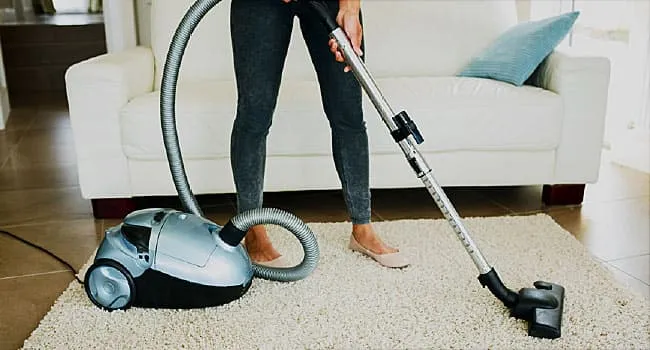
Choose a lightweight cordless vacuum, an adjustable duster, and a long-handled mop. Longer handles reduce bending, kneeling, and overhead reaching. A microfiber mop can clean many hard floors with less pressure than traditional scrubbing.
Rather than gripping and wringing a wet cloth, use washable cleaning mitts or microfiber gloves. Pump dispensers, automatic spray tools, and containers with easy-open caps can reduce repetitive squeezing.
When vacuuming or mopping, keep the tool close to your body and move using small steps. Avoid planting your feet and repeatedly twisting through your spine, hips, and knees.
Divide the House Into Zones
Clean one zone per day instead of declaring a weekly war on the entire house. A practical rotation might look like this:
- Monday: Kitchen counters and sink
- Tuesday: Main bathroom surfaces
- Wednesday: One load of laundry
- Thursday: High-traffic floors
- Friday: Bedroom and visible clutter
This approach prevents several strenuous activities from landing on the same day and makes it easier to adjust the schedule during an RA flare.
Do Laundry Without Wrestling the Laundry
Use a divided hamper or several smaller baskets so no single load becomes too heavy. A wheeled laundry cart can be especially helpful on one-level floors. If stairs are involved, carry small loads or ask someone else to move the basket rather than balancing a bulky container that blocks your view.
Sit while sorting and folding. Place the basket on a table or chair so you do not repeatedly bend to the floor. Front-loading machines may reduce overhead reaching, while laundry pedestals can reduce deep bending. With top-loading machines, long-handled reachers may help retrieve small items from the bottom.
Choose smaller detergent containers, lightweight refill bottles, pods, or automatic dispensers when appropriate for your household. Adaptations that reduce lifting, gripping, bending, and reaching can preserve energy for the rest of the day.
Fitted sheets deserve special mention because they are difficult even for joints that are feeling cooperative. Put on one corner at a time, move around the bed rather than stretching across it, and consider sheet straps or deep-pocket sheets that are easier to secure.
Prepare Meals With Less Hand and Wrist Strain
Sit on a supportive stool for chopping, mixing, or washing produce. Bring ingredients to the table rather than standing at the counter throughout meal preparation. Frequently used appliances should be kept within easy reach instead of hidden in a low cabinet that requires a small archaeological expedition.
Helpful kitchen tools may include:
- An electric can opener or jar opener
- A rocker knife with a large handle
- Lightweight cookware with two handles
- Kitchen scissors for cutting herbs and soft foods
- A food processor or mini chopper
- Non-slip mats that hold bowls and cutting boards in place
- Easy-grip utensils and vegetable peelers
Pre-cut vegetables, frozen produce, bagged salad, rotisserie chicken, and other convenient ingredients are legitimate accessibility tools. Using prepared ingredients is not “cheating.” Dinner does not award points for unnecessary suffering. Arthritis organizations specifically recommend lighter cookware, ergonomic tools, electric openers, and pre-chopped foods to reduce the strain of meal preparation.
Cook larger batches when your energy permits, then freeze meal-sized portions. On flare days, reheating soup is considerably kinder to your hands than chopping seven vegetables because a recipe described itself as “quick and easy.”
Wash Dishes With Less Pain
Soak pots and pans before washing them. Use a dishwasher whenever available, and load it in stages rather than waiting until every dish in the house has formed a dirty ceramic mountain.
A dish brush with a thick handle is easier to hold than a small sponge. Use a pump soap dispenser instead of squeezing a rigid bottle. Sit on a tall stool at the sink if prolonged standing increases pain or fatigue. Sitting during routine activities is a common energy-conservation strategy for people with arthritis.
Allow heavy cookware to dry on a rack rather than lifting and drying it by hand. When putting dishes away, make several light trips instead of carrying a precarious tower that would make a restaurant server nervous.
Protect Your Knees, Hips, and Feet
Avoid kneeling whenever a long-handled tool can do the job. When lower-level cleaning is unavoidable, sit on a stable stool rather than squatting. Use supportive, non-slip shoes indoors if foot pain or balance problems make barefoot chores uncomfortable.
Remove loose rugs, electrical cords, and clutter from walking paths. Install grab bars where appropriate and use non-slip mats in wet areas. A shower seat can reduce fatigue and fall risk, while a raised toilet seat may make sitting and standing easier when the knees or hips are painful.
Do not use towel racks, sinks, or unstable furniture as substitutes for professionally installed support rails. They may look sturdy right up until the moment they introduce you to the floor.
Stay Active Without Treating Chores as a Workout Challenge
Regular, appropriately selected physical activity can improve strength, flexibility, joint support, mood, and fatigue. Gentle range-of-motion exercises, walking, cycling, swimming, and water exercise are commonly recommended options, although activities should be tailored to your disease activity, joint condition, and medical guidance.
Housework does involve movement, but it is not always balanced exercise. Scrubbing a floor may repetitively strain one wrist without strengthening the muscles that protect it. A physical therapist can help develop a safer exercise program, while an occupational therapist can analyze the way you perform specific household tasks and recommend adaptations or assistive devices.
During a flare, avoid strenuous exercise involving hot, swollen, tender, or injured joints. Gentle movement may help prevent excessive stiffness, but sharp or lasting pain is a signal to stop and adjust. Discuss major changes in activity with your healthcare team.
Create a Flare-Day Chore Plan
A flare-day plan removes the pressure to make decisions when pain and fatigue are already consuming your attention.
- Complete only tasks related to food, medication, sanitation, pets, children, and immediate safety.
- Use disposable or compostable tableware temporarily when appropriate.
- Prepare frozen meals, sandwiches, or other low-effort foods.
- Postpone vacuuming, deep cleaning, and nonessential organizing.
- Ask family members to take over lifting, scrubbing, and stair-related chores.
- Use delivery or pickup services for groceries and household supplies when available.
- Contact your clinician when a flare is severe, unfamiliar, persistent, or accompanied by concerning symptoms.
Heat may help relax tense muscles and ease stiffness, while cold may temporarily numb pain and reduce swelling. Protect the skin, limit exposure, and follow your clinician’s recommendations, especially if you have reduced sensation or circulation problems.
Ask for Help Before You Are Completely Overwhelmed
Household work should be shared according to each person’s abilities, not according to tradition, guilt, or who notices the overflowing trash first. Be specific when requesting help. “Can you carry the laundry downstairs?” is easier to act on than “I need more support around here.”
Consider hiring occasional help for the tasks that create the greatest physical cost, such as bathtub scrubbing, moving furniture, yardwork, or deep floor cleaning. Even monthly assistance may prevent repeated pain cycles.
An occupational therapist can observe how you cook, clean, dress, and move around your home. The therapist may recommend joint-protection techniques, task simplification, splints, adaptive equipment, or environmental changes designed around your symptoms and priorities.
Experience-Based Example: Learning to Clean Differently With RA
The following is a fictionalized composite based on commonly reported RA challenges and joint-protection strategies. It is not presented as one individual’s medical history.
Imagine Maya, a 44-year-old office manager who has lived with rheumatoid arthritis for several years. Before her diagnosis, Saturday morning was cleaning time. She would carry every bottle into one room, vacuum the whole house, scrub both bathrooms, change the bedding, and complete several loads of laundry before lunch. The routine was exhausting, but she liked the satisfaction of finishing everything at once.
After RA began affecting her hands, wrists, knees, and energy level, the same routine became punishing. She could sometimes complete it, especially on a good day, but the cost appeared later. By Saturday evening, her hands were throbbing. On Sunday, she struggled to open containers, prepare meals, and type. She initially responded by trying harder, assuming she had become lazy or out of shape.
Her occupational therapist helped her recognize a different pattern: the problem was not a lack of motivation. The problem was concentrating too many high-demand tasks into one session and using painful joints for jobs that could be modified.
Maya began dividing housework across the week. On Monday, she wiped the kitchen and cleaned the stovetop. On Tuesday, she handled one bathroom. Wednesday was laundry, but only one or two smaller loads. She vacuumed the busiest areas on Thursday and left the bedrooms for Friday if her energy allowed. Some tasks moved to the following week without the household collapsing into a dramatic documentary about abandoned buildings.
She also changed her equipment. A heavy corded vacuum was replaced with a lighter cordless model. Cleaning products were stored upstairs and downstairs, eliminating repeated trips with a full basket. She used a long-handled scrubber in the shower and let the cleaning solution sit before wiping it away. Instead of gripping a cloth tightly, she wore a microfiber cleaning mitt.
Meal preparation changed, too. Maya sat at the table while chopping and used frozen vegetables on days when her hands were stiff. She bought a small electric jar opener after realizing that opening pasta sauce was not a meaningful test of character. Lightweight pans with two handles made it easier to distribute weight across both hands.
The emotional adjustment was harder than buying equipment. Maya had to stop judging her home by the standard she had maintained before RA. She began asking whether a task was necessary, whether it could be simplified, and what it would cost her physically. A sparkling bathtub was no longer considered a victory if she could not comfortably shower afterward.
She also became more direct with her family. Her partner took responsibility for carrying laundry and changing heavy bedding. Her teenager handled trash and vacuumed the stairs. Rather than waiting until she was in severe pain, Maya asked for help as part of the regular household routine.
Over time, she noticed that pacing did not mean doing nothing. It allowed her to accomplish more consistently. She experienced fewer episodes of overexertion and had more energy for evening walks, cooking meals she enjoyed, and seeing friends. Her house was not perfect every day, but it was functional, safe, and lived inwhich, after all, is what a home is supposed to be.
Conclusion
Learning how to do household chores when you have RA is largely about replacing force with strategy. Break jobs into smaller pieces, schedule them around your best hours, use stronger joints, sit whenever possible, choose lightweight tools, and accept assistance before pain becomes overwhelming.
A cleaner home is useful, but protecting your mobility and energy is more important. Respect pain, pay attention to unusual fatigue, and keep your rheumatoid arthritis treatment plan on track. Adaptive tools and pacing techniques can make daily life easier, but they do not replace medications or professional care aimed at controlling inflammation and preventing joint damage.