Ballet has a reputation for being fancy. Like: chandeliers, swan feathers, dramatic fainting. But ballet class?
Ballet class is mostly you, a mirror, and the humbling realization that your “graceful” arm line looks a lot like
you’re trying to hail a cab in slow motion.
The good news: you don’t need a closet full of pink tights to show up prepared. You just need the right basics so
you can move safely, see your alignment, and follow the studio’s vibe. This guide walks you through
how to dress for a ballet class in 11 practical stepswith beginner-friendly options, studio etiquette,
and a few “learn-from-my-mistake” tips you’ll appreciate later.
Why Ballet Class Clothing Matters (It’s Not Just Aesthetic)
Ballet clothes aren’t about looking like a professional. They’re about function:
teachers need to see your posture and placement, you need freedom of movement, and everyone needs a safe floor.
That’s why ballet has a “neat and fitted” cultureless fabric flapping around means fewer distractions and better feedback.
Think of your outfit as a tool: it should help you learn. If your waistband rolls down every plié or your shirt turns
into a parachute during tendus, you’re basically taking class with a personal prankster attached to your body.
11 Steps to Dress for a Ballet Class
Step 1: Check the Studio Dress Code (Yes, Even for Adult Beginner)
Before you buy anything, check the studio website, welcome email, or class listing. Some programsespecially youth
and conservatory-style schoolshave a uniform (specific colors, tights, hair requirements, sometimes even approved brands).
Many adult open classes are more flexible, but they still usually ask for form-fitted, stretchy clothing.
If you can’t find a dress code, assume this safe default: fitted top, fitted bottoms, ballet slippers (or socks if the
studio allows), hair secured off your face, minimal jewelry.
Step 2: Start with a “Base Layer” Outfit You Can Actually Move In
Classic ballet uniform is leotard + tights + ballet slippers. But many studios (especially for beginners and adult recreational classes)
also accept fitted leggings + a snug tank or T-shirt.
The key word is fitted. Ballet technique is all about alignmenthips, knees, anklesand baggy clothes hide what your body is doing.
Choose something you can stretch in without tugging, readjusting, or accidentally inventing a new fashion category called “twisted-shirt sculpture.”
Step 3: Pick Bottoms That Let Your Teacher See Your Legs
Good options include:
- Tights (pink, black, or skin-tone depending on studio preferences)
- Dance leggings (matte, non-slip waistband, not super baggy)
- Fitted dance shorts over tights (common for some men’s class options, and also popular for comfort)
Avoid jeans, stiff joggers, or anything with bulky pockets. Also: if your leggings are so long they bunch at the ankle,
that extra fabric can interfere with footworkand it’s surprisingly easy to step on your own hem and learn an unplanned lesson in gravity.
Step 4: Choose the Right Top (Supportive, Smooth, and Non-Annoying)
Tops should stay put when your arms go overhead and when you bend. Great picks:
- Leotard (camisole, short sleeve, tankwhatever is comfortable and meets the studio’s rules)
- Fitted athletic tank that doesn’t slide up
- Snug T-shirt (especially common for men/boys or anyone who prefers more coverage)
Pro tip: if you’re wearing a T-shirt, consider tucking it in so it doesn’t balloon during turns or hide your hips when the teacher is trying to help.
Step 5: Get Ballet Shoes (And Don’t Wear Them Outside)
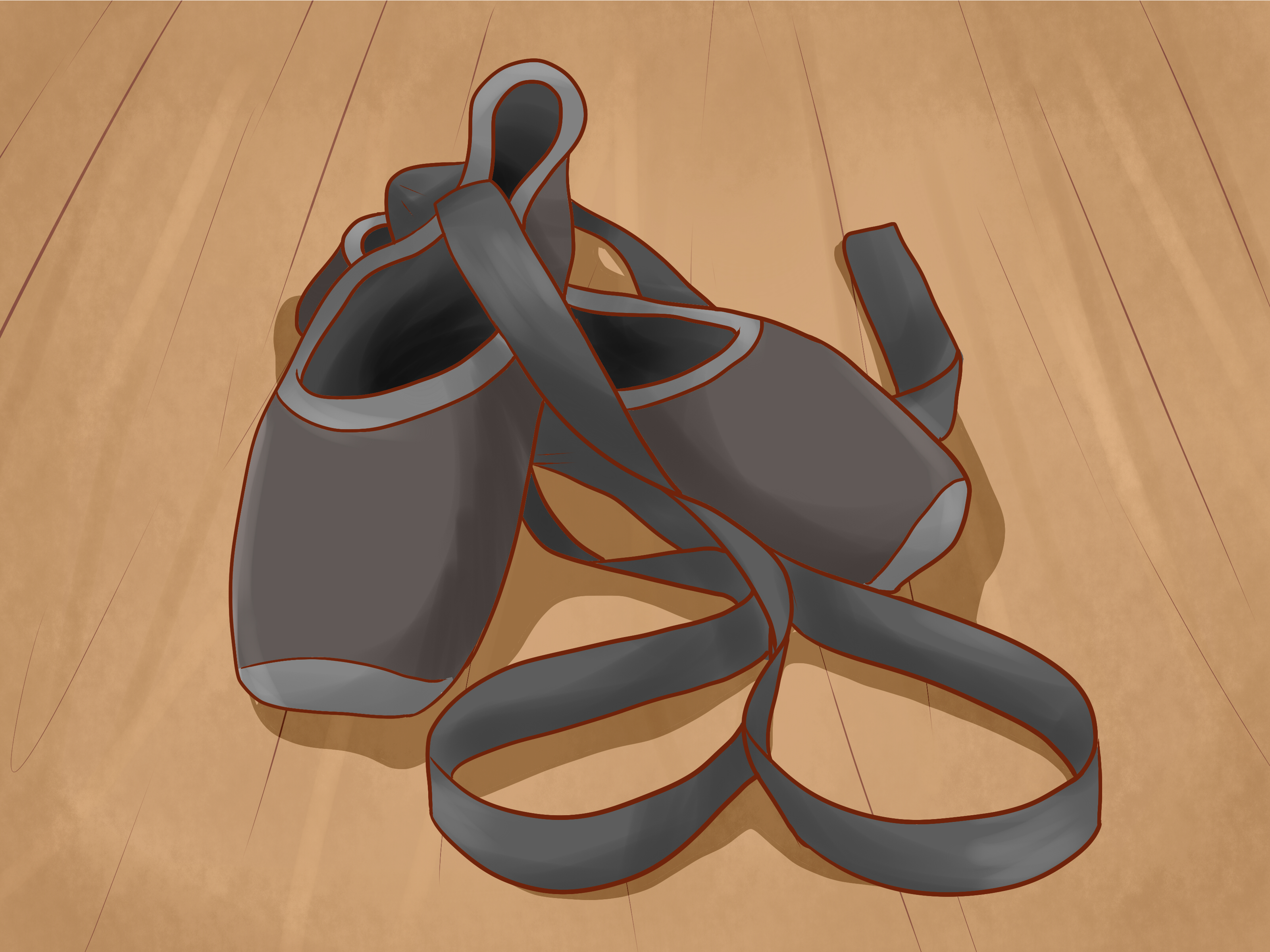
Ballet shoes (often called slippers or “flats”) are usually canvas or leather, with either a full sole or split sole.
Beginners often start with a full sole for support, but studios vary.
A few shoe tips that save frustration:
- Fit matters: shoes should feel snug, not roomy. Baggy shoes = slipping, bunching, and toe-wrinkling drama.
- Elastic/security: ensure elastics are secure so the shoe stays attached during jumps.
- Respect the floor: change into ballet shoes in the studiostreet grit damages dance floors and makes them slippery.
New to ballet and not ready to buy shoes yet? Some beginner classes allow socks for the first session. But don’t assumeask or check policy.
Step 6: Decide on Socks vs. Tights (And Keep It Studio-Appropriate)
Ballet is picky about leg lines, so tights are common. Some programs use ankle socks for very young levels.
For adult beginner, you may see:
- Convertible tights (great for switching between barefoot and shoes)
- Footed tights (clean look, simple)
- Leggings (often allowed in adult open classes)
If you do wear socks with ballet shoes, choose thin, smooth socks to avoid sliding. If the studio discourages socks,
don’t fight the cultureballet has enough battles (hello, calf muscles) without adding one more.
Step 7: Handle Undergarments the Smart Way
Ballet class involves bending, stretching, and sometimes bright studio lighting that reveals more than you expected.
The goal is secure and invisible:
- Sports bra or supportive underlayer that doesn’t shift
- Seamless underwear (or dance briefs) to avoid lines and discomfort
- Skin-tone options if your studio prefers a clean uniform look
Comfort is part of technique. If your bra strap keeps slipping or your waistband digs in, that’s energy you won’t have for learning.
Step 8: Add Warm-Ups You Can Remove Easily
Studios can be chilly at the startespecially in winter or early morning classes. Warm-ups are normal, especially before barre:
- Wrap sweater or fitted long-sleeve layer
- Leg warmers (iconic for a reasonwarm ankles = happier feet)
- Fitted warm-up pants you can peel off quickly
Warm-ups should still allow the teacher to see alignment, and they shouldn’t be so bulky that you look like a marshmallow attempting grand battement.
Plan to remove extra layers once you’re warm.
Step 9: Secure Your Hair (Yes, It Affects Your Dancing)
Hair in your face is distracting, and it changes how you spot during turns. Many studios require a bun for ballet.
If you have long hair, aim for a stable bun or a sleek ponytail if buns aren’t required.
Quick bun basics:
- Use strong elastics and bobby pins
- Add a hairnet for extra security (especially if your hair is layered)
- Keep the bun smooth and off the neck so it doesn’t jab you during port de bras
Short hair? Pin bangs back. Curly/coily hair? A secure puff/bun or pinned-back style worksfocus on keeping hair off your face and neck.
Step 10: Skip Dangly Jewelry and “Noisy” Accessories
Ballet class is not the place for earrings that can be grabbed by your own shoulder in a grand port de bras.
Many studios discourage jewelry because it can snag, fall off, or distract.
Safe rule:
- Small studs are usually fine (if the studio allows)
- Avoid necklaces, bracelets, big hoops, watches, and anything sharp
- Skip bulky hair accessories that poke your scalp when you roll on the floor (or just exist)
Step 11: Pack Like a Pro (Your Outfit Isn’t the Only Thing That Matters)
Dressing for ballet class includes what you bring. A small dance bag with essentials saves the day when something breaks, slips, or mysteriously disappears.
Smart additions:
- Water bottle
- Hair kit: extra elastics, bobby pins, hairnet
- Band-aids or blister pads (new shoes can be enthusiastic about rubbing)
- Deodorant (the polite kind)
- Extra socks/tights if you’re prone to wardrobe surprises
- Light snack if you’re going between school/work and class
Bonus etiquette move: bring a cover-up (sweatpants, jacket, skirt, long tee) for entering and exiting the building.
Many studios prefer dancers not wander outside in dancewear.
Outfit Examples (So You Can Stop Overthinking)
Beginner Adult (Most Flexible)
- Fitted tank or snug T-shirt
- Leggings or tights
- Ballet slippers (or socks if permitted)
- Hair secured back
Traditional Ballet Uniform (Common in Schools)
- Solid-color leotard (often black or designated level color)
- Pink or skin-tone tights
- Pink ballet slippers (or specified color)
- Bun and minimal jewelry
Men/Boys Option (Common Standard)
- Fitted T-shirt or dance top
- Tights/leggings or fitted shorts (per studio rules)
- Ballet slippers
- Hair secured (yes, still)
Common Mistakes (And How to Avoid Them Without a Crisis)
- Too loose: If your teacher can’t see your knees/hips, corrections get harder. Size down or choose dance-specific pieces.
- Wrong shoes: Fashion “ballet flats” are not ballet slippers. Real slippers have flexible soles and are made for dance floors.
- Hair chaos: If you’re fixing your ponytail every 30 seconds, you’re missing combinations. Practice your hair setup before class.
- Ignoring studio rules: If the studio asks for specific colors or no skirts, follow it. You’ll feel more comfortable and blend in faster.
of Real-Life “Ballet Class Outfit” Experiences
The first time you walk into a ballet studio, your outfit feels like it has a microphone. You suddenly notice everything:
the quiet shuffle of slippers, the neat buns, the way people warm up like they’ve been doing it since birth (or at least since Tuesday).
That’s normal. Everyone has a “what was I thinking?” outfit storyusually involving a too-loose shirt and an optimistic belief in socks.
One classic beginner experience: you show up in leggings and a regular T-shirt, which seems perfectly reasonable in your bedroom.
Then you start pliés and discover your shirt turns into a billowy sail that hides your hips and rides up like it’s trying to escape.
The fix is simpletuck it in, knot it, or switch to a fitted top next timebut that first class teaches a valuable lesson:
ballet outfits are basically anti-distraction technology.
Shoes create their own rite of passage. New ballet slippers often feel “fine” until you start pointing and flexing repeatedly.
Suddenly you notice a seam, or the elastic feels like it’s negotiating with your circulation, or the shoe shifts when you jump.
This is why dancers obsess over fit. After a couple of classes, you learn what “snug but not painful” really means
and you become the kind of person who can talk for five minutes about canvas versus leather without even realizing it.
Hair is another surprise. People think a bun is just a bununtil they try to turn. Then they discover that loose hair changes spotting,
bobby pins can poke, and a ponytail can whip your own face like it’s mad at you personally. The first time your bun survives an entire class,
you feel like you unlocked an achievement badge. The second time, you start packing extra hair ties in your bag like a responsible adult
(or like a squirrel preparing for winter, but make it ballet).
There’s also a confidence shift that happens when you find your “right” class outfit. It might be a simple black leotard and tights,
or it might be leggings with a fitted top and a wrap sweater you can peel off after barre. Once you’re not fussing with straps,
waistbands, or slipping shoes, you suddenly have brain space for the actual dancing. Your pliés get deeper, your feet get clearer,
and you stop worrying about looking out of placebecause you’re dressed like you belong, even while you’re still learning.
And here’s the funniest part: ballet class outfits can feel intimidating from the outside, but inside the studio, most people are focused on
surviving the combination, not judging your tights color. Show up neat, comfortable, and ready to move. Ballet is hard enough.
Your clothes should be the supportive friend who says, “I’ve got you,” not the chaos gremlin who says, “What if we slip off mid-chassé?”
Conclusion
Dressing for ballet class isn’t about being perfectit’s about being prepared. If you follow these 11 steps, you’ll show up in an outfit that
supports your movement, respects studio norms, and helps your teacher actually teach you. Start simple: fitted clothing, proper shoes,
hair secured, minimal accessories. Then adjust based on your studio’s dress code and what makes you feel confident.
Ballet will challenge you in all the best ways. Let your outfit be the easy part.