A great gangster costume does not require an armored limousine, a secret speakeasy password, or a suspiciously violin-shaped suitcase. With the right suit, hat, shoes, accessories, and attitude, you can create a convincing Prohibition-era look using clothing you may already own.
This guide focuses on the polished, fictionalized gangster style associated with 1920s and early 1930s movies and costume parties. It is not about copying modern gangs, wearing real gang symbols, or pretending to participate in criminal activity. Think vintage tailoring, theatrical swagger, and old-school movie charmnot real-world intimidation.
What Does a Classic Gangster Costume Look Like?
The familiar costume draws heavily from American menswear of the 1920s and 1930s. During the 1920s, men increasingly wore softer collars, one- or two-button jackets, pinstripes, British-inspired fabrics, and less rigid versions of the traditional three-piece suit. Soft felt hats such as fedoras and homburgs also became fashionable, while silk pocket squares and coordinating ties added personality.
Prohibition lasted from 1920 to 1933 and contributed to the growth of illegal liquor operations and organized crime. However, the glamorous gangster image seen at costume parties is largely a cinematic shorthand. Actual criminals did not wear one official uniform, and plenty of ordinary businessmen, musicians, actors, politicians, and fashionable city residents wore similar suits and hats.
For the clearest costume, combine a dark tailored outfit with one or two recognizable period accessories. You want guests to understand the character without needing a PowerPoint presentation titled “Why My Vest Is Historically Significant.”
How to Dress up Like a Gangster in 8 Steps
Step 1: Choose Your Gangster Character
Before shopping, decide what kind of character you want to portray. A clear concept prevents you from buying every vaguely vintage object in the costume store.
Popular options include:
- The polished boss: A dark three-piece suit, silk tie, pocket square, overcoat, and spotless shoes.
- The speakeasy operator: A vest, rolled sleeves, suspenders, tie, and sleeve garters.
- The streetwise associate: A flat cap, collared shirt, vest, dark trousers, and sturdy shoes.
- The glamorous mobster: A tuxedo-inspired suit, dramatic lapels, jewelry, and a long coat.
- The vintage femme-fatale partner: A fitted trouser suit, waistcoat, necktie, fedora, or elegant 1920s eveningwear.
Your costume can be masculine, feminine, or gender-neutral. The essential ingredient is a recognizable period silhouette, not the gender label printed on the clothing rack.
Step 2: Start With a Dark, Well-Fitting Suit
The suit is the foundation of the entire gangster costume. Look for black, charcoal, midnight blue, or dark gray. Pinstripes are especially effective because they create an immediate old-school business look without requiring many additional props.
A three-piece suit with matching trousers, jacket, and vest delivers the most formal result. However, a two-piece suit works perfectly well, especially when paired with a contrasting waistcoat. Midnight blue is also historically plausible for formal clothing; it emerged as a stylish alternative to conventional black eveningwear during the 1920s.
Fit matters more than price. The shoulder seams should sit near your natural shoulders, the sleeves should reveal a little shirt cuff, and the trousers should not puddle around your ankles. If your suit is slightly loose, a vest and overcoat can make the silhouette appear more intentional.
For a budget costume, check your closet, borrow from a friend, or visit a thrift store. Mixing separate pieces is fine as long as the colors are compatible. Charcoal trousers, a black jacket, and a dark gray vest can look surprisingly coordinated under party lighting, where almost everyone is more focused on the snack table anyway.
Step 3: Add a Crisp Dress Shirt
Choose a white, cream, pale gray, or lightly striped button-down shirt. A crisp white shirt creates strong contrast against a dark jacket and photographs particularly well.
For a polished boss costume, button the shirt neatly and wear it with a tie. For a rougher speakeasy look, remove the jacket, roll the sleeves evenly, and add suspenders or a vest. Keep the shirt tucked in unless you are deliberately creating a disheveled character who has supposedly spent the evening fleeing fictional law enforcement.
A detachable-looking white collar, rounded club collar, or narrow spread collar can make the outfit feel more period-specific, but purchasing a special shirt is unnecessary. A standard modern dress shirt will work when the surrounding pieces are convincing.
Step 4: Wear a Vest, Suspenders, or Both
A waistcoat is one of the easiest ways to transform an ordinary office suit into a theatrical gangster outfit. Choose a vest that matches the suit or use a subtle contrasting color such as burgundy, gray, brown, or cream.
Button the vest neatly while leaving the bottom button undone for a traditional tailored appearance. Add a pocket-watch chain across the front if you want extra vintage detail. The watch does not have to work; at a costume party, its primary job is to suggest that you have important appointments in dimly lit back rooms.
Suspenders are another useful option, particularly when you plan to remove the jacket. Choose simple black, gray, brown, or striped suspenders with button or clip attachments. Do not wear a belt and suspenders together unless you want your character to appear extremely worried about losing his trousers.
Step 5: Pick the Right Tie and Pocket Square
Complete the upper half of the costume with a necktie or bow tie. A narrow striped tie, dark silk tie, small geometric print, or deep red tie works well. The four-in-hand knot is a practical choice and has long been associated with everyday neckwear. Bow ties and other neckwear styles also appeared in period wardrobes.
A pocket square adds elegance and prevents the costume from looking like clothing borrowed for a job interview. White is the safest choice, while red, gold, or burgundy introduces a little drama. Fold it into a simple straight edge or allow a small puff to show above the breast pocket.
Avoid combining pinstriped fabric, a striped shirt, a patterned vest, a polka-dot tie, and a floral pocket square. A gangster costume may be dramatic, but it should not look as though five wallpaper samples are having an argument.
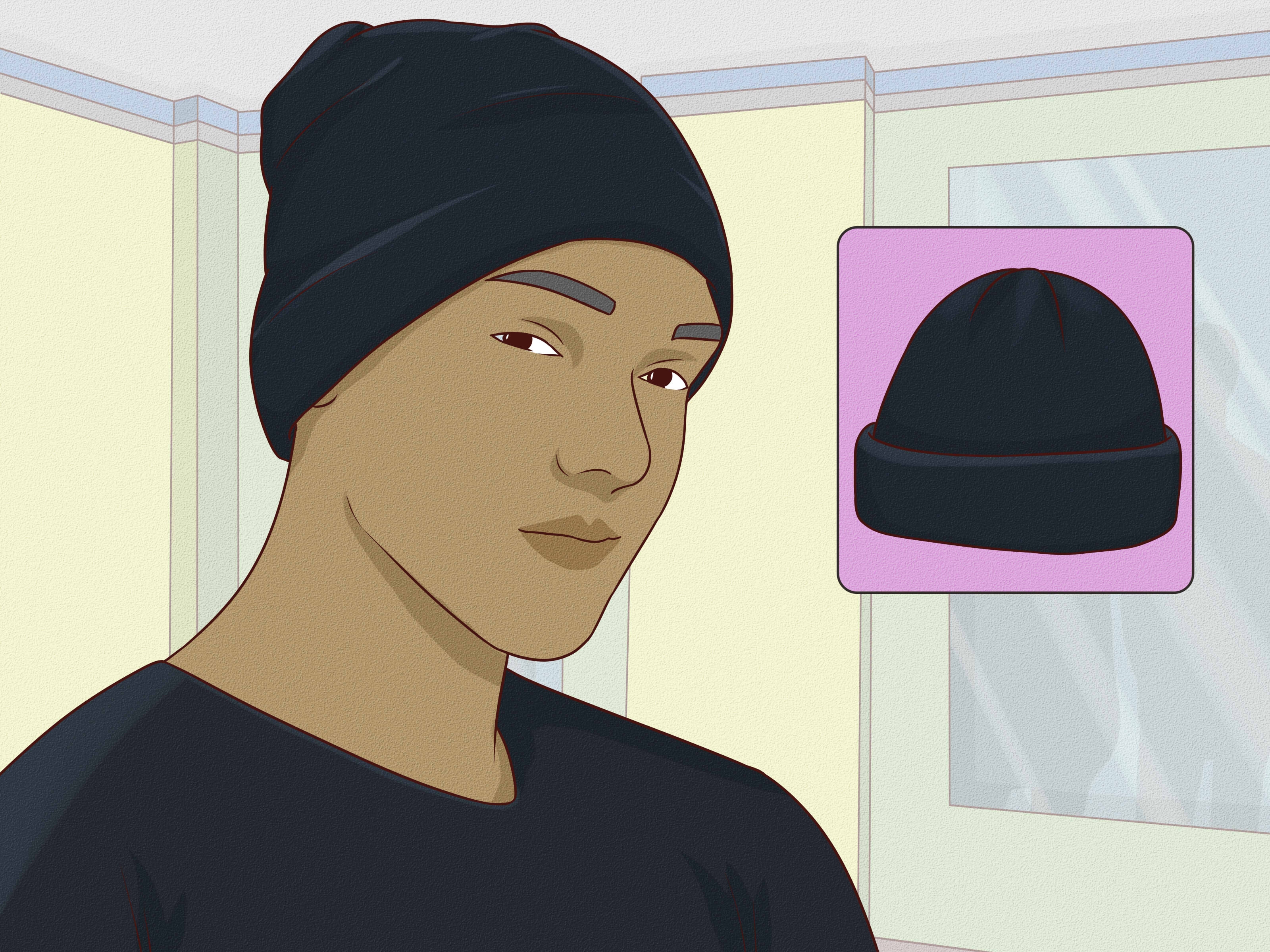
Step 6: Choose a Fedora, Homburg, or Flat Cap
The hat is often the accessory that makes the character instantly recognizable. Soft felt fedoras and homburgs gained popularity during the 1920s, and historical photographs show that hats were a common part of everyday American dress.
Choose among these options:
- Fedora: Best for the familiar movie-gangster silhouette.
- Homburg: More formal, structured, and appropriate for a powerful boss character.
- Flat cap: Ideal for a driver, messenger, streetwise associate, or less formal outfit.
- No hat: Perfectly acceptable when your hairstyle, suit, and accessories already communicate the theme.
Select a hat proportionate to your face and shoulders. Extremely wide brims can resemble a Western costume, while a tiny novelty hat may make you look like a confused magician. Black, charcoal, brown, and dark gray are the easiest colors to coordinate.
Step 7: Finish With Shoes, an Overcoat, and Accessories
Wear polished black or brown dress shoes, brogues, loafers, or two-tone spectator-style shoes. Spectator shoes developed from traditional brogues and oxfords and became part of the growing sportswear influence of the 1920s.
If the weather permits, add a long wool overcoat or belted trench coat. The extra layer creates a strong silhouette and makes even an inexpensive suit look more substantial.
Useful costume accessories include:
- A pocket-watch chain
- A tie bar or simple tie pin
- A signet-style ring
- A folded handkerchief
- A vintage-looking wallet or money clip
- A fake cigar that is clearly a costume prop
- An empty violin case used as a humorous photo accessory
Avoid carrying realistic weapons. Federal rules require specified markings on many toy, look-alike, and imitation firearms, but even a legally marked replica can alarm other guests, security personnel, or members of the public. The safest approach is to skip gun-shaped props entirely.
If you need something to hold, use playing cards, a pocket watch, a newspaper, a fake event invitation, or a clearly theatrical money bag. These objects communicate the theme without creating unnecessary risk.
Step 8: Style Your Hair and Practice the Character
Comb shorter hair neatly back or create a clean side part with a small amount of styling product. Longer hair can be pinned into a low bun, shaped into soft finger waves, tucked beneath a hat, or left sleek and controlled.
Facial hair should look deliberate. A clean shave, neat mustache, or closely trimmed beard will suit the polished style better than an accidental three-day stubble situation. For makeup, use a matte finish, defined brows, and optional subtle contouring. A femme-fatale interpretation can include dark red lipstick, smoky eyes, or 1920s-inspired waves.
Finally, work on posture. Stand tall, keep your shoulders relaxed, move slowly, and speak clearly. You do not need to shout “See?” at the end of every sentence. In fact, you probably should not. A calm, confident manner is more convincing than an exaggerated accent that exhausts everyone within six minutes.
How to Make the Costume Look Authentic Without Overspending
Spend your money on the pieces people notice first: the jacket, hat, shoes, and vest. Small accessories can be borrowed, thrifted, or improvised. A regular white shirt looks expensive when it is freshly ironed, while a costly shirt looks tragic when it resembles a used napkin.
Use fabric texture to create depth. Pair a smooth suit with a wool overcoat, silk-like tie, cotton shirt, and felt hat. Keeping the color palette controlled allows different materials to look coordinated.
When thrift shopping, inspect garments for stains, missing buttons, broken zippers, and damaged linings. Minor tailoring can improve a bargain jacket, but major shoulder alterations often cost more than purchasing another suit. Hemming trousers and adjusting sleeve length usually provide the most visible improvement.
Common Gangster Costume Mistakes
Using Too Many Accessories
A fedora, pocket watch, cigar, cane, gloves, sunglasses, tie pin, giant ring, money bag, and violin case may seem entertaining individually. Worn simultaneously, they make you look like the lost-and-found department at a speakeasy. Select two or three accessories and allow the tailoring to carry the costume.
Confusing Different Historical Eras
A 1920s pinstripe suit, 1940s zoot-suit proportions, 1950s narrow-brim hat, and modern sneakers belong to different visual periods. Costume accuracy does not have to be perfect, but keeping the main pieces within one general era produces a more coherent result.
Copying Real Gang Signs or Insignia
Do not use modern gang colors, hand signs, tattoos, patches, or identifying symbols. They are unnecessary for a vintage costume and could be interpreted as real affiliations. A neutral, fictional character is safer, more respectful, and easier for an audience to understand.
Choosing Props That Create Safety Problems
Realistic weapon props can lead to misunderstandings, event removal, or contact with law enforcement. Many venues prohibit them regardless of whether they are functional. Check the host’s costume rules and choose obviously harmless accessories.
Ignoring Comfort
Test the entire outfit before the event. Sit down, climb stairs, raise your arms, and walk in the shoes. Loosen anything that restricts breathing or movement. A costume loses some of its intimidating mystique when its wearer cannot bend over to retrieve a dropped mozzarella stick.
A Practical Gangster Costume Experience: What Works in Real Life
Putting together a successful gangster costume usually begins with too many ideas. You picture a flawless three-piece pinstripe suit, glossy shoes, a dramatic overcoat, an antique pocket watch, and a felt fedora angled with mathematical precision. Then you inspect your closet and discover one navy business jacket, gray trousers, and a tie you last wore to a cousin’s wedding.
That is not a disaster. In practice, a convincing costume comes from improving a few visible details rather than finding a museum-quality outfit. Start by laying every possible piece on the bed. A navy jacket and charcoal trousers can work together when the shirt is crisp and the accessories connect the colors. Adding a gray vest makes the mismatched separates look intentional rather than accidental.
The first fitting often reveals small problems. The trousers may be slightly long, the shirt collar may collapse beneath the jacket, or the bargain fedora may sit so low that you can only see people’s shoes. Solving these issues creates a bigger improvement than adding another novelty prop. Temporary hemming tape can shorten trousers, collar stays can sharpen a shirt, and a small foam sizing strip can help an oversized hat fit securely.
The next lesson is that photographs exaggerate clutter. An outfit that looks entertaining in the mirror may appear chaotic on camera. After taking a test photo, remove whichever accessory attracts attention for the wrong reason. Frequently, that is the bright plastic cigar, oversized chain, or comedy tie covered in dollar signs. The costume becomes stronger when the viewer notices the overall silhouette first.
Comfort testing is equally important. Wear the outfit for at least 20 minutes before leaving home. Sit in a chair, walk around, and check whether the vest pulls across the buttons. New dress shoes should be broken in beforehand, especially when the event involves dancing or standing. Insoles can quietly save the evening while preserving your character’s dignity.
At the party, subtle acting tends to work better than constant performance. Straighten your cuffs before posing for a photograph, check an imaginary pocket watch, or calmly adjust the brim of your hat. These small gestures communicate the character without forcing friends to endure a four-hour imitation of a movie villain.
Group costumes also benefit from variety. Instead of dressing every person in identical pinstripes and black fedoras, assign complementary roles. One person can wear the polished boss outfit, another can choose suspenders and rolled sleeves, and someone else can appear as the elegant club owner or undercover detective. Shared colors or matching pocket squares visually unite the group.
The most successful result is usually not the costume with the greatest number of pieces. It is the one that fits properly, photographs clearly, remains comfortable, and gives the wearer confidence. Once those elements are in place, the character becomes recognizable before you say a wordand nobody has to ask whether you are dressed as a striped mattress salesperson.
Final Thoughts
Learning how to dress up like a gangster is primarily an exercise in smart styling. Begin with a dark suit, add a crisp shirt and vest, choose one distinctive hat, polish your shoes, and finish with a few tasteful accessories. The outfit should suggest a fictional Prohibition-era character without copying real criminal organizations or relying on dangerous props.
Whether you are attending Halloween festivities, a murder-mystery dinner, a themed birthday, or a theatrical event, proper fit and confident presentation will do more than an overflowing suitcase of novelty accessories. Keep the look polished, comfortable, and clearly playful. After all, the only thing you should be stealing is the spotlight.