Salad has excellent public relations. It shows up in health articles wearing a crisp romaine blazer, looking responsible and photogenic. But let’s be honest: not everyone wants to eat a cold bowl of leaves every day. Some people love salad. Some people tolerate it. Some people look at spring mix and feel personally threatened.
The good news? You can eat more vegetables without becoming a full-time salad person. In fact, many of the easiest ways to increase vegetable intake involve foods you already enjoy: pasta, eggs, soup, tacos, pizza, rice bowls, sandwiches, smoothies, sauces, casseroles, and even breakfast. The goal is not to punish your taste buds. The goal is to make vegetables convenient, flavorful, and normal enough that they stop feeling like a chore.
Vegetables bring fiber, vitamins, minerals, antioxidants, color, texture, and volume to meals. They can support heart health, digestion, blood sugar balance, and overall diet quality. But knowing vegetables are good for you does not automatically make steamed broccoli exciting at 7:13 p.m. on a Tuesday. That is where strategy comes in.
This guide explains how to eat more veggies without eating salad, using practical, realistic, and genuinely tasty ideas. No guilt. No sad desk lettuce. No pretending raw kale is a personality trait.
Why Eating More Vegetables Matters
Vegetables are one of the most useful food groups because they deliver a lot of nutrition without needing much drama. They contain dietary fiber, potassium, folate, vitamin A, vitamin C, vitamin K, magnesium, and plant compounds that support long-term wellness. Different vegetables offer different benefits, which is why variety matters. A carrot is not trying to be spinach. A sweet potato is not trying to be cauliflower. Everyone has a job.
Many nutrition experts recommend building meals around color and variety. Dark leafy greens, red and orange vegetables, beans, peas, lentils, starchy vegetables, and other vegetables all contribute different nutrients. A practical target for many adults is around 2 to 3 cups of vegetables per day, depending on age, sex, activity level, and calorie needs. That sounds like a lot until you stop imagining it as one giant salad bowl and start spreading it across the day.
For example, half a cup of spinach in scrambled eggs, a cup of roasted vegetables at lunch, and a tomato-based vegetable sauce at dinner can get you surprisingly close. Eating more vegetables is less about perfection and more about repetition. Small additions count, especially when they become habits.
The Problem With “Just Eat Salad” Advice
“Just eat a salad” sounds simple, but it ignores real life. Salad can be expensive, time-sensitive, and texture-sensitive. Greens wilt. Cucumbers get weird. Dressing leaks. Someone in the office fridge steals your grilled chicken. Suddenly, your health plan has become a cold case investigation.
Salads also may not feel satisfying to everyone, especially when they are too low in protein, healthy fat, or complex carbohydrates. A bowl of plain lettuce might technically be food, but emotionally it is an apology. If a meal leaves you hungry an hour later, it is not helping you build a sustainable routine.
The better approach is to add vegetables to meals that already work for your lifestyle. Love breakfast burritos? Add peppers and onions. Eat pasta weekly? Blend vegetables into the sauce. Prefer warm food? Roast, sauté, stir-fry, grill, or simmer vegetables into soups and stews. When vegetables taste good and fit your routine, you are more likely to eat them without needing a motivational speech.
Start With Breakfast: The Most Underrated Veggie Opportunity
Breakfast is often dominated by toast, cereal, yogurt, eggs, or coffee consumed while standing like a confused flamingo. But it can be a great place to sneak in vegetables early, which makes the rest of the day easier.
Add Veggies to Eggs
Scrambled eggs, omelets, egg muffins, breakfast tacos, and frittatas are vegetable magnets. Try spinach, mushrooms, bell peppers, tomatoes, onions, zucchini, broccoli, or leftover roasted vegetables. The trick is to cook watery vegetables first so they do not turn your eggs into soup with commitment issues.
A simple veggie scramble can include two eggs, a handful of spinach, chopped tomatoes, mushrooms, and a little cheese. Serve it with whole-grain toast or wrapped in a tortilla. It tastes like breakfast, not a nutrition lecture.
Upgrade Breakfast Potatoes
If you like breakfast potatoes, add onions, peppers, zucchini, mushrooms, or chopped kale. Roasted sweet potatoes with black beans, salsa, and avocado can also make a hearty breakfast bowl. The vegetables blend naturally with crispy, savory flavors.
Blend Vegetables Into Smoothies
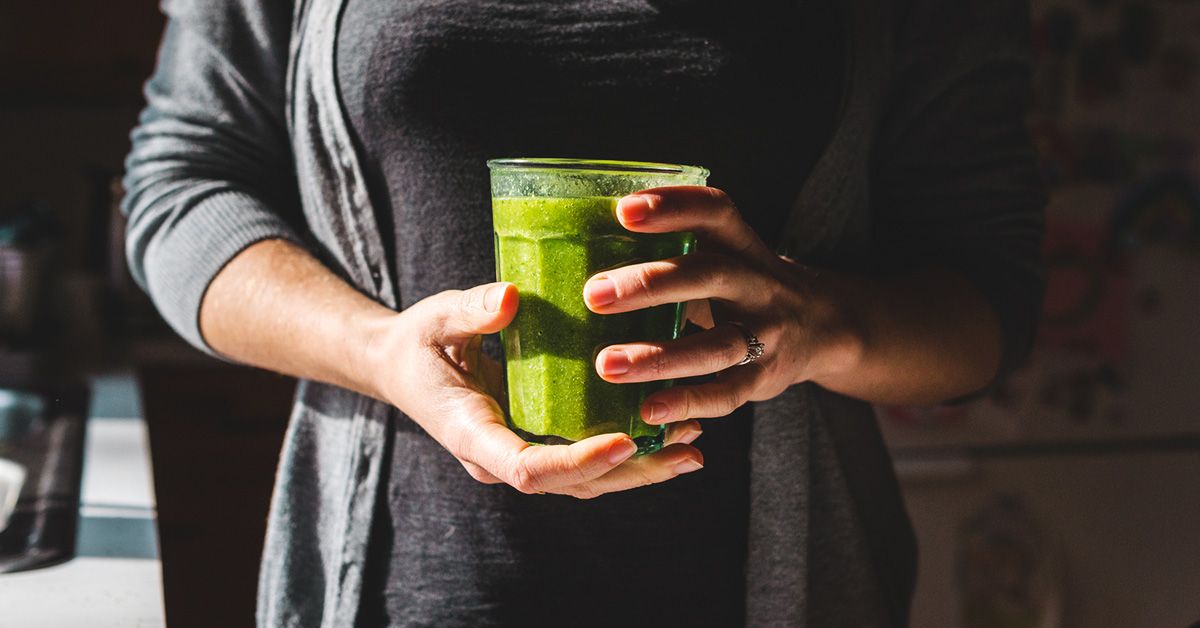
Not every smoothie needs to be a green swamp. Mild vegetables like spinach, frozen cauliflower, cucumber, pumpkin puree, cooked sweet potato, or carrots can blend well with fruit, yogurt, milk, or unsweetened plant-based beverages. Spinach is especially low-drama because it hides behind banana and berries like a vegetable in witness protection.
Turn Lunch Into a Vegetable Delivery System
Lunch is where many people want convenience. That does not mean vegetables are doomed. It just means they need to be ready to jump into wraps, bowls, soups, leftovers, and sandwiches without demanding a cutting board and emotional support.
Build Better Sandwiches and Wraps
Sandwiches are a simple place to add crunch and color. Try roasted red peppers, spinach, shredded carrots, cucumber slices, tomato, avocado, sprouts, grilled zucchini, or pickled onions. A turkey sandwich with spinach and roasted peppers feels much more interesting than turkey sitting alone between bread like it is waiting for jury duty.
Wraps are even more flexible. Add hummus, shredded cabbage, carrots, cucumber, roasted vegetables, or beans. If raw vegetables are not your favorite, use roasted or grilled ones. Texture matters. Flavor matters. You are allowed to make vegetables taste like food.
Make Grain Bowls Instead of Salads
A grain bowl gives you the structure of a salad without the cold-leaf obligation. Start with brown rice, quinoa, farro, barley, couscous, or whole-grain pasta. Add cooked vegetables, protein, sauce, and something crunchy. For example, try rice with roasted broccoli, carrots, edamame, chicken or tofu, and a sesame ginger sauce. Or make a Mediterranean bowl with quinoa, roasted zucchini, chickpeas, tomatoes, cucumbers, feta, and tzatziki.
The bowl format works because it is flexible. You can use leftovers, frozen vegetables, canned beans, or whatever produce is quietly judging you from the refrigerator drawer.
Use Soup as a Vegetable Shortcut
Soup is one of the easiest ways to eat more vegetables without eating salad. Minestrone, lentil soup, vegetable chili, tomato soup, chicken vegetable soup, black bean soup, and butternut squash soup can all pack in produce. Soups also make frozen vegetables useful because texture is less demanding once everything is simmered together.
For a fast upgrade, add frozen spinach, peas, carrots, corn, kale, or mixed vegetables to canned soup while heating it. Suddenly, your basic soup has gone to graduate school.
Make Dinner More Vegetable-Friendly Without Making It “Diet Food”
Dinner is often where vegetables either shine or disappear completely. The best strategy is to connect vegetables with foods people already crave: pasta, tacos, stir-fries, burgers, pizza, casseroles, and comfort food.
Add Vegetables to Pasta and Sauce
Pasta is not the enemy. Lonely pasta is the issue. Add vegetables directly to the sauce or toss them into the pasta during the last few minutes of cooking. Spinach, broccoli, peas, mushrooms, zucchini, cherry tomatoes, eggplant, and bell peppers all work well.
You can also blend vegetables into sauce. Try roasted carrots, onions, garlic, bell peppers, zucchini, or cauliflower blended into marinara. The result is smooth, savory, and perfect for people who do not want chunky vegetables waving hello from the plate.
Make Tacos, Burritos, and Quesadillas Work Harder
Tacos are basically edible architecture. Use that structure wisely. Add sautéed peppers and onions, shredded cabbage, corn, mushrooms, zucchini, spinach, roasted sweet potato, or black beans. A taco with seasoned mushrooms, slaw, avocado, salsa, and lime can make vegetables feel like the main event instead of the sidekick.
Quesadillas are another easy option. Add spinach, peppers, onions, mushrooms, or leftover roasted vegetables with cheese and beans. The cheese helps hold everything together, which is useful because vegetables, much like toddlers, sometimes need structure.
Use Stir-Fries for Speed
Stir-fries are fast, colorful, and forgiving. Use fresh or frozen vegetables such as broccoli, snap peas, carrots, bell peppers, mushrooms, bok choy, cabbage, or green beans. Add chicken, shrimp, tofu, beef, eggs, or edamame for protein. Serve over rice, noodles, or cauliflower rice if you enjoy it.
The sauce matters. Garlic, ginger, soy sauce, sesame oil, chili paste, citrus, peanut sauce, or teriyaki-style sauce can make vegetables taste bold and satisfying. A good sauce is often the difference between “I should eat this” and “I want seconds.”
Roast Vegetables Until They Stop Being Boring
Roasting is one of the best techniques for people who think they do not like vegetables. High heat brings out sweetness, browning, and crispy edges. Broccoli, cauliflower, carrots, Brussels sprouts, sweet potatoes, onions, squash, asparagus, and peppers all become more flavorful when roasted.
Use a hot oven, enough space on the pan, and a little oil. Crowded vegetables steam instead of roast, and steamed roasted vegetables are the culinary equivalent of a canceled vacation. Season with garlic powder, smoked paprika, black pepper, Italian herbs, lemon zest, or a sprinkle of parmesan after cooking.
Use Sauces, Dips, and Spreads to Make Vegetables Easier
Some people do not hate vegetables. They hate plain vegetables. This is an important distinction. A raw carrot alone may be fine. A raw carrot with hummus is suddenly invited to the party.
Keep Dips Around
Hummus, Greek yogurt ranch, guacamole, bean dip, tzatziki, salsa, peanut sauce, tahini sauce, and cottage cheese-based dips can make vegetables easier to snack on. Pair them with carrots, cucumbers, snap peas, bell pepper strips, celery, cherry tomatoes, broccoli, or cauliflower.
This approach works especially well if you prepare vegetables once and store them where you can actually see them. The refrigerator crisper drawer has a suspicious talent for turning vegetables invisible.
Blend Vegetables Into Creamy Sauces
Cooked cauliflower can become a creamy pasta sauce. Roasted red peppers can become a smoky sauce for chicken or grain bowls. Butternut squash can blend into macaroni and cheese. Pumpkin puree can add body to chili or curry. Tomatoes, carrots, and onions can disappear into soups and sauces while still adding flavor and nutrients.
Blended vegetables are not “sneaky” in a dishonest way. They are simply efficient. Not every vegetable needs to arrive with a marching band.
Snack on Vegetables Without Feeling Like a Rabbit
Vegetable snacks can be satisfying when they include flavor, protein, or crunch. The goal is not to gnaw celery in silence while questioning your life choices.
Try Savory Snack Plates
Make a simple plate with vegetables, dip, cheese, nuts, boiled eggs, whole-grain crackers, or turkey slices. This turns raw vegetables into part of a snack, not the entire personality of the snack.
Make Crunchy Vegetable Options
Try roasted chickpeas, kale chips, baked zucchini fries, air-fried green beans, roasted carrot fries, or crispy Brussels sprouts. These options can satisfy the desire for crunch while adding more plant foods to the day.
Use Pickled Vegetables
Pickled onions, cucumbers, carrots, jalapeños, cabbage, and radishes can add bright flavor to sandwiches, tacos, bowls, eggs, and rice dishes. Because pickled foods can be higher in sodium, use them as a flavor boost rather than the whole vegetable plan.
Make Frozen and Canned Vegetables Your Backup Team
Fresh vegetables are wonderful, but they are not the only respectable option. Frozen and canned vegetables can be affordable, convenient, and nutritious. Frozen vegetables are often picked and frozen quickly, and canned vegetables can be useful when time, money, or refrigerator space is limited.
For frozen vegetables, keep staples like peas, spinach, broccoli, cauliflower rice, mixed vegetables, corn, green beans, and stir-fry blends. Add them to eggs, soups, rice, pasta, casseroles, and skillet meals.
For canned vegetables, look for “low sodium” or “no salt added” options when possible. Rinsing canned vegetables and beans can help reduce sodium. Canned tomatoes, pumpkin, corn, green beans, artichokes, beans, lentils, and roasted peppers are especially useful pantry staples.
How to Eat More Veggies When You Do Not Like Vegetables
If you are not a vegetable fan, start small. Do not begin with a giant bowl of raw kale unless you enjoy dramatic failure. Begin with vegetables that have mild flavors and friendly textures.
Choose Beginner-Friendly Vegetables
Good starter vegetables include carrots, sweet potatoes, peas, corn, cucumbers, tomatoes, bell peppers, zucchini, spinach, butternut squash, and roasted cauliflower. These tend to pair well with familiar flavors and do not require advanced vegetable citizenship.
Change the Cooking Method
If you dislike steamed broccoli, you may like roasted broccoli. If raw spinach feels too leafy, try it wilted into soup or pasta. If cauliflower seems bland, roast it with spices or blend it into sauce. Cooking method can completely change flavor and texture.
Use the “One More Vegetable” Rule
Instead of overhauling your diet overnight, add one more vegetable to something you already eat. Add spinach to eggs. Add mushrooms to burgers. Add peas to rice. Add peppers to pizza. Add zucchini to pasta. Add tomato to sandwiches. Repeat until it feels normal.
Practical Meal Ideas That Add Vegetables Without Salad
Breakfast Ideas
- Egg muffins with spinach, peppers, and mushrooms
- Breakfast tacos with scrambled eggs, salsa, beans, and sautéed onions
- Smoothie with berries, spinach, yogurt, and frozen cauliflower
- Sweet potato hash with black beans and avocado
- Whole-grain toast with avocado, tomato, and an egg
Lunch Ideas
- Turkey wrap with hummus, spinach, cucumber, and roasted peppers
- Rice bowl with broccoli, carrots, edamame, and sesame sauce
- Lentil soup with carrots, tomatoes, celery, and kale
- Bean burrito with peppers, onions, corn, and salsa
- Whole-grain pasta salad alternative with roasted vegetables and chicken
Dinner Ideas
- Spaghetti with blended vegetable marinara
- Stir-fry with frozen vegetables, tofu, and brown rice
- Pizza topped with mushrooms, peppers, onions, spinach, or tomatoes
- Chili with beans, tomatoes, peppers, onions, carrots, and zucchini
- Mac and cheese with blended butternut squash or cauliflower
How to Make Vegetables Taste Better
Vegetables need seasoning. This should not be controversial. Nobody expects chicken to taste exciting with absolutely nothing on it, yet vegetables are often served plain and then blamed for being boring.
Use salt thoughtfully, especially if you are watching sodium, but do not forget herbs, spices, acids, and healthy fats. Lemon juice, vinegar, garlic, onion, smoked paprika, cumin, chili flakes, basil, parsley, dill, cilantro, ginger, sesame oil, olive oil, yogurt sauces, and salsa can completely transform vegetables.
Acid is especially underrated. A squeeze of lemon or splash of vinegar can make roasted vegetables taste brighter. A little fat can help with flavor and satisfaction. Spices can move vegetables from “mandatory side dish” to “why did we not make more?”
Experience-Based Tips: What Actually Works in Real Kitchens
In real life, the easiest vegetable habits are usually the least glamorous. Nobody needs a 19-step meal prep ritual involving matching glass containers and a soundtrack of personal growth. What works is having vegetables ready in forms that match your actual schedule.
One useful experience-based approach is to create a “vegetable default.” For example, whenever making eggs, the default is adding spinach or peppers. Whenever cooking pasta, the default is adding peas, broccoli, mushrooms, or blended sauce. Whenever making tacos, the default is adding cabbage, salsa, peppers, or beans. The decision is already made, so you do not have to negotiate with yourself while hungry.
Another practical lesson: texture can make or break the habit. Many people think they dislike vegetables when they actually dislike mushy vegetables. Roasting, air-frying, grilling, or quick sautéing can create better texture. Broccoli with crispy edges is a different experience from broccoli that has been steamed into a green apology. Brussels sprouts roasted until browned with a little balsamic glaze can win over people who previously considered them tiny cabbages of sadness.
Convenience also matters more than motivation. A bag of frozen vegetables may not look exciting, but it can rescue dinner. Frozen peas can go into pasta. Frozen spinach can go into soup. Frozen stir-fry vegetables can become dinner with rice and protein. Pre-cut vegetables cost more, but if they help you actually eat vegetables instead of composting good intentions, they may be worth it.
For families, roommates, or picky eaters, the “build-your-own” method works well. Set out tortillas, rice, pasta, baked potatoes, or grain bowls with several toppings. Include vegetables in different forms: roasted, raw, sauced, shredded, pickled, or blended. People feel less pressured when they can choose. Choice makes vegetables feel less like homework.
It also helps to attach vegetables to favorite flavors. Like buffalo sauce? Try buffalo cauliflower or add celery and carrots on the side with yogurt ranch. Love pizza? Add mushrooms, peppers, onions, spinach, or tomatoes. Prefer creamy comfort food? Blend cauliflower or squash into sauces. The goal is not to erase the food you enjoy. The goal is to let vegetables ride along until they become part of the meal.
Finally, do not underestimate tiny wins. A handful of spinach in soup counts. Salsa on eggs counts. Beans in chili count. Tomato on a sandwich counts. Carrots with hummus count. Eating more vegetables is not a dramatic personality transformation. It is a series of small, repeatable choices that eventually become automatic.
Conclusion: You Do Not Need Salad to Eat More Vegetables
Eating more vegetables does not require a daily bowl of lettuce, a strict meal plan, or a sudden love affair with raw kale. You can increase your veggie intake by adding vegetables to meals you already enjoy, using cooking methods that improve flavor, relying on frozen and canned options, and keeping sauces or dips nearby.
The most sustainable strategy is simple: make vegetables easy, tasty, and familiar. Put them in eggs, pasta, soups, tacos, bowls, sandwiches, smoothies, sauces, casseroles, and snacks. Roast them until crispy. Blend them until creamy. Season them like they deserve joy. Because they do.
Salad is optional. Vegetables are flexible. And your dinner does not have to look like a lawn to be healthy.