Note: This article is for educational purposes only and is not a substitute for medical advice. If itching comes with trouble breathing, swelling, chest pain, faintness, hives, or a racing heartbeat that feels scary rather than “gym dramatic,” stop using the supplement and seek medical help.
You take a scoop of pre-workout, lace up your shoes, start feeling unstoppable, and then suddenly your skin begins buzzing like it joined a tiny marching band. Your ears tingle. Your face feels warm. Your arms itch. You wonder, “Am I turning into a superhero, or did I accidentally drink powdered ants?”
That prickly feeling is commonly called pre-workout itch, beta-alanine tingles, or pre-workout tingling. For many people, it is uncomfortable but temporary. The usual culprit is beta-alanine, an amino acid often added to pre-workout formulas to support high-intensity exercise performance. Another possible contributor is niacin, also known as vitamin B3, which can cause warmth, flushing, and itching in some formulas.
The good news: you do not have to choose between “itchy goblin mode” and a good workout. With smarter dosing, better product selection, and safer supplement habits, you can reduce or avoid the itch while still training hard.
What Causes Pre-Workout Itch?
Pre-workout itch is most often linked to beta-alanine paresthesia. “Paresthesia” is the fancy medical word for abnormal skin sensations such as tingling, prickling, itching, or pins and needles. Beta-alanine can activate sensory nerves in the skin, especially when taken in a larger single dose. That is why the sensation often shows up on the face, neck, ears, hands, or arms within 10 to 30 minutes after drinking pre-workout.
Here is the important part: in many cases, beta-alanine itch is not an allergic reaction. It is usually dose-related and temporary. It may feel dramatic, but it often fades within about an hour. Still, “usually harmless” does not mean “ignore everything.” If your symptoms include swelling, wheezing, hives, severe dizziness, chest pain, or vomiting, treat that as a red flag.
Niacin can also create a similar problem. Some pre-workouts include niacin because it helps the body use energy from food. In higher amounts, niacin can cause a warm, red, itchy flush. This is different from beta-alanine tingling, but to the person standing in the gym bathroom mirror wondering why their face looks like a tomato with goals, it can feel pretty similar.
Strategy 1: Lower, Split, or Time Your Dose
Start With Less Than the Label Suggests
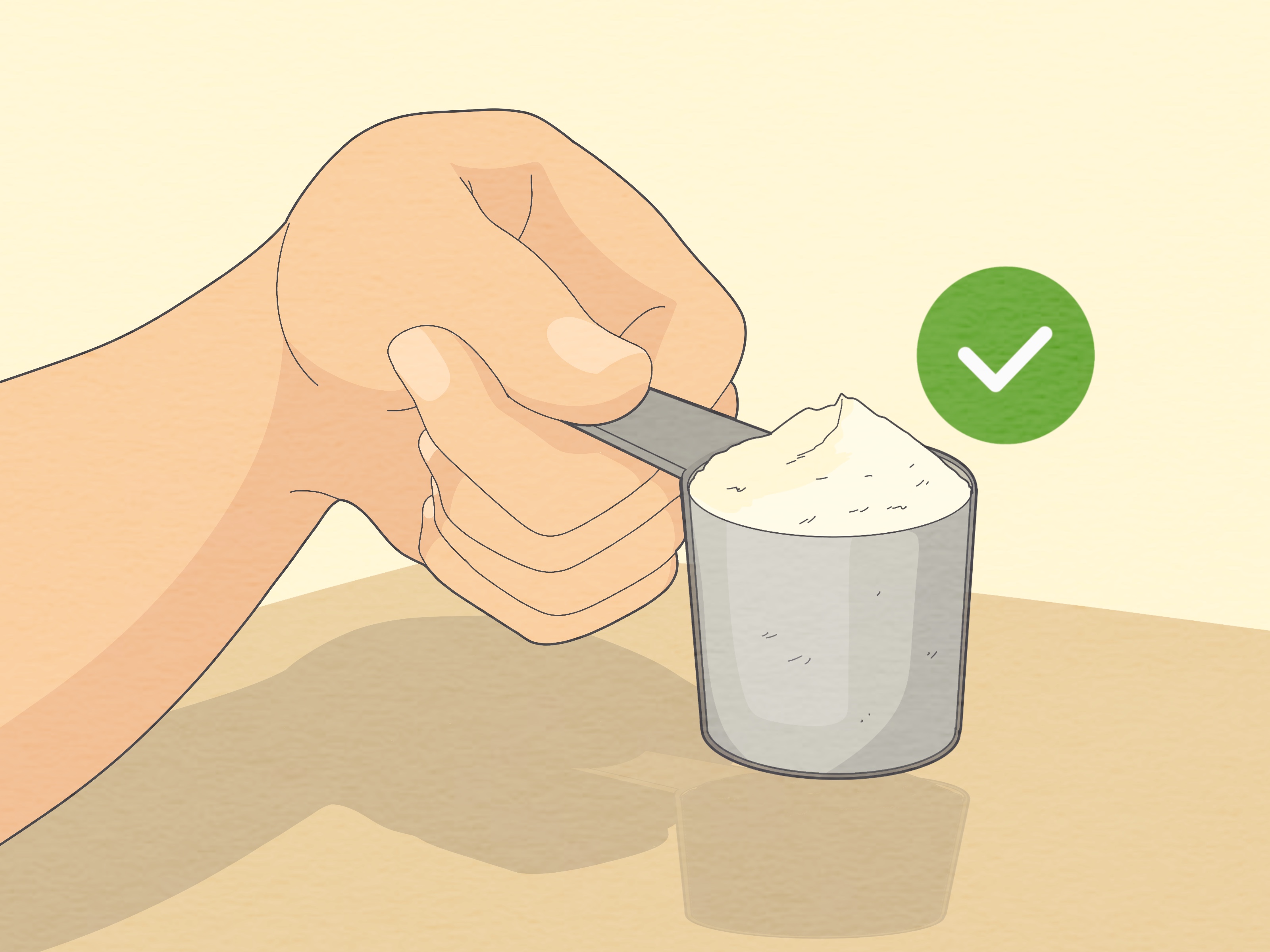
The fastest way to reduce pre-workout itch is also the least glamorous: take less. Many people jump straight into a full scoop because the label says “one scoop,” the influencer says “full send,” and the scoop is already built like a tiny shovel. But your skin does not care about gym culture. It cares about how much beta-alanine hits your system at once.
If you are new to pre-workout, start with half a serving or even one-third of a serving. See how your body responds for a few workouts before increasing. This is especially useful if your product contains beta-alanine, niacin, caffeine, yohimbine, synephrine, or other stimulants.
Split Beta-Alanine Across the Day
Beta-alanine works best through consistent use over time because it helps increase muscle carnosine levels. That means you do not necessarily need to take a large amount all at once right before training. If your goal is beta-alanine’s performance support, smaller divided doses may be easier to tolerate than one big scoop.
For example, instead of taking a full pre-workout serving that contains a large beta-alanine dose 20 minutes before training, you might choose a lower-stim pre-workout and take beta-alanine separately in smaller servings across the day. This approach can reduce the “my eyebrows are vibrating” sensation while keeping your supplement routine more controlled.
Do Not Dry Scoop
Dry scooping means swallowing pre-workout powder without mixing it with water. It is popular online because apparently the internet occasionally wakes up and asks, “How can we make this normal thing worse?” Dry scooping can increase the chance of choking, throat irritation, stomach upset, and accidentally consuming a large hit of caffeine or other ingredients too quickly.
Mix your pre-workout with water as directed. Drink it slowly instead of slamming it like you are trying to defeat a stopwatch. If your itch is intense, taking your pre-workout with a small snack may also make the experience gentler, especially if caffeine or niacin bothers your stomach or skin.
Strategy 2: Switch to a Better Formula
Look for “No Beta-Alanine” or Low-Beta-Alanine Pre-Workouts
If beta-alanine makes you miserable, you are allowed to break up with it. No courtroom, no awkward text, no “it’s not you, it’s my sensory nerves.” Many pre-workouts are now available without beta-alanine. These formulas may use ingredients such as caffeine, creatine, citrulline, electrolytes, or carbohydrates instead.
A beta-alanine-free pre-workout is a smart option if the itch distracts you from training. After all, the best supplement is not the one with the loudest label. It is the one you can actually use consistently without feeling like your skin is trying to leave the building.
Choose Sustained-Release Beta-Alanine
If you want the benefits of beta-alanine but hate the tingles, consider a formula that uses sustained-release beta-alanine. These products are designed to release beta-alanine more gradually, which may reduce the sudden nerve stimulation that causes itching and tingling.
This is not magic. You still need to check the dose, your tolerance, and the rest of the ingredient list. But sustained-release options can be a practical middle ground for people who want performance support without the “electric sweater” effect.
Check the Niacin Amount
If your pre-workout makes you red, hot, and itchy, beta-alanine might not be working alone. Look at the supplement facts panel for niacin. Some products include high amounts, and niacin flush can feel like warmth, redness, burning, or itching, especially around the face, neck, and chest.
If niacin seems to be the issue, choose a pre-workout with less niacin or no added niacin. Do not stack multiple supplements that contain niacin unless a healthcare professional has told you to do so. More is not automatically better. Sometimes more is just more itchy.
Pick Third-Party Tested Supplements
In the United States, dietary supplements are not approved by the FDA before they are marketed in the same way prescription drugs are. Manufacturers are responsible for making sure their products are safe and properly labeled, but that does not mean every tub on the shelf is equally trustworthy.
For better quality control, look for third-party testing from programs such as NSF Certified for Sport, Informed Sport, or other reputable independent testing organizations. This is especially important for competitive athletes, students, military personnel, or anyone who needs to avoid banned or undeclared ingredients.
Strategy 3: Build a Smarter Pre-Workout Routine
Hydrate Before You Stimulate
Pre-workout itch may feel worse when you are dehydrated, overheated, or already stressed. Before reaching for powder, start with the basics: drink water, eat enough during the day, and avoid training in a completely under-fueled state. Your body is not a phone; you cannot fix a 2% battery with one neon-blue scoop and optimism.
Hydration also helps reduce other common pre-workout complaints, including headache, nausea, cramps, and that strange moment when your heart seems to be auditioning for a drum solo. If your formula contains caffeine, hydration matters even more because caffeine can increase alertness while also making some people feel jittery.
Avoid Stacking Stimulants
Many pre-workouts contain caffeine. Some contain a lot of it. If you also drink coffee, energy drinks, fat burners, or caffeinated soda, your total caffeine intake can climb quickly. Too much caffeine may cause shakiness, anxiety, digestive upset, rapid heartbeat, poor sleep, and a workout that feels less like fitness and more like being chased by invisible bees.
Read labels carefully. If one serving already contains a large caffeine dose, do not pair it with a double espresso unless you know your tolerance extremely well. People with high blood pressure, heart rhythm issues, anxiety disorders, pregnancy, certain medications, or caffeine sensitivity should be especially cautious and should ask a healthcare professional before using stimulant-heavy pre-workouts.
Warm Up Instead of Relying Only on Powder
A pre-workout supplement should not replace an actual warm-up. A proper warm-up increases blood flow, prepares your joints, and helps your nervous system get ready for movement. Five to ten minutes of light cardio, mobility work, and warm-up sets can do more for your workout quality than simply waiting for your face to tingle.
Try this simple routine before lifting:
- 3 minutes of brisk walking, cycling, or rowing
- 10 bodyweight squats
- 10 arm circles in each direction
- 8 hip hinges
- 1 to 3 lighter warm-up sets of your first exercise
If you train for running, warm up with easy jogging, leg swings, ankle circles, and short relaxed strides. If you train for sports, use movement patterns that match your session. The goal is to feel ready, not itchy, panicked, and spiritually confused.
When Is Pre-Workout Itch Normal?
Pre-workout itch is usually considered normal when it feels like mild to moderate tingling, prickling, or itching that appears soon after taking a product with beta-alanine and fades within a reasonable time. It may be annoying, but it should not be painful, progressive, or paired with serious symptoms.
Normal-ish signs may include:
- Tingling on the face, ears, neck, arms, or hands
- Itching without rash or swelling
- A warm sensation that fades after training begins
- Symptoms that improve when you lower the dose
When Should You Worry?
Stop taking the product and get medical advice if you notice symptoms that seem allergic, cardiovascular, or severe. This includes hives, swelling of the lips or tongue, wheezing, shortness of breath, chest pain, fainting, severe dizziness, vomiting, confusion, or a very fast or irregular heartbeat.
You should also be cautious if the itching comes with a rash that lasts, burning skin, severe flushing, or symptoms that happen even with a tiny dose. In that case, the problem may not be simple beta-alanine paresthesia. It could be another ingredient, an allergy, a medication interaction, or a product quality issue.
Common Mistakes That Make Pre-Workout Itch Worse
Mistake 1: Assuming Tingling Means the Product Is Working
The itch is not proof that your pre-workout is powerful. It is proof that your sensory nerves noticed something. A product can be effective without making you feel like a cactus in leggings.
Mistake 2: Taking More Because You “Do Not Feel It”
Some people take a scoop, wait five minutes, feel nothing, and take more. This is a classic route to overdoing caffeine, beta-alanine, niacin, and other active ingredients. Give the supplement time to work. Follow the label. Respect your body’s response.
Mistake 3: Ignoring the Full Ingredient List
Pre-workout formulas can contain long lists of ingredients, including caffeine, beta-alanine, citrulline, creatine, tyrosine, taurine, niacin, botanical extracts, sweeteners, and flavoring agents. If you react poorly, do not blame only beta-alanine without checking the rest of the label.
Practical Examples: How to Fix the Itch Based on Your Situation
If You Get Mild Tingling but Still Like the Product
Use half a scoop, mix it with plenty of water, and drink it 30 minutes before training. If symptoms become manageable, stay with that dose. There is no award for taking the most powder unless the award is “Most Likely to Scratch Forearms Between Sets.”
If You Get Strong Itching Every Time
Switch to a pre-workout with no beta-alanine and low niacin. Choose a cleaner label, moderate caffeine, and third-party testing. You can still train hard without the itch.
If You Want Beta-Alanine for Performance
Consider taking beta-alanine separately in smaller divided doses or using a sustained-release product. This gives you more control than relying on a mystery blend in a pre-workout tub.
If You Feel Jittery, Nauseous, and Itchy
The issue may be more than beta-alanine. You may be taking too much caffeine, using it too close to training, taking it on an empty stomach, or stacking stimulants. Reduce the dose, avoid other caffeine, and consider a non-stimulant pre-workout.
500-Word Experience Section: Real-Life Lessons From Pre-Workout Itch
The first time many people experience pre-workout itch, they do not think, “Ah yes, transient beta-alanine-induced paresthesia.” They think, “Why are my ears sparkling?” That is normal. The sensation can be surprising, especially if nobody warned you. One minute you are preparing for squats, the next you are rubbing your face like you walked through an invisible spiderweb.
A common experience goes like this: someone buys a popular pre-workout because the reviews promise focus, energy, and “skin-splitting pumps.” They take a full scoop before their first workout. Ten minutes later, their forehead tingles. Then their hands itch. Then their neck feels warm. They panic, search the internet in the locker room, and discover that beta-alanine is probably the reason. Their workout may still go well, but mentally, they spend half the session wondering whether their skin has developed Wi-Fi.
After a few tries, most people learn that dose makes a huge difference. Half a scoop may create only a light buzz, while a full scoop feels like wearing a sweater made of static electricity. This is why starting small is so useful. You can always increase later, but you cannot untake a scoop once your elbows begin sending Morse code.
Another real-world lesson is that product formulas vary wildly. One pre-workout may cause intense itching because it contains a big beta-alanine dose plus niacin. Another may feel smooth because it uses less beta-alanine, sustained-release beta-alanine, or no beta-alanine at all. Two tubs can both say “extreme energy” on the label, but your body may treat one like a helpful nudge and the other like a personal attack.
Some lifters eventually decide they do not need pre-workout every day. They save it for heavy leg days, early morning sessions, or workouts where motivation is missing and the couch is whispering sweet lies. On lighter days, they use coffee, water, carbs, music, and a warm-up instead. This can reduce tolerance to stimulants and make pre-workout feel more effective when they actually use it.
Runners and group fitness fans often learn another lesson: timing matters. Taking pre-workout too close to intense cardio may increase stomach upset, flushing, or anxiety. Drinking it slowly 20 to 30 minutes before training, rather than chugging it while walking into class, can make the experience calmer.
The biggest lesson is simple: pre-workout should support your workout, not hijack it. If the itch is mild and you do not mind it, you may not need to change much. If it distracts you, lower the dose or switch formulas. If symptoms feel severe or unusual, stop using the product. Fitness is supposed to challenge your muscles, not turn your skin into a haunted keyboard.
Conclusion
Pre-workout itch is usually caused by beta-alanine, niacin, or a combination of active ingredients that affect the skin, nerves, blood flow, or stimulant response. For most healthy adults, mild beta-alanine tingling is temporary and not dangerous. Still, it can be annoying enough to ruin your focus, and severe symptoms should never be ignored.
The three best strategies are straightforward: adjust your dose, choose a better formula, and build a smarter pre-workout routine. Start with less, avoid dry scooping, check labels, consider beta-alanine-free or sustained-release options, hydrate well, and do not stack stimulants like you are building a caffeine skyscraper.
A great workout does not require itchy ears, red cheeks, or the feeling that your forearms are hosting a tiny fireworks show. Train hard, read labels, respect your tolerance, and let your muscles do the dramatic part.