Walnut trees are the quiet celebrities of the hardwood world. They do not wear neon leaves or shout, “Look at me!” from across the yard. Instead, they drop round green fruits, grow deeply furrowed bark, perfume the air with spicy crushed leaves, and hide clues in their twigs like botanical puzzle masters. Once you know what to look for, identifying a walnut tree becomes surprisingly simpleand, honestly, a little addictive.
This guide focuses mostly on the black walnut tree, also called Juglans nigra, the most familiar native walnut in much of the eastern and central United States. However, many of the same identification tips also help you compare black walnut with English walnut, butternut, pecan, hickory, ash, and tree-of-heaven. Whether you are a homeowner, gardener, forager, student, woodworker, or simply someone who just found mysterious green “tennis balls” on the lawn, these 11 easy ways will help you identify walnut trees with confidence.
Why Learning Walnut Tree Identification Matters
Knowing how to identify walnut trees is useful for more than winning a backyard trivia contest. Walnut trees produce edible nuts, valuable hardwood, excellent wildlife food, and rich shade. They can also affect nearby landscaping because black walnut produces juglone, a natural compound found in the roots, leaves, bark, wood, and nut hulls. Some plants, including tomatoes, peppers, apples, blueberries, azaleas, and peonies, may struggle near black walnut trees. In other words, identifying the tree can help you plan a garden, understand your property, collect nuts safely, or explain why your tomato plants are acting like they received bad news.
Walnut trees also have seasonal identification clues. In spring, they leaf out later than many trees. In summer, their long compound leaves create a feathery canopy. In fall, their yellowing leaves and dropping nuts make them easier to spot. In winter, bark, buds, leaf scars, and chambered pith become the main evidence. A good walnut detective checks more than one clue, because bark alone can fool you and leaves alone may not be available year-round.
How to Identify Walnut Trees: 11 Easy Ways
1. Look for Long Compound Leaves
The first major clue is the leaf. Walnut trees have pinnately compound leaves, meaning one full leaf is made of many smaller leaflets arranged along a central stem. A black walnut leaf can look like a long green feather, often reaching 12 to 24 inches in length. Depending on the tree and growing conditions, black walnut leaves commonly have 9 to 23 leaflets.
The leaflets are usually narrow, pointed, and finely toothed along the edges. They are arranged mostly opposite or slightly staggered along the leaf stem. The leaf as a whole is attached alternately on the twig, not directly opposite another leaf. This alternate arrangement helps separate walnut from ash, which often has compound leaves but opposite branching.
Here is the easy field trick: do not count each little leaflet as a separate leaf. The whole “feather” is one leaf. If the tree has big, long, compound leaves with many pointed leaflets, walnut should move high on your suspect list.
2. Notice the Missing or Tiny End Leaflet
Black walnut leaves often have a small terminal leaflet at the very endor sometimes no obvious terminal leaflet at all. This is a useful clue because many similar compound-leaved trees have a larger leaflet at the tip. Butternut, for example, usually has a more noticeable terminal leaflet. Hickories often have fewer, larger leaflets, commonly 5 to 7, with the end leaflet clearly present.
This is not a perfect rule, because trees enjoy making humans look silly. Young shoots, vigorous sprouts, and individual trees can vary. Still, when you see a long compound leaf with many narrow leaflets and the very tip looks oddly reduced, missing, or unimpressive, black walnut becomes a strong possibility.
3. Crush a Leaflet and Smell It
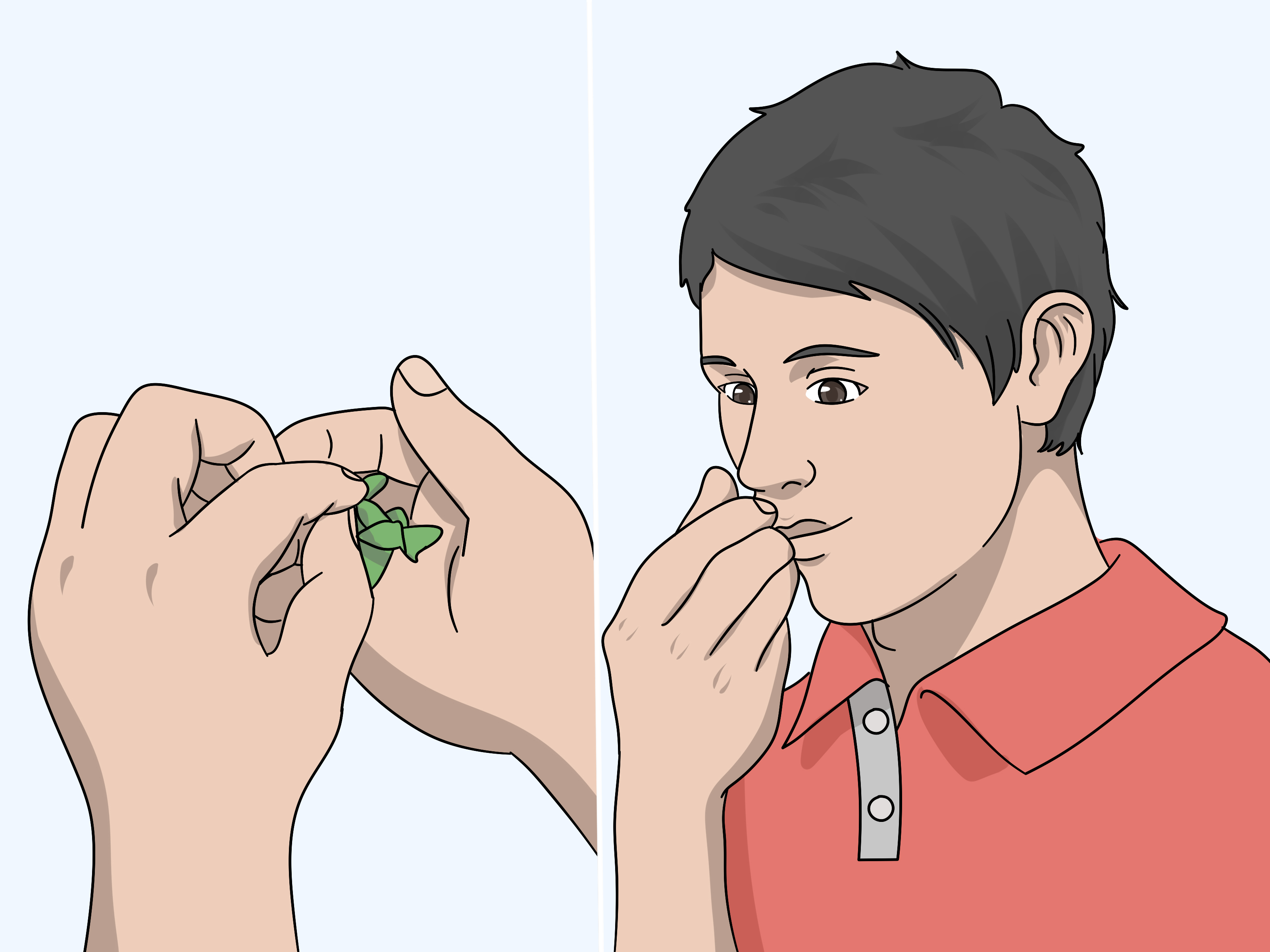
Walnut trees have a distinctive scent. Crush a leaflet gently between your fingers and you may notice a spicy, citrusy, resinous, or “green walnut” smell. Some people compare black walnut foliage to lemon-lime soda, while others describe it as sharp and earthy. Either way, it is not bland.
This smell is especially helpful when comparing walnut with lookalikes. Tree-of-heaven, a common invasive tree, also has long compound leaves, but its crushed foliage often smells unpleasant, like rancid peanut butter or burnt rubber. Walnut smells far more aromatic and cleaner. If your nose votes “spicy woodland snack” instead of “old gym shoe tragedy,” you may be dealing with walnut.
4. Check the Bark for Dark Ridges and Diamond Patterns
Mature black walnut bark is one of its best identification features. It is usually dark gray, brown, or nearly black, with deep furrows and strong ridges. On older trees, these ridges can form a rough diamond-shaped pattern. Some people say mature black walnut bark resembles alligator hide, which is accurate if the alligator has been quietly studying forestry.
Younger walnut trees may have smoother, lighter bark, so bark texture becomes more reliable as the tree ages. English walnut bark is often smoother and lighter, especially when young, while butternut bark is usually lighter gray and less deeply furrowed than black walnut. If the tree is large and the bark is dark, rugged, and ridged in a diamond pattern, take a closer look at the leaves, twigs, and nuts.
5. Search for Round Green Husks
Walnut fruits are among the easiest clues. Black walnuts produce round nuts enclosed in thick green husks. These husks are usually about 1.5 to 2 inches across, though size varies. They may grow singly or in pairs and often drop in early to mid-fall. When fresh, the husk is green and smooth. After falling, it turns yellowish, brown, then black as it decays.
If you find round green balls under a tree, do not immediately assume you have discovered a secret tennis ball farm. Cut or carefully crack one open, and you should find a hard, ridged shell inside. Wear gloves if handling black walnut husks, because they can stain your skin a stubborn brown. The stain is so determined it could probably survive a family reunion, a rainstorm, and three rounds of dish soap.
6. Examine the Nut Shell
Inside the green husk is the walnut shell. Black walnut shells are very hard, thick, dark, and deeply corrugated. They are much tougher than the thin shells of the English walnuts commonly sold in grocery stores. If you have ever tried to open a black walnut with a regular nutcracker, you may have learned humility very quickly.
Butternut fruits are different. They are more oval or oblong, often with a sticky, fuzzy husk, while black walnut fruits are rounder. English walnuts are more familiar as commercial nuts and usually have smoother, thinner shells. So, if the fallen nut is round, heavily armored, and wrapped in a thick green husk, black walnut is a likely match.
7. Cut a Twig to Find Chambered Pith
One of the most reliable walnut identification tricks is checking the twig pith. Pith is the soft tissue inside the center of a twig. On black walnut, the pith is chambered, meaning it is divided into little horizontal sections. If you slice a twig lengthwise, the inside may look like a tiny ladder or stacked compartments.
This feature is especially useful in winter when leaves and nuts are gone. Use a clean knife or pruners on a small fallen twig if possible. Do not damage someone else’s tree without permission. Chambered pith is a classic walnut-family clue and can help confirm your identification when the bark and branch structure already point toward black walnut.
8. Look for the “Monkey Face” Leaf Scar
After a walnut leaf drops, it leaves a scar on the twig. On black walnut, this leaf scar is often described as resembling a monkey face. The scar is somewhat heart-shaped or three-lobed, with small bundle scars that look like eyes or facial features. Once you see it, you may never unsee it. Congratulations: the twig is now staring back.
This clue is helpful during the dormant season. Butternut leaf scars can look similar, but they often have a hairy upper edge, sometimes described as “eyebrows.” Black walnut leaf scars are usually less hairy. When paired with dark bark, round nuts, and chambered pith, the monkey-face leaf scar can be a strong confirmation.
9. Study the Tree’s Overall Shape
Black walnut is usually a large deciduous hardwood. In forests, it often grows tall and straight, with a long clear trunk and a narrower crown because it competes for light. In open yards or fields, it may develop a broader, rounded crown with large spreading branches. Mature black walnuts often reach 70 to 100 feet tall on good sites, though landscape trees can vary widely.
The first major limbs may begin high on the trunk, giving the tree a clean, upright appearance. This shape is one reason black walnut wood is so valuable for lumber. When you see a large tree with a straight trunk, high branching, dark furrowed bark, and compound leaves, you are getting warmer.
10. Check the Growing Location
Black walnut is native across much of the eastern and central United States. It often grows in rich, moist, well-drained soils, especially along streambanks, bottomlands, old farmsteads, roadsides, forest edges, and sunny open areas. It does not love heavy shade, especially when young, so it often grows where it can reach good light.
Habitat is not enough for a final identification, but it helps. A compound-leaved tree growing in an eastern U.S. fencerow with round green nuts beneath it is far more likely to be black walnut than an exotic ornamental. In western landscapes, you may encounter English walnut, California walnut, Arizona walnut, or planted black walnut, so local range and planting history matter.
11. Compare Walnut with Common Lookalikes
Walnut trees are not the only trees with compound leaves, so comparison is important. Ash trees have compound leaves too, but ash branches and leaves are arranged opposite each other, while walnut has alternate branching. Hickories have alternate compound leaves, but they usually have fewer, larger leaflets, and their nuts have husks that split open more cleanly. Pecan, another member of the walnut family, has curved leaflets and longer clusters of nuts.
Tree-of-heaven is one of the most commonly confused lookalikes. It has very long compound leaves and grows fast in disturbed areas. However, tree-of-heaven leaflets often have small glandular teeth near the base, its bark is smoother and lighter, and the crushed foliage smells unpleasant. It also produces papery winged seeds rather than round green nuts.
Butternut, also called white walnut, is closely related to black walnut. It usually has lighter bark, more oblong fruits, sticky or hairy husks, and leaf scars with hairy “eyebrows.” English walnut generally has fewer leaflets, smoother gray bark, and nuts more like the familiar grocery-store walnut. If you use leaves, bark, fruit, pith, scent, and branch arrangement together, you can avoid most mix-ups.
Seasonal Walnut Tree Identification Guide
Spring
In spring, walnut trees are often late to leaf out. Do not panic if a healthy black walnut looks sleepy while other trees are already wearing full green outfits. Look for emerging compound leaves and long male catkins. Female flowers are smaller and less obvious. Spring identification can be tricky, so combine leaf shape with bark and twig clues.
Summer
Summer is the easiest season for leaf identification. The tree will have long compound leaves, aromatic leaflets, and developing green fruits if it is mature enough to bear nuts. Young walnut trees may not produce nuts for several years, so do not rely only on fruit.
Fall
Fall is walnut identification season at full volume. Leaves often turn yellow and may drop earlier than many surrounding trees. Round green or blackening husks fall to the ground. Squirrels become suspiciously busy. If you are gathering nuts, wear gloves and avoid collecting from roadsides or contaminated areas.
Winter
Winter identification depends on bark, buds, leaf scars, fallen nuts, and twig pith. Look for dark furrowed bark, stout twigs, chambered pith, and the monkey-face leaf scar. Fallen husks or shells around the base may still be visible.
Quick Walnut Tree Identification Checklist
- Long pinnately compound leaves, often 12 to 24 inches long
- Many narrow, toothed leaflets, commonly 9 to 23 on black walnut
- Alternate leaf and branch arrangement
- Spicy or citrusy scent when leaves are crushed
- Dark, deeply furrowed bark with diamond-like ridges on mature trees
- Round green husks that darken after falling
- Very hard, ridged nut shell inside the husk
- Chambered pith inside twigs
- Three-lobed or “monkey face” leaf scars
- Large tree form with a tall trunk and rounded or open crown
- Common in sunny, rich, well-drained sites in much of the eastern and central U.S.
Common Mistakes When Identifying Walnut Trees
The biggest mistake is using only one clue. Bark can resemble ash or tulip poplar. Compound leaves can resemble ash, hickory, pecan, sumac, or tree-of-heaven. Fallen round objects might be walnuts, but they might also be from another nut-bearing tree. A confident identification comes from stacking evidence.
Another mistake is assuming every walnut is black walnut. English walnut is widely planted, especially in warmer regions and orchard settings. Butternut is native in parts of the eastern U.S. but has declined because of disease. Regional walnut species also occur in the Southwest and West. The more you know your local trees, the easier identification becomes.
Finally, do not assume a tree is unhealthy just because black walnut leaves appear late in spring or fall early. That seasonal timing is common for the species. However, major crown dieback, sudden wilting, cankers, peeling bark, or beetle holes may require help from an arborist or local extension office.
Safety Tips for Handling Walnut Trees and Nuts
Wear gloves when handling black walnut husks because they stain skin and clothing. Avoid parking vehicles under fruiting walnut trees in fall unless you enjoy tiny green cannonballs hitting your roof. Keep black walnut shavings away from horse bedding because exposure has been associated with serious hoof inflammation in horses. If pruning large limbs or evaluating a mature tree near a house, power line, or driveway, call a certified arborist rather than attempting risky cuts.
If you plan to eat wild walnuts, collect fresh nuts from a clean area, remove the husks, wash the shells, and dry them properly before cracking. Discard nuts that smell moldy or look rotten. Wildlife loves walnuts too, so if the squirrels beat you to the harvest, respect their hustle.
Experiences from the Field: Learning to Spot Walnut Trees in Real Life
The first time many people learn to identify a walnut tree is not from a field guide. It usually happens because something weird appears in the yard. Round green fruits start dropping with heavy little thuds. The lawn develops dark stains. A squirrel sits on the fence looking guilty. Someone steps on a husk, tracks brown dye across the porch, and suddenly the household becomes very interested in botany.
In real life, walnut identification often begins at ground level. You notice the fallen nuts before you notice the leaves. A mature black walnut can scatter enough fruit to make the ground look like a woodland bowling alley. Pick one up with gloves, and the thick green husk immediately feels different from an acorn or hickory nut. It is heavy, smooth, and slightly leathery. If it has started to age, it may stain your glove and smell rich, sharp, and earthy. That scent is one of the first things people remember.
The next clue usually comes from looking up. Walnut leaves create a loose, airy shade rather than a dense, dark ceiling. The long compound leaves move gracefully in the wind, and each leaflet catches light separately. From below, the canopy can look slightly tropical, even though black walnut is a tough native hardwood. Once you learn that the whole feather-like structure is one leaf, not a branch full of tiny leaves, the tree starts making sense.
A useful habit is to identify walnut trees in pairs: one familiar tree and one mystery tree. Find a confirmed black walnut in a park, school campus, old farm lane, or nature trail. Study its bark, leaves, nuts, twigs, and leaf scars. Then compare it with nearby ash, hickory, tree-of-heaven, or pecan. The differences become clearer when you see them side by side. Ash has opposite branching. Hickory usually has fewer, larger leaflets. Tree-of-heaven smells unpleasant when crushed. Walnut, meanwhile, keeps returning to the same pattern: many leaflets, aromatic foliage, dark ridged bark, round husks, chambered pith.
Winter identification is where walnut trees really test your confidence. Without leaves, the tree seems to take away the easy answers. But this is when the bark, twigs, and leaf scars become exciting. On a fallen twig, slice carefully lengthwise and look for chambered pith. Then inspect the leaf scar. The monkey-face pattern may sound silly until you see it. After that, every twig becomes a tiny woodland cartoon. This is also a good reminder that tree identification does not have to be stiff or academic. Sometimes the best memory tool is a ridiculous image.
Gardeners often discover walnut trees through their effects on nearby plants. A vegetable bed near a mature black walnut may struggle if it contains juglone-sensitive crops such as tomatoes or peppers. That does not mean every unhappy tomato is accusing the walnut. Soil moisture, disease, shade, and fertility matter too. But if you identify a black walnut nearby, you can choose more tolerant plants, use raised beds with barriers, or move sensitive crops farther away from the root zone.
For foragers, walnut identification becomes part science and part patience. Black walnuts are edible, flavorful, and famously difficult to crack. The husks stain. The shells resist casual tools. The nutmeat hides in tight chambers. Still, people who love black walnuts often describe their flavor as deeper, bolder, and more complex than English walnuts. It is not a mild nut. It walks into cookies and banana bread wearing boots.
The best experience-based advice is simple: do not rush the identification. Take photos of the whole tree, bark, leaves, fruit, and twigs. Check several features. Return in another season. Ask a local extension office, arborist, forester, or experienced naturalist if you are unsure. Tree identification becomes easier with repetition, and walnut trees are generous teachers. They offer clues from the canopy to the ground, from spring leaves to winter scars, and from fresh green husks to old black shells hidden in the grass.
Conclusion
Identifying walnut trees is easier when you combine several clues instead of trusting just one. Start with the long compound leaves, many toothed leaflets, and alternate branching. Add the spicy crushed-leaf scent, dark diamond-pattern bark, round green husks, hard corrugated shells, chambered twig pith, and monkey-face leaf scars. Then consider the tree’s size, habitat, season, and possible lookalikes.
With practice, a walnut tree stops being “that big tree dropping weird green balls” and becomes a recognizable part of the landscape. It may be a shade tree, a wildlife buffet, a valuable hardwood, a garden-planning challenge, and a nut-producing machine all at once. Not bad for a tree that mostly stands there pretending not to be interesting.
Note: This article is written for educational tree identification and should be used with multiple visible features. For high-risk decisions involving tree removal, property damage, livestock safety, or edible wild harvesting, confirm the identification with a local extension office, certified arborist, or qualified forestry professional.