If you have ever met a stink bug on your curtain, lampshade, window screen, orbecause life enjoys comedyyour pillow, you already know the problem. Stink bugs do not barge into a home like villains in a movie. They drift in, park themselves somewhere awkward, and wait for you to make the first move. Then, if you panic and squash them, they release the smell that gave them their brutally honest name.
The good news is that you can make a simple stink bug repellent with dryer sheets. The even better news is that this method does not require fancy equipment, a chemistry degree, or a hazmat suit. Dryer sheets are inexpensive, easy to place around windows and doors, and useful as a light scent barrier in areas where stink bugs tend to gather.
Before we go full laundry-room warrior, let’s be clear: dryer sheets are not a magic force field. They will not seal cracks, kill an infestation, or replace basic home maintenance. Think of them as a helpful “please do not enter” sign for stink bugsnot a locked steel door. For the best results, use dryer sheets with exclusion methods such as sealing gaps, fixing screens, and blocking entry points.
Why Stink Bugs Come Indoors in the First Place
Most homeowners dealing with indoor stink bugs are meeting the brown marmorated stink bug, an invasive shield-shaped insect that has become common in many parts of the United States. These bugs are famous for two things: damaging crops outdoors and becoming very annoying roommates indoors.
Stink bugs usually move toward homes in late summer and fall when temperatures begin to drop. They are not coming inside to snack on your cereal, chew your furniture, or critique your decorating choices. They are looking for a sheltered place to overwinter. Once inside, they often hide in wall voids, attics, curtains, window frames, baseboards, and other quiet areas. On warm winter or spring days, they may wake up and wander into living spaces, looking confused and deeply uninvited.
They do not bite people or pets, and they do not reproduce indoors during winter. That said, they can be a major nuisance. When disturbed or crushed, stink bugs release a defensive odor from scent glands. The smell has been described as musty, herbal, cilantro-like, or something that makes you question every life decision that led to smashing one with a shoe.
Do Dryer Sheets Really Repel Stink Bugs?
The dryer sheet trick is popular because many homeowners notice fewer stink bugs around treated screens and entry points. Scientifically, the evidence is stronger for certain insects than for stink bugs specifically. Research has shown that some scented dryer sheets can repel adult fungus gnats under laboratory conditions. Chemical analysis of those sheets identified volatile fragrance compounds such as linalool and beta-citronellol, which are associated with insect-repelling properties in some contexts.
That does not mean dryer sheets have been proven to stop every stink bug from entering every house. Stink bugs are persistent, and if your home has open gaps around windows, siding, vents, or doors, a pleasant laundry scent will not solve the whole problem. However, dryer sheets may help discourage stink bugs from resting on treated surfaces or crawling across strongly scented areas, especially when used fresh and replaced regularly.
In other words, dryer sheets are best used as a low-cost, low-effort repellent layer. They work best when you combine them with real prevention: sealing cracks, repairing screens, installing weather stripping, and removing easy access points. Dryer sheets are the backup singer, not the lead vocalist.
What You Need to Make a Stink Bug Repellent With Dryer Sheets
This DIY stink bug repellent is wonderfully simple. You probably already have most of the supplies sitting somewhere between the laundry detergent and the mystery sock collection.
Supplies
- Fresh scented dryer sheets
- Scissors
- Small mesh bags, organza bags, or breathable fabric pouches
- Painter’s tape or removable adhesive strips
- Gloves, if you have sensitive skin
- A trash bag for used sheets
- Optional: cotton balls and a few drops of peppermint or clove essential oil
Choose the Right Dryer Sheets
For this method, scent matters. Unscented dryer sheets are not very useful because the repellent effect depends mostly on fragrance compounds. Choose strongly scented sheets, preferably fresh from the box. Old sheets that have been sitting open in a cabinet for three years next to a dead flashlight and expired batteries may not have enough fragrance left to do much.
Avoid placing dryer sheets directly on delicate painted surfaces, antique wood, food-preparation areas, or fabrics that may stain. Some sheets can leave residue, especially in warm or humid conditions.
How To Make a Dryer Sheet Stink Bug Repellent
The goal is to create scented barriers around common stink bug entry and resting areas. Focus on windows, doors, vents, attics, garages, enclosed porches, and sunny exterior walls.
Step 1: Inspect the Stink Bug Hot Spots
Walk through your home and look for places where stink bugs appear most often. Common areas include south-facing windows, patio doors, attic access points, garage doors, sliding doors, torn screens, window air conditioner gaps, and spaces around utility lines.
Do not skip this step. Randomly tossing dryer sheets around the house may make your home smell like a laundromat, but it will not create a useful defense plan. Stink bug control works better when you target the places they actually use.
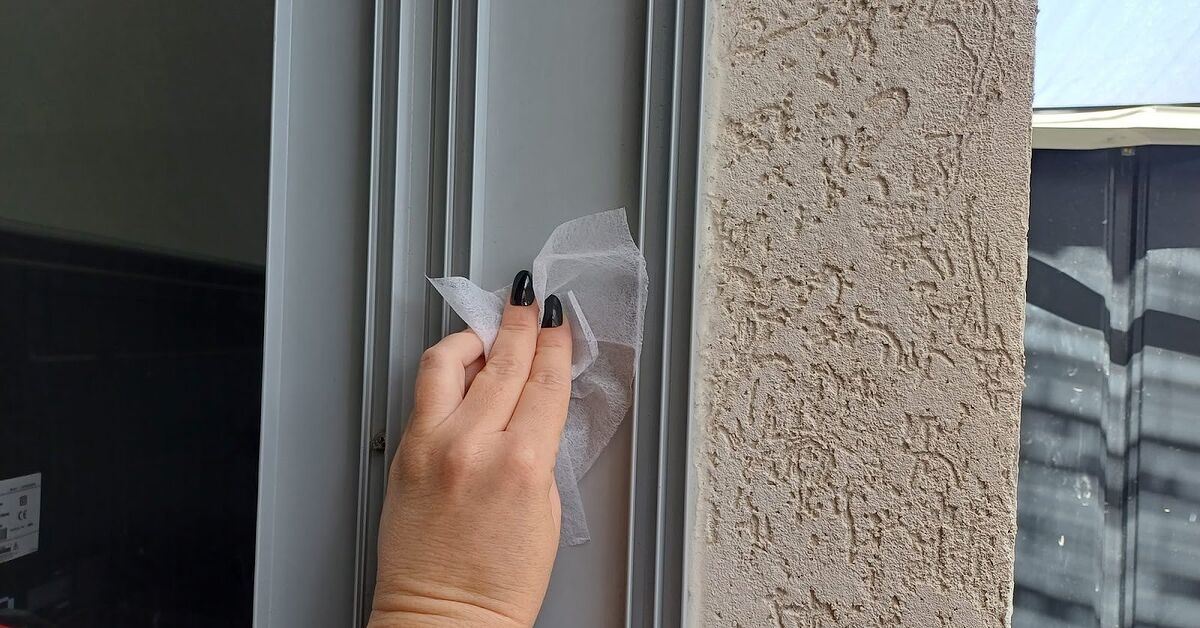
Step 2: Rub Dryer Sheets on Window Screens
Take a fresh dryer sheet and gently rub it across window screens, especially screens where stink bugs gather. Use light pressure. You are not sanding a deck; you are applying scent. Focus on the screen edges, corners, and lower frame areas where bugs may crawl.
This is one of the most popular ways to use dryer sheets for stink bugs. The scent clings to the screen and may make the area less appealing. Repeat every few days during peak stink bug season, especially after rain, heavy wind, or window washing.
Step 3: Make Dryer Sheet Sachets
Cut dryer sheets into halves or quarters. Place several pieces inside small mesh bags or breathable pouches. You can also fold them loosely and secure them with a twist tie. The point is to let the scent move through the air while keeping the sheet tidy.
Place these sachets near windowsills, door thresholds, attic vents, basement windows, and garage corners. If you see stink bugs gathering around one particular window every afternoon, congratulationsyou have found a stink bug lounge. Put a sachet there.
Step 4: Create a Doorway Barrier
Cut a dryer sheet into long strips and attach the strips near door frames using painter’s tape or removable adhesive. Do not block the door from closing properly. Place the strips along the inside edge of a storm door, near the threshold, or beside a sliding glass door track.
This method works especially well for patio doors and garage entry doors, which often become stink bug highways in fall. Replace the strips weekly or when the scent fades.
Step 5: Add Dryer Sheets to Storage Zones
Stink bugs love quiet storage areas. Place dryer sheet sachets in attics, closets, storage bins, seasonal decoration boxes, and garage shelves. This is especially helpful if you have ever opened a box of holiday décor and found a stink bug acting like it paid rent.
Do not place loose dryer sheets directly against candles, food items, pet supplies, or delicate fabrics. Use sachets to prevent contact with sensitive materials.
Step 6: Refresh Often
Dryer sheets lose scent over time. For active stink bug season, replace indoor sheets every one to two weeks. Outdoor or screen-rub applications may need refreshing every few days because sunlight, rain, and air movement reduce fragrance faster.
If you can barely smell the sheet, stink bugs probably are not impressed either.
Best Places to Use Dryer Sheets for Stink Bug Control
Placement is everything. A dryer sheet in the middle of your living room may smell nice, but it will not help much if stink bugs are slipping in through a torn attic vent.
Windows and Screens
Windows are the top priority. Rub dryer sheets on screens, tuck sachets near frames, and inspect the edges for cracks. Stink bugs are drawn to warm, sunny sides of buildings, so pay extra attention to south- and west-facing windows.
Doors and Thresholds
Use dryer sheet strips near patio doors, garage doors, basement doors, and sliding glass doors. Add weather stripping if you can see daylight under the door. A dryer sheet will not stop a bug from entering through a gap large enough to host a parade.
Attics and Crawl Spaces
Attics are classic overwintering spaces. Place dryer sheet sachets near access doors, vents, and storage areas. Also check for damaged vent screens, loose soffits, and gaps around rooflines.
Garages
Garages are easy entry zones because doors open frequently and seals are often imperfect. Place dryer sheets near the garage door frame, corners, storage shelves, and the door leading into the house.
How To Strengthen Your Dryer Sheet Repellent
Dryer sheets work better as part of a layered strategy. Here are simple upgrades that make your stink bug control plan more effective.
Seal Entry Points
Use caulk around window frames, siding gaps, utility openings, and cracks in exterior walls. Install or replace door sweeps. Repair torn screens. Add fine mesh over vents where appropriate. Exclusion is the most important long-term step because stink bugs can squeeze through surprisingly small openings.
Use a Soapy Water Trap
If stink bugs are already inside, fill a container with warm water and a squirt of dish soap. Gently knock bugs into the solution. The soap breaks surface tension and helps drown them quickly. It is not glamorous, but neither is chasing a stink bug around your ceiling with a cereal bowl.
Vacuum Carefully
You can vacuum stink bugs, but use caution. A vacuum may smell afterward if stink bugs release odor inside it. A small handheld vacuum dedicated to bugs, or a vacuum with a disposable bag, is better than using your main household vacuum and then wondering why the hallway smells haunted.
Reduce Outdoor Attractions
Stink bugs may gather around warm, bright surfaces. Turn off unnecessary outdoor lights during peak season, especially near doors and windows. Remove piles of debris, weeds, and clutter close to the foundation. Trim vegetation that touches the house.
Safety Tips When Using Dryer Sheets as Repellent
Dryer sheets are common household products, but they still contain fragrance chemicals and fabric-softening agents. Use them thoughtfully.
- Keep dryer sheets away from pets and small children.
- Do not place them near open flames, heaters, stovetops, or hot bulbs.
- Do not rub dryer sheets on skin as a pest repellent.
- Avoid direct contact with food surfaces, dishes, and cutting boards.
- Test on a hidden spot before using near painted or finished surfaces.
- Dispose of used sheets instead of leaving them outdoors as litter.
If anyone in your home is sensitive to fragrance, has asthma, or reacts to scented laundry products, use dryer sheets sparingly or choose another stink bug prevention method. A repellent is not helpful if it makes your living room feel like a perfume ambush.
Common Mistakes to Avoid
Using Old Dryer Sheets
Old sheets lose fragrance. If they smell weak, replace them. Fresh sheets are more likely to create a noticeable scent barrier.
Expecting Dryer Sheets to Kill Stink Bugs
Dryer sheets are a repellent method, not a pesticide. They are meant to discourage bugs from lingering or crossing treated areas. They will not eliminate an established infestation.
Skipping Home Sealing
This is the biggest mistake. If your screens are torn and your door sweep has the structural integrity of a wet noodle, stink bugs will keep entering. Dryer sheets help most when the home is already reasonably sealed.
Crushing Stink Bugs
Do not crush them unless you enjoy regretting things instantly. Use a tissue, jar, vacuum, or soapy water trap instead.
When Dryer Sheets Are Not Enough
If you are seeing dozens or hundreds of stink bugs indoors, dryer sheets alone will not solve the issue. Large numbers usually mean the bugs found multiple entry points before cold weather arrived. In that case, inspect the exterior of the home carefully or contact a pest management professional.
Professional help may be useful if stink bugs are entering through high rooflines, chimneys, attic vents, siding gaps, or structural cracks you cannot safely reach. Outdoor pesticide treatments may offer limited help in certain situations, but they must be used according to label directions and are not a complete solution. Prevention and exclusion remain the foundation of stink bug control.
Real-World Experience: What Using Dryer Sheets for Stink Bugs Feels Like
Using dryer sheets for stink bugs is one of those home tricks that feels almost too simple. The first time you try it, you may feel slightly ridiculous rubbing a laundry product across a window screen while a stink bug watches from the corner like a tiny armored landlord. But the method is practical because it targets one of the main ways homeowners notice stink bugs: they gather around screens, windows, and warm entry points.
The biggest lesson is that dryer sheets work best when used early. If you wait until stink bugs are already inside the walls, you are playing defense after the other team has moved into your basement. Start in late summer or early fall, before cool nights push stink bugs toward the house. Walk around the exterior, look for sunny walls, inspect window screens, and place dryer sheet sachets before the annual stink bug parade begins.
Another important lesson is that freshness matters. A new dryer sheet has a strong scent that can cling to screens and frames. After several days outdoors, especially in damp weather, the smell fades. When the scent disappears, the repellent effect becomes weaker. Replacing sheets regularly is the difference between a useful barrier and decorative laundry confetti.
In practice, the screen-rubbing method is the easiest. It takes only a minute per window and does not make the house look strange. Sachets are better for attics, closets, garages, and storage areas because they stay contained and are easy to remove. Door strips are helpful near patio doors, but they need to be placed neatly so they do not fall off or get caught when the door opens.
The dryer sheet method also teaches you where your real problem areas are. If stink bugs keep appearing near the same window even after you use dryer sheets, that window probably has a gap, loose screen, or damaged seal. In that way, dryer sheets can act like a detective tool. They do not just repel; they help you notice patterns.
One thing homeowners should not expect is perfection. You may still see a stink bug wandering across the ceiling like it has an appointment. That does not mean the method failed. Repellents reduce activity; they do not guarantee zero bugs. A few determined stink bugs may still find their way in through hidden cracks.
The best personal routine is simple: seal obvious gaps first, rub fresh dryer sheets on screens, place sachets near trouble spots, and keep a small soapy water container ready for indoor removals. This combination feels manageable, affordable, and far less dramatic than spraying chemicals everywhere or turning every bug sighting into a household emergency.
And perhaps the most satisfying part? Your home smells fresher while you fight back. That may not scare every stink bug away, but it certainly improves the mood of the human residents.
Conclusion
Making a stink bug repellent with dryer sheets is easy, affordable, and worth trying if stink bugs regularly gather around your windows, screens, doors, attic, or garage. The method works best as a scent-based deterrent, especially when you use fresh scented sheets and replace them often.
Still, dryer sheets should be part of a bigger prevention plan. Seal cracks, repair screens, add weather stripping, reduce outdoor lighting near entry points, and remove stink bugs gently when they appear indoors. When you combine dryer sheets with smart exclusion, you give stink bugs fewer chances to invade and fewer reasons to stay.
Will dryer sheets turn your home into a stink bug-free fortress? Probably not. But they can help make common entry points less inviting, and that is a good start. In the battle between you and the shield-shaped stink brigade, every fresh-smelling advantage counts.