There are two types of people in the world: bath people who can happily marinate in a tub for an hour, and shower people who want spa-level luxury without scheduling a full aquatic ceremony. If you are proudly in the second group, shower steamers are your tiny, fizzy ticket to a better bathroom experience.
Shower steamers, sometimes called shower bombs or shower melts, are aromatic tablets made with simple ingredients like baking soda, citric acid, witch hazel, and essential oils. Place one on the shower floor, let warm water activate it, and it slowly releases fragrance into the steam. The result feels like a mini aromatherapy sessionminus the bathtub, candles, cucumber slices, and questionable flute music.
The best part? Learning how to make shower steamers at home is surprisingly easy. You do not need a chemistry degree, a craft room, or the patience of a monk. With the right ratios, a few safety tips, and some beginner-friendly recipes, you can make beautiful shower steamers for everyday use, gifts, self-care baskets, or “I survived Monday” recovery rituals.
What Are Shower Steamers?
Shower steamers are dry, compressed tablets that fizz when exposed to water. They work through a simple acid-base reaction: baking soda reacts with citric acid when moisture is added, creating bubbles and releasing scent into the shower steam. Unlike bath bombs, shower steamers are not meant for soaking in or rubbing on the skin. Their job is to sit off to the side of the shower stream and release aroma slowly.
Think of them as bath bombs’ practical cousin. Bath bombs are dramatic and like to dissolve in a full tub. Shower steamers are efficient, focused, and ready to clock in before your 8 a.m. meeting.
Basic Shower Steamer Ingredients
Before making your first batch, it helps to understand what each ingredient does. A good shower steamer should be firm, fragrant, slow-fizzing, and easy to store. Too much liquid makes the mixture foam before it reaches the mold. Too little liquid makes it crumble like a sad cookie. Balance is everything.
Baking Soda
Baking soda, also known as sodium bicarbonate, is the base ingredient in most shower steamer recipes. It gives the tablet structure and helps create the fizzing reaction when combined with citric acid and water. It is inexpensive, widely available, and easy to measure.
Citric Acid
Citric acid is the ingredient that makes the magic happen. When citric acid meets baking soda and moisture, the mixture fizzes. It also helps shower steamers dissolve gradually instead of turning into a dusty lump in the corner of your shower.
Cornstarch or Arrowroot Powder
Cornstarch slows down the fizz and gives the steamer a smoother texture. It can also help the mixture hold its shape. Arrowroot powder works similarly and is a good alternative if you prefer it.
Essential Oils or Fragrance Oils
Essential oils provide the scent. Popular choices include eucalyptus, peppermint, lavender, lemon, orange, rosemary, spearmint, and tea tree. For shower steamers, the scent needs to be stronger than it would be in a lotion because the tablet sits on the shower floor rather than directly under your nose.
Use essential oils carefully. Natural does not automatically mean harmless. Avoid ingesting essential oils, keep them away from children and pets, and use them in a well-ventilated space. If you are pregnant, have asthma, have sensitive skin, or live with pets, choose oils cautiously and consider asking a healthcare professional or veterinarian before use.
Witch Hazel, Rubbing Alcohol, or Water
A small amount of liquid helps bind the dry ingredients. Witch hazel is popular because it adds moisture without activating the fizz too aggressively. High-proof rubbing alcohol can also help the mixture dry faster. Water works, but it must be used carefully because it can start the reaction too soon. A fine mist spray bottle is your best friend here.
Optional Add-Ins
You can customize homemade shower steamers with dried lavender buds, eucalyptus leaves, mica powder, natural colorants, menthol crystals, kaolin clay, Epsom salt, or decorative botanicals. Keep additions minimal. Large herbs and flower pieces may look pretty, but they can clog drains or leave your shower looking like a botanical crime scene.
Tools You Need
You do not need fancy equipment to make shower steamers. Most supplies are probably already in your kitchen or bathroom cabinet.
- Large mixing bowl
- Whisk or spoon
- Measuring cups and spoons
- Fine mist spray bottle
- Silicone molds, mini muffin tins, or bath bomb molds
- Gloves, especially if using strong essential oils or colorants
- Airtight container for storage
Silicone molds are easiest for beginners because the finished steamers pop out cleanly. Mini muffin molds also work well and create a practical size for one shower.
Easy Basic Shower Steamer Recipe
This beginner-friendly recipe makes firm, fragrant shower steamers that are simple to customize. It is a great starting point if you are making shower steamers for the first time.
Ingredients
- 1 cup baking soda
- 1/2 cup citric acid
- 1/4 cup cornstarch or arrowroot powder
- 30 to 40 drops essential oil
- Witch hazel in a spray bottle
- Optional: 1 teaspoon dried herbs or a small pinch of mica powder
Instructions
- Add baking soda, citric acid, and cornstarch to a bowl. Whisk until smooth and break up any clumps.
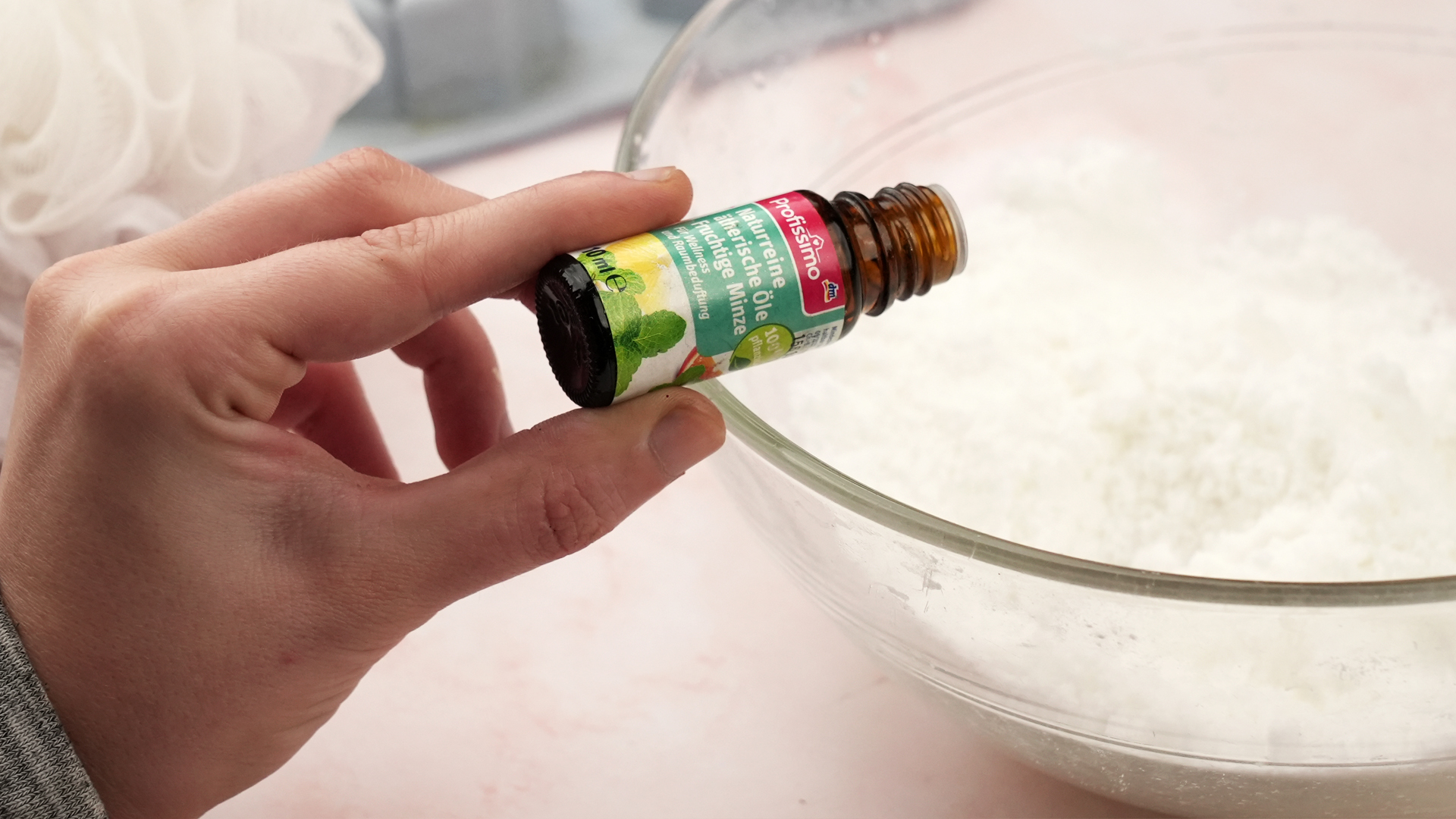
- Add essential oils slowly and stir well. The mixture may clump slightly where the oil lands, so keep mixing until the scent is evenly distributed.
- Spritz the mixture lightly with witch hazel, one or two sprays at a time. Stir after each spray.
- Stop adding liquid when the mixture feels like damp sand and holds together when squeezed in your hand.
- Press the mixture firmly into silicone molds. Pack it tightly so the steamers do not crumble later.
- Let the molds dry for 12 to 24 hours in a cool, dry place.
- Pop the steamers out and store them in an airtight container away from moisture.
To use, place one shower steamer on the floor near the edge of the water stream. It should get splashed, not drowned. If it sits directly under heavy water, it may dissolve faster than your motivation on laundry day.
Best Essential Oil Blends for Shower Steamers
The right scent blend can turn a normal shower into a mood reset. Below are easy combinations for different routines.
Morning Energy Blend
- 20 drops sweet orange essential oil
- 10 drops peppermint essential oil
- 10 drops lemon essential oil
This bright blend is ideal for morning showers. It smells clean, cheerful, and awakebasically everything your alarm clock wishes it could be.
Relaxing Lavender Blend
- 25 drops lavender essential oil
- 10 drops chamomile essential oil
- 5 drops bergamot essential oil
This blend is perfect for evening showers. Lavender and chamomile create a soft, calming aroma, while bergamot adds a gentle citrus lift.
Fresh Eucalyptus Blend
- 20 drops eucalyptus essential oil
- 10 drops spearmint essential oil
- 10 drops rosemary essential oil
This is the classic spa-style shower steamer scent. It smells crisp, cool, and refreshing. Use eucalyptus and rosemary with care around young children, pets, pregnant people, and anyone with breathing sensitivities.
Citrus Clean Blend
- 20 drops grapefruit essential oil
- 15 drops lemon essential oil
- 5 drops lime essential oil
This blend makes the shower feel clean and sunny. Citrus oils smell wonderful, but some can increase sun sensitivity if applied to skin. Since shower steamers are not intended for skin use, keep them on the floor and avoid rubbing the mixture on your body.
Easy Eucalyptus Shower Steamers Recipe
If you want a shower steamer that smells like a fancy spa lobby, eucalyptus is the star ingredient. This recipe is simple, strong, and great for a refreshing shower.
Ingredients
- 2 cups baking soda
- 1 cup citric acid
- 1/2 cup cornstarch
- 50 drops eucalyptus essential oil
- 20 drops peppermint or spearmint essential oil
- Witch hazel in a spray bottle
- Optional: 1 tablespoon finely crushed dried eucalyptus leaves
Directions
- Combine baking soda, citric acid, and cornstarch in a large bowl.
- Add eucalyptus and mint essential oils. Stir thoroughly.
- Spritz with witch hazel very lightly, mixing between sprays.
- When the mixture holds together, pack it into molds.
- Dry for at least 24 hours before removing from molds.
- Store in an airtight jar or bag.
This recipe makes a stronger shower steamer, so start with one tablet and see how the scent feels in your shower. Bathrooms vary. A tiny bathroom may turn into a eucalyptus forest quickly, while a large shower may need a slightly larger tablet.
Lavender Bedtime Shower Steamers
These shower steamers are made for nighttime routines, especially when you want your bathroom to feel peaceful instead of like a place where toothpaste mysteriously appears on the mirror.
Ingredients
- 1 cup baking soda
- 1/2 cup citric acid
- 1/4 cup arrowroot powder
- 35 drops lavender essential oil
- 5 drops cedarwood essential oil
- Witch hazel in a spray bottle
- Optional: a small pinch of dried lavender buds
Directions
- Mix dry ingredients until evenly combined.
- Add lavender and cedarwood essential oils and stir well.
- Lightly mist with witch hazel until the mixture clumps when squeezed.
- Press firmly into molds.
- Let dry overnight or up to 24 hours.
- Remove from molds and store away from humidity.
Use one during an evening shower, keeping it near the edge of the water flow. Pair it with warm lighting and a clean towel if you really want to convince your brain that life is under control.
No-Citric-Acid Shower Steamers
Citric acid creates the classic fizz, but you can make simple shower melts without it. These will not fizz as dramatically, but they can still release scent nicely in a steamy shower.
Ingredients
- 1 cup baking soda
- 1/3 cup cornstarch
- 2 to 3 tablespoons water or witch hazel
- 30 drops essential oil
Directions
- Mix baking soda and cornstarch in a bowl.
- Add essential oil and stir until evenly scented.
- Add liquid slowly until the texture resembles thick damp sand.
- Press into molds and let dry for 24 to 48 hours.
- Store in an airtight container.
This version is useful when you cannot find citric acid locally. It is less fizzy, but it is still fragrant and beginner-friendly.
How to Store Homemade Shower Steamers
Moisture is the enemy of shower steamers. Store them in an airtight glass jar, metal tin, sealed bag, or lidded container. Keep them away from the shower until you are ready to use one. If they sit in a humid bathroom, they may soften or start fizzing early.
For gifting, wrap each steamer in wax paper, parchment, shrink wrap, or a small compostable bag. Add a label with the scent blend and a simple instruction: “Place on shower floor away from direct water stream. Do not use as a bath bomb. Do not ingest.” Practical labels are not glamorous, but neither is explaining to someone why their shower gift dissolved in a drawer.
Common Shower Steamer Mistakes
Adding Too Much Liquid
If your mixture starts fizzing in the bowl, you added liquid too quickly. Use a fine mist spray bottle and add moisture slowly. The mixture should feel barely damp, not wet.
Not Packing the Mold Firmly
Loose packing leads to crumbly tablets. Press the mixture into the mold with real commitment. Pretend you are packing a suitcase for a two-week trip with one carry-on.
Using Too Much Oil
A strong scent is good; an overwhelming scent is not. Too much essential oil can irritate the nose, skin, or lungs, especially in a hot shower. Start moderately and adjust future batches if needed.
Putting the Steamer Directly Under Water
A shower steamer should be activated by splashes and steam, not blasted like it owes the showerhead money. Place it near the edge of the water stream for a longer-lasting tablet.
Using Large Dried Botanicals
Dried flowers and herbs look beautiful, but they can create drain mess. Use tiny amounts, crush them finely, or skip them if your plumbing already has trust issues.
Safety Tips for Homemade Shower Steamers
Shower steamers are simple, but they still deserve smart handling. Essential oils are concentrated plant extracts, and some can irritate skin, eyes, airways, or pets. Use the lowest amount that gives a pleasant scent. Do not use shower steamers as bath bombs unless the recipe is specifically designed for soaking. Avoid direct skin contact with undiluted essential oils.
Keep finished steamers and essential oil bottles away from children. Some essential oils can be dangerous if swallowed. Also be careful around pets, especially cats, birds, and small dogs, because many animals are more sensitive to essential oil exposure than humans.
If you have asthma, migraines triggered by fragrance, allergies, sensitive skin, or pregnancy-related concerns, choose gentle scents and use shower steamers sparingly. When in doubt, skip strong oils like peppermint, eucalyptus, cinnamon, clove, wintergreen, and tea tree until you have checked whether they are appropriate for your situation.
How to Customize Shower Steamers
Once you master the basic recipe, customizing is the fun part. You can create seasonal blends, gift sets, or different tablets for morning, workout recovery, relaxation, and holiday showers.
For a Spa Gift Set
Make three scents: eucalyptus mint, lavender chamomile, and citrus rosemary. Package them in a small box with labels and instructions. Add a ribbon if you are fancy, or if you just want people to think you have your life together.
For a Winter Shower Blend
Try eucalyptus, peppermint, and a tiny amount of pine or cedarwood. Keep the blend fresh rather than overpowering. Winter scents should feel cozy, not like you got tackled by a Christmas tree.
For a Summer Shower Blend
Use grapefruit, lime, lemon, or sweet orange. Citrus shower steamers feel clean and bright, especially after a hot day.
For a Floral Blend
Lavender, geranium, and bergamot create a soft floral aroma. Use floral oils carefully because they can become strong quickly in steam.
My Practical Experience Making Shower Steamers
The first time you make shower steamers, you may think, “This is just powder in a bowl. How hard can it be?” Famous last words. The process is easy, but it rewards patience. The most common beginner mistake is adding too much liquid because the mixture looks too dry. Shower steamer mix is supposed to look dry. It should feel like damp sand only when squeezed. If it looks like frosting, you have made a very fragrant science volcano.
One of the best tricks is to mix the essential oil into the dry ingredients before adding any liquid. This helps spread the scent evenly and prevents oily spots. If the oil clumps in one area, use the back of a spoon to break it up. Wearing gloves helps because some oils linger on fingers longer than expected. Peppermint especially has a way of announcing itself long after the crafting session ends.
Another helpful lesson is to choose the mold size based on your shower length. Small molds work well for short showers, while muffin-size molds are better for longer showers. If your steamer disappears in three minutes, it is probably too small or sitting too close to the water stream. Move it farther away from direct water, or make a thicker tablet next time.
Drying time matters more than many recipes admit. A steamer may look firm after a few hours, but if the inside is still damp, it can crumble when removed from the mold. Letting the batch dry overnight is usually worth it. In humid weather, give it 24 to 48 hours. Humidity is sneaky; it can turn a perfect tablet into a fragile little pancake.
For scent strength, eucalyptus and peppermint are powerful, while lavender and citrus can fade faster. If you want a stronger lavender shower steamer, pair lavender with cedarwood or bergamot instead of simply dumping in more lavender oil. Blending creates a fuller aroma without making the steamer harsh.
Storage is another big difference between “nice homemade gift” and “why is this jar fizzing?” Keep shower steamers in airtight packaging. Do not store them uncovered in the bathroom unless you plan to use them quickly. Steam from daily showers can soften them before they ever reach the floor.
If you are giving shower steamers as gifts, always include basic instructions. Many people assume anything fizzy belongs in a bathtub, but shower steamers are usually too concentrated for bathwater. A simple label prevents confusion and makes the gift feel more polished.
Finally, do not chase perfection. Handmade shower steamers may have tiny cracks, uneven color, or rustic edges. That is normal. They are meant to fizz on the shower floor, not compete in a beauty pageant. What matters most is that they smell good, hold together, dissolve at a steady pace, and make an ordinary shower feel a little more special.
Conclusion
Learning how to make shower steamers is one of the easiest ways to bring a spa-like moment into your daily routine. With baking soda, citric acid, cornstarch, witch hazel, and essential oils, you can create aromatic tablets for energy, relaxation, freshness, or thoughtful homemade gifts.
The key is simple: use the right ratio, add liquid slowly, pack the molds firmly, and store the finished steamers away from moisture. Once you understand the basic method, you can customize scents, colors, shapes, and gift packaging without overcomplicating the process.
Whether you prefer eucalyptus mint in the morning or lavender at night, homemade shower steamers prove that self-care does not need to be expensive, dramatic, or involve cleaning a bathtub afterward. Sometimes, all it takes is one fizzy little tablet and five quiet minutes under warm water.
Note: Shower steamers are for external aromatic use in the shower only. Do not ingest them, do not use them as bath bombs unless specifically formulated for bathing, and keep essential oils away from children and pets.