Petting a turtle sounds simple enough: reach out, touch shell, enjoy the tiny prehistoric roommate vibes. But turtles are not puppies in half-shell costumes. They are reptiles with specific comfort zones, sensitive shells, strong survival instincts, and a talent for looking personally offended when you move too fast.
Learning how to pet a turtle safely is about more than making your pet “like” you. It is about respecting the animal, avoiding stress, preventing bites, protecting the shell, and keeping yourself healthy. Turtles can carry germs such as Salmonella even when they look spotless, bright-eyed, and charming enough to star in a children’s book. That does not mean turtles are bad pets. It means good turtle handling includes clean hands, calm movements, and common sense.
This guide walks through 14 practical steps for petting a turtle the right way, whether you have a red-eared slider, painted turtle, map turtle, box turtle, or another commonly kept pet species. You will also learn where turtles usually enjoy gentle touch, where not to touch them, how to read turtle body language, and why wild turtles should be admired, not petted.
Before You Pet a Turtle: Know What “Petting” Really Means
Petting a turtle is not the same as cuddling a cat or rubbing a dog’s belly. Most turtles do not crave physical affection the way mammals often do. Some turtles tolerate gentle touch, some learn to enjoy brief shell rubs, and others would prefer you admire them like royalty from a respectful distance.
The safest mindset is this: petting should be short, gentle, optional, and based on the turtle’s reaction. If your turtle pulls in, hisses, tries to bite, scrambles away, or freezes in fear, the petting session is over. Your turtle has voted, and the motion has passed.
How to Pet a Turtle: 14 Steps
Step 1: Make Sure the Turtle Is a Pet, Not a Wild Turtle
Only pet a turtle that is legally owned, captive-bred, healthy, and already used to human presence. Do not pet wild turtles, nesting turtles, pond turtles you find outdoors, or sea turtles. Wild turtles can be injured or stressed by handling, and in many places, touching protected wildlife is illegal or strongly discouraged.
If you see a turtle crossing a road, the best help is usually to move it carefully in the direction it was already heading, only if it is safe for you to do so. That is rescue handling, not petting. If you see a sea turtle on a beach or in the water, enjoy the moment from a distance. Sea turtles are not beach furniture with flippers.
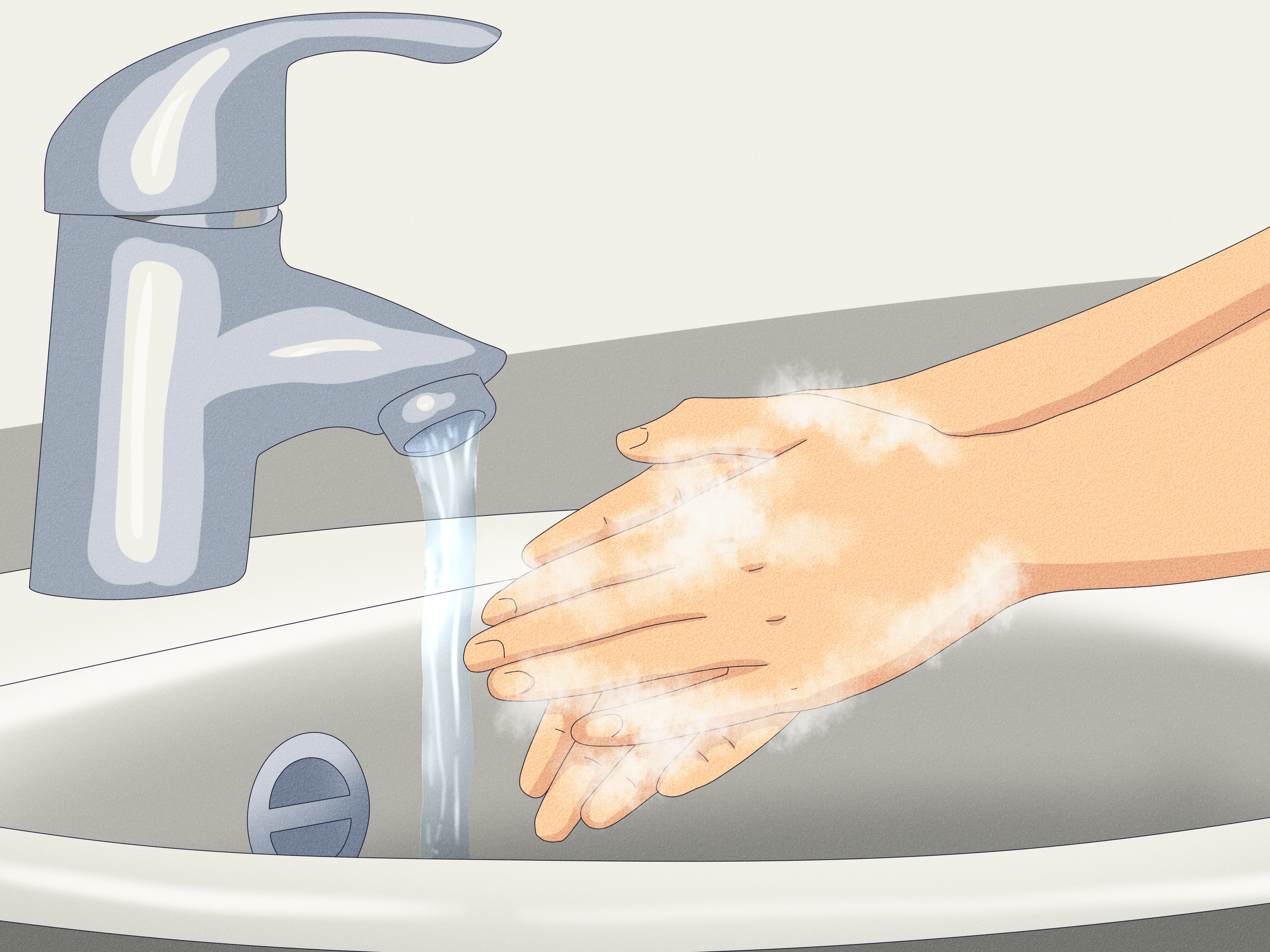
Step 2: Wash Your Hands Before Touching the Turtle
Wash your hands with soap and water before petting your turtle. This protects the turtle from lotions, perfumes, food residue, sunscreen, cleaning chemicals, and mystery substances from your daily adventures. Turtles absorb and encounter their environment closely, especially aquatic turtles that move between water, basking docks, and tank surfaces.
Clean hands also help you slow down mentally. A calm person makes calmer movements, and calmer movements are less likely to scare a turtle into retreat mode.
Step 3: Choose a Calm, Safe Location
Pet your turtle in a secure place where it cannot fall, run under furniture, meet another pet, or get lost behind the refrigerator like a tiny shelled escape artist. For aquatic turtles, the best location may be near the enclosure or on a clean, low surface used only for turtle handling. For box turtles, a safe indoor area or familiar outdoor enclosure may work well.
Never place a turtle on a high table, countertop, bed edge, or slippery surface. A fall can crack the shell or cause serious internal injury. Turtles may look sturdy, but they are not bowling balls with legs.
Step 4: Approach Slowly from the Front or Side
Move slowly and let your turtle see you coming. Sudden overhead movement can make a turtle think a predator has arrived. In the wild, many threats come from above, so a hand swooping down like a UFO is not exactly relaxing.
Approach from the front or side, keeping your hand low and visible. Give the turtle a moment to process what is happening. If it stays relaxed, continues basking, or watches without pulling in tightly, you can move to the next step.
Step 5: Let the Turtle Smell or Notice Your Hand
Hold your hand nearby without poking. Turtles may investigate by looking, sniffing, or stretching their neck slightly. Do not wiggle your fingers like food. Many pet turtles are enthusiastic eaters, and a moving fingertip can look suspiciously snack-shaped.
If your turtle lunges, snaps, or keeps tracking your fingers like they are floating pellets, stop and try another time. Feeding excitement and petting do not mix well.
Step 6: Start with the Top of the Shell
The safest place to begin is usually the top shell, called the carapace. Use one or two fingers and apply very light pressure. Stroke gently from front to back, following the natural direction of the shell. You are not polishing a car. You are introducing touch to a sensitive animal.
A turtle’s shell is part of its body, not a removable helmet. It contains bone and living tissue, and turtles can feel pressure and touch through it. That is why gentle contact matters. Never tap, knock, drum, scratch hard, or press down on the shell.
Step 7: Watch for Relaxed Body Language
A relaxed turtle may stay still without clamping shut, keep its limbs loosely positioned, continue basking, or slowly move around without panic. Some turtles may even stretch slightly when they become used to gentle shell rubs.
Signs of stress include pulling the head and legs tightly into the shell, hissing, opening the mouth, trying to bite, rapid scrambling, repeated attempts to escape, or urinating/defecating suddenly. If you see these signs, stop immediately and return the turtle to its safe space.
Step 8: Try Gentle Scratches Along the Rear Shell Edge
Some turtles tolerate or enjoy very gentle scratches near the rear edge of the carapace, away from the head and tail. Use a fingertip or a soft toothbrush reserved only for turtle care. Make small, slow movements and keep the session short.
Do not scratch between scutes if the shell is shedding, damaged, soft, flaking abnormally, or showing white patches, dents, odor, bleeding, or swelling. Shell problems should be checked by a reptile veterinarian, not treated with enthusiastic DIY scratching.
Step 9: Avoid the Face, Eyes, Tail, and Legs
Many turtles dislike being touched on the face, eyes, tail, or legs. These areas are more vulnerable, and touching them can feel threatening. A turtle that pulls in its head is not playing peekaboo; it is protecting itself.
Never grab a turtle by the tail. Never pull on a leg. Never try to force the head out of the shell. These actions can injure the turtle and destroy trust faster than you can say, “Oops.”
Step 10: Use Both Hands If You Need to Pick the Turtle Up
If you must pick up your turtle, support it with both hands. Hold the shell gently but securely on both sides, keeping the turtle level. For smaller turtles, place your fingers along the sides of the shell between the front and back legs, away from the mouth. For larger turtles, use extra care and keep them close to the ground.
Do not flip a turtle upside down unless a veterinarian instructs you to do so for a specific medical reason. Being turned over can be frightening and stressful. Also, never hold a turtle loosely with one hand while multitasking. Turtles can kick surprisingly hard, and a dropped turtle can be badly hurt.
Step 11: Keep Petting Sessions Short
Limit petting to a few minutes, especially in the beginning. Turtles are easily stressed by too much handling, and reptiles often show discomfort more subtly than dogs or cats. A short, calm interaction is better than a long session that ends with the turtle hiding for the rest of the afternoon.
Think of turtle petting like a polite handshake, not a three-hour family reunion hug. Leave the turtle wanting peace, not filing a complaint with the reptile department.
Step 12: Never Kiss, Snuggle, or Put the Turtle Near Your Face
This is one of the most important turtle safety rules. Do not kiss your turtle, let it touch your mouth, hold it against your face, or eat and drink while handling it. Turtles can carry Salmonella germs on their bodies, shells, tank water, and habitat surfaces even when they look clean and healthy.
Children, older adults, pregnant people, and anyone with a weakened immune system are at higher risk from reptile-associated germs. In homes with vulnerable family members, turtle handling should be especially cautious, and in some households, a turtle may not be the right pet.
Step 13: Wash Your Hands After Petting
After touching your turtle or anything in its enclosure, wash your hands thoroughly with soap and water. Hand sanitizer can help when soap is not immediately available, but proper handwashing is the gold standard.
Do not clean turtle tanks, food bowls, filters, or decorations in the kitchen sink or near food-preparation areas. Use dedicated cleaning tools and disinfect the cleaning area afterward. In other words, turtle maintenance and sandwich making should never share a workspace.
Step 14: Build Trust Over Time
The best way to pet a turtle successfully is to build trust slowly. Keep a predictable routine. Feed appropriately. Maintain clean water, proper basking temperatures, UVB lighting, and enough space. A turtle that feels secure in its habitat is more likely to tolerate calm interaction.
Do not force affection. Let your turtle’s behavior guide you. Some turtles become comfortable with gentle shell strokes. Others prefer being observed rather than touched. Both responses are normal. Respect is the secret ingredient in every good turtle relationship.
Where Do Turtles Like to Be Petted?
Every turtle is different, but many pet turtles tolerate gentle touch on the top of the shell. Some may accept light rubs near the back of the shell or along the sides of the carapace. Box turtles that are well-socialized may sometimes tolerate brief touches on the top of the head, but this should be approached carefully and only if the turtle clearly remains relaxed.
Aquatic turtles are often more skittish than people expect. Red-eared sliders, painted turtles, and map turtles may associate hands with feeding, which can lead to accidental bites. If your turtle rushes at your hand, open-mouthed and motivated, assume it is thinking “snack,” not “spa day.”
Where Should You Not Pet a Turtle?
Avoid touching the eyes, nose, mouth, tail, legs, and underside of the shell unless necessary for health checks. The bottom shell, called the plastron, may be especially uncomfortable to handle because touching it often requires lifting or turning the turtle.
You should also avoid petting a turtle that is eating, sleeping, basking under heat after being cold, shedding abnormally, injured, sick, newly adopted, or showing defensive behavior. Timing matters. Even a usually friendly turtle can have a “not today, human” moment.
Can Turtles Feel Their Shells?
Yes. A turtle’s shell is not dead armor. It is connected to the spine and ribs and covered with scutes, which are keratin plates. Because the shell has living tissue and sensory nerves, turtles can feel touch, pressure, and pain. That is why rough handling, tapping, scraping, drilling, painting, or decorating a turtle shell is unsafe and cruel.
Gentle contact is fine for some pet turtles, but anything that treats the shell like a toy or craft surface is a hard no. Your turtle is already wearing nature’s best design. It does not need glitter glue.
How to Tell If Your Turtle Enjoys Petting
A turtle that accepts petting may stay in place, keep its head out, show slow and steady movements, or remain relaxed while you gently stroke the shell. Over time, it may stop retreating when your hand approaches. Some turtles even appear to seek interaction by coming toward the front of the enclosure when their trusted person arrives.
However, do not confuse food begging with affection. Many turtles learn that humans bring meals. If your turtle swims frantically at the glass or follows your fingers, it may be expecting dinner, not emotional bonding.
How to Tell If Your Turtle Hates Petting
Strong dislike is usually easy to spot. The turtle may hide, clamp its shell shut, hiss, bite, scratch, kick, flee, or repeatedly turn away. More subtle stress signs include freezing, refusing food after handling, or becoming more defensive over time.
If petting consistently causes stress, stop doing it. You can still bond with your turtle through routine care, hand-feeding with safe tools, calm presence near the enclosure, and enrichment such as basking areas, plants, hides, and clean swimming space.
Common Mistakes When Petting a Turtle
Petting Too Often
Turtles generally prefer less handling than mammals. Daily forced petting can create stress. A few calm interactions each week may be plenty, depending on the turtle.
Moving Too Fast
Fast hands trigger fear. Slow, predictable movement is one of the easiest ways to help a turtle feel safe.
Touching the Turtle During Feeding Time
Hungry turtles may bite fingers by mistake. Separate feeding time from petting time whenever possible.
Letting Children Handle Turtles Without Supervision
Children may squeeze, drop, kiss, or forget to wash hands. Adult supervision is essential, and very young children should not handle turtles.
Ignoring Habitat Problems
A stressed turtle may be reacting to poor water quality, incorrect temperature, lack of UVB, insufficient basking space, or illness. Better husbandry often leads to calmer behavior.
What About Baby Turtles?
Baby turtles are delicate, fast-stressed, and strongly associated with public-health concerns. In the United States, selling turtles with shells under 4 inches as pets has long been restricted because of Salmonella risk, especially for children. If you already have a young turtle through a legal and responsible source, minimize handling and focus on excellent care.
Baby turtles should not be treated like pocket pets. Their small size makes them easy to drop, injure, lose, or mishandle. Admire them, care for them, and let them grow without turning every day into a handling event.
Should You Pet a Turtle with a Toothbrush?
A soft toothbrush can be useful for gentle shell cleaning or enrichment for some turtles, but it must be used carefully. Choose a soft brush used only for the turtle. Wet it with clean water and use light strokes on the top shell. Stop if the turtle pulls away, panics, or shows stress.
Do not use soap, shampoo, oils, polish, vinegar, or household cleaners on the shell unless a reptile veterinarian specifically instructs you. Many products that seem harmless to humans can irritate reptiles or contaminate their water.
When Not to Pet a Turtle
Do not pet your turtle if it is sick, injured, newly adopted, nesting, extremely cold, overheated, shedding abnormally, or acting defensive. Also avoid petting after you have handled raw meat, chemicals, cleaning products, or other animals until you wash thoroughly.
Call a reptile veterinarian if you notice swollen eyes, wheezing, open-mouth breathing, shell cracks, soft spots, unusual odor, refusal to eat, floating strangely, severe lethargy, or wounds. Petting is not a substitute for medical care, no matter how lovingly you say, “Feel better, little tank potato.”
Extra Experience Section: Real-World Tips for Petting a Turtle
Experience teaches turtle owners one big lesson quickly: trust moves at turtle speed. You may imagine a magical moment where your turtle immediately recognizes your gentle soul and accepts a shell massage like a tiny spa client. In reality, many turtles need weeks or months to become comfortable with consistent human presence.
A good first experience starts with observation. Before trying to pet your turtle, spend time learning its normal behavior. Does it bask at certain hours? Does it hide when people walk by? Does it swim to the glass when hungry? Does it prefer one side of the tank? These details help you choose a better time for interaction. A turtle that is warm, alert, and calm will usually respond better than one that has just been startled awake.
Another useful experience-based tip is to separate “hand means food” from “hand means gentle touch.” If every hand appearance leads to pellets, your turtle may understandably treat your fingers like suspiciously pale worms. Use feeding tongs when appropriate, place food in a predictable feeding area, and avoid wiggling fingers near the mouth. Over time, your turtle can learn that not every hand is a snack truck.
Many owners also find that shell petting works better when the turtle remains in control. Instead of picking the turtle up immediately, try petting while it is resting securely on a basking platform or safe low surface. A turtle that can walk away feels less trapped. If it leaves, let it leave. That single respectful choice can build more trust than forcing five extra minutes of contact.
Keep the first sessions extremely short. One gentle stroke on the shell, followed by stopping, is a successful beginning. The goal is not to complete a dramatic bonding ritual. The goal is to show the turtle that your touch is calm, brief, and harmless. Next time, maybe two strokes. Then maybe a few more. Turtles are not impressed by rushing.
Pay attention to temperature, too. Reptiles depend on external heat sources, so a cold turtle may be sluggish or stressed, while an overheated turtle may be desperate to move away. Petting should happen when the turtle is within its normal comfortable activity range. Proper basking heat, UVB lighting, clean water, and dry resting areas all matter. A turtle living in poor conditions will not become friendlier because someone pets it more often. Better care comes first.
One surprisingly common mistake is assuming that a still turtle is a happy turtle. Sometimes stillness means relaxation. Other times, it means fear. Look at the whole body: Are the limbs loose or locked tight? Is the head out naturally or pulled back? Is the turtle breathing normally? Is it trying to leave? The more you observe, the better you become at reading the difference.
Finally, accept your turtle’s personality. Some turtles become interactive and curious. Others remain private little dinosaurs who prefer food, warmth, clean water, and personal space. That does not mean you failed. A healthy turtle that feels safe is the real success. Petting is optional. Respect is not.
Conclusion
Petting a turtle safely comes down to patience, hygiene, and respect. Start with clean hands, approach slowly, touch only safe areas such as the top shell, watch body language, and keep sessions short. Never kiss or snuggle a turtle, never treat the shell roughly, and never pet wild turtles or sea turtles. The best turtle owners understand that affection is not measured by how much handling they can get away with. It is measured by how safe, healthy, and stress-free the turtle feels.
When your turtle trusts you enough to stay calm during a gentle shell stroke, consider that a win. It may not wag its tail or fetch a ball, but in turtle language, “not immediately disappearing into the shell” can be a five-star review.