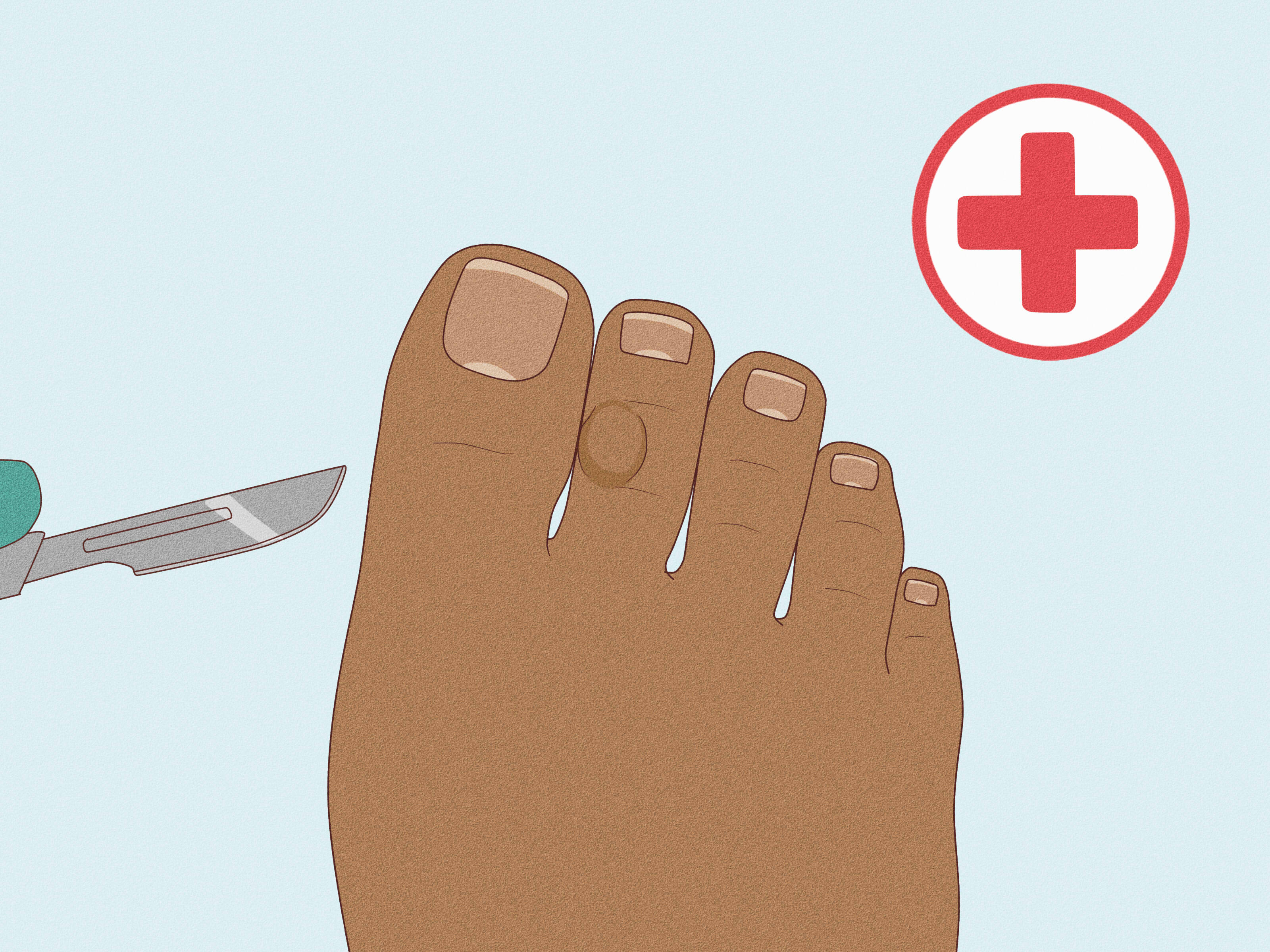
Corns are basically your skin’s way of saying, “I’ve been through a lot.” They’re small, thickened, sometimes painful spots that form when a toe gets rubbed or squeezed again and againusually by shoes that look cute but behave like tiny foot prisons.
The good news: many toe corns can be improved at home with safe, boringly effective habits (soaking, gentle filing, moisturizing, and pressure relief). The bad news: the “fun” methodslike cutting them off with a bladeare exactly how people end up with infections, ulcers, or a very awkward urgent-care story.
Quick note: If you have diabetes, poor circulation, nerve damage/neuropathy, or you’re immunocompromised, skip DIY corn removal and see a clinician (podiatrist/primary care). Your feet deserve professional handling, not experimental arts-and-crafts.
Corns 101: What They Are (and Why They Keep Coming Back)
A corn is a localized build-up of thick skin (hyperkeratosis) caused by repeated pressure and friction. Think “skin armor” in one tiny spot. The core can press inward, which is why corns can feel like you’re stepping on a pebbleexcept the pebble is attached to you.
Hard corn vs. soft corn
- Hard corns typically form on the top or outer side of toesoften where shoes rub.
- Soft corns usually form between toes, where moisture and tight spacing soften the thick skin (and make everything feel extra irritated).
Corn vs. callus
Calluses are broader, flatter areas of thick skin, often on the bottom of the foot. Corns are smaller, more focused, and more likely to have a tender “core.” The care overlaps, but corns are pickier and complain louder.
Before You Start: A Safety Check (Do This First)
Home care is for simple, uncomplicated corns. Don’t self-treatat least not without medical guidanceif you have:
- Diabetes, poor circulation, neuropathy, or a history of foot ulcers
- Redness spreading outward, warmth, pus, fever, or worsening swelling
- Severe pain, bleeding, or a corn that keeps returning quickly
- A corn that looks unusual (very dark, irregular, or changing fast)
If any of these apply, the safest “step” is: call a clinician.
How to Remove Corns from Your Toes: 12 Steps
These steps work best when you treat the corn and the cause (pressure/friction). Do them consistently for 1–3 weeks, and keep the prevention steps going even after the corn shrinks.
Step 1: Confirm it’s really a corn
A corn is usually a small, roundish thick spot with a central core. If you see tiny black dots, it may be a wart (different treatment). If you’re unsure, a podiatrist can tell quicklyand save you weeks of “wrong-problem energy.”
Step 2: Give your shoes a reality check
If your toe corn is caused by tight shoes, you can file and pad all day and still lose the battle. Look for:
- A wide toe box so toes aren’t squished together
- Enough length so your longest toe isn’t hitting the front
- Minimal rubbing seams near the corn area
If your corn formed after a “new shoe era,” consider this your sign to retire that era.
Step 3: Soak the foot to soften the thick skin
Soak your foot in warm (not hot) water for about 10 minutes. Add mild soap if you like. The goal is to soften the thickened skin so you can work on it gentlyno force, no drama.
Step 4: Dry thoroughlyespecially between toes
Moisture trapped between toes can worsen soft corns and irritation. Pat dry carefully. If a soft corn is between toes, dryness is part of the treatment, not just a towel-commercial moment.
Step 5: Gently thin the corn with a pumice stone or foot file
Use a pumice stone, emery board, or foot file lightly. Think “polish,” not “carpentry.” A few gentle strokes after soaking is usually plenty. Stop if it hurts or if skin looks raw.
Do not cut or shave the corn with a blade. That’s an infection risk and a fast lane to regret.
Step 6: Moisturize with a keratolytic-friendly foot cream
After drying, apply a thick moisturizer. Many people do well with foot creams that contain urea, ammonium lactate, or low-strength salicylic acidingredients that help soften and loosen thickened skin over time.
Tip: If the corn is between toes, don’t slather heavy creams there unless directed; too much moisture can make soft corns crankier.
Step 7: Protect the surrounding skin before using medicated products
If you use a medicated liquid/gel or pad for corns, protect normal skin around the corn with a thin layer of petroleum jelly. This helps keep the active ingredient from irritating healthy tissue.
Step 8: Use OTC salicylic acid carefully (or skip it)
Over-the-counter corn removers often use salicylic acid to soften thick skin. This can be effective for some adults with healthy circulation and sensationbut it can also irritate or burn skin if used incorrectly.
- Follow label directions exactly and stop if burning/worsening pain occurs.
- Do not use salicylic acid corn removers if you have diabetes, poor circulation, neuropathy, or fragile skin.
- If you’re unsure, choose non-medicated padding and moisture + filing instead.
Step 9: Cushion and offload pressure with the right pad
Use a donut-shaped corn pad (non-medicated is fine) so the hole sits over the corn and reduces direct pressure. For corns on the side of a toe, silicone toe sleeves or toe caps can reduce friction.
Translation: you’re building a tiny “no-fly zone” around the corn so it can calm down.
Step 10: Separate toes if rubbing is the trigger
If a corn forms where toes rub together, try a soft toe spacer or lamb’s wool between toes (kept clean and dry). This reduces friction and can help soft corns shrink.
Step 11: Address the root mechanical cause
Toe corns often come from biomechanics: bunions, hammertoes, prominent joints, flat feet, high arches, or an unusual gait. If the corn keeps returning, ask about:
- Over-the-counter insoles or custom orthotics
- Shoe modifications (stretching the toe box, changing lacing patterns)
- Protective toe gear (caps/sleeves)
- Treatment for toe deformities if needed
This is the part where you stop “treating a symptom” and start “ending the sequel.”
Step 12: Know when to escalate to a podiatrist
See a podiatrist if your corn is very painful, recurrent, or affecting how you walk. In-office care may include safe debridement (professional trimming), stronger topical treatments, pressure offloading, andrarelyprocedures to correct the underlying bony pressure point.
Prevention: How to Keep Corns from Coming Back
Make shoes work for your feet (not the other way around)
- Choose a roomy toe box and avoid narrow, pointed shoes for daily wear.
- Try shoes on later in the day when feet are slightly swollen.
- Use socks that reduce friction and manage sweat (especially if you get soft corns).
Build a simple weekly routine
- Soak + gentle pumice 1–3 times per week (more isn’t always better).
- Moisturize daily if your feet are dry or callus-prone.
- Check pressure points: if a spot starts to thicken, pad it early.
If you have diabetes: extra caution (and fewer DIY experiments)
With diabetes, corns and calluses can hide skin breakdown and raise the risk of ulcers. Avoid cutting, avoid chemical corn removers, and have a clinician manage thickened skin and foot changes. Regular foot checks matter.
FAQ: Quick Answers People Actually Want
How long does it take to remove a toe corn?
If you reduce pressure and use consistent care (soak, gentle filing, moisturizing, padding), many corns improve within 1–3 weeks. If you do the care but keep wearing the same tight shoes, the corn may stick around like an uninvited houseguest.
Can I pop a corn or peel it off?
No. Corns aren’t blisters. Peeling or digging can tear healthy skin and invite infection.
What’s the safest at-home approach?
Pressure relief + soaking + gentle filing + moisturizer + better footwear. It’s not flashy, but it’s the method that doesn’t end with bandages and regret.
Real-World Experiences: What People Commonly Notice (and Learn the Hard Way)
People usually don’t notice a corn the moment it forms. They notice it when something changeslike a new pair of shoes, a long workweek on their feet, or a “harmless” little rub that turns into an “excuse me, why does my toe feel stabbed?” moment. Here are experiences that come up again and again, along with what tends to help.
1) The “new shoes, new me” corn
A common story: someone buys sleek shoes with a narrower toe box. The first day is fine. The second day feels a little tight. By day five, there’s a sore spot on the outside of the pinky toe. They assume it’s a blister, but it never popsbecause it’s a hard corn building up from repeated friction. What helps most isn’t a heroic filing session; it’s switching footwear immediately, adding a silicone toe cap, and doing short soak-and-pumice sessions a few times a week. Many people are surprised that once pressure is removed, the corn slowly “quiet quits” instead of needing to be forcibly removed.
2) The “between the toes” mystery pain
Soft corns between toes can feel weirdly intense. People often describe a burning pinch, especially in humid weather or after wearing snug shoes all day. The turning point is usually realizing that moisture is part of the problem. Keeping the area dry, using a toe spacer, and choosing breathable shoes can help more than aggressive creams. Some people find that switching sock material (and changing socks mid-day if they sweat a lot) is the unsung hero. It’s not glamorous, but neither is limping through the grocery store like you’re auditioning for a pirate movie.
3) The “I tried to cut it off” cautionary tale
Plenty of people admitusually quietlythat they tried to trim a corn with nail clippers or a razor. The logic makes sense in the moment: “If it’s thick skin, I’ll just remove it.” The problem is that it’s easy to cut too deep or nick nearby healthy skin, especially on toes where the surface is curved and the lighting is terrible. The aftermath often includes bleeding, pain, and sometimes infection. The experience usually converts people into fans of the slow-and-steady approach: soak, gently file, moisturize, and offload pressure. It’s the difference between “maintenance” and “minor surgery in your bathroom.”
4) The “it keeps coming back” corn
Recurrent corns are common with bunions, hammertoes, or prominent joints. People often feel frustrated because they can reduce the corn, but it returns the moment they stop. The pattern makes sense: if the toe is still rubbing in the same spot, the skin will rebuild its armor. In these cases, people report the biggest improvements after addressing mechanicsusing orthotics, changing shoe shape, adding padding long-term, or getting professional debridement and guidance from a podiatrist. Some even find relief from simple changes like sizing up half a size, choosing wide-width shoes, or avoiding pointed-toe styles for everyday wear. The “aha” moment is realizing that the corn isn’t the enemyit’s the messenger. Fix the message source, and the messenger retires.
Across these experiences, the same lesson shows up: corns respond best to consistency and pressure reduction, not to one dramatic attempt to erase them overnight. Your feet didn’t develop a corn in a single afternoon, and they’re not going to erase it in one “spa night” eitherno matter how much you light a candle and play ocean sounds.
Conclusion
Removing corns from your toes safely is less about “getting rid of skin” and more about changing the conditions that made the corn. Start with footwear and pressure relief, soften and thin the thick skin gently, moisturize consistently, and use medicated products cautiously (or not at all if you’re high risk). If pain is significant or corns keep returning, a podiatrist can help you solve the root causeso your toes can go back to being toes, not tiny protest signs.