Note: This guide focuses mainly on African dwarf frogs, because when most people say “aquatic frog,” that is usually the little underwater comedian they mean. If you have a different species, double-check species-specific care before setting up the tank.
Taking care of an aquatic frog sounds easy at first. You picture a tiny frog floating around like a polite little submarine, occasionally kicking its feet and looking adorable. Then reality shows up wearing wet socks. Aquatic frogs are charming, fascinating, and surprisingly delicate. They are not decorations with toes. They are living amphibians that need clean water, the right temperature, the right food, and a setup that does not accidentally turn into a stress-filled swampy disaster.
The good news is that once you understand the basics, aquatic frog care is very manageable. In fact, these frogs can be rewarding pets for beginners who are willing to learn a few important rules early. Stable water matters more than flashy decorations. A calm environment beats a crowded “community tank” circus. And yes, your frog absolutely notices when dinner is late, even if it acts like it forgot what food is for five dramatic seconds.
If you want a healthy, active frog that lives well for years, this guide walks you through the essentials: habitat, water quality, feeding, cleaning, health checks, common mistakes, and real-life experience that makes the care advice actually useful in everyday life.
Know Which Aquatic Frog You Actually Have
Before you buy a tank, food, or decorative pirate ship that your frog did not ask for, identify the species. This matters a lot. African dwarf frogs are fully aquatic, small, and common in the pet trade. African clawed frogs, on the other hand, are different animals entirely. They are larger, stronger, more aggressive eaters, and easier to confuse with dwarf frogs than many new owners realize.
A simple rule helps: African dwarf frogs usually have webbing on their front feet, while African clawed frogs have more distinct fingers up front and black claws on the hind feet. If you buy “an aquatic frog” without checking, you may think you are bringing home a peaceful little roommate and end up with a frog that treats tank mates like an all-you-can-eat buffet.
For most home aquariums, African dwarf frogs are the usual choice. They stay small, live entirely in water, breathe air at the surface, and do well in a thoughtfully designed aquarium. That is the kind of frog this article is written for.
Set Up the Tank Before the Frog Comes Home
The best aquatic frog care starts before the frog ever enters the tank. A rushed setup is one of the fastest ways to create health problems. Frogs are sensitive to unstable water, strong currents, poor water chemistry, and environmental stress. In other words, they are not fans of chaos, and honestly, fair enough.
Choose a Tank That Prioritizes Stability
Small frogs do not always mean a tiny tank is the best idea. While you may see minimum recommendations based on a gallon-per-frog approach, a beginner-friendly setup is usually larger because bigger tanks are easier to keep stable. A 5- to 10-gallon aquarium for a pair or small group is often a much smarter starting point than a cramped container.
Tank shape matters too. Aquatic frogs must swim up to the surface to breathe, so a tank that is too deep can make life harder. Go for a setup that gives them swimming space without turning every breath into a full cardio session. A secure lid is essential because frogs can and do escape. They are tiny, they are determined, and they do not respect your assumptions.
Keep the Water Warm, Clean, and Calm
Aquatic frogs do best in stable, tropical-style freshwater. For African dwarf frogs, aim for a steady temperature in the mid-70s Fahrenheit. Avoid big swings. An amphibian can tolerate many things, but a rollercoaster water temperature is not one of them.
Always use dechlorinated water. Tap water may contain chlorine or chloramines, and frogs have sensitive skin that does not appreciate chemical surprises. Water should also be free of ammonia and nitrite, because those substances can quickly irritate or harm aquatic amphibians. If you already keep fish, this is familiar territory: cycle the tank, monitor the parameters, and do not assume clear water equals safe water. Crystal-clear bad water is still bad water. It just looks more confident.
Use gentle filtration. Frogs like clean water, but they do not enjoy being blasted around the aquarium like laundry in a spin cycle. A sponge filter or other low-flow option often works well. The goal is stable water quality without a current strong enough to turn every swim into a motivational speech.
Create a Frog-Friendly Layout
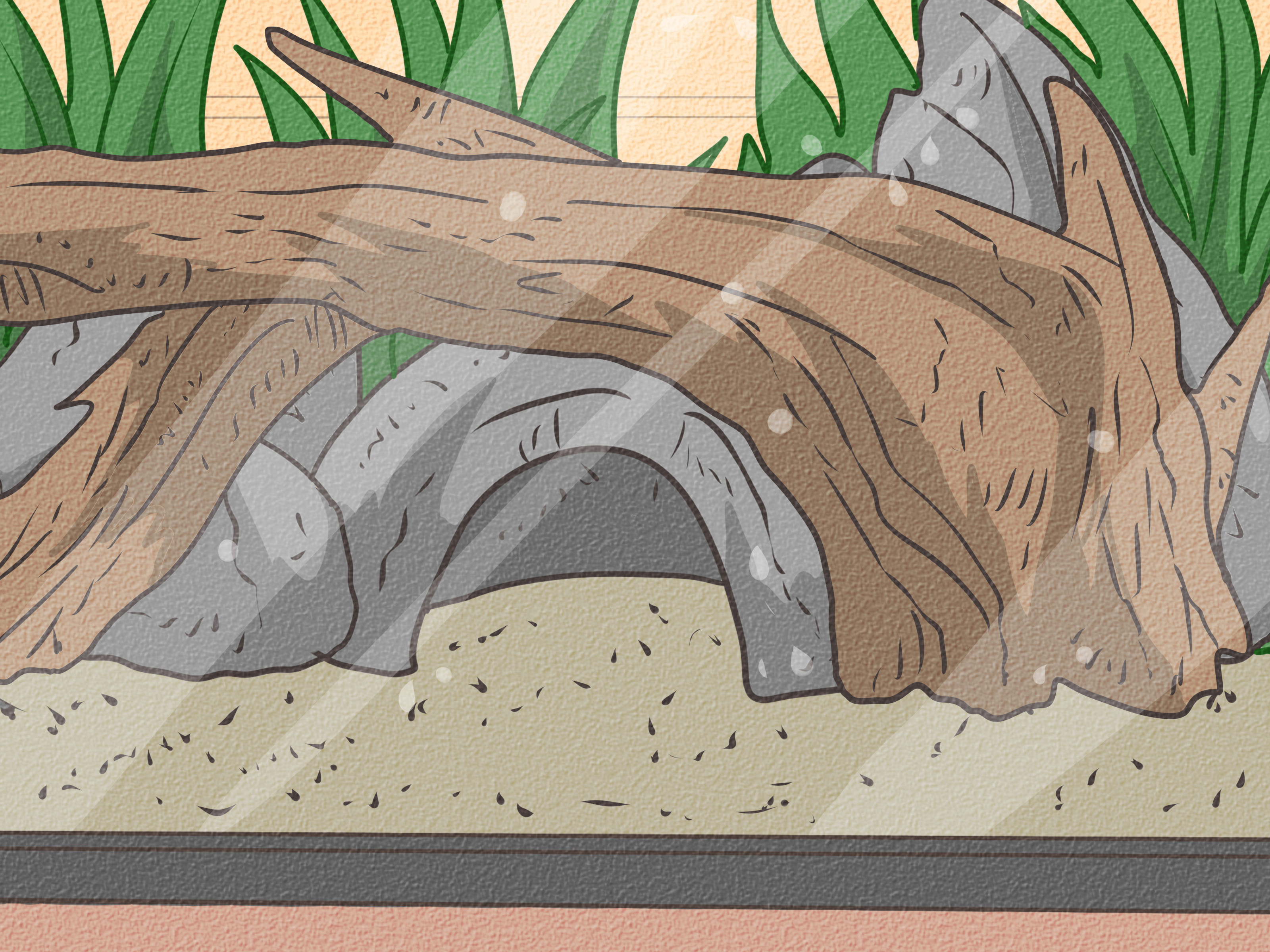
Aquatic frogs need hiding places. That does not make them antisocial. It makes them frogs. Add smooth decorations, caves, driftwood, silk plants, or live plants that provide cover. Avoid sharp edges, rough plastic, or anything that could damage delicate skin.
Substrate should be chosen carefully. If gravel is used, it should be large enough that it cannot be swallowed. Many keepers prefer bare-bottom tanks or smooth, larger stones for easier cleaning and lower risk. Tiny gravel can be a bad idea because curious frogs may accidentally ingest it while lunging for food.
Leave a little air space between the water surface and the lid. These frogs breathe air, so easy access to the surface is part of basic care, not a bonus feature.
Feed Your Aquatic Frog Like an Actual Carnivore
One of the biggest mistakes people make is feeding aquatic frogs like fish. They are not tiny, wiggly goldfish with opinions. They are carnivorous amphibians that do best with protein-rich foods and a feeding routine built around how they actually eat.
A healthy diet often includes sinking aquatic frog pellets, frozen bloodworms, brine shrimp, daphnia, blackworms, or other suitable meaty foods. Variety is helpful because it supports more balanced nutrition and keeps your frog interested. Feeding the same thing forever may keep your frog alive, but it is not exactly five-star dining.
African dwarf frogs are not famous for sharp eyesight. They often rely more on movement, smell, and close-range detection than on spotting food from across the tank like a hawk with webbed feet. Because of that, food should sink and be easy to find. Many owners use feeding dishes, tongs, or a turkey baster to deliver food near the frog. It feels slightly ridiculous the first time. Then you realize it works beautifully and suddenly you are operating a frog room-service system with pride.
How Often Should You Feed?
Young frogs generally need more frequent feeding than adults. Adults often do well being fed several times per week, while younger frogs may need more regular meals. The key is moderation. Overfeeding fouls the water, and dirty water is one of the quickest routes to illness.
Offer small portions and remove leftovers promptly. If the tank still looks like a buffet after feeding time, you served too much. Your frog may appreciate the gesture, but the water quality absolutely will not.
Cleaning and Maintenance: The Unsexy Secret to Frog Success
If aquatic frog care had a slogan, it would probably be this: clean water solves a shocking number of problems. Not all of them, of course. Your frog still cannot text you its feelings. But excellent maintenance prevents many of the most common issues.
Build a simple routine:
- Check temperature and equipment daily.
- Observe appetite, movement, and floating behavior.
- Remove uneaten food after meals.
- Test water regularly.
- Do partial water changes on a consistent schedule.
- Rinse filter media appropriately without crashing beneficial bacteria.
Do not replace all the water at once unless there is a true emergency. Sudden, dramatic changes can stress frogs. Think steady improvement, not aquarium shock therapy. Frogs thrive on consistency.
Also keep cleaning tools dedicated to the frog tank when possible. Good hygiene protects both the frog and the people caring for it. Amphibians can carry germs such as Salmonella even when they look perfectly healthy, so wash your hands thoroughly after handling the frog, tank water, food, or aquarium equipment.
Should Aquatic Frogs Have Tank Mates?
This is where new owners often get overly ambitious. In theory, some aquatic frogs can live with peaceful, similarly sized community fish. In practice, a species-only tank is often simpler, safer, and much less stressful.
Why? Because aquatic frogs are slow, curious, and not particularly competitive at mealtime. Fast fish can steal food. Nippy fish can harass frogs. Large fish may injure them. Frogs may also try to swallow anything small enough to fit in their mouths, which is awkward for everyone involved.
If you are new to aquatic frog care, keeping them with their own kind is usually the easiest route. African dwarf frogs are social enough to appreciate company from other frogs of the same species, provided the tank has enough room and multiple hiding spots.
Signs Your Aquatic Frog May Be Stressed or Sick
Healthy frogs are not identical little clones, so do not panic every time one spends extra time hiding. Still, certain changes deserve attention. Watch for loss of appetite, bloating, reddened skin, trouble swimming, floating oddly for long periods, visible sores, or sudden lethargy.
Poor water quality is a common root problem behind illness. Stress, underfeeding, overfeeding, rough handling, dirty tanks, and sudden environmental shifts can all make frogs more vulnerable. If something seems off, test the water first. That is not glamorous advice, but it is very often the right first move.
Quarantining new frogs before adding them to an established setup is also wise. A separate observation period helps reduce the risk of introducing disease to your main tank. If a frog becomes ill, an exotic or amphibian-experienced veterinarian is your best source of treatment advice.
Common Mistakes First-Time Owners Make
1. Treating the Frog Like a Fish
Aquatic frogs live in water, but they are not fish. They breathe air, have delicate skin, and often feed differently from aquarium fish. Care routines need to reflect that.
2. Using Unconditioned Tap Water
Chlorine and chloramines are a bad combination with amphibian skin. Always treat the water properly before it reaches the tank.
3. Choosing a Tall, Deep Tank
It may look dramatic, but your frog would prefer a practical setup over a towering underwater penthouse.
4. Overfeeding
Extra food does not equal extra love. It usually equals extra mess.
5. Handling the Frog Too Much
Aquatic frogs are look-at pets more than hold-in-your-hand pets. Their skin is sensitive, and unnecessary handling can stress them and increase hygiene risks for you.
6. Releasing an Unwanted Frog
Never release a pet aquatic frog into the wild. Non-native frogs can become invasive, disrupt ecosystems, and spread disease. If you can no longer keep the frog, work through a rescue, responsible rehoming group, or experienced local hobbyist instead.
What Daily Life With an Aquatic Frog Really Feels Like
Here is the part care sheets often skip: what it is actually like to live with one of these tiny underwater weirdos day after day.
At first, keeping an aquatic frog can make you feel like you are doing everything wrong. Is the frog hiding too much? Too little? Why did it zoom to the top like it forgot how lungs work? Why is it staring at a pebble as if it owes money? This is normal. Aquatic frogs have a way of looking both peaceful and mildly suspicious at the same time.
Once the tank settles and the frog adjusts, the experience becomes much more enjoyable. You start learning your frog’s rhythms. Maybe it is most active in the evening. Maybe it hangs out under a plant all afternoon and then transforms into a determined little hunter at dinner. Maybe it has a favorite corner of the tank that serves no obvious purpose except frog politics that humans are not allowed to understand.
One of the biggest lessons from real-life aquatic frog care is that consistency wins. The frogs do not need constant fussing. They need predictable feeding, stable water, and a calm environment. New owners often want to “improve” things every day by moving decorations, changing feeding methods, adjusting water, or adding tank mates. Usually, less interference works better. Set the environment up properly, keep it clean, and let the frog settle into its routine.
Feeding time is where personality really shows up. Some aquatic frogs charge toward food with surprising confidence. Others act as if dinner is a philosophical mystery. You can place food right in front of them and watch them hesitate like they are reviewing a menu. Then suddenly, snap, it is gone. Over time, many frogs learn where food appears and start associating your presence with mealtime. It is not exactly dog-level affection, but it is charming in its own odd little amphibian way.
Another real-world truth: maintenance matters more than aesthetics. A beautiful tank is nice, but a practical tank is better. Smooth surfaces, safe plants, gentle filtration, and easy cleanup will make your life much simpler. Fancy décor is optional. Water quality is not. The most successful frog keepers are usually the ones with boringly good habits: regular testing, regular water changes, and zero laziness about leftover food.
You also learn quickly that aquatic frogs are excellent at making owners worry. A frog floating quietly at the top may simply be resting after surfacing for air. A frog hiding all day may just be having a very frog day. Observation helps you learn what is normal for your specific pet. The goal is not to panic over every quirky behavior. The goal is to notice changes from your frog’s usual pattern.
Perhaps the nicest surprise is how relaxing these frogs can be to watch once everything is working well. They are not loud. They do not need walks. They do not demand couch privileges. They just drift, perch, wiggle, hunt, and occasionally launch themselves upward in a move that looks both graceful and slightly accidental. For many owners, that combination is exactly the appeal.
So yes, aquatic frog care involves work. It asks for patience, observation, and a little aquarium discipline. But once the routine clicks, it becomes one of those hobbies that is both calming and genuinely rewarding. You are not just keeping a pet alive. You are building a small, stable world where a delicate amphibian can thrive. That is pretty cool for a creature the size of a nugget.
Conclusion
If you want to take care of an aquatic frog the right way, focus on the fundamentals: choose the correct species, provide a secure and appropriately sized aquarium, keep the water warm and dechlorinated, maintain excellent water quality, feed a protein-rich sinking diet, avoid rough handling, and stay consistent with cleaning and observation. That is the formula.
Aquatic frogs are not high-maintenance in the dramatic sense, but they are detail-sensitive. They reward thoughtful care, not shortcuts. Give them stable conditions and good food, and they can become delightful, low-key pets with a surprising amount of personality packed into a very small amphibian body.
In other words, if you build the tank wisely and resist the urge to improvise like an underwater interior designer with no plan, your aquatic frog has an excellent chance of thriving.