Let’s be honest: public restrooms can feel like tiny tiled arenas where your dignity, your balance, and your germ anxiety all enter at the same time. Maybe you are at an airport, a gas station, a stadium, or that office bathroom where one stall somehow always looks like it lost an argument with gravity. Whatever the setting, many people want the same thing: use the toilet quickly, cleanly, and with as little contact as possible.
The good news is that you do not need a circus act or superhero core strength to make that happen. The smarter strategy is not wild hovering for an awkward eternity. It is reducing contact points, setting up your position properly, keeping splash risk low, and finishing with excellent hand hygiene. In other words, less panic, more technique.
This guide walks through 9 practical steps for urinating without touching the toilet, especially in public restrooms. It also explains when the no-contact approach works well, when it becomes counterproductive, and how to avoid common mistakes that leave you less comfortable than when you started.
Why People Want a No-Touch Bathroom Method
The reason is simple: people worry about germs, wet seats, splashback, and high-touch surfaces. And that concern is not irrational. Public bathrooms involve repeated contact with flush levers, stall locks, faucets, door handles, and other surfaces that many hands touch before washing. Add in toilet plume, limited ventilation, and the occasional mystery puddle on the floor, and suddenly “touch nothing” sounds less like drama and more like a personal mission statement.
Still, there is a catch. Many people assume a long hover is the gold standard of bathroom hygiene. In reality, holding a tense half-squat for too long can make it harder to fully empty your bladder. So the goal here is not to turn you into a restroom gymnast. The goal is to minimize contact without turning a 20-second bathroom stop into a lower-body workout you did not consent to.
How to Urinate Without Touching the Toilet: 9 Steps
Step 1: Choose the Cleanest Stall, Not Just the Closest One
Do a quick visual scan before committing. Look for a dry seat, a reasonably clean floor, stocked toilet paper, and a working lock. If one stall looks like a crime scene for coffee drinkers, keep moving. A better stall means fewer risky surfaces, less stress, and less chance you will rush the process and make a mess.
If available, pick a stall with enough room to position your feet comfortably. Tiny stalls make balance harder, and balance matters more than people realize when trying to stay hands-free.
Step 2: Prep Your Supplies Before You Start
Before adjusting clothing or turning into a bathroom strategist, gather what you need. Tear off toilet paper first. If the restroom has seat covers, paper towels, or sanitizer, have them ready. This step matters because rummaging around mid-process is how people end up touching more surfaces than they planned.
Think of this as your preflight check. Tissue ready? Clothing manageable? Phone staying in your pocket instead of joining the germ Olympics? Great. Proceed.
Step 3: Create a Barrier for High-Touch Points
Even if your mission is “do not touch the toilet,” you may still need to handle the stall lock, dispenser, or flush. Use toilet paper or a paper towel as a barrier for anything that looks like it has had a busy day. This includes the lock, the flush mechanism, and sometimes the seat if you need to lift it or adjust it.
The smartest no-touch method is often not literal zero contact. It is no bare-hand contact. That is a big difference, and it is much more realistic.
Step 4: Position Your Feet Before You Lower Clothing
Your stance is your secret weapon. Place your feet shoulder-width apart or slightly wider, depending on your height and balance. Stand close enough to aim accurately, but not so close that clothing brushes the toilet. If the floor is damp, take extra care and keep fabric lifted and controlled.
People often make the mistake of trying to improvise after they have already started adjusting clothing. That is how balance disappears and panic enters the chat. Set your feet first, then handle everything else.
Step 5: Use a Short, Controlled Hover Only If Needed
If you are avoiding direct contact, the safest approach is a brief, controlled hover, not a long endurance squat. Bend slightly at the knees and hips, keep your core steady, and do not force a deep crouch. The deeper and longer the hover, the more tension you create. That tension can make it harder for your bladder to empty comfortably.
If you find yourself shaking, straining, or trying to rush because your legs are giving up, stop pretending this is a fitness class. A cleaned or covered seat may be the better option. Hygiene is important, but so is not leaving the restroom feeling like your quads filed a complaint.
Step 6: Aim for the Bowl, Not the Rim
This is the step that separates a clean exit from a regrettable one. The goal is to reduce splash. Aim toward the inside of the bowl, not the rim and not directly into standing water at the steepest angle possible. Small adjustments in position can make a big difference.
If you are too far back, you increase the odds of poor aim. Too far forward, and clothing or shoes may end up in the danger zone. Stay centered and keep movements controlled. Precision beats speed every time.
Step 7: Keep Clothing, Bags, and Phone Out of the Splash Zone
One of the least glamorous truths about public restroom hygiene is that your belongings are often the real victims. Keep pants, skirts, underwear, coats, bags, and phones away from the toilet and off the floor. Use hooks if they are available. If there is no hook, keep items on your shoulder or in your hands, as long as they stay clear of the bowl and surrounding surfaces.
And yes, this is your reminder not to place your phone on the toilet paper dispenser, tank, or floor like it is checking into a hotel. It did not ask for that adventure.
Step 8: Flush and Exit With a Barrier
Once you are finished, use toilet paper or a paper towel to flush. If the toilet has a lid and you can close it without extra mess, do so before flushing. In many public restrooms, there is no lid, so the next best move is simple: flush, step back, and avoid lingering. The same barrier trick works for the stall latch and the bathroom door if needed.
This is also a good moment to stay efficient. Public restrooms are not ideal places for scrolling, texting, or contemplating your life choices under fluorescent lighting.
Step 9: Wash Your Hands Like You Mean It
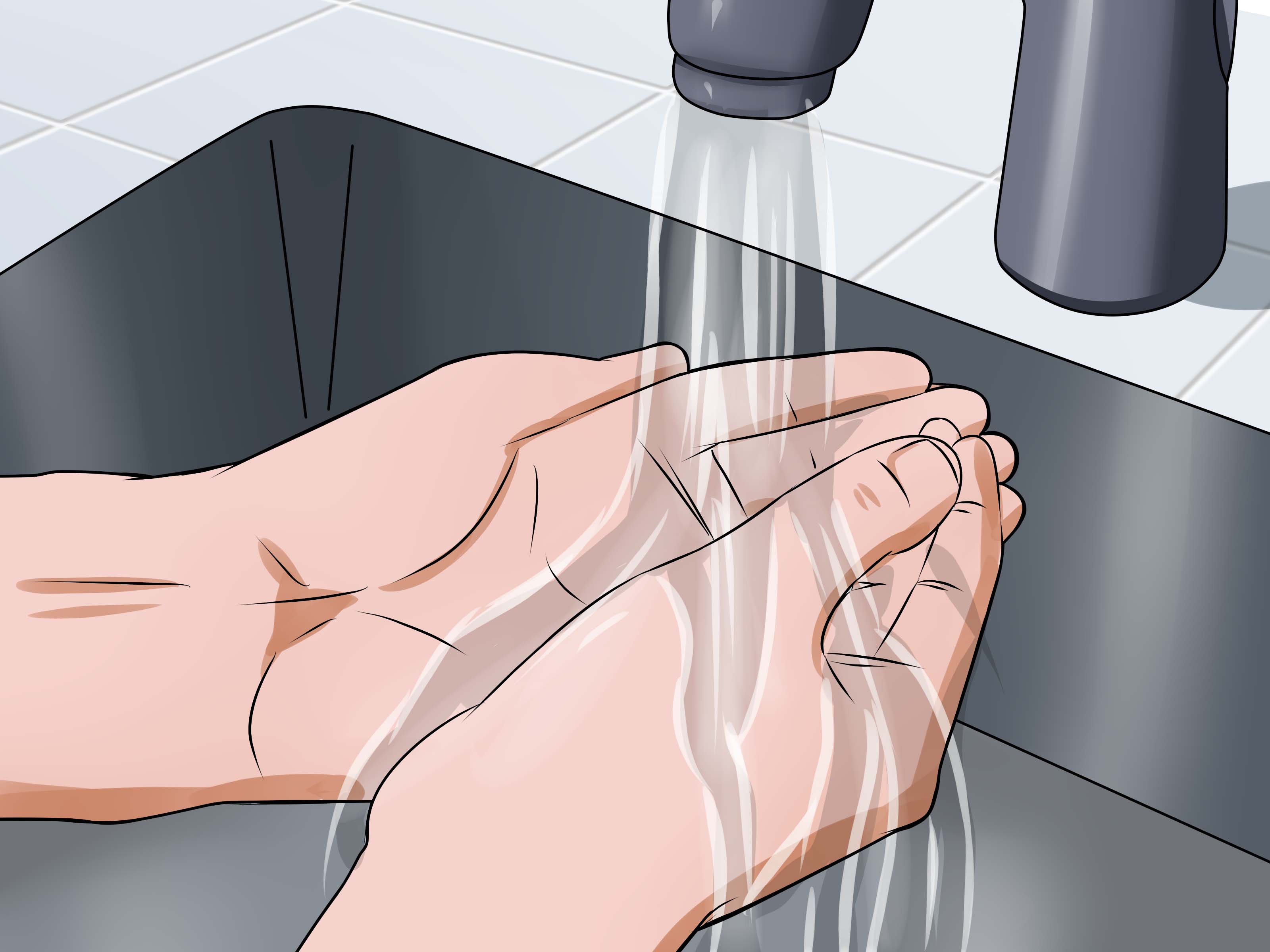
No no-touch bathroom technique is complete without proper handwashing. Use soap and water, scrub thoroughly, and take enough time to clean your palms, backs of hands, fingers, thumbs, and under your nails. Dry your hands well. If you have a paper towel, use it to turn off the faucet and open the door on the way out.
If soap and water are not available, use hand sanitizer. But when a sink is available, handwashing is still the gold standard. A no-touch toilet routine followed by a lazy two-second rinse is basically like wearing a raincoat in a storm and then diving into a puddle.
Common Mistakes That Make the No-Touch Method Worse
Hovering Too Long
This is the big one. People often assume that longer hovering equals cleaner bathroom habits. In reality, a long hover can turn into muscle tension, poor bladder emptying, and a rushed finish. If you need a no-contact method, keep it brief and controlled.
Trying to Rush the Entire Process
Rushing leads to bad aim, unstable posture, and clothing accidents. The faster you try to be, the sloppier the process often becomes. Ironically, the “quick” method can leave you spending more time cleaning up afterward.
Touching Everything After Washing
Many people wash their hands and then immediately grab the faucet, door handle, or phone. That defeats the whole routine. Use a paper towel barrier when possible and keep clean hands away from high-touch surfaces on the way out.
Ignoring the Cleaner Backup Plan
If the seat is visibly dry and you can sanitize or cover it, sitting may be the more comfortable and practical choice. The point is to reduce exposure and stay clean, not to follow a no-touch rule so strictly that you make the bathroom experience harder than necessary.
Special Situations and Practical Examples
At Airports and Highway Rest Stops
These are high-traffic bathrooms, which means speed and preparation matter. Pick the cleanest stall available, keep your luggage or tote bag off the floor, and have sanitizer ready before you enter. If you are wearing a long coat or layered clothing, control the fabric before you position yourself.
At Work
Office restrooms create a weird kind of false confidence. They feel familiar, so people get lazy. That is when phones come out, hands get rushed under water for approximately one tragic second, and everyone returns to shared keyboards like nothing happened. The same rules apply: barrier for handles, good handwashing, and no unnecessary contact.
During Travel, Festivals, and Busy Public Events
Bring a tiny hygiene kit if you can: travel tissues, a small sanitizer, and maybe disinfecting wipes if that fits your routine. When the bathroom is crowded, efficiency becomes part of hygiene. The less time you spend navigating the stall, the easier it is to keep your no-touch plan intact.
When You Should Rethink the No-Touch Approach
If avoiding contact causes straining, discomfort, dribbling, frequent urgency, or the sense that you are not fully emptying your bladder, it may be time to change tactics. A sanitized or covered seat is often better than a long, tense hover. Comfort and bladder health matter too.
The same goes for anyone with pelvic floor issues, mobility limitations, knee pain, or balance problems. A hands-free goal should never turn into a fall risk or a painful bathroom habit. The cleanest choice is the one you can do safely and consistently.
Real-World Experiences People Often Have With This Method
One of the most common experiences people describe is the difference between what they thought the no-touch method would feel like and what actually happens in real life. In theory, it sounds simple: walk in, touch nothing, leave like a hygiene ninja. In practice, there is usually a lock that sticks, a toilet paper roll with commitment issues, and a bag strap that suddenly behaves like it has never worked before.
Many travelers say the first few times they tried to urinate without touching the toilet, they overcomplicated it. They hovered too high, tried to finish too fast, and ended up tense and uncomfortable. After a few less-than-glorious attempts, most discovered that success had less to do with athletic talent and more to do with setup. A quick stall check, pre-torn toilet paper, controlled clothing, and a steady stance made the process dramatically easier.
Another very common experience comes from people at concerts, sporting events, or airports. In those places, the bathroom line creates pressure to move quickly, and that pressure can make technique worse. People often report that the messiest moments happen when they panic because someone is waiting outside the stall. The lesson they learn is surprisingly useful: a calm 20 seconds is cleaner than a frantic 8 seconds. Public restroom speed is helpful, but bathroom chaos is not a productivity hack.
Office workers tell a different story. Because the restroom is familiar, they sometimes let their guard down. They stop using barriers, balance badly in shoes that are not made for hovering, and then wonder why the experience feels awkward. Over time, many realize that a dry, covered seat is sometimes the more practical answer. That realization can feel emotionally dramatic for dedicated germ-avoiders, but it usually leads to a cleaner and more comfortable routine.
People who carry a small travel kit almost always report the easiest experience. A few tissues, hand sanitizer, and maybe a spare paper towel can make a public restroom feel far more manageable. It is not about being extreme. It is about removing friction from the process. When you are prepared, you make fewer desperate decisions, and desperate bathroom decisions are rarely the elegant kind.
There is also the universal lesson about phones. Plenty of people admit they used to place their phone on the dispenser, in a pocket that brushes the toilet, or worse, in their hand the entire time. After one or two “Why did I do that?” moments, many adopt a strict rule: phone stays put, task gets done, exit achieved. It is a simple improvement, but one that people say instantly makes the routine feel more hygienic.
Perhaps the most useful shared experience is this: once people stop treating no-touch urination like a stunt and start treating it like a system, everything improves. They become more accurate, less rushed, and less stressed. They learn that the cleanest bathroom routine is usually the least dramatic one. No acrobatics. No panic. Just smart positioning, fewer contact points, and excellent handwashing at the end.
Final Thoughts
If you want to urinate without touching the toilet, the best method is not brute determination. It is strategy. Choose the cleanest stall, prepare your supplies, protect high-touch points, use a short and controlled hover only if needed, aim carefully, keep your belongings out of harm’s way, and finish with proper handwashing. That is the real no-touch win.
Most importantly, remember that reducing contact is good, but turning the bathroom into a balance challenge is not. The smarter you are about positioning and hygiene, the less you need to rely on awkward heroics. Public restrooms may never become magical wellness retreats, but with the right routine, they can at least stop feeling like tactical missions.
Note: This article is for hygiene and comfort guidance only. If you regularly have pain, burning, leakage, urgency, or trouble emptying your bladder, speak with a qualified healthcare professional.