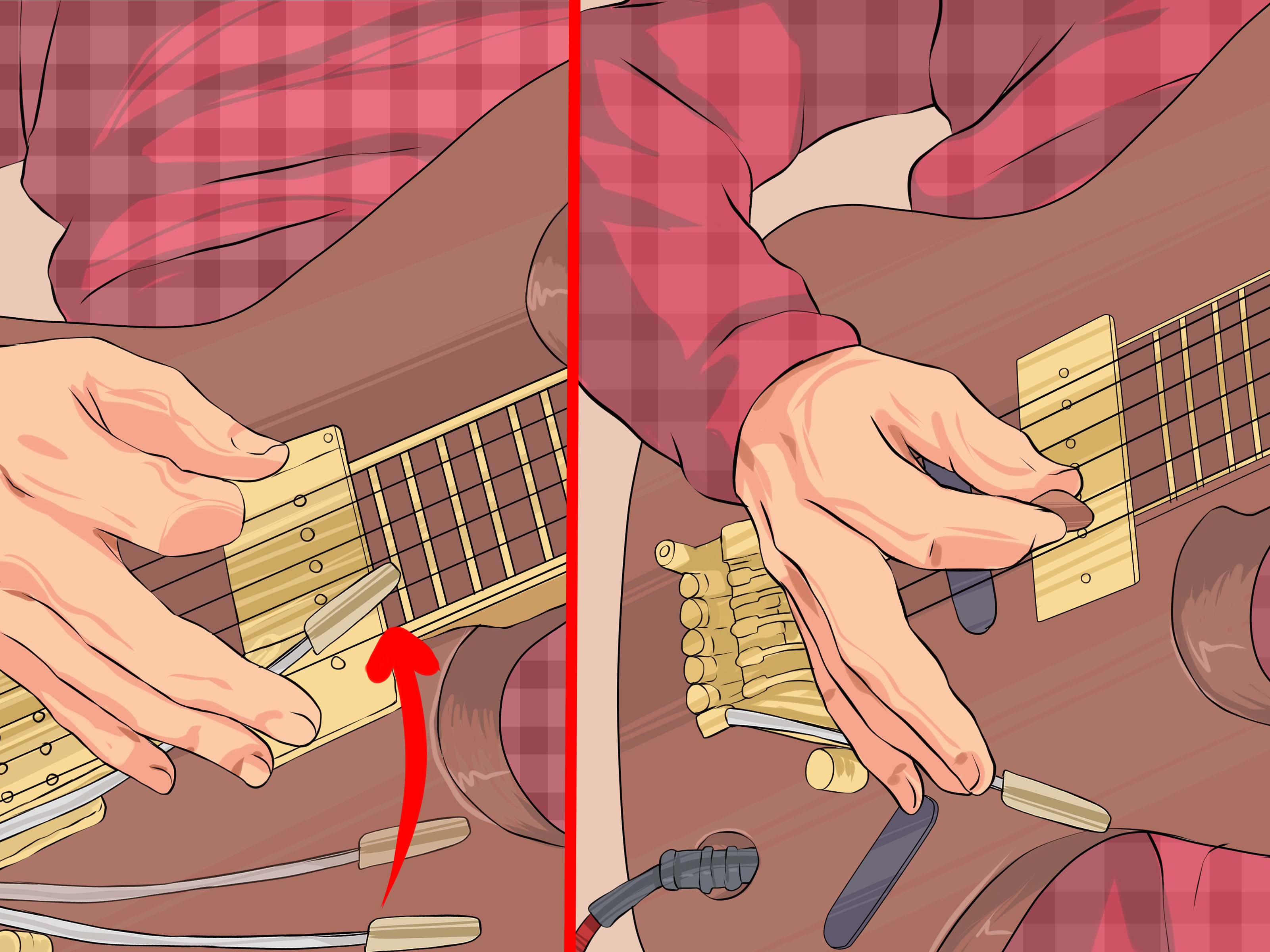
A guitar whammy bar can turn one ordinary note into a sigh, a scream, a surf-rock wobble, or a full-on dive bomb that sounds like your amp just saw a ghost. Also called a tremolo arm or vibrato bar, this little metal handle lets you change string tension while you play. Push it down and the pitch drops. Pull it up on a floating bridge and the pitch rises. Use it gently and it adds vocal-like expression. Abuse it without tuning prep and, well, your guitar may begin speaking in ancient swamp dialect.
The funny part is that the word “tremolo” is technically inaccurate. Tremolo means a change in volume; vibrato means a change in pitch. But guitar culture has accepted the chaos, so “tremolo bar,” “whammy bar,” and “vibrato arm” are often used to describe the same pitch-bending device. Whether you play blues, surf, indie rock, metal, worship, country, or experimental noise that scares the family dog, learning how to use a guitar whammy bar gives you a new layer of expression.
This guide breaks the process into 12 clear steps, from identifying your bridge type to practicing vibrato, dips, scoops, flutters, and dive bombs. You will also learn how to avoid the biggest beginner mistake: using the bar before your guitar is properly tuned, stretched, and set up. Think of the whammy bar as hot sauce. A little can make the whole song better. Too much, and everyone knows exactly what happened.
What Is a Guitar Whammy Bar?
A guitar whammy bar is a removable or built-in arm attached to a bridge system that changes the pitch of the strings by adjusting string tension. On many Strat-style guitars, pressing the bar down moves the bridge forward, loosening the strings and lowering the pitch. On floating tremolo systems, such as many Floyd Rose-style bridges, the bridge can move both directions, allowing you to lower and raise pitch.
Different systems feel different. A vintage Strat-style tremolo is great for smooth dips, soft warbles, and classic rock flavor. A Floyd Rose-style locking tremolo can handle dramatic dive bombs and pull-ups while staying more stable when properly set up. A Bigsby-style vibrato is usually softer and more subtle, often used for rockabilly, country, blues, and vintage tones. The goal is not to decide which one is “best.” The goal is to understand what your guitar can do and use it musically.
Before You Start: Know Your Tremolo System
Before grabbing the bar and pretending to be a heroic stadium guitarist, look at your bridge. Is the bridge flat against the guitar body, slightly raised, or fully floating? Does the bar screw in, pop in, or stay permanently attached? Does your guitar have a locking nut? These details affect how far you can bend notes, how stable the tuning will be, and how carefully you need to set up the instrument.
Common Whammy Bar Types
Vintage-style synchronized tremolo: Common on Strat-style guitars. It is versatile and musical, especially for dips and gentle vibrato.
Two-point tremolo: Often smoother than older six-screw designs and common on modern guitars.
Floyd Rose-style locking tremolo: Designed for aggressive pitch changes, dive bombs, squeals, and extreme techniques.
Bigsby-style vibrato: Known for smooth, subtle pitch movement rather than wild pitch gymnastics.
Jazzmaster or Mustang-style vibrato: Often used for shimmering, atmospheric sounds and offset-guitar character.
How to Use a Guitar Whammy Bar: 12 Steps
Step 1: Make Sure the Whammy Bar Fits Properly
First, insert the bar correctly. Some whammy bars screw into the bridge, while others pop into a socket. Do not force it. If the thread size is wrong or the bar does not seat correctly, forcing it can damage the bridge. A properly fitted bar should feel secure, not wobbly like a shopping cart wheel with emotional problems.
If the arm swings too freely, your bridge may have a tension adjustment screw. Some guitars allow you to tighten or loosen the arm feel with a small hex key. Your ideal setting depends on preference. Some players like the bar to stay where they leave it; others prefer it to swing away when released.
Step 2: Tune Your Guitar Carefully
Whammy bar technique starts with tuning. Tune your guitar before you practice, then check it again after a few bar movements. Tremolo systems depend on balance between string tension and spring tension. If the strings are old, poorly stretched, or binding in the nut, your guitar may drift out of tune quickly.
Use a reliable tuner and tune slowly. If you have a floating bridge, tuning one string can slightly affect the others, so you may need several passes. This is normal. It is not your guitar being haunted; it is physics doing its dramatic little dance.
Step 3: Stretch New Strings Before Heavy Whammy Use
New strings need time to settle. Gently stretch each string along the fretboard, retune, and repeat until the pitch stabilizes. This matters even more if you plan to use a Floyd Rose-style tremolo or perform big dives. Unstretched strings slip and stretch during playing, which can make the guitar sound out of tune even when your technique is fine.
If you recently changed strings and the guitar refuses to stay in tune, do not blame the whammy bar immediately. Stretch the strings, check the tuning posts, inspect the nut slots, and make sure the bridge returns to its neutral position.
Step 4: Start With Gentle Downward Dips
The easiest whammy bar move is a downward dip. Play a note or chord, then gently press the bar toward the guitar body. The pitch should fall smoothly. Release the bar and let the bridge return naturally. Do not yank it back. Let the mechanism do its job.
Try this with an open E minor chord. Strum the chord, press the bar slightly, and release. You will hear the chord sag and return. Keep the movement small at first. A subtle dip can sound tasteful, dreamy, and professional. A random giant dip in the middle of a folk ballad may sound like the guitar tripped over a garden hose.
Step 5: Practice Controlled Vibrato
Whammy bar vibrato is one of the most useful techniques. Play a sustained note, then move the bar gently up and down in a small, even motion. The goal is not maximum drama. The goal is a singing quality, almost like a vocalist adding expression to a long note.
Start with quarter-note pulses, then try eighth-note pulses. Keep your hand relaxed. If your wrist is stiff, the vibrato may sound nervous or uneven. For a classic sound, apply slow, shallow movement. For a more intense rock tone, make the motion wider and faster. Always listen to the pitch, not just the movement of your hand.
Step 6: Add Whammy Bar Scoops
A scoop means you lower the pitch before the note fully speaks, then let it rise into tune. To practice, press the bar down slightly, pick a note, and release the bar so the note slides upward into pitch. This creates a vocal, expressive entrance.
Scoops work well before lead phrases. For example, press the bar down a little, pick the 7th fret on the G string, and release into the note. It can sound like the guitar is inhaling before it sings. Use it sparingly, though. If every note has a scoop, your solo may sound like it is walking on a trampoline.
Step 7: Try Subtle Chord Shimmers
Chord shimmer is a beautiful whammy bar technique for clean tones, ambient music, surf rock, indie textures, and ballads. Play a chord, then gently wiggle the bar with a slow, shallow motion. The chord should move like light reflecting on water.
Major 7, minor 9, suspended, and add9 chords sound especially rich with shimmer. Add a little delay or reverb, and suddenly you are no longer practicing in your bedroom; you are scoring a sunrise scene in an imaginary movie. Keep the motion small so the chord stays musical and does not become seasick.
Step 8: Learn the Classic Dive Bomb
A dive bomb is the dramatic move most people imagine when they hear “whammy bar.” Play a note, usually with distortion, then push the bar down until the pitch drops dramatically. On some guitars, the strings may go slack. Release the bar and let the pitch return.
This technique works best on guitars designed for aggressive tremolo use, especially locking systems. On a vintage-style tremolo, you can still do smaller dives, but huge dives may knock the guitar out of tune. Start with the low E string or a harmonic at the 12th fret. Add distortion and palm muting for a heavier effect.
Step 9: Experiment With Harmonic Screams
Harmonic screams are a favorite in rock and metal. Lightly touch a harmonic point, such as the 5th, 7th, or 12th fret, pick the string, then use the whammy bar to raise or lower the pitch. On a floating bridge, you can pull up to make the harmonic scream higher. With distortion, the effect can sound wild, futuristic, and slightly illegal in three galaxies.
To practice safely, start with natural harmonics. Pick the harmonic, then make a small bar movement. Once you can control the pitch, try wider moves. Keep in mind that this technique depends heavily on your guitar, bridge setup, pickups, amp gain, and muting control.
Step 10: Practice Flutter Effects
A flutter is created by flicking or tapping the whammy bar so the bridge and springs vibrate quickly. This produces a rapid, wavering pitch effect. It is most effective on floating tremolo systems that respond smoothly.
To try it, play a note, position the bar where your picking hand can reach it, then lightly tap or flick the end of the bar. The key is not brute force. You want the bridge to vibrate, not file a complaint. Flutter effects are fun in solos, but they can become gimmicky if overused. Treat them like a special seasoning, not the main meal.
Step 11: Keep Your Picking Hand Muting Clean
Whammy bar playing can create extra string noise. When the bridge moves, sympathetic vibrations may appear from open strings. Use your picking hand and fretting hand to mute strings you are not playing. This is especially important with distortion, where every accidental noise becomes louder and more enthusiastic.
Practice one note at a time. Pick a note, use the bar, and make sure no unwanted strings ring out. Then try two-note intervals, power chords, and full chords. Clean muting makes whammy bar technique sound intentional instead of chaotic.
Step 12: Retune, Listen, and Use the Bar Musically
After practicing, check your tuning again. If your guitar is consistently sharp or flat after using the bar, the bridge may need adjustment, the strings may need stretching, or the nut may need attention. Sometimes a professional setup is the best investment, especially if you use the whammy bar often.
Most importantly, use the bar musically. Ask yourself what the song needs. A gentle shimmer can make a clean chord glow. A quick dip can add attitude to a riff. A huge dive bomb can be thrilling in the right moment. The whammy bar is not just a trick handle; it is a phrasing tool.
Best Beginner Exercises for Whammy Bar Control
Exercise 1: One-Note Vibrato
Pick the 9th fret on the G string and let it ring. Apply slow, shallow bar vibrato for four beats. Rest, then repeat. Focus on smooth timing and consistent pitch movement.
Exercise 2: Chord Dip and Return
Play an A minor chord. Press the bar down slightly after the chord rings, then release. The chord should return in tune. If it does not, retune and check your setup.
Exercise 3: Scoop Into a Lead Note
Press the bar down slightly, pick the 7th fret on the B string, and release into pitch. Repeat slowly until the note lands cleanly.
Exercise 4: Harmonic Dive
Play a 12th-fret harmonic on the G string, then press the bar down gently. Release and listen for tuning stability. Add gain once you can control the clean version.
Common Whammy Bar Mistakes to Avoid
Using too much pressure: Beginners often push too hard. Start small. You can always add more drama later.
Ignoring tuning issues: If the guitar does not return to pitch, do not keep practicing bad habits. Fix the tuning problem first.
Forcing the bar: If it does not fit, stop. The wrong bar can damage the bridge threads or socket.
Overusing the effect: A whammy bar can make music expressive, but using it every two seconds can make listeners feel like they are trapped on a boat.
Skipping muting practice: Clean technique matters. A great dive bomb with noisy strings is like a sports car with a shopping cart stuck underneath.
How to Keep a Guitar in Tune With a Whammy Bar
Tuning stability depends on several factors: stretched strings, clean nut slots, stable tuning machines, bridge balance, spring tension, and how aggressively you use the bar. If your guitar has a locking nut, make sure it is properly tightened after tuning. If it has a standard nut, the strings should move smoothly through the slots without sticking.
For vintage-style bridges, some players prefer a “decked” bridge, meaning the bridge sits against the guitar body. This usually limits upward pitch movement but can improve tuning stability. Others prefer a floating bridge, which allows both downward and upward motion but requires careful setup. Neither choice is automatically correct. It depends on your style.
Use lubrication in the nut slots if appropriate, keep strings fresh, and avoid wild bar use on a guitar not designed for it. If the bridge does not return to neutral, a qualified guitar technician can adjust the springs, claw, screws, saddles, and nut for better performance.
When Should You Use a Whammy Bar in a Song?
Use the whammy bar when it supports the emotion of the music. In surf rock, it can add rolling wave-like motion to chords. In blues, it can make notes cry. In metal, it can create dramatic dives, squeals, and tension. In ambient music, it can turn simple chords into floating clouds of sound.
A good rule is simple: if the effect makes the phrase more expressive, keep it. If it distracts from the melody, reduce it. Great players often use the whammy bar with taste, timing, and purpose. The bar should serve the song, not run for mayor.
of Real-World Experience: Learning the Whammy Bar Without Losing Your Mind
The first time many guitarists use a whammy bar, they expect instant rock glory. What usually happens is more humble. You screw in the bar, hit a chord, push down, smile for half a second, then realize the guitar is now out of tune and your beautiful E chord has become something only a raccoon could love. That is normal. The whammy bar is easy to move but not always easy to control.
One of the best experiences a beginner can have is learning to use less movement. At first, it is tempting to push the bar as far as it will go because big motion feels exciting. But the most musical sounds often come from tiny movements. A slight dip at the end of a chord can sound polished. A small shimmer on a sustained note can sound emotional. A gentle scoop into a solo note can make your phrasing feel more human. You begin to realize the whammy bar is not just for stunts. It is a voice.
Another real lesson is that setup matters more than ego. If your guitar refuses to stay in tune, it does not mean you are a bad player. It may mean the strings are new and unstretched, the nut is binding, the bridge is unbalanced, or the tremolo springs need adjustment. Many players spend months fighting their guitar when a basic setup would solve most of the problem. A well-set-up guitar makes whammy practice more fun because the instrument responds predictably.
It also helps to practice with a tuner nearby. Play a note, use the bar, release it, and check whether the pitch returns. This trains your ears and teaches you how your bridge behaves. Some guitars return slightly sharp after a dive. Some return flat after a pull-up. Some behave beautifully until you look at them too confidently. The more you observe, the better you adapt.
Playing with effects can be inspiring too. A clean amp with reverb makes subtle chord shimmer sound dreamy. Add delay, and the whammy bar can create cinematic textures. With distortion, dive bombs and harmonic screams become more dramatic. But effects also reveal sloppy muting. High gain will amplify every accidental string noise, so good muting becomes part of the technique.
The most useful mindset is patience. Learn one move at a time: dip, vibrato, scoop, dive, flutter. Record yourself. Listen back. You may notice that what felt huge while playing actually sounds tasteful, or what felt impressive sounds chaotic. That feedback is gold. Over time, the whammy bar becomes less like a gadget and more like part of your phrasing vocabulary.
Eventually, you stop asking, “How hard can I push this thing?” and start asking, “What does this note need?” That is when the whammy bar becomes musical. It can whisper, wobble, cry, laugh, or roar. And yes, sometimes it can still make spaceship noises. That is allowed. Guitars are supposed to be fun.
Conclusion
Learning how to use a guitar whammy bar is about control, tuning, timing, and taste. Start by understanding your bridge type, tuning carefully, stretching your strings, and practicing small movements. Once you can create smooth dips and vibrato, move on to scoops, chord shimmers, harmonic screams, flutters, and dive bombs. The best whammy bar players do not simply move the arm; they shape notes with intention.
A whammy bar can make your guitar sound more vocal, more dramatic, and more alive. It can also expose tuning problems faster than a suspicious detective. Respect the setup, listen closely, and use the effect to support the song. With practice, that little metal arm becomes one of the most expressive tools on your guitar.
Note: This article was written for web publication in standard American English and synthesizes practical knowledge from reputable guitar education, manufacturer, music retail, and guitar technique resources without inserting source links.