Note: This article is written in standard American English for web publishing and is based on real historical, academic, civic, and workplace discussions around identity politics, social justice, allyship, and online activism.
Introduction: When Politics Gets Personaland Sometimes Too Photogenic
Identity politics and performative activism are two phrases that can empty a dinner table faster than someone saying, “Let’s all discuss campaign finance reform before dessert.” Yet both ideas matter because they shape how people talk about justice, belonging, representation, and power in modern American life.
At its best, identity politics helps people name experiences that were once ignored, minimized, or politely swept under the national rug. It gives language to groups who have faced discrimination because of race, gender, sexuality, religion, disability, class, immigration status, or other parts of who they are. At its worst, it can become a shortcut for tribal thinking, where people are reduced to labels and political disagreement becomes a personality defect.
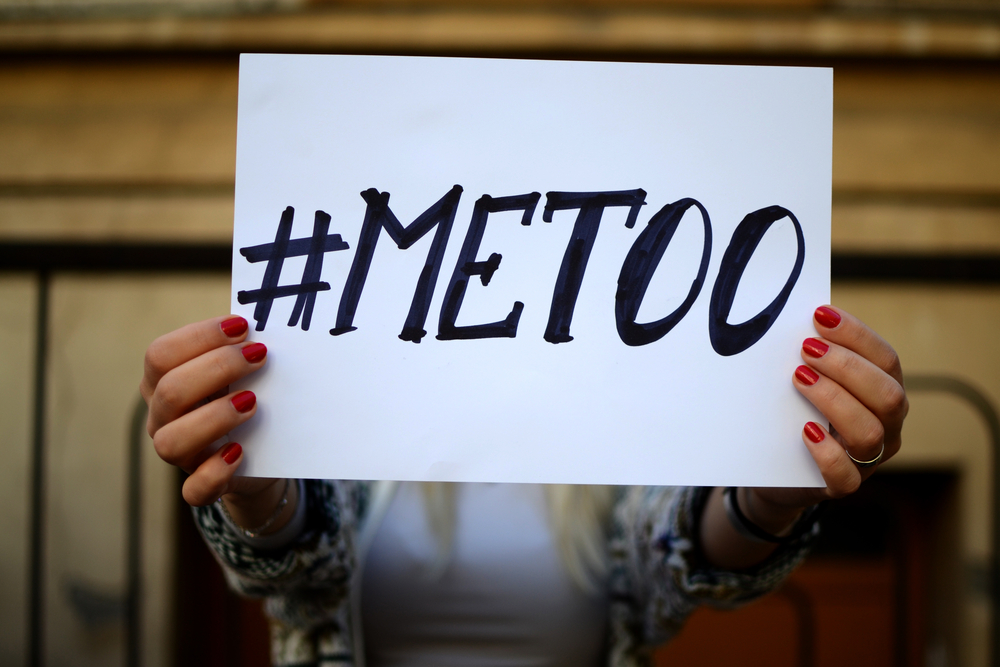
Performative activism is a different but related creature. It happens when support for a cause becomes more about being seen than being useful. Think of the company that posts a heartfelt equality message in June but has no inclusive policies in July. Or the person who shares a dramatic social justice post, collects applause, and then quietly ignores the actual work. The vibes are immaculate; the follow-through is missing in action.
This article explores what identity politics and performative activism mean, why they became so influential, how they can help or harm public life, and how individuals, brands, schools, and organizations can move from symbolic gestures to meaningful action.
What Is Identity Politics?
Identity politics refers to political organizing, advocacy, or analysis rooted in the shared experiences of particular social groups. These groups may be shaped by race, ethnicity, gender, sexual orientation, religion, disability, social class, nationality, or other identity categories. The central idea is simple: people who experience injustice in specific ways often understand those problems in ways outsiders may miss.
The modern phrase is strongly associated with the Combahee River Collective, a Black feminist group active in the 1970s. Their 1977 statement argued that the most powerful politics could emerge from people’s own lived experiences, especially when those experiences were shaped by overlapping systems of oppression. That idea helped influence later conversations about intersectionality, a framework that examines how different forms of identity and inequality interact.
In plain English, identity politics says, “Where you stand in society can affect what you see.” A wheelchair user may notice inaccessible buildings that others pass without thinking. A Black mother may understand racial profiling differently than a white suburban commuter. A first-generation college student may see financial aid, campus culture, and career networking through a lens that wealthy legacy students do not. Identity politics asks public life to take those differences seriously.
Why Identity Politics Became So Powerful
Identity politics grew because universal language often failed to produce universal justice. American history is full of promises that sounded broad but were applied narrowly. “All men are created equal” did not originally include enslaved people, women, Indigenous communities, or many others in practice. Civil rights movements, women’s rights movements, disability rights campaigns, LGBTQ+ advocacy, labor organizing, and immigrant justice efforts all emerged because people had to demand that democratic ideals apply to them, too.
Identity-based organizing can make invisible problems visible. It can turn private pain into public policy. Before sexual harassment had a widely understood name, many workers experienced it as an isolated personal problem. Before disability rights activism reshaped law and architecture, inaccessible public spaces were often treated as unfortunate inconveniences rather than civil rights issues. Before marriage equality became law, same-sex couples were frequently told to accept second-class legal status with a smile and perhaps a tasteful centerpiece.
Identity politics also helps build community. People who feel alone in their experiences often find strength when they discover that others have faced similar barriers. That recognition can lead to mutual aid, political education, voting campaigns, lawsuits, workplace reforms, and cultural change.
The Criticism: When Identity Becomes a Cage
Critics argue that identity politics can sometimes divide people into fixed categories and make coalition-building harder. When every issue is filtered only through group identity, people may assume that someone’s background automatically determines their beliefs. That is not only unfair; it is also intellectually lazy. Nobody wants to be treated like a walking demographic spreadsheet.
Another concern is that identity politics can become symbolic rather than material. Representation matters, but representation alone does not guarantee justice. A company can hire a diverse leadership photo for its website while still underpaying workers. A politician can celebrate a community’s culture while ignoring housing, healthcare, education, or wage policies that affect that same community. A university can write elegant statements about belonging while leaving students to wrestle with real barriers and underfunded support systems.
The strongest version of identity politics connects recognition with practical change. The weakest version stops at recognition and calls it a revolution. That is like buying a gym membership, posting a selfie at the front desk, and declaring yourself a marathon runner.
What Is Performative Activism?
Performative activism is public support for a social or political cause that appears more focused on image than impact. It often involves low-risk, low-effort gestures: posting a hashtag, changing a profile picture, issuing a statement, wearing a slogan, or using the right vocabulary without changing behavior.
Not every symbolic action is performative in a negative sense. Symbols can matter. A public statement can comfort people, signal shared values, and draw attention to overlooked issues. Social media can spread information quickly, connect organizers, and invite people into civic participation. The problem begins when the symbol replaces the substance.
Performative activism is not “talking about justice.” It is talking about justice in a way that avoids responsibility. It says, “Look at me caring,” when the better question is, “Who is helped, what changes, and who is accountable?”
Why Social Media Made Performative Activism Easier
Social media did not invent shallow activism, but it gave it better lighting. Platforms reward visibility, speed, emotion, and identity signaling. A thoughtful local organizing plan may take months. A viral post takes seconds. Guess which one gets more dopamine?
Online activism can be powerful. It can document injustice, raise funds, pressure institutions, share safety information, and amplify voices that traditional media ignored. Many movements have used digital tools effectively, from racial justice campaigns to climate activism and disability advocacy. For younger Americans especially, social platforms are often a key place to learn about social and political issues.
Still, social media can flatten complex struggles into aesthetic performances. A crisis becomes a template. A community becomes a trend. A tragedy becomes a caption. People may feel pressured to post immediately, even before they understand the issue. Silence gets interpreted as violence; rushed posting gets rewarded as courage. Somewhere in the chaos, nuance quietly packs a bag and leaves town.
Identity Politics and Performative Activism: How They Intersect
Identity politics and performative activism overlap when identity becomes a branding tool rather than a path to justice. This can happen in politics, business, entertainment, education, and everyday online culture.
For example, a brand may celebrate Black History Month with polished graphics while failing to promote Black employees into leadership. A corporation may post rainbow logos during Pride Month while donating to politicians who oppose LGBTQ+ rights. A public figure may use feminist language while dismissing women who criticize them. A school may celebrate cultural diversity at an assembly while ignoring unequal discipline patterns or language access for families.
In these cases, the issue is not that identity is being discussed. The issue is that identity is being used as decoration. Real identity-conscious work asks what people need, who has power, what barriers exist, and what measurable changes will follow. Performative identity politics asks whether the campaign colors look inspiring on Instagram.
The Difference Between Awareness and Action
Awareness is often the first step. It is rarely the last. A person may first learn about racial profiling through a documentary, disability access through a friend’s story, or gender bias through workplace training. That matters. But awareness without action can become a comfortable emotional loop: learn, react, post, repeat.
Action does not always mean dramatic protest or national leadership. It can mean voting in local elections, joining a neighborhood meeting, donating to credible organizations, reading beyond headlines, mentoring someone, challenging unfair policies at work, making events accessible, paying interns, sharing credit, or listening when people describe harm. Action is often less glamorous than awareness. It does not always come with a filter. Terrible for vanity; excellent for democracy.
Examples of Performative Activism in Public Life
Corporate Statements Without Internal Reform
After major social justice events, many companies release statements supporting equality. Some back those words with hiring reforms, pay audits, supplier diversity, employee resource support, transparent promotion data, and community investment. Others stop at the statement. Employees and customers increasingly notice the difference.
Seasonal Solidarity
Seasonal solidarity appears when organizations support communities only during designated months. Pride Month, Black History Month, Women’s History Month, Asian American and Pacific Islander Heritage Month, Hispanic Heritage Month, and Disability Pride Month can all be meaningful. But if support appears only when the calendar says it is marketable, people may question the commitment.
Hashtag Participation Without Learning
Hashtags can spread awareness, but they can also become substitutes for understanding. Sharing a slogan without knowing the issue may create confusion or spread misinformation. The better approach is to pause, learn, verify, and then decide how to help.
Personal Branding as Allyship
Some people turn allyship into a personality accessory. They use the right phrases, attend visible events, and post moral declarations, but disappear when the work becomes inconvenient. Real allyship includes humility, consistency, and a willingness to take correction without acting like feedback is a personal thunderstorm.
Why People Fall Into Performative Activism
Most performative activism is not cartoon villain behavior. People fall into it for very human reasons. They want to belong. They fear being judged. They feel pressure to respond quickly. They want to be seen as good. Sometimes they care deeply but do not know what else to do. Sometimes they mistake emotional expression for practical contribution.
Organizations do the same thing at scale. A public relations team may feel pressure to comment on a major issue. Leaders may want credit for compassion without opening the budget drawer. Institutions may prefer symbolic gestures because real change can be expensive, uncomfortable, and politically risky.
Understanding these motives does not excuse hollow activism, but it helps explain why it spreads. The cure is not silence. The cure is better alignment between values, words, and behavior.
How to Practice Better Allyship
Good allyship begins with the idea that ally is not a trophy you award yourself. It is a practice measured by the people affected by your actions. That practice includes listening, learning, sharing resources, taking appropriate risks, and staying involved after public attention fades.
In workplaces, better allyship may include sponsoring underrepresented employees, interrupting biased assumptions, supporting fair pay, improving accessibility, and making complaint systems trustworthy. In schools, it may include inclusive curriculum, respectful language, family engagement, and support for students facing discrimination. In communities, it may include showing up for local meetings, mutual aid, and policy advocacy.
The key question is not, “Did I look supportive?” The question is, “Did my support reduce harm, increase fairness, or help people build power?”
How Organizations Can Avoid Performative Activism
Organizations should treat public values like promises, not confetti. Before posting a statement, leaders should ask what the organization is prepared to do. A good framework includes four steps: name the issue honestly, connect it to internal responsibilities, commit to measurable action, and report progress later.
For example, if a company supports racial equity, it can examine hiring pipelines, promotion rates, pay equity, vendor relationships, customer policies, and leadership accountability. If a school supports inclusion, it can review discipline data, accessibility, counseling resources, language support, and student safety. If a nonprofit supports community empowerment, it can ensure that affected communities help shape the agenda rather than merely appear in the brochure.
Transparency matters. Nobody expects perfection, but people do expect honesty. A humble progress report beats a glossy slogan that floats above reality like a motivational balloon.
The Role of Coalition Building
One of the best answers to shallow identity politics is coalition building. Coalitions recognize difference without turning difference into a wall. They allow people to work together across race, class, gender, religion, sexuality, disability, geography, and political background while still naming specific forms of harm.
Coalition politics does not require everyone to have identical experiences. It requires shared goals, mutual respect, and practical strategy. Workers can organize for fair wages across racial and gender lines while still addressing discrimination within the workplace. Parents can advocate for better schools while recognizing that students face different barriers. Communities can support public safety while debating how to prevent abuse, reduce violence, and protect civil liberties.
The point is not to erase identity. The point is to prevent identity from becoming the end of the conversation. Identity can be a doorway into justice, but it should not become a locked room.
How Readers Can Think More Clearly About These Issues
When you encounter identity politics or activism online, ask a few practical questions. Who is speaking? Who is affected? What evidence supports the claim? What action is being requested? Who benefits from this framing? Is the goal awareness, fundraising, policy change, community care, or personal branding?
These questions help separate meaningful advocacy from moral theater. They also reduce the chance of being manipulated by outrage. Online spaces often encourage instant judgment, but democratic life needs slower muscles: curiosity, patience, accountability, and the ability to disagree without turning every opponent into a cartoon goblin.
Experiences Related to Identity Politics and Performative Activism
In everyday life, identity politics often shows up before people have a fancy term for it. A student notices that history lessons barely mention people who look like her. A young worker realizes that jokes in the office are not equally harmless for everyone. A parent at a school meeting sees that translation services are treated as optional, even though many families need them to participate. These experiences are not abstract theories. They are the small daily reminders that public systems do not feel the same to everyone.
Many people first understand identity politics through a moment of recognition. Someone hears a speaker describe an experience they thought was private and thinks, “Wait, that happened to me too.” That moment can be powerful. It can turn shame into clarity. It can also turn isolation into community. The danger comes when recognition stops there. Feeling seen is important, but being seen does not automatically change rent prices, medical access, school funding, hiring bias, or public safety.
Performative activism is also easy to recognize in daily life because most people have seen it in action. A friend posts passionately about workers’ rights but treats service workers rudely. A manager praises diversity during a meeting but ignores the only employee who raises concerns about bias. A brand releases a dramatic social justice campaign while quietly avoiding any policy that would cost real money. The performance may be polished, but the contradiction is hard to miss.
There is also a personal side to this. Many well-meaning people worry about saying the wrong thing. That fear can push them into silence or into overacting. Silence avoids risk but may leave others unsupported. Overacting creates noise but may not help. A better path is honest participation: admit what you do not know, learn from credible sources, support practical solutions, and avoid making someone else’s struggle your stage.
One useful experience is volunteering or participating in local civic work. Local action teaches humility quickly. Online, a person can sound like an expert after reading three posts and a spicy comment thread. In real community work, problems become more complicated. People disagree. Budgets are limited. Good intentions collide with logistics. That is not a reason to quit. It is a reason to become more serious.
Another lesson comes from listening to people within the same identity group who disagree with each other. No community is a single voice. Black Americans do not all share one political view. LGBTQ+ people do not all have the same priorities. Women, immigrants, disabled people, religious minorities, rural voters, urban voters, and working-class communities all contain internal differences. Treating any group as a monolith is not respect. It is just stereotyping with better manners.
The most meaningful experiences usually involve moving from expression to responsibility. It is easy to say, “I support inclusion.” It is harder to ask whether your event has wheelchair access, whether your hiring process relies on insider networks, whether your classroom examples include different communities, whether your organization pays people fairly, or whether your social media post points readers toward real resources. Responsibility is where values grow legs.
In the end, the best approach is neither cynical nor naive. Cynicism says all activism is fake. Naivety says every public gesture is brave. Reality sits in the middle, drinking coffee and asking for receipts. Identity politics can reveal injustice and build power. Performative activism can distract from both. The challenge is to keep the insight of identity politics while rejecting the emptiness of performance. That means fewer empty slogans, more honest listening, fewer public halos, and more practical courage.
Conclusion: From Performance to Purpose
Identity politics and performative activism are not just internet arguments dressed in academic shoes. They are central to how modern Americans debate fairness, representation, power, and responsibility. Identity politics can help people name real injustice and organize for change. Performative activism can turn that same language into branding, applause, or reputation management.
The solution is not to abandon identity or mock activism. The solution is to connect identity to policy, awareness to action, and public language to measurable responsibility. A society that listens to lived experience without becoming trapped by labels is stronger. A movement that values both symbolism and substance is harder to ignore. And an ally who does the work when nobody is clapping is far more useful than one who only appears when the lighting is flattering.
In a noisy culture, meaningful activism may look surprisingly ordinary: showing up, learning carefully, sharing power, changing rules, funding solutions, and staying accountable. It may not always go viral. But unlike performance, it can actually move the world.