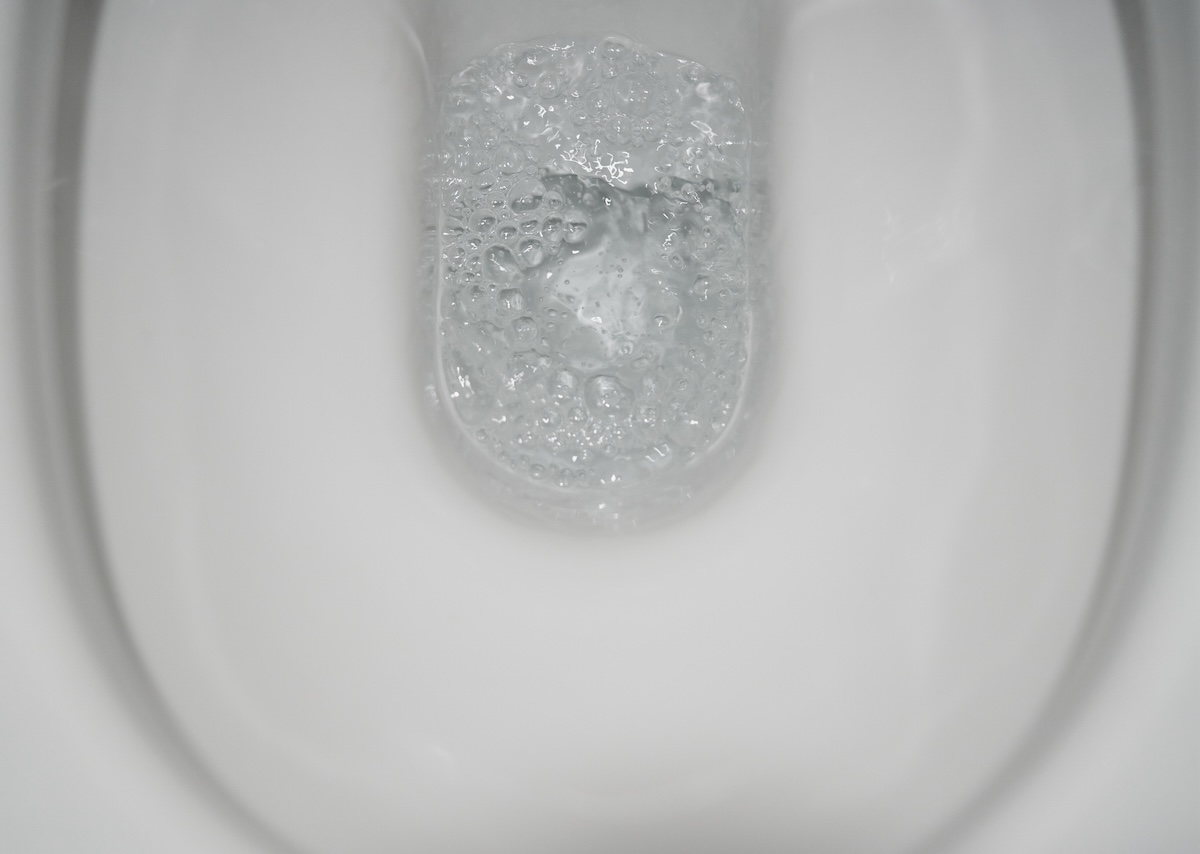
A bubbling toilet is not practicing for a career as a hot tub. It is usually warning you that air or wastewater cannot move freely through part of your plumbing system. The bowl may gurgle when you flush, bubble when the shower runs, or make strange noises after the washing machine drains. Those patterns matter because the toilet is often the messenger, not the source of the problem.
A minor toilet clog may be fixable with a flange plunger or toilet auger. Bubbling that affects several fixtures, however, can point to a blocked vent, a clogged main sewer line, or septic-system trouble. Diagnose the pattern before repeatedly flushing, because one extra “test” can turn an annoying sound into an overflowing bowl.
What a Bubbling Toilet Usually Means
Your drainage system needs airflow as well as water flow. Wastewater travels down drainpipes, while plumbing ventstypically routed through the roofhelp balance pressure and release sewer gases outdoors. When a clog or vent obstruction interrupts that balance, pressure changes force air through the toilet’s water-filled trap. The result is bubbling, glugging, a weak flush, or a rising and falling bowl-water level.
This explains why a toilet can react when another fixture drains. A shower, sink, bathtub, or washing machine may push water past a restriction and send trapped air toward the nearest escape routeoften the toilet bowl.
Find the Cause by Watching When It Bubbles
It Bubbles Only During Its Own Flush
If one toilet bubbles, drains slowly, or rises higher than normal while every other fixture works properly, suspect a partial clog in the toilet trap or nearby drain. Too much paper, waste, wipes, cotton products, or a small object can restrict water and air without completely stopping the flush.
It Bubbles When the Shower or Sink Runs
The fixtures probably share a branch drain or vent. A slow shower strengthens the case for a hair-and-soap blockage in the shared line. If everything drains at normal speed but the toilet still gurgles, a venting problem becomes more likely. Cross-fixture bubbling commonly indicates that air is being displaced by a restriction beyond one fixture.
It Bubbles When the Washing Machine Drains
A washer releases a large volume of water quickly. If that discharge makes a low-floor toilet or tub gurgle, the main drain may be partially blocked. Stop running large water loads until the problem is identified; the next symptom could be wastewater appearing in the lowest shower or floor drain.
Several Fixtures Are Slow or Gurgling
Multiple slow drains, several bubbling toilets, sewage odors, or water backing into a tub are strong signs of a main sewer-line restriction. Tree roots, heavy buildup, shifted joints, or damaged pipe may be involved. Professional camera inspection can locate the obstruction and show whether cleaning or repair is needed.
The Home Uses a Septic System
Gurgling plus slow drains, sewage odors, wet ground near the drain field, or wastewater backup may indicate an overloaded or malfunctioning septic system. Reduce water use and contact a qualified septic provider. The U.S. Environmental Protection Agency advises professional help when a septic system shows signs of failure and recommends flushing only human waste and toilet paper.
How to Fix a Bubbling Toilet Step by Step
1. Stop Flushing and Protect the Area
If the bowl is unusually high, do not flush again. Turn the toilet’s shutoff valve clockwise if water keeps rising, place towels around the base, and keep people and pets away. Avoid using nearby fixtures until you know whether the blockage is isolated or shared.
2. Check Other Drains Carefully
Run a nearby sink for only a few seconds and watch the toilet. Check whether the shower drains slowly, then inspect another bathroom and the lowest drain in the house. If multiple fixtures react, skip repeated DIY attempts and call a drain professional.
3. Use a Flange Plunger
A toilet plunger should have an extended rubber flange that seals inside the bowl outlet. Make sure water covers the plunger head, press down gently to remove trapped air, and then plunge firmly 10 to 20 times without breaking the seal. Pull up sharply on the final stroke. If the bowl clears, perform one cautious test flush. Plungers are the recommended first tool for many ordinary toilet clogs.
4. Try a Toilet Auger
If plunging fails and only one toilet is affected, use a toilet auger. Its protective sleeve is designed to reduce porcelain scratches. Feed the cable into the outlet, rotate the handle gently, and continue until it breaks through or hooks the obstruction. Retract it slowly and test once. Do not force the cable; a rigid object may require removing the toilet rather than pushing the item deeper.
5. Clean a Slow Shower or Tub Drain
If the toilet bubbles only when a nearby shower runs and that shower is slow, remove the stopper and clear visible hair or soap buildup. A small hair-removal tool may solve a shallow clog. If bubbling continues after the shower drains normally, the blockage may be farther down the branch line or in the vent.
6. Treat Roof-Vent Work as a Professional Job
Leaves, twigs, nests, ice, or damaged vent piping can interfere with pressure balance. Although some DIY guides describe using a hose or snake from the roof, the fall risk is serious. A plumber can inspect the vent safely, clear the obstruction, and determine whether the venting layout is adequate.
7. Call a Plumber for Shared-Line Symptoms
Call promptly if plunging changes the water level in another fixture, more than one toilet gurgles, sewage enters a tub, or the problem keeps returning. A professional may use a cleanout, correctly sized drain equipment, hydro jetting where appropriate, or a sewer camera. Do not casually open a backed-up cleanout yourself; sewage can discharge under pressure.
8. Contact Septic Service or the Sewer Utility
For a septic home, limit showers, laundry, and dishwasher use while arranging service. Do not rely on additives to repair a mechanical or drain-field problem. If nearby homes also have backups, or the trouble follows street work or heavy rain, contact the local wastewater utility to ask whether the public main is affected before approving major private-line excavation.
What Not to Do
- Do not repeatedly flush. Every flush adds water behind the blockage.
- Do not pour boiling water into the bowl. Sudden heat may crack porcelain; hot tap water is safer for a soft clog but cannot fix a sewer obstruction.
- Do not mix chemical drain cleaners. They can injure people, harm some piping, and leave hazardous liquid for the plumber who arrives later.
- Do not flush wipes, paper towels, floss, cotton products, or hygiene items. “Flushable” is a marketing word, not a promise from your drainpipe.
- Do not ignore recurring gurgles. A clog that temporarily shifts can return until the actual restriction is removed.
When a Bubbling Toilet Is an Emergency
Stop using water throughout the home and call for help when sewage backs into a shower, tub, sink, or floor drain; several fixtures stop draining; the toilet rises without being flushed; strong sewer odors appear; or contaminated water reaches floors and walls. A deeper blockage or damaged line can worsen and create significant water damage if ignored.
How to Prevent Toilet Bubbling
Flush only waste and toilet paper, use reasonable amounts of paper, and put wipes and hygiene products in the trash. Add strainers to showers and tubs to catch hair. Address slow drains before several fixtures begin reacting. If roots have entered an older sewer line before, periodic camera inspections may help catch another intrusion early. Septic owners should follow a pumping and inspection schedule based on household use, tank size, and local guidance.
Homeowner Experiences: Lessons From Common Bubbling-Toilet Scenarios
The following are composite examples based on common household situations. They illustrate why the timing and location of the bubbling matter as much as the sound itself.
Experience 1: The “One More Flush” Mistake
A homeowner sees an upstairs toilet rise slowly after a heavy-paper flush. It makes one hollow glug and eventually settles, so the natural response is to flush again “just to make sure.” The second flush brings the water close to the rim. At that point, the problem is no longer theoretical; one more test could redecorate the floor.
The homeowner stops, waits for the bowl level to fall, and uses a flange plunger. Other drains are normal, which supports the local-clog theory. After several controlled strokes, the water clears with a strong pull. The lesson: plumbing problems rarely improve because you press the handle with increased confidence.
Experience 2: The Shower Makes the Toilet Talk
Another homeowner hears bubbles whenever the shower runs for several minutes. The toilet flushes normally, so attention first goes to the tank parts. Nothing is loose or leaking. Then the homeowner notices that the shower has become slightly slower, especially after several family members bathe.
Cleaning hair from the stopper helps, but an occasional gurgle remains. A plumber later clears buildup farther down the shared bathroom branch. The useful takeaway is that a visible shallow clog and a deeper restriction can coexist. Removing the hair was worthwhile, but it did not automatically prove that the entire line was clear.
Experience 3: Laundry Day Exposes the Main Line
In a one-story house, the toilet behaves perfectly until the washing machine drains. Then the bowl bubbles and the nearby tub produces a low growl. Plunging the toilet moves water in the tub instead of solving anything. That cross-fixture reaction is the clue: the obstruction lies beyond the point where those drains connect.
The household stops using water and calls a drain specialist. A camera inspection finds root intrusion in the exterior sewer line. Cleaning restores flow, and the video helps the owners plan a lasting repair. The washing machine acted like an accidental stress test because its rapid discharge exposed a restriction that a gently running faucet did not.
Experience 4: Septic Trouble Wearing a Toilet Costume
A rural homeowner notices gurgling in the lowest bathroom after several rainy days. Laundry and showers are also slower, and the ground near the drain field looks unusually wet. Plunging changes nothing for long. Those clues point away from one toilet and toward the septic system.
The family reduces water use and calls a septic professional to evaluate the tank, components, and drain field. Acting quickly also limits the amount of wastewater entering an already stressed system and reduces the risk of sewage backing into the home. The larger lesson is that the toilet is often the messenger. Treating only the bowl when several drains are slow is like replacing a smoke-detector battery while the toast is still burning.
Conclusion
A bubbling toilet usually means your plumbing cannot move air or wastewater freely. One affected toilet often suggests a local clog; several reacting fixtures suggest a shared branch, vent, main sewer line, or septic problem. A flange plunger and toilet auger can solve many isolated clogs, but recurring bubbles, sewage backup, multiple slow drains, and suspected vent or sewer damage deserve professional attention. Act early, use water sparingly, and remember: your toilet should flush, not offer commentary.
Note: This article provides general home-maintenance guidance. Plumbing layouts and local codes vary. Stop using affected fixtures and contact a licensed plumber, septic provider, or wastewater utility when sewage backs up, multiple drains fail, or safe access is uncertain.