Note: This article is based on publicly reported information from reputable U.S. news, entertainment, legal, and media-history sources. It avoids unnecessary graphic detail while focusing on pop culture, comedy, advertising, and brand reputation.
Introduction: When a Cameo Turns Into a Time Capsule With Mold on It
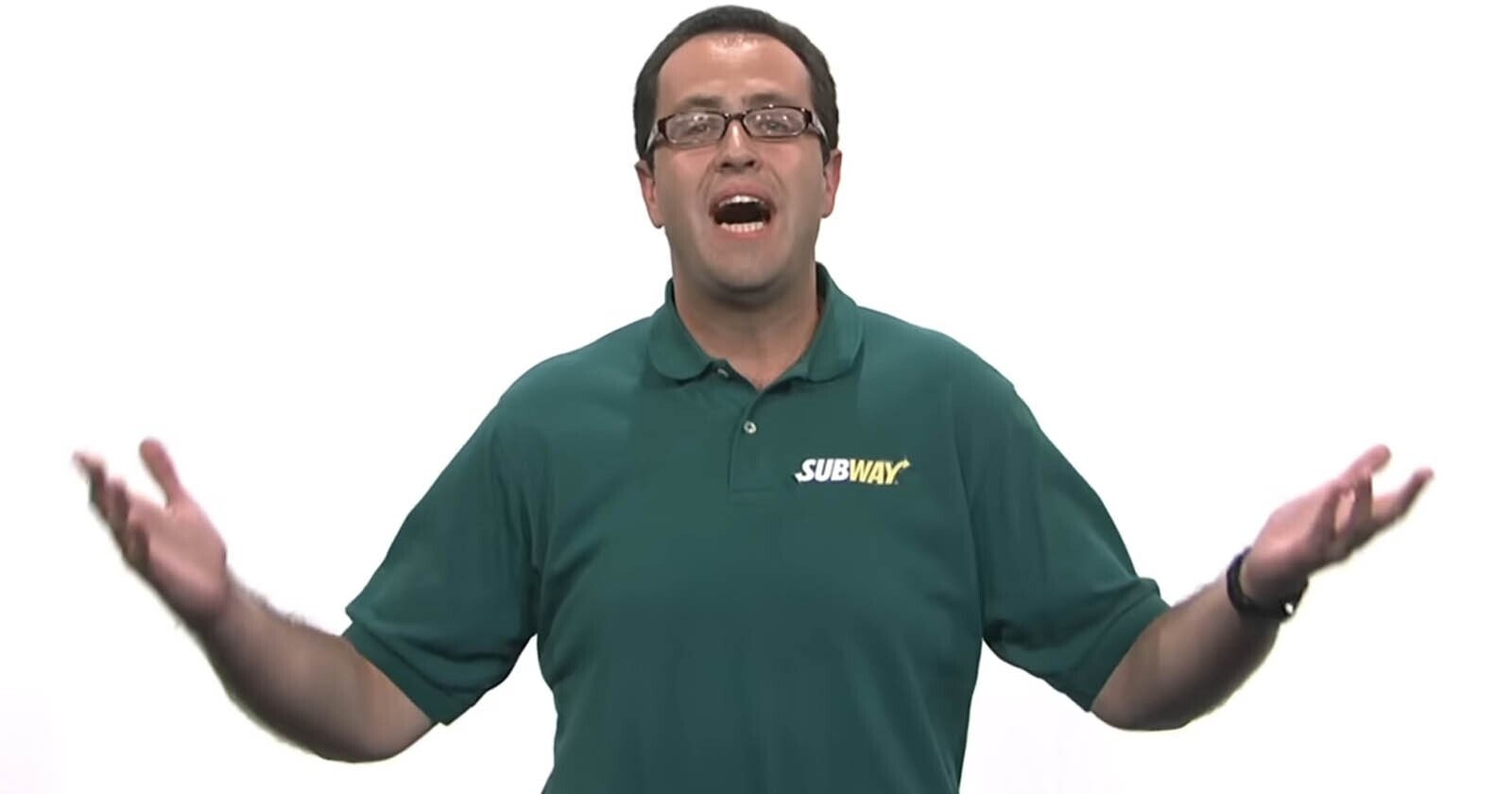
Some pop-culture moments age like fine wine. Others age like unrefrigerated deli meat left under fluorescent lighting. Jared Fogle’s appearances connected to Saturday Night Live fall squarely into the second category. Once known nationally as “Jared from Subway,” Fogle was a marketing phenomenon: the everyday guy who supposedly turned sandwiches, walking, and oversized pants into a feel-good fast-food redemption story. Then came the criminal case that permanently changed how the public viewed his name, his commercials, and every old joke that treated him as harmless shorthand for “Subway guy.”
The title may sound like a comedy roast, but the topic sits at a strange intersection of advertising history, sketch comedy, celebrity culture, and hindsight. Jared Fogle’s SNL-related moments are not just awkward because audiences now know what happened later. They are awkward because they reveal how easily American pop culture can turn a corporate spokesperson into a punchline, a guest star, and almost a mascot of normalityuntil normality collapses like a soggy sandwich wrapper in a rainstorm.
This article looks at the real story behind Jared from Subway, his SNL cameos and references, why they now feel so uncomfortable, and what marketers, comedy writers, and viewers can learn from the whole stale-footlong saga.
Who Was Jared from Subway Before the Scandal?
Before becoming one of the most infamous fallen pitchmen in American advertising, Jared Fogle was widely recognized as the face of Subway. His public image was built around a simple transformation story: he had lost a large amount of weight, and Subway positioned him as proof that its sandwiches could fit into a healthier lifestyle. In the early 2000s, this was marketing gold. Fast food was often framed as greasy, heavy, and guilty. Subway offered an alternative image: fresh vegetables, leaner choices, and a guy holding up enormous old pants like a magician who had just made calories disappear.
The campaign worked because it felt personal. Jared was not a movie star, athlete, or celebrity chef. He seemed like an ordinary person with an extraordinary before-and-after story. That made him useful to Subway and memorable to consumers. His image became tied to the chain’s “Eat Fresh” era, when Subway was trying to stand apart from burger giants and fries-first fast food.
By the late 2000s, Subway also had another cultural rocket: the Five-Dollar Footlong. The deal became a recession-era comfort object, helped by a jingle that lodged itself in America’s collective brain like a pop-up ad with a gym membership. Together, Jared’s weight-loss story and the value-focused footlong campaign made Subway feel everywhere. Commercials, sports tie-ins, talk-show jokes, late-night referencesSubway had achieved what brands dream about: cultural shorthand.
Why SNL Wanted Jared in the Joke
Saturday Night Live has always fed on recognizable figures. Politicians, athletes, actors, viral celebrities, ad icons, mascots, musicians, reality starsif America knows your face, SNL might borrow it for a sketch. Jared Fogle was not famous in the glamorous sense, but he was famous in the extremely useful comedy sense. Viewers knew him instantly. He came pre-loaded with context: Subway, weight loss, sandwiches, ads, and the slightly odd experience of seeing a fast-food spokesperson treated like a celebrity.
That made him easy comedy fuel. A Jared cameo did not require a long setup. The audience understood the joke before the sketch finished chewing. He represented a specific kind of 2000s brand celebrity: not quite a star, not quite a civilian, but famous enough to get applause from a studio audience.
The 2002 “Bambi 2002” TV Funhouse Moment
One of the stranger SNL-connected appearances came through TV Funhouse, the animated segment associated with Robert Smigel. In the “Bambi 2002” parody, an animated version of Jared appears as part of the absurdist comedy universe. On paper, it fits the period perfectly. Jared was a recognizable figure, and TV Funhouse thrived on mixing childish animation with adult satire, media parody, and aggressively weird cultural references.
Watching it now, however, the cameo no longer lands as simple pop-culture silliness. It feels like opening an old lunchbox and finding something inside that should have been thrown away years ago. The joke depends on Jared being a benign symbol. Hindsight turns that assumption into the uncomfortable part.
The 2008 Michael Phelps Episode
Another major moment came when Olympic swimmer Michael Phelps hosted SNL in 2008 after his historic performance at the Beijing Olympics. The episode leaned into Phelps’ athletic fame and massive public attention. A sketch parodying the idea of the “Michael Phelps diet” included Jared Fogle, whose Subway-based identity made him a natural contrast to the high-calorie world of elite athletic training.
At the time, the joke was obvious: Phelps was famous for eating an enormous training diet, while Jared was famous for weight loss and Subway. Put them together, and the comedy practically assembled itself like a sandwich artist during the lunch rush. The audience reaction made sense then. Jared was a familiar ad-world celebrity, and the cameo was designed to be quick, recognizable, and goofy.
Today, the same clip feels different. It is not just “dated.” Plenty of comedy is dated and still charming. This is dated in a way that makes the viewer mentally step backward. The laugh now arrives with a grim little asterisk.
The 2021 “Subway Pitch” Sketch
By 2021, SNL was no longer treating Jared as a safe cameo. In a John Krasinski-hosted episode, the show included a “Subway Pitch” sketch in which out-of-touch advertising men suggest bringing Jared back. The point of the sketch is that the idea is obviously terrible. That is the evolution in one neat package: Jared went from cameo-worthy ad icon to radioactive marketing reference.
The 2021 sketch works because everyone in the room understands the name is no longer neutral. The humor comes from corporate cluelessness, nostalgia gone wrong, and the absurdity of reviving a disgraced spokesperson. In other words, SNL eventually made the discomfort part of the joke rather than accidentally becoming trapped inside it.
The Criminal Case That Changed Everything
In 2015, Jared Fogle’s public image collapsed after a federal investigation and criminal proceedings involving child exploitation offenses. He pleaded guilty and received a prison sentence of more than 15 years. Subway cut ties with him, removed references to him from its marketing, and moved away from the brand identity that had made him famous.
For obvious reasons, that history changed the meaning of every earlier appearance. What was once a lighthearted cameo became a deeply uncomfortable artifact. This is not the kind of celebrity scandal where old clips merely become awkward because someone said something foolish or had a messy public feud. The seriousness of the crimes means the past cannot be watched with the same breezy detachment.
That is why the phrase “aged poorly” feels almost too mild. A six-week-old Five-Dollar Footlong is gross. This is worse. The sandwich metaphor works only because pop culture often needs humor to talk about discomfort without pretending it is harmless.
Why These Cameos Feel So Bad Now
Jared’s SNL moments age badly because they depend on trust. Not deep personal trust, but cultural trust. The audience trusted that he was simply “the Subway guy.” Brands trusted that he was a safe face. Comedy writers trusted that he could function as a harmless reference. Viewers trusted the public narrative.
When that trust breaks, old media becomes strange. The footage did not change, but the context did. A line that once sounded like harmless brand humor now feels cursed. The applause now sounds naïve. The cameo now looks less like a fun surprise and more like a reminder that fame often asks audiences to accept a simplified version of a person.
The Problem With Brand Mascot Humans
There is a reason companies often prefer cartoon mascots, animals, or fictional characters. A gecko will not get indicted. A tiger will not ruin your breakfast cereal campaign with federal charges. A human spokesperson, however, carries human risk. That risk grows when the campaign depends on personal authenticity.
Jared was not just holding sandwiches. He was selling his life story. Subway’s campaign blurred the line between product and person, which made the marketing powerful but also fragile. Once the person became indefensible, the brand story became contaminated.
Comedy’s Hindsight Problem
Sketch comedy is built for the present tense. It grabs whatever is floating through the culture that week and turns it into jokes. That makes it exciting, but it also means old sketches can become accidental museums of bad assumptions. SNL has decades of examples: political jokes that hit differently, celebrity impressions that now feel odd, and references that require footnotes longer than the sketch itself.
Jared’s cameos are a sharper version of that problem. They remind us that comedy often borrows public reputation as raw material. If that reputation later collapses, the joke can collapse with it.
What the Cameos Say About 2000s Pop Culture
The 2000s were a golden age for oddly specific fame. Reality TV, cable news, daytime talk shows, viral ads, and early internet culture created celebrities out of almost anyone with a hook. Jared’s hook was simple: weight loss through Subway. It was memorable, repeatable, and easy to parody. That made him perfect for commercials and late-night comedy.
But the era also rewarded oversimplified stories. A man lost weight, so he became a symbol of discipline. A sandwich chain sold lower-calorie options, so it became a symbol of freshness. A spokesperson appeared friendly, so he became safe for family-facing marketing. The public version was clean, convenient, and easy to package.
That is what makes revisiting the SNL cameos so revealing. They are not just clips of a disgraced celebrity. They are evidence of how smoothly media, advertising, and comedy can collaborate to flatten a person into a logo.
The Five-Dollar Footlong Metaphor: Cheap, Catchy, and Impossible to Forget
The Five-Dollar Footlong campaign remains one of Subway’s most memorable promotions. It was simple, recession-friendly, and powered by repetition. People remembered the price. They remembered the sandwich size. They remembered the ads even when they wished they did not. In marketing terms, that is a win. In brain-space terms, it was a tiny commercial landlord who refused to move out.
Connecting that phrase to Jared’s SNL cameos works because both belong to the same Subway-dominated era. They represent a time when the brand was everywhere and seemed culturally bulletproof. But just as a six-week-old sandwich becomes a health hazard, old celebrity branding can become a reputation hazard when new facts surface.
The metaphor is funny because it is disgusting. It is also accurate because stale advertising does not merely become old. Sometimes it becomes unwatchable.
Lessons for Brands: Do Not Build the Whole Deli Counter on One Guy
For marketers, the Jared story is a cautionary tale in spokesperson risk. Human stories can be persuasive, but brands need guardrails. A company should never let one personality become so central that removing him requires emergency surgery on the entire brand identity.
Modern brands have learned this lesson in different ways. They diversify campaigns, use broader storytelling, rely on values instead of single faces, and prepare crisis plans before the crisis arrives wearing a name tag. Authenticity still matters, but smart authenticity does not mean handing the keys to the whole franchise to one celebrity pitchman.
Reputation Management Is Not Optional
Brands also need to understand that old content does not disappear. Commercials, sketches, interviews, screenshots, and clips remain searchable. The internet is not a filing cabinet; it is a haunted storage unit with Wi-Fi. Once a public figure becomes controversial, every past collaboration can be rediscovered and reinterpreted.
That does not mean brands and comedy shows can predict every future scandal. They cannot. But they can avoid overdependence, respond quickly, and acknowledge reality instead of pretending an old campaign never existed.
Lessons for Comedy: The Joke Is Only as Stable as the Reference
For comedy writers, Jared’s SNL history shows the risk of relying on celebrity recognition without deeper commentary. A cameo can get easy applause, but easy applause has a short shelf life. When the celebrity’s image changes, the joke may lose its foundation.
The 2021 “Subway Pitch” sketch demonstrates a more durable approach. Instead of using Jared as a cheerful surprise, it uses the very idea of bringing him back as the joke. The target is not nostalgia itself, but clueless nostalgiathe kind that remembers the ad campaign and forgets the reason it ended.
That is a better comic angle because it includes the context. It does not ask the audience to pretend. It asks the audience to recognize how absurd pretending would be.
Why Audiences Keep Revisiting These Clips
People revisit poorly aged media because it gives them the eerie thrill of hindsight. It is the same reason viewers watch old interviews with celebrities before scandals, old commercials featuring products that vanished, or old predictions that turned out hilariously wrong. We like seeing the gap between what people knew then and what we know now.
With Jared from Subway, that gap is especially wide. The old clips show applause, casual jokes, and brand familiarity. The later reality makes all of it feel deeply uncomfortable. The contrast is the story.
There is also a broader cultural lesson: fame is not character evidence. A person being in commercials, appearing on television, or getting studio applause does not prove they are admirable. It proves they are recognizable. That distinction matters.
Experience Section: Watching Old Media With New Eyes
Anyone who has ever fallen into a late-night YouTube rabbit hole knows the feeling. You start by looking up one old commercial or sketch, thinking it will be a quick nostalgia snack. Ten minutes later, you are staring at a clip from 2008 with the expression of someone who just found a mystery container in the back of the fridge. The label says “probably fine.” Your nose strongly disagrees.
That is the experience of revisiting Jared from Subway’s SNL moments now. The first reaction is usually recognition. You remember how famous he was, how often Subway appeared in daily life, and how normal it seemed for a sandwich spokesperson to pop up in comedy. Then the second reaction arrives: discomfort. The old joke depends on a version of reality that no longer exists.
This is what makes the topic more than a simple “aged badly” listicle. Many old jokes age badly because language changes, technology changes, or celebrities become less relevant. Jared’s cameos age badly because the moral context changed completely. The audience is not merely thinking, “Wow, that reference is dated.” The audience is thinking, “How did this person become so widely accepted in the first place?”
For viewers, that creates a strange double vision. You can understand why the sketch worked at the time while also feeling that it is nearly impossible to laugh at it the same way now. That does not mean every person involved should have known the future. It means the clip has become a cultural artifact. It tells us something about trust, advertising, and the speed with which media turns people into symbols.
There is also a personal nostalgia trap here. The Subway era of the 2000s was ordinary for many Americans: lunch breaks, mall food courts, sports broadcasts, school trips, office catering, and that unavoidable footlong promotion. Jared was part of that background noise. He was not someone most people actively admired; he was just there, like a poster on the wall or a jingle in the air. That is why the later revelations felt so jarring. A familiar background figure had become associated with something deeply serious and harmful.
Watching the SNL clips today is like seeing a photo from a party where everyone is smiling, then learning something terrible was happening outside the frame. The smiles were real, but the photo no longer feels innocent. Context has walked into the room, pulled up a chair, and ruined the buffet.
For content creators, this experience is a reminder to be careful with easy nostalgia. Not every old reference deserves revival. Not every familiar name is worth squeezing for one more joke. Sometimes the smartest creative decision is to let the stale sandwich stay in the trash where it belongs.
For brands, the lesson is even clearer: build campaigns around values, products, and communitiesnot just one human mascot. A person can make a brand feel relatable, but a brand should never become so dependent on that person that the entire identity spoils when the spokesperson does.
And for audiences, maybe the lesson is simple: old media is not frozen in time. It travels forward with us. The clips stay the same, but we do not. We bring new knowledge, new standards, and new discomforts to the screen. Sometimes that makes old comedy richer. Sometimes it makes it unbearable. In Jared from Subway’s case, it makes the cameos feel like a six-week-old Five-Dollar Footlong: once marketed as a deal, now best handled with gloves.
Conclusion: The Cameo That Became a Warning Label
Jared from Subway’s SNL cameos and references are uncomfortable today because they capture a before-and-after that no editor can fix. Before, he was a quirky fast-food celebrity. After, he became a disgraced former spokesperson convicted of serious crimes. That transformation changed the meaning of every old joke, every cameo, and every burst of applause.
The story is not just about one fallen pitchman. It is about how pop culture manufactures trust, how advertising turns people into symbols, and how comedy borrows those symbols for quick laughs. Sometimes the joke survives. Sometimes the joke becomes evidence. And sometimes it ages about as well as a sandwich nobody should have left in the fridge in the first place.