There are two kinds of people in the world: those who make one cup of herbal tea… and those who accidentally start a small, fragrant beverage economy in their kitchen. If you’ve ever tried to brew a crowd (or just your future self) with a tiny mug infuser, you already know why a large herbal tea pot is a real upgrade: better flavor, less fuss, and far fewer trips back to the kettle.
This guide breaks down what to look for in a big, herb-friendly potmaterials, infuser styles, brewing technique, cleaning, and the little design details that separate “cozy ritual” from “why is this dripping on my socks?”
What “Large” Really Means (and Why It Matters for Herbs)
In teapot land, “large” usually starts around 40 ounces (about 5 cups) and can climb to 60 ounces or more. That size range is perfect for:
- Entertaining: one pot that serves a few people without turning you into a full-time kettle operator.
- Meal prep for your hydration: brew once, pour hot now, chill the rest for later.
- Herbs that need room: flowers, chopped leaves, and fluffy blends expand dramatically. Cramped infusers make them sad (and weak).
Herbal blends are often bulkier than true tea leaves. Give them space and they’ll reward you with fuller aroma, clearer flavor, and fewer tiny particles sneaking into your cup like uninvited confetti.
Material Matters: Pick the Pot That Matches Your Brewing Style
A large herbal tea pot isn’t just a container; it’s a heat manager, a flavor guardian, and sometimes a countertop centerpiece. Here’s how common materials behave in real life.
Borosilicate Glass: The “Look at My Beautiful Brew” Choice
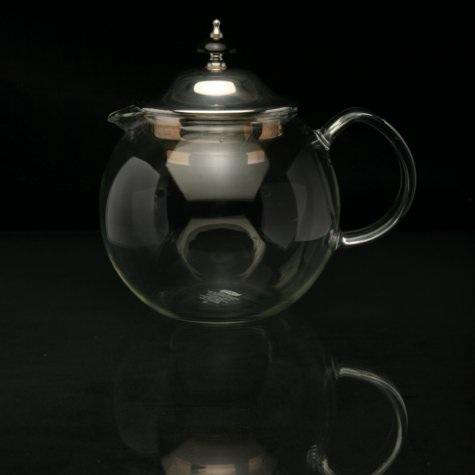
Glass teapots are popular for herbal tea because you can see what’s happeningchamomile blossoms floating, hibiscus turning the water ruby, citrus peels doing their zesty thing. Heat-resistant glass (often marketed as borosilicate) is also neutral in flavor, so mint won’t haunt your next pot of rooibos.
Best for: delicate florals, fruit blends, blooming teas, and anyone who enjoys a little tea theater.
Watch-outs: glass loses heat faster than heavier materials. If you love long steeps, preheat the pot (more on that later) or pair it with a cozy/warmer.
Stainless Steel: The “I’m Here for Function” Workhorse
Stainless steel teapots are durable, travel well between kitchen and patio, and tend to retain heat better than plain glass. They’re also great for strong herbal blends because they don’t absorb odors and usually clean up fast.
Best for: daily use, busy households, and herbs that like hotter water.
Watch-outs: ultra-lightweight metal can cool quickly; thicker, double-wall designs help. Also, choose food-grade stainless components for the infuser and interior contact surfaces.
Ceramic: The Cozy, Heat-Hugging Classic
Ceramic teapots feel like a warm sweater for your hands. They hold heat well, look charming on a table, and make herbal tea feel like a proper occasioneven if you’re wearing sweatpants and negotiating with a laptop.
Best for: long steeps and serving at the table.
Watch-outs: avoid decorative pottery not intended for food use, and stick with reputable, food-safe glazes (especially if you’re brewing acidic ingredients like lemon or hibiscus).
Cast Iron: The Heat-Retention Champion (Often Enamel-Lined)
Cast iron teapots (commonly enamel-lined) are famous for holding heat like it’s their jobbecause it is. They can be excellent for keeping a big pot warm during a long chat, book club, or “I’ll just watch one episode” marathon.
Best for: heat retention and steady serving.
Watch-outs: many are not meant for direct stovetop boiling unless explicitly designed for it; enamel can be chipped by metal utensils.
The Infuser Question: Built-In, Basket, or “Help, It’s a Tea Ball”?
For herbal tea, the infuser is as important as the pot. A large pot is only “large” if the herbs can expand freely.
Go for a Full Basket Infuser
A roomy basket-style infuser lets herbs swirl and hydrate properly, which improves extraction and reduces sediment. Bonus points if the lid doubles as a drip traybecause nobody wants to play “Find the Wet Spot” on the counter.
Fine Mesh vs. Big Holes
If you brew powders or fine-cut herbs (like rooibos dust, lemongrass bits, or crushed spice blends), look for fine mesh. If you mostly brew whole leaves and flowers, slightly larger perforations can be easier to clean.
Skip Tiny Tea Balls for Big Pots
Tea balls are cutelike tiny metal space helmets for your herbs. But in a large herbal tea pot, they can be too cramped. Herbs need room to bloom, not a studio apartment.
Size and Design Details That Make (or Break) the Experience
Wide Opening = Easier Filling and Cleaning
A wide mouth makes it easier to add bulky herbs and to clean out spent botanicals. If you’ve ever tried to fish soggy peppermint through a narrow spout, you deserve better.
A Drip-Resistant Spout
Look for a spout shape that pours cleanly. Drips are not a personality trait; they’re a design problem.
A Secure Lid (That Doesn’t Launch Itself)
The lid should stay put while pouring. Some designs include a notch or a silicone ring. Either way, your goal is: pour tea, not perform a juggling act.
Comfortable Handle, Balanced Weight
A full large teapot can be heavy. A heat-safe, ergonomic handle and a stable base are the difference between “host energy” and “I regret everything.”
How to Brew Herbal Tea in a Large Pot (Without Making Plant Soup)
Herbal tea is forgiving, but a few tweaks make a big difference in flavor, clarity, and aromaespecially when you’re brewing a lot at once.
1) Start with Good Water
Herbal blends can taste flat if your water is stale or heavily chlorinated. Use fresh, cold water from the tap (or filtered water if your water has a strong taste). Then heat it properly.
2) Nail the Temperature (Usually Boiling, Sometimes Not)
Many herbal teas do well with water at or near a full boil. Tougher ingredientslike dried ginger, cinnamon chips, or rootsoften benefit from hotter water and longer contact time. Very delicate flowers (like lavender-heavy blends) may taste better with slightly cooler water to keep aromas bright instead of “perfumey.”
3) Use a Simple Ratio, Then Adjust Like a Grown-Up
A practical starting point for most loose herbal blends is:
- 1 to 2 teaspoons per 8 ounces of water for light-to-medium blends
- 2 to 3 teaspoons per 8 ounces for fluffy, mild herbs (chamomile, lemon balm) or if you like it strong
For a 48-ounce pot, that’s roughly 6–12 teaspoons depending on how intense the blend is. If that feels imprecise, congratulationsyou are now brewing like most tea lovers: adjust based on taste and the herb mix in front of you.
4) Cover While Steeping
Covering the pot helps retain heat and volatile aromatics (that’s where a lot of the “wow” lives). If your pot doesn’t have a snug lid, even a small saucer placed over the opening helps.
5) Steep Longer Than You Think (Herbs Can Take It)
Unlike many true teas, most herbal blends won’t get bitter from tannins in the same way. Many taste best at 5–10 minutes, and some “sleepy” blends and spice-forward mixes hold up well even longer. Taste at 5 minutes, then keep going until it makes you happy.
6) Know When to Simmer: Infusion vs. Decoction
Here’s the secret handshake of herbal tea:
- Infusion: pour hot water over leaves/flowers; steep off heat.
- Decoction: gently simmer tougher ingredients (roots, bark, mushrooms) to extract more.
If your blend contains mostly roots or bark, you can simmer those ingredients first in a pot (or a stovetop-safe glass/steel vessel), then pour the finished liquid into your teapot for serving. This keeps your teapot happy and your tea properly bold.
Keeping a Large Pot Hot (Without Turning It Into a Science Experiment)
Preheat the Pot
Before brewing, rinse the pot with hot water and let it sit for about 30 seconds, then discard. This simple step reduces the temperature drop when you add brewing waterespecially important with glass or thin metal.
Use a Tea Cozy or Warmer
If you like slow sipping, a cozy is the low-tech hero. For glass teapots, a warmer can help toojust make sure the teapot is designed for it and follow the manufacturer’s guidance.
Cleaning and Care: How to Keep Flavors Clean and the Pot Looking New
Rinse Immediately
Herbal residue dries like glue with ambition. A quick rinse right after pouring saves you later scrubbing drama.
Deep Clean Weekly (or After Very Staining Herbs)
Hibiscus, turmeric, and heavily spiced blends can stain. A gentle soak with warm water and a little dish soap often works. For mineral buildup or stubborn tea film, many people use a mild acid rinse (like diluted vinegar), then rinse thoroughly. Avoid harsh abrasives on enamel or delicate glass.
Don’t Ignore the Infuser
Fine mesh can trap tiny particles. Tap it out, rinse from the outside in, and use a soft brush if needed. A clean infuser means cleaner flavor and fewer “mystery specks.”
Quick Buying Checklist for a Large Herbal Tea Pot
- Capacity: 40–60+ ounces for family-size brewing
- Infuser: large basket, removable, easy to clean
- Material: glass for visibility; steel for durability; ceramic/iron for heat retention
- Pour: drip-resistant spout and stable lid
- Cleaning: wide opening; dishwasher-friendly if you want low effort
- Heat plan: cozy/warmer compatibility if you sip slowly
Common Mistakes (So You Can Skip the Learning Curve)
Overfilling the Infuser
If herbs can’t expand, they can’t extract evenly. Fill the basket loosely, like you’re tucking in a tiny herbal duvet.
Leaving Herbs in the Pot Forever
Even if herbs don’t get tannin-bitter, they can get overly intense or “muddy” with very long steeps. If you’re brewing a big pot for later, remove the infuser once it tastes right.
Assuming Every Pot Is Stovetop-Safe
Some glass teapots can handle direct heat; many cannot. Same for cast iron and ceramic. When in doubt, heat water in a kettle, then brew in the teapot.
FAQ: Large Herbal Tea Pot Questions People Actually Ask
Can I make iced herbal tea in a large teapot?
Yes. Brew a slightly stronger batch, then cool and refrigerate. For ultra-smooth flavor, try cold brewing: steep herbs in cool water in the fridge for several hours, then strain. It’s basically herbal tea’s “no drama” mode.
Do I need a separate pot for mint?
If your pot is stainless steel or glass, usually nothose materials don’t hold odors much. Porous materials or older ceramic glazes can sometimes hold strong aromas. If everything you brew starts whispering “mint,” do a deeper clean and consider dedicating one infuser to the most aromatic blends.
What’s the best large herbal tea pot for entertaining?
Look for a 50–60 ounce capacity, a stable base, a clean pour spout, and a basket infuser you can remove quickly. Hosting is hard enough; your teapot should be on your side.
Conclusion: The Big Pot Advantage
A large herbal tea pot makes herbal tea easier to brew, nicer to serve, and more consistent from cup one to cup five. Pick a material that matches your style, insist on a roomy infuser, and use small technique upgradeslike preheating and covering while steepingfor noticeably better flavor. Then sit down and enjoy the one thing a large teapot offers that no gadget can: time.
Experiences With a Large Herbal Tea Pot (500+ Words)
A large herbal tea pot changes the rhythm of a day in a way that’s hard to appreciate until you live with one. The first noticeable difference is psychological: when you brew a big pot, you’re not “making a drink,” you’re setting a tone. It’s the difference between tossing a granola bar in your mouth and laying out a brunch board. Same calories, wildly different vibes.
In group settings, the big pot becomes a quiet host. You can greet people, plate snacks, and still keep everyone’s hands warmwithout disappearing every ten minutes to “just boil water real quick.” A clear glass pot adds instant entertainment value. People notice the color shift in hibiscus, the swirl of citrus peel, the way chamomile blossoms float like tiny rafts. It gives the table a centerpiece that’s useful, not just decorative.
On solo days, the large pot is basically meal prep for your nervous system. Brew a pot mid-morning, pour one mug, and you’ve got a second (and third) serving waiting. If you work from home, it’s a gentle boundary: instead of wandering to the kitchen repeatedly, you can batch your break. And if you’re trying to drink less coffee, a large pot makes the alternative feel abundant rather than deprivinglike you’re upgrading, not giving something up.
A big pot also encourages experimentation because the “cost” of trying a blend is low. You can split one batch into two personalities: brew a simple ginger-mint base, then add lemon to half and honey + cinnamon to the other half. Or steep a floral blend for five minutes, remove the infuser, and then add a few crushed cardamom pods to the hot liquid for a short, spicy finish. You’re not stuck with one cup’s worth of decisionsyour teapot can handle nuance.
Seasonally, the large teapot turns into a multitool. In summer, it’s an easy on-ramp to iced tea: brew stronger, cool it down, and keep it in the fridge so you’re not starting from scratch every time you want something cold and interesting. In winter, the same pot becomes a warmth station. A cozy around a ceramic pot on the table turns sipping into an activity, not an afterthought. It’s surprisingly grounding to have something warm available that isn’t “another email.”
There are learning moments, too. The first time someone overfills the basket, the herbs swell up and the tea tastes oddly weakbecause water couldn’t circulate. The first time you leave peppermint in the pot for an hour, you discover what “minty” really means. And the first time you preheat the pot, you realize how much heat your teapot used to steal from the brew. These are small, low-stakes lessons that make you better at making every kind of hot drink, not just tea.
Even cleanup becomes part of the ritual. With a wide opening and a removable infuser, you can dump spent herbs in one motion, rinse, and be done. Compare that to the “tiny tea ball excavation” experience, where you pick wet bits out of mesh while questioning your life choices. A large pot with a sensible infuser is a little act of kindness to your future self.
Most of all, a large herbal tea pot invites sharing. Even if you’re alone, it creates the option to pour a second cup for a neighbor, a partner, or a friend who “just stopped by for a minute.” It’s hard to be grumpy when someone hands you something warm that smells like ginger and orange. If that’s not functional magic, what is?