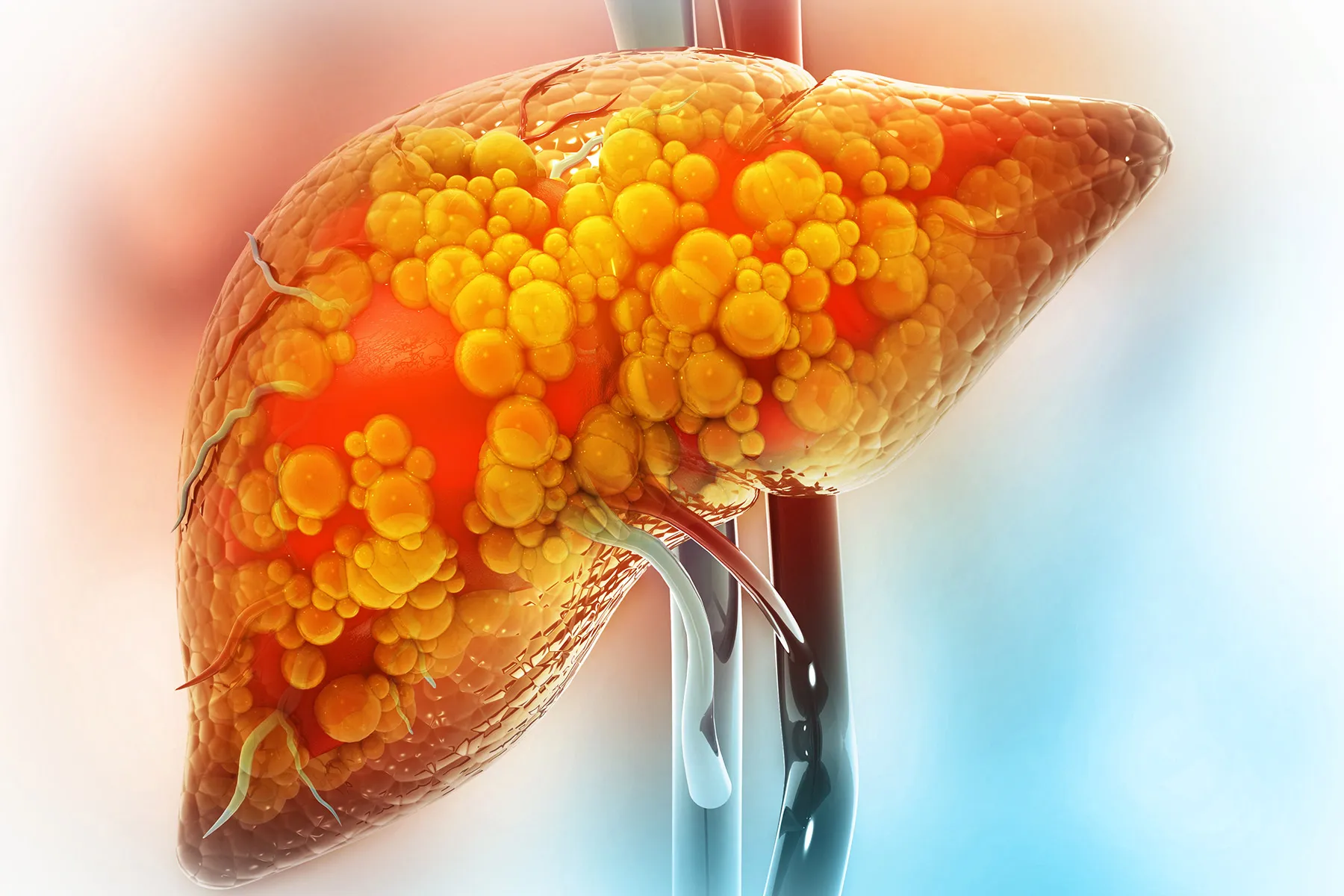
Your liver is the quiet overachiever of the body. It filters blood, helps process nutrients, stores energy, and generally keeps the whole operation from turning into a sitcom disaster. The trouble is, when the liver is under stress, it often does not make a lot of noise at first. That is exactly what makes MASH symptoms so tricky.
MASH stands for metabolic dysfunction-associated steatohepatitis. It is the newer name for what many people used to know as NASH. In plain English, it means fat has built up in the liver and is now causing inflammation and damage. Not every fatty liver turns into MASH, but when it does, the condition becomes more serious because scarring can develop over time.
Here is the sneaky part: many people with MASH feel perfectly fine for years. No dramatic warning siren. No neon sign blinking “check your liver.” Sometimes the first clue is a routine blood test, an ultrasound done for another reason, or a doctor connecting the dots between obesity, type 2 diabetes, high triglycerides, high blood pressure, and abnormal liver enzymes.
This article breaks down the signs of MASH, the symptoms you might notice, the clues doctors look for, and the real-life patterns that make this liver disease so easy to miss.
What Is MASH, Exactly?
MASH is part of a broader group of conditions called MASLD, short for metabolic dysfunction-associated steatotic liver disease. MASLD means there is excess fat in the liver associated with metabolic risk factors. MASH is the more aggressive form, where fat buildup is joined by inflammation and liver cell injury.
Think of MASLD as the umbrella and MASH as the storm cloud under it. A person can have fat in the liver without major inflammation for years. But once inflammation and damage show up, the risk of fibrosis, cirrhosis, liver failure, and liver cancer rises. That is why recognizing MASH symptoms matters, even when they seem vague or mild.
Why MASH Symptoms Are Easy to Miss
If MASH were a personality type, it would be “quietly causing trouble in the background.” Early disease often causes few or no symptoms. Even when symptoms do appear, they can be so nonspecific that people blame them on stress, poor sleep, aging, a busy schedule, or one too many drive-thru lunches.
Common early complaints such as fatigue, low energy, or a dull ache in the upper right abdomen do not exactly scream “liver inflammation.” That is one reason so many cases are discovered by accident. A patient gets annual lab work, or imaging for kidney stones, or a workup for diabetes, and the liver suddenly enters the chat.
Another reason MASH hides so well is that it often develops alongside other conditions. If someone already has obesity, insulin resistance, sleep apnea, or type 2 diabetes, it can be hard to separate what symptom belongs to what problem. The body, frankly, is not always a tidy filing cabinet.
Early MASH Symptoms: The Subtle Clues
In the early stages, MASH symptoms are often mild and frustratingly ordinary. Still, there are a few signs that come up again and again.
1. Fatigue That Feels Bigger Than Your Schedule
Fatigue is one of the most commonly reported symptoms. This is not just “I stayed up too late binge-watching a show” tired. It may feel like a low, stubborn drain on your energy. Some people describe it as moving through the day with the parking brake half on.
Because fatigue has a hundred possible causes, it is not useful by itself. But if it shows up along with metabolic risk factors and abnormal liver tests, it becomes more meaningful.
2. Discomfort in the Upper Right Side of the Abdomen
The liver sits in the upper right part of the abdomen, so some people with MASH notice a dull ache, pressure, fullness, or discomfort in that area. It is usually not sharp, dramatic pain. More often, it is a nagging sensation that comes and goes and is easy to ignore until it starts becoming familiar.
3. Malaise or “I Just Don’t Feel Right”
Some people do not describe one clear symptom at all. Instead, they say they feel “off.” That may include low stamina, a sense of heaviness after meals, trouble bouncing back after a busy day, or a general feeling that the body is not running as smoothly as it used to.
4. Unexplained Weight Loss or Muscle Loss
Although many people with MASH live with overweight or obesity, more advanced disease can come with unintentional weight loss or muscle wasting. That can be especially concerning because it may signal progression rather than improvement.
Physical Signs Doctors May Notice Before You Do
Sometimes the clearest signs of metabolic dysfunction-associated steatohepatitis are not symptoms you feel. They are clues a clinician notices during an exam or in lab work.
Abnormal Liver Enzymes
Elevated ALT or AST can be one of the first hints that something is going on. These tests do not diagnose MASH on their own, but they often trigger the next step in evaluation.
Enlarged Liver
A doctor may detect an enlarged liver during a physical exam or on imaging. You are unlikely to spot this on your own unless it starts creating pressure or fullness.
Signs of Insulin Resistance
Darkened, velvety patches of skin, especially around folds or joints, can be a clue to insulin resistance. That matters because insulin resistance is strongly linked to MASLD and MASH.
Blood Sugar and Cholesterol Problems
MASH rarely travels alone. High blood sugar, high triglycerides, low HDL cholesterol, increased waist size, and high blood pressure often come along for the ride. If several of these show up together, the liver deserves a closer look.
Advanced MASH Symptoms: When the Liver Is More Stressed
As inflammation continues and scar tissue builds, symptoms can become much more obvious. At this point, the issue is no longer just fat in the liver. It is liver damage affecting how the organ works.
Jaundice
Yellowing of the skin or the whites of the eyes is a major red flag. It suggests that the liver is struggling to process bilirubin properly. Jaundice should never be brushed off as “maybe it is just the lighting.” It is not a mood lamp problem.
Itching
Persistent itching, especially without a rash that explains it, can happen in liver disease. It is one of those symptoms that sounds random until you realize the liver plays a huge role in handling waste products and bile-related processes.
Swelling in the Legs or Abdomen
Fluid retention may cause ankle swelling, leg swelling, or a swollen belly. Fluid in the abdomen is called ascites, and it can make clothes fit differently, create pressure, or leave someone feeling uncomfortably full.
Spider-Like Blood Vessels
Tiny, spider-shaped blood vessels near the surface of the skin can appear as liver disease worsens. They are not diagnostic by themselves, but they can be part of the broader picture.
Weakness and Muscle Wasting
Muscle weakness or noticeable loss of muscle mass can happen in advanced disease. People may say they feel less steady, less strong, or more worn down than usual.
Confusion or Trouble Thinking Clearly
When liver function becomes seriously impaired, toxins can build up and affect the brain. This may cause confusion, forgetfulness, poor concentration, or personality changes. That symptom is not subtle and needs prompt medical attention.
Internal Bleeding
In advanced cirrhosis, pressure changes in veins can lead to dangerous bleeding. Vomiting blood or passing black, tarry stools is an emergency, not a “let me see if it clears up by Monday” situation.
Who Is Most Likely to Develop MASH?
Not everyone with fatty liver disease progresses to MASH, but certain factors raise the odds. The biggest risk factors include:
- Overweight or obesity
- Type 2 diabetes
- Insulin resistance
- High triglycerides
- Abnormal cholesterol levels
- High blood pressure
- Metabolic syndrome
- A sedentary lifestyle
- Diets high in added sugars, especially sugary drinks
It is important to note that MASH can also occur in people who are not visibly overweight. A person may have a normal body size and still have insulin resistance, high cholesterol, or other metabolic risk factors that affect the liver. So no, this is not a disease that politely checks your jeans size before showing up.
MASH Symptoms vs. Ordinary Fatigue: When to Pay Attention
Because the early symptoms are so vague, context matters. A random tired day is just a random tired day. But a pattern deserves attention.
You should be more suspicious when fatigue or upper-right abdominal discomfort shows up with any of the following:
- A history of type 2 diabetes or prediabetes
- High cholesterol or high triglycerides
- High blood pressure
- Weight gain around the waist
- Previously abnormal liver enzymes
- Imaging that has shown fatty liver
- A family history of metabolic disease
In other words, symptoms are more meaningful when they are part of a pattern, not floating in isolation.
How MASH Is Diagnosed
Symptoms alone cannot confirm MASH. Diagnosis usually involves several steps because doctors need to answer more than one question: Is there fat in the liver? Is there inflammation? Is there fibrosis? And is something else causing the problem?
Blood Tests
Doctors often begin with liver enzymes, blood sugar, A1C, and lipid levels. Blood-based scoring tools may also help estimate the risk of fibrosis.
Imaging
Ultrasound is commonly used to detect fat in the liver. More advanced imaging such as transient elastography or magnetic resonance elastography can help estimate liver stiffness, which is a clue to scarring.
Liver Biopsy
In some cases, a liver biopsy is used to confirm inflammation and scarring. It is not needed for everyone, but it remains the most direct way to distinguish simple fatty liver from MASH when the picture is unclear.
When to See a Doctor About Possible MASH Symptoms
Make an appointment if you have ongoing fatigue, recurring discomfort in the upper right abdomen, unexplained weakness, or abnormal liver tests. This is especially important if you also have diabetes, obesity, high blood pressure, or cholesterol problems.
Seek urgent medical care for symptoms such as jaundice, a swollen abdomen, confusion, vomiting blood, black stools, or sudden worsening weakness. Those can signal advanced liver disease or complications that should not wait.
Why Early Recognition Matters
The biggest challenge with MASH symptoms is not that they are always severe. It is that they are often easy to dismiss. The good news is that earlier recognition gives people a better chance to slow or prevent progression. That may include weight management, better blood sugar control, treatment of cholesterol problems, regular exercise, and structured medical follow-up.
Put simply, a liver that is irritated today is easier to help than a liver that has been silently scarred for years.
What Living With Suspected or Confirmed MASH Can Feel Like: Composite Experiences
The following experiences are composite examples based on common patient patterns, not individual case reports. They show how MASH can unfold in real life, where symptoms rarely arrive with a drumroll.
One common story starts with a person who feels “a little more tired than usual” for months. They still work, still cook dinner, still handle life, but everything feels slightly harder. Stairs feel ruder. Afternoon focus slips. Weekend recovery takes longer. They blame age, stress, parenting, poor sleep, a hectic job, or all of the above. At a yearly checkup, blood work shows elevated liver enzymes. An ultrasound reveals fatty liver. Suddenly, that vague fatigue gets a name and a context.
Another experience is centered on right upper abdominal discomfort. Not pain that sends someone sprinting to urgent care, but a dull awareness under the ribs. It may show up after large meals or when sitting for long periods. People often wonder if it is gas, posture, reflux, or just being too aware of their own body after googling symptoms at midnight. Sometimes it is nothing serious. Sometimes it is the nudge that leads to imaging and further evaluation.
For people with type 2 diabetes, MASH may be discovered almost accidentally during routine management. They go in to review blood sugar, A1C, blood pressure, and cholesterol. The liver enzymes have been mildly off more than once. A clinician decides not to shrug and move on. That decision matters. It can start the workup before advanced scarring develops.
Then there are people whose experience changes only when disease becomes more advanced. They may notice swollen ankles, a tighter waistband without weight gain, yellowing of the eyes, itchy skin, or weakness that feels deeper than ordinary fatigue. At that point, the disease has often been present much longer than anyone realized. This can be emotionally hard. Many patients feel shocked because they did not feel “sick enough” to imagine liver disease.
Emotionally, people often describe a mix of confusion and guilt. They wonder whether they missed obvious signs or caused the problem by eating the wrong foods or gaining weight. That reaction is understandable, but not especially helpful. MASH is tied to complex metabolic processes, not simple moral failure. The better approach is to move from blame to action: understand the diagnosis, follow up consistently, and address the risk factors that can be changed.
Some patients also say the hardest part is that MASH does not always look dramatic from the outside. Friends may not understand why “just a fatty liver” turns into multiple appointments, blood tests, scans, and conversations about fibrosis. But once inflammation and scarring enter the picture, this is no longer a casual lab abnormality. It is a condition worth taking seriously.
The lived experience of MASH is often a lesson in paying attention to quiet signals. Not panic. Not obsession. Just attention. When the body keeps whispering, it is smart to listen before it has to start shouting.
Conclusion
MASH can be frustratingly quiet in the beginning, which is exactly why it deserves respect. The most common early symptoms are fatigue, malaise, and discomfort in the upper right abdomen, but many people have no obvious symptoms at all. As the disease progresses, signs such as jaundice, itching, swelling, muscle loss, confusion, and internal bleeding can appear, pointing to serious liver damage.
If you have metabolic risk factors like type 2 diabetes, obesity, high triglycerides, high blood pressure, or insulin resistance, do not wait for dramatic symptoms to start paying attention. MASH is often found through patterns: abnormal blood work, imaging, subtle symptoms, and the bigger metabolic picture. The earlier that picture comes into focus, the better the chance of protecting your liver for the long haul.