Note: This article synthesizes publicly available information from reputable U.S. entertainment outlets, official streaming/network pages, awards databases, and cast interviews. It is written as original editorial content for web publication.
Some television shows age like milk. Friends, somehow, aged more like that giant purple apartment door: a little unrealistic, very recognizable, and still capable of making people point at the screen and say, “I know that one!” Premiering on September 22, 1994, and wrapping its original NBC run on May 6, 2004, Friends became more than a sitcom about six young adults in New York City. It became a pop-culture language. “We were on a break,” “How you doin’?” and “Pivot!” are not just lines; they are emergency social tools.
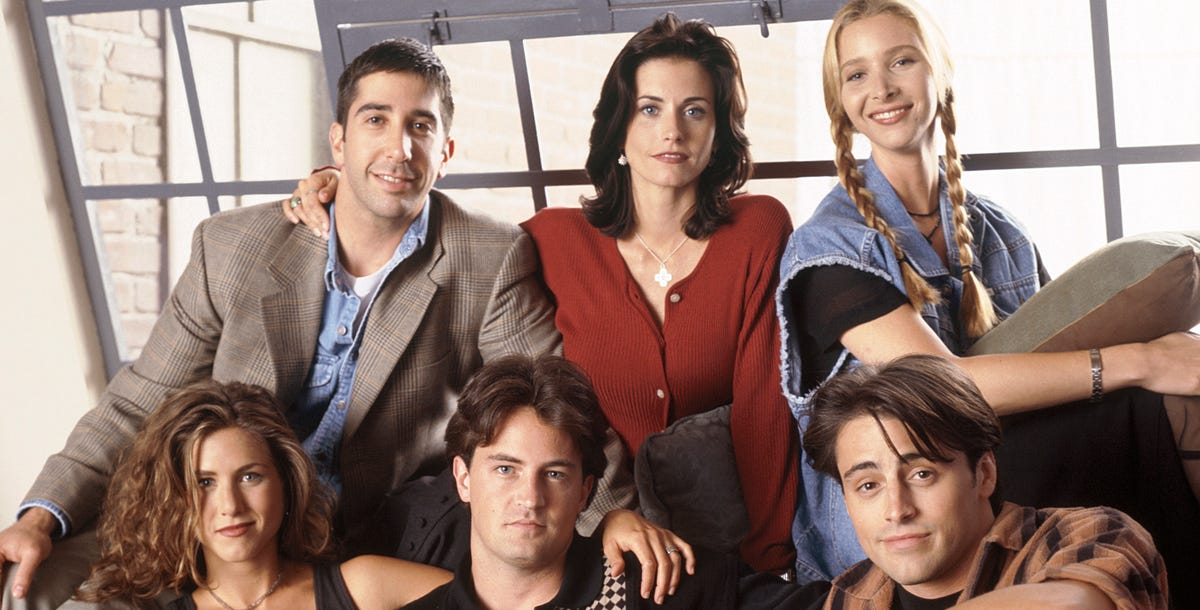
The charm of the show came from the chemistry between Jennifer Aniston, Courteney Cox, Lisa Kudrow, Matt LeBlanc, Matthew Perry, and David Schwimmer. They made Rachel, Monica, Phoebe, Joey, Chandler, and Ross feel like people we knew: the one with the dramatic haircut, the one who cleans before the cleaning lady arrives, the one who sings about questionable cats, the one who can turn a sandwich into a love story, the one who weaponizes sarcasm, and the one who says “unagi” with suspicious confidence.
Decades later, the nostalgia is still powerful. New viewers discover Friends through streaming. Older fans rewatch it like comfort food with a laugh track. But what happened to the beloved Friends cast then and now? Let’s open the Central Perk door, avoid the giant coffee mugs, and catch up.
Why the “Friends” Cast Still Feels So Familiar
The main reason the Friends cast remains iconic is simple: the characters were broad enough to be funny, but specific enough to feel real. Rachel’s evolution from runaway bride to fashion professional gave the show a built-in coming-of-age arc. Monica’s perfectionism was exaggerated for laughs, yet rooted in insecurity and ambition. Phoebe’s eccentricity could have been a cartoon, but Lisa Kudrow gave her warmth and mystery. Joey was silly without being cruel. Chandler made anxiety funny before “anxious humor” became an entire internet personality type. Ross, for better and worse, turned overthinking into Olympic sport.
The show also captured a fantasy version of young adulthood: enormous apartments, endless free time, close friendships, and a coffee shop where nobody appears to need Wi-Fi, chargers, or a second job. In real life, six people in Manhattan would not casually claim that much couch space. But emotionally, the setup worked. Friends sold the dream that your chosen family could sit beside you through bad dates, career disasters, weddings, divorces, babies, and Thanksgiving episodes involving at least one culinary crime.
Jennifer Aniston as Rachel Green: Then and Now
Then: The Runaway Bride Who Became a Style Icon
Jennifer Aniston entered Friends as Rachel Green, a spoiled but lovable young woman who runs out on her wedding and into adulthood. Rachel’s early days as a waitress at Central Perk gave the series one of its clearest transformation stories. She was not instantly competent, which made her relatable. She spilled coffee, made bad romantic choices, and had the survival instincts of someone who had recently discovered laundry.
Of course, Rachel’s most famous contribution to the 1990s may have been “The Rachel” haircut. Even people who never watched every episode knew that layered hairstyle. It became so popular that salons might as well have kept a framed photo of Aniston next to the cash register.
Now: From Sitcom Royalty to Prestige Television
After Friends, Jennifer Aniston successfully moved into film, romantic comedies, independent projects, producing, and prestige television. Her work on The Morning Show proved she could step far beyond Rachel Green, playing Alex Levy with ambition, vulnerability, and a sharper dramatic edge. The role brought her renewed awards attention and introduced her to viewers who may know Friends more as a streaming staple than a Thursday-night event.
Aniston remains one of the most recognizable stars from the Friends cast. Her public image blends glamour with approachability, which is basically Rachel Green’s final form: polished, self-aware, and still capable of delivering a perfectly timed eye roll.
Courteney Cox as Monica Geller: Then and Now
Then: The Competitive Heart of the Group
Courteney Cox played Monica Geller, the chef, organizer, competitor, and unofficial landlord of the group’s emotional headquarters. Monica’s apartment was where the big moments happened: breakups, proposals, Thanksgiving disasters, roommate negotiations, and enough cleaning energy to power a small suburb.
Monica could be intense, but Cox made her lovable. She was not just “the neat one.” She was a woman trying to build the life she wanted, often with impossible standards and a label maker probably hidden somewhere nearby. Her relationship with Chandler became one of the show’s sweetest surprises, evolving from secret romance to marriage, parenthood, and one of the healthiest long-term relationships in the series.
Now: Horror, Comedy, Producing, and a Lasting Legacy
After Friends, Cox continued to build a varied career. She remained a major figure in the Scream franchise as Gale Weathers, a role that let her lean into sharpness, ambition, and survival skills. She also starred in Cougar Town, earned praise for comedy beyond Monica, and took on producing and directing work.
In recent years, Cox has embraced both nostalgia and reinvention. Her appearances with former castmates, her continued work in horror-comedy projects, and her business ventures show a performer who understands her legacy without being trapped by it. Monica may have wanted everything in its correct place, but Cox’s career has been refreshingly flexible.
Lisa Kudrow as Phoebe Buffay: Then and Now
Then: The Weirdest Friend, and Maybe the Wisest
Phoebe Buffay could have been a collection of odd jokes: the guitar, the songs, the strange childhood stories, the spiritual detours. But Lisa Kudrow made Phoebe more than quirky. She gave her an internal logic. Phoebe was strange, yes, but she was also honest, resilient, and often the only person in the room who could see through everyone else’s nonsense.
“Smelly Cat” became her unofficial anthem, but Phoebe’s best moments were often quieter. She could be hilariously blunt, surprisingly compassionate, and morally firm when the others were tying themselves into emotional knots. Kudrow’s performance gave Friends its most unpredictable comic rhythm.
Now: Smart Comedy, Dark Humor, and Character Work
After Friends, Lisa Kudrow built one of the most interesting post-sitcom careers in the ensemble. The Comeback became a cult favorite, admired for its uncomfortable, ahead-of-its-time look at fame and reality television. She also worked on Web Therapy, voice projects, film roles, and producing.
More recently, Kudrow appeared in Netflix’s dark comedy No Good Deed, showing once again that her strengths go far beyond Phoebe’s sunny eccentricity. Kudrow is at her best when comedy has a strange shadow behind it. She can make a pause funnier than most actors make a punchline, which is unfair but delightful.
Matt LeBlanc as Joey Tribbiani: Then and Now
Then: The Lovable Actor With a Legendary Catchphrase
Joey Tribbiani was the struggling actor with a big heart, a bigger appetite, and perhaps the most successful eyebrow work in sitcom history. Matt LeBlanc turned “How you doin’?” into a global catchphrase, but Joey’s appeal was never just flirtation. He was loyal, sweet, and often the emotional golden retriever of the group.
Joey’s acting career inside the show gave Friends endless comedy, from Days of Our Lives drama to questionable auditions. Yet LeBlanc also played Joey’s tenderness beautifully, especially in his friendships with Chandler and Phoebe. The character was not academically brilliant, but emotionally, he often understood what mattered.
Now: “Episodes,” “Top Gear,” and a Quieter Public Life
After Friends, LeBlanc starred in the spin-off Joey, then later found critical success playing a fictionalized version of himself in Episodes. That role let him poke fun at celebrity, typecasting, ego, and Hollywood weirdness. It also earned him major awards recognition and reminded audiences that he was not just Joey; he was a skilled comic performer with excellent self-awareness.
LeBlanc also co-hosted Top Gear, a surprising but memorable turn that took him from sitcom apartments to cars, tracks, and British banter. In recent years, he has kept a lower public profile than some of his castmates, which somehow feels very Joey-after-a-big-sandwich: satisfied, relaxed, and not rushing to explain himself.
Matthew Perry as Chandler Bing: Then and Now
Then: The King of Sarcasm With a Soft Center
Matthew Perry’s Chandler Bing was the character many fans turned to for instant comfort. Chandler used jokes as armor, sarcasm as oxygen, and awkwardness as an art form. His one-liners helped define the voice of Friends, but Perry’s performance had depth. Beneath the jokes was a man afraid of rejection, commitment, vulnerability, and sometimes Thanksgiving.
Chandler’s growth was one of the show’s strongest emotional arcs. His relationship with Monica gave him stability, maturity, and a love story that still holds up as one of the series’ most satisfying developments. Perry made Chandler funny, but he also made him human.
Now: A Complicated, Beloved Legacy
Matthew Perry continued acting after Friends, appearing in television, film, and stage projects. He also became increasingly open about his struggles with addiction, especially in his 2022 memoir Friends, Lovers, and the Big Terrible Thing. The book gave fans a painful but important look at the person behind one of television’s most beloved comic characters.
Perry died on October 28, 2023, at age 54. His death deeply affected fans and the surviving Friends cast, who publicly mourned him as a beloved colleague and friend. Remembering Perry “then and now” is different from remembering the others because his story includes loss. But it also includes laughter, honesty, recovery advocacy, and the enormous comfort he gave millions of people as Chandler Bing.
His legacy is not only a list of jokes. It is the way fans still hear Chandler’s rhythm in everyday sarcasm, the way his vulnerability made comedy feel safer, and the way his openness encouraged more compassionate conversations about addiction.
David Schwimmer as Ross Geller: Then and Now
Then: Dinosaurs, Divorces, and Dramatic Sandwiches
David Schwimmer played Ross Geller, the paleontologist with a romantic heart and a talent for making normal situations sound like courtroom testimony. Ross was nerdy, passionate, insecure, and occasionally exhausting in ways that made him extremely watchable. His love story with Rachel became one of television’s defining will-they-won’t-they arcs.
Ross also delivered some of the show’s most unforgettable physical comedy: the leather pants, the spray tan, the teeth, the couch, the bagpipes. Schwimmer’s theatrical timing turned embarrassment into architecture. Few actors could yell “Pivot!” and create a scene that still lives rent-free in pop culture decades later.
Now: Drama, Directing, Theater, and New TV Roles
After Friends, Schwimmer pursued a more varied path than casual viewers might expect. He worked in theater, directed film and television, and took on dramatic roles. His portrayal of Robert Kardashian in The People v. O.J. Simpson: American Crime Story earned major awards attention and showed a more restrained side of his screen presence.
Schwimmer has also continued appearing in television projects, including genre and anthology work. His post-Friends career suggests an actor more interested in range than constant celebrity visibility. Ross may have wanted everyone to respect paleontology. Schwimmer seems content proving, patiently and repeatedly, that he can do far more than shout about dinosaurs.
The “Friends” Reunion: Nostalgia With Real Emotion
In 2021, the six main cast members reunited for Friends: The Reunion, a special that leaned heavily into memory, behind-the-scenes stories, table reads, and recreated sets. For fans, it was not simply a promotional event. It was a time capsule being opened in public.
The reunion worked because it did not pretend the actors were still their characters. Instead, it allowed viewers to see the emotional weight of the experience. The cast walked through familiar sets, remembered early auditions, revisited famous scenes, and reflected on how unusual their shared success had been. It reminded audiences that Friends was not just a show that happened to six actors. It was a decade of their lives, played out under extraordinary fame.
Watching the reunion now carries even more emotional weight because it was one of the final times all six appeared together on-screen. It remains a bittersweet reminder of why the cast’s bond mattered to viewers in the first place.
How the Cast Changed Television Fame
The Friends cast became famous during a very different media era. There was no TikTok, no Instagram stories, no podcast circuit after every episode, and no streaming algorithm waiting to recommend “something cozy.” Their fame came from network television at full power. Millions of viewers watched at the same time, talked about episodes the next morning, and followed the cast through magazines, late-night shows, and entertainment news.
The ensemble also became famous for negotiating together. Their unity as a cast became part of the show’s mythology, especially as their salaries rose in later seasons. That off-screen solidarity reflected the on-screen premise: six people stronger together than apart. In Hollywood terms, that is both charming and extremely practical.
Today, the cast’s influence is visible in countless ensemble sitcoms built around chosen families, hangout spaces, romantic complications, and characters who become cultural shorthand. Friends did not invent those ingredients, but it mixed them with rare precision.
What Makes “Friends” Nostalgia So Powerful?
Nostalgia for Friends is not only about the 1990s. It is about a kind of emotional simplicity. Problems on the show could be messy, but they usually resolved within twenty-two minutes. Someone might lose a job, confess a secret, get dumped, or put beef in a trifle, but the group would still end up together. In a noisy world, that structure is comforting.
The cast’s “then and now” story also mirrors the audience’s own aging. Viewers who once related to Rachel starting over may now relate to Monica and Chandler planning a family, Ross navigating co-parenting, or Phoebe choosing peace over approval. The jokes remain the same, but the way we hear them changes.
That is why the Friends cast continues to fascinate. We are not just asking what they look like now or what projects they joined after the finale. We are revisiting who we were when we first met them.
A Nostalgic Experience: Rewatching “Friends” Then and Now
Rewatching Friends today is a strangely layered experience. The first time many viewers saw the show, it felt modern. The clothes were current, the jokes were fast, and the characters seemed like young adults trying to figure out life in real time. Now, the series feels like a sitcom snow globe. Flip it over, and the glitter is all there: cordless phones, answering machines, chunky shoes, tiny sunglasses, and the deep mystery of how everyone was always available to sit in a coffee shop at 11 a.m.
The funny thing is that the show’s dated details are part of its charm. Nobody is pausing a conversation to check a notification. Nobody is filming a breakup for content. Nobody is asking ChatGPT what to text after a bad date. Instead, they talk face-to-face, misunderstand each other loudly, and solve emotional problems with sarcasm, hugs, and sometimes cheesecake stolen from a hallway.
For longtime fans, the “then and now” feeling can be surprisingly personal. You may remember watching Rachel get off the plane when you were younger and thinking only about the romance. Years later, you might notice Monica and Chandler leaving the apartment and feel the ache of closing a chapter. The same scenes hit differently because life has happened in between. Jobs changed. Friend groups shifted. Apartments were moved out of. People were lost. New people arrived. Suddenly, a sitcom finale becomes less about television and more about time.
The cast members also feel different now. Jennifer Aniston is no longer just Rachel with great hair; she is a seasoned producer and dramatic actress. Courteney Cox is not only Monica with the clean apartment; she is a horror franchise veteran and creative force. Lisa Kudrow’s Phoebe seems even more brilliant when you recognize how precise her weirdness was. Matt LeBlanc’s Joey feels gentler with age, like a reminder that sweetness is underrated. David Schwimmer’s Ross is easier to laugh at and occasionally easier to understand. Matthew Perry’s Chandler is now wrapped in grief and gratitude, making his funniest moments feel even more precious.
That is the real magic of Friends nostalgia. It is not frozen in the past. It grows with the audience. The jokes are familiar, but the emotions keep changing shape. One year you watch for the Thanksgiving chaos. Another year you watch because you miss the feeling of being surrounded by people who know your worst habits and still save you a seat.
In the end, Friends remains popular because it offers a simple promise: life will be awkward, love will be confusing, careers will wobble, and your furniture may not fit up the stairs. But with the right people beside you, even the mess becomes a story worth retelling. Could that be any more comforting?
Conclusion
The nostalgic Friends cast then and now story is really a story about time, growth, and the rare chemistry that turns a sitcom into a cultural landmark. Jennifer Aniston, Courteney Cox, Lisa Kudrow, Matt LeBlanc, Matthew Perry, and David Schwimmer each brought something essential to the show, and their careers after Friends prove how much talent lived behind those familiar characters.
Some became prestige TV stars. Some explored producing, directing, horror, theater, or self-aware comedy. One left us far too soon, deepening the emotional connection fans feel whenever Chandler appears on-screen. Together, they created a series that still invites people backnot because it was perfect, but because it felt like home.
Years after the finale, Friends remains a comfort watch, a quote machine, and a reminder that chosen family can shape an entire decade of life. The cast may have changed, the world may have changed, and Central Perk may now exist mostly in reruns and fan memories. But the feeling is still there, waiting on the orange couch.