Nuclear power has always had a talent for drama. Mention a nuclear power plant at dinner and half the room imagines clean electricity quietly humming in the background, while the other half pictures glowing green barrels, sirens, and someone in a hazmat suit jogging with a clipboard. Reality, as usual, is less cinematic and far more interesting.
A nuclear power plant is not a magic electricity castle. It is a highly engineered thermal power station where heat from nuclear fission is used to make steam, spin turbines, and generate electricity. In that sense, it works a lot like a coal or natural gas plant, except the heat source comes from splitting uranium atoms instead of burning fuel. No smoke stack, no daily trainloads of coal, no tiny dragon under the boiler. Just physics doing a very serious job.
This article explains how nuclear reactors work, why nuclear power plants matter, what makes them risky, what the world learned from nuclear disasters, and why the future of nuclear energy is being debated with fresh urgency. The goal is not to sell nuclear power as perfect or condemn it as terrifying. The goal is to understand it clearly, because electricity policy should not be powered by myths, slogans, or disaster movies with suspiciously loud Geiger counters.
What Is a Nuclear Power Plant?
A nuclear power plant is a facility that converts energy released by nuclear fission into electricity. Inside the reactor core, uranium fuel atoms split apart when struck by neutrons. This process releases heat and more neutrons, creating a controlled chain reaction. That heat is used to produce steam, which turns a turbine connected to a generator.
The basic concept is surprisingly simple: heat water, make steam, spin turbine, generate electricity. The engineering behind it, however, is anything but simple. A nuclear plant includes fuel assemblies, control rods, coolant systems, pumps, steam generators or direct steam pathways, containment buildings, backup power systems, radiation monitoring equipment, security systems, emergency plans, and trained operators who do not get to treat their job like a casual Tuesday.
In the United States, commercial nuclear power plants mainly use two reactor designs: pressurized water reactors and boiling water reactors. Both use ordinary water as a coolant and moderator, but they handle steam differently. Pressurized water reactors keep water under high pressure so it does not boil inside the reactor vessel; heat is transferred to a separate water loop that makes steam. Boiling water reactors allow water to boil directly in the reactor vessel, sending steam to the turbine.
How a Nuclear Reactor Works
The nuclear reactor is the heart of a nuclear power plant. It is where fission happens, where heat is produced, and where control systems keep the reaction steady. Think of the reactor core as the world’s most disciplined campfire: enormously powerful, carefully contained, and definitely not something you poke with a stick.
Fuel: The Source of Heat
Most commercial reactors use uranium fuel formed into small ceramic pellets. These pellets are stacked inside metal tubes called fuel rods, and the rods are grouped into fuel assemblies. The fuel is not explosive like a nuclear weapon. Reactor fuel is designed for controlled heat production over long operating cycles, not sudden release of energy.
Control Rods: The Reactor’s Brake Pedal
Control rods absorb neutrons. When operators insert them deeper into the reactor core, they slow the chain reaction. When the rods are withdrawn, the reaction increases. In an emergency shutdown, also called a scram, control rods can be rapidly inserted to stop the chain reaction. The reactor still produces decay heat afterward, which is why cooling remains essential even after shutdown.
Coolant: Moving Heat Away
Coolant carries heat from the reactor core. In most U.S. commercial reactors, the coolant is water. The coolant must keep flowing so the fuel stays within safe temperature limits. Loss of cooling is one of the central concerns in reactor safety because fuel can overheat if heat is not removed properly.
Containment: The Final Fortress
Nuclear plants use multiple barriers to keep radioactive material away from people and the environment. These include the ceramic fuel itself, the metal fuel cladding, the reactor vessel, piping systems, and the containment structure. This layered approach is often called defense in depth. In plain English, it means no single system is trusted to do everything alone. Nuclear engineers are many things, but optimists with only one backup plan are not among them.
Why Nuclear Power Plants Matter
Nuclear power plants provide large amounts of steady electricity. Unlike solar and wind, which vary with weather and time of day, nuclear plants can run around the clock for long periods. This makes nuclear energy useful for grid reliability, especially in regions trying to reduce carbon emissions while still meeting heavy electricity demand.
Another major advantage is low operating emissions. Nuclear power does not release carbon dioxide during electricity generation the way coal, oil, or natural gas plants do. Building plants, mining uranium, processing fuel, and managing waste all have environmental footprints, but the electricity production itself is low-carbon.
Nuclear plants also produce a lot of power from a small land area. A single large nuclear station can generate enough electricity for hundreds of thousands or even millions of homes, depending on size and demand. This high energy density is one reason nuclear energy remains attractive to planners who are trying to balance land use, reliability, climate goals, and industrial electricity needs.
The Main Types of Nuclear Reactors
Pressurized Water Reactors
Pressurized water reactors, often called PWRs, are the most common type in the United States. They use high-pressure water to transfer heat from the reactor core to a steam generator. The radioactive water in the primary loop stays separate from the water that becomes steam and spins the turbine. This separation is one reason PWRs are widely used.
Boiling Water Reactors
Boiling water reactors, or BWRs, allow water to boil inside the reactor vessel. The steam goes directly to the turbine. BWRs have fewer heat-transfer steps than PWRs, but their design also means the steam system is part of the reactor coolant system. Both designs are heavily regulated, monitored, and engineered with multiple safety systems.
Small Modular Reactors
Small modular reactors, known as SMRs, are newer designs intended to be smaller, factory-built, and potentially easier to deploy than traditional large reactors. Many SMR concepts emphasize passive safety, meaning they rely on natural forces such as gravity, convection, and natural circulation rather than active pumps or operator action for certain safety functions.
Advanced Reactors
Advanced reactors may use coolants other than water, including liquid metal, molten salt, or gas. Some are designed to operate at higher temperatures, support industrial heat applications, or use fuel more efficiently. These designs are promising, but they must still clear technical, regulatory, economic, and public acceptance hurdles before they can become common.
Nuclear Safety: What Can Go Wrong?
Nuclear safety focuses on preventing accidents, controlling reactor heat, protecting workers and the public, and keeping radioactive material contained. The main risks are not mysterious. They include loss of coolant, loss of power, equipment failure, human error, natural disasters, security threats, and poor safety culture.
One of the most important nuclear safety lessons is that reactors do not become harmless the instant they shut down. Even after fission stops, radioactive decay continues to produce heat. This decay heat must be removed. If cooling fails for too long, fuel can overheat and become damaged. Severe fuel damage can release radioactive material into containment, and if containment fails or venting is mishandled, radioactive material may reach the environment.
Modern nuclear safety depends on redundancy, training, regulation, inspections, emergency planning, and honest reporting. A plant that hides problems, ignores warnings, or treats safety rules like decorative wallpaper is a plant inviting trouble. Nuclear technology demands humility. The atom is useful, but it has no patience for arrogance.
Major Nuclear Disasters and What They Taught the World
Three Mile Island: The U.S. Wake-Up Call
The Three Mile Island accident happened in Pennsylvania in 1979. A combination of equipment problems, confusing control room signals, and operator decisions led to a partial meltdown of the Unit 2 reactor core. It became the most serious accident in U.S. commercial nuclear power history.
Although the radioactive releases were small and no direct deaths or injuries were attributed to radiation exposure, the accident changed the nuclear industry. It exposed weaknesses in operator training, control room design, emergency communication, and regulatory oversight. After Three Mile Island, the United States strengthened training programs, emergency procedures, human factors engineering, and plant performance monitoring.
Chernobyl: Design Flaws, Human Error, and Secrecy
The Chernobyl disaster occurred in 1986 in what is now Ukraine. During a poorly managed safety test, operators disabled key safety systems and pushed the reactor into an unstable condition. The RBMK reactor design had serious flaws, including a positive void coefficient and control rod design issues that worsened the accident sequence. The reactor exploded, the graphite moderator burned, and large amounts of radioactive material were released.
Chernobyl was catastrophic because it combined design weaknesses, operator error, inadequate safety culture, and government secrecy. Workers and firefighters faced extreme radiation hazards. Large areas were contaminated. Communities were displaced. The accident became a permanent warning about what happens when complex technology is paired with denial, pressure, and a culture that punishes bad news instead of fixing bad systems.
Fukushima Daiichi: When Nature Overwhelms Design
The Fukushima Daiichi accident happened in Japan in 2011 after a massive earthquake and tsunami. The reactors shut down after the earthquake, but the tsunami flooded backup generators and electrical equipment. Without enough power to maintain cooling, several reactor cores overheated, hydrogen explosions damaged buildings, and radioactive contamination spread beyond the site.
Fukushima showed that nuclear plants must be prepared for extreme external events, including floods, earthquakes, and long-term station blackout scenarios. It also highlighted the importance of backup power, flexible emergency equipment, severe accident management, spent fuel pool monitoring, and clear public communication.
Radiation: Dangerous, Useful, and Often Misunderstood
Radiation is energy that travels in waves or particles. Not all radiation is dangerous. Visible light is radiation. Radio waves are radiation. The type that matters most in nuclear accidents is ionizing radiation, which can damage atoms and molecules in living tissue. Exposure risk depends on dose, duration, distance, shielding, and the type of radioactive material involved.
In a nuclear emergency, contamination and exposure are not the same thing. Exposure means radiation reaches the body from a source. Contamination means radioactive material is on or inside the body. Removing outer clothing and washing exposed skin can significantly reduce contamination. This is one reason emergency instructions often sound simple: get inside, stay inside, stay tuned, remove contaminated clothing, and wash if needed. Simple steps can matter a lot.
Potassium iodide, often shortened to KI, is another commonly misunderstood topic. KI can help protect the thyroid from radioactive iodine, but it does not protect against all radiation or all radioactive materials. It should be taken only when public health officials recommend it. It is not a magical anti-radiation vitamin, and taking it randomly is not a personality upgrade.
Nuclear Waste and Spent Fuel
Nuclear power produces spent fuel, which remains radioactive and hot after removal from the reactor. At first, spent fuel is stored in pools of water that cool the fuel and provide radiation shielding. After sufficient cooling, older spent fuel may be transferred into dry cask storage systems made with steel and concrete.
Dry cask storage is designed to shield radiation, remove heat passively, and protect spent fuel securely. The unresolved challenge is long-term disposal. The United States has stored spent nuclear fuel at many reactor sites for decades while political and technical debates over permanent disposal continue. This is one of the biggest criticisms of nuclear power: the technology can generate reliable electricity, but society must responsibly manage the waste for a very long time.
The Future of Nuclear Power
The future of nuclear energy depends on economics, safety, climate policy, public trust, and technology. Supporters argue that nuclear power is essential for deep decarbonization because it provides reliable low-carbon electricity. Critics point to high construction costs, long build times, accident risks, waste challenges, and decommissioning expenses.
Both sides have serious points. Nuclear plants are expensive to build, but they can operate for many decades. Renewable energy is growing quickly, but grids also need firm power, storage, transmission, and flexibility. Fossil fuels are reliable, but they emit greenhouse gases and air pollutants. Energy policy is not a fairy tale with one perfect hero. It is more like a group project where every option has strengths, weaknesses, and at least one person who forgot the spreadsheet.
Advanced reactors and small modular reactors may improve safety and flexibility, but they are not guaranteed shortcuts. They must prove they can be licensed, built on budget, operated safely, and accepted by communities. The next era of nuclear power will likely be shaped less by slogans and more by performance: Can new reactors deliver clean electricity safely, affordably, and on schedule?
Practical Experiences and Lessons Related to Nuclear Power Plants, Reactors, and Disasters
One practical way to understand nuclear power is to think about it as a discipline of preparation. A nuclear plant is not safe because someone says, “Don’t worry, we’ve got this.” It is safe when equipment is tested, operators are trained, emergency plans are practiced, regulators ask uncomfortable questions, and plant managers treat small problems as early warnings rather than paperwork annoyances.
The experience of past nuclear disasters shows that accidents are rarely caused by one dramatic failure. They usually grow from chains of smaller failures. At Three Mile Island, confusing indicators and operator misunderstanding turned a mechanical problem into a much larger event. At Chernobyl, a dangerous test, flawed reactor behavior, disabled safety systems, and secrecy lined up like dominoes. At Fukushima, the earthquake was not the main destroyer; the tsunami and loss of power created the long cooling crisis. The lesson is clear: nuclear safety must assume that several things can go wrong at once.
For communities near nuclear plants, preparedness should be boring on purpose. Residents should know where emergency information comes from, what local sirens mean, whether they live inside an emergency planning zone, and what actions officials may recommend. Most people do not need to become radiation experts. They need clear instructions, trusted communication, and the ability to act calmly. In a real emergency, panic is a terrible project manager.
For policymakers, the nuclear experience teaches that public trust is as important as technical design. People can accept complex technology when institutions are transparent, competent, and honest. They become suspicious when officials minimize concerns, hide data, or speak in robotic language that sounds like it was assembled in a basement by a committee of nervous attorneys. Clear communication is not decoration; it is part of safety.
For energy planners, nuclear power offers a valuable but demanding tool. It can provide steady low-carbon electricity, support grid reliability, and reduce dependence on fossil fuels. But it requires long-term investment, skilled labor, strong regulation, waste management, and political consistency. A nuclear plant is not a weekend DIY project. You cannot build one with enthusiasm, three permits, and a motivational poster.
For students and curious readers, nuclear power is a reminder that technology is never just technology. It is physics, engineering, economics, psychology, emergency management, environmental ethics, and public policy all standing in the same room. Nuclear reactors can produce enormous benefits, but they also require respect for uncertainty. The best nuclear systems are designed by people who understand that confidence must be earned every day.
The most useful experience from nuclear history is not fear. It is disciplined attention. Learn from near misses. Design for floods that seem unlikely. Train for confusing alarms. Maintain backup systems. Store waste responsibly. Communicate honestly. Update old assumptions. And never forget that safety culture is not a slogan printed on a poster near the break room. It is what people do when the meeting is over, the checklist is long, and nobody is watching.
Conclusion
Nuclear power plants are among the most complex energy facilities ever built. They use nuclear reactors to turn the heat of fission into electricity, providing reliable low-carbon power at large scale. At the same time, nuclear history includes serious disasters that reshaped public opinion, regulation, reactor design, and emergency planning.
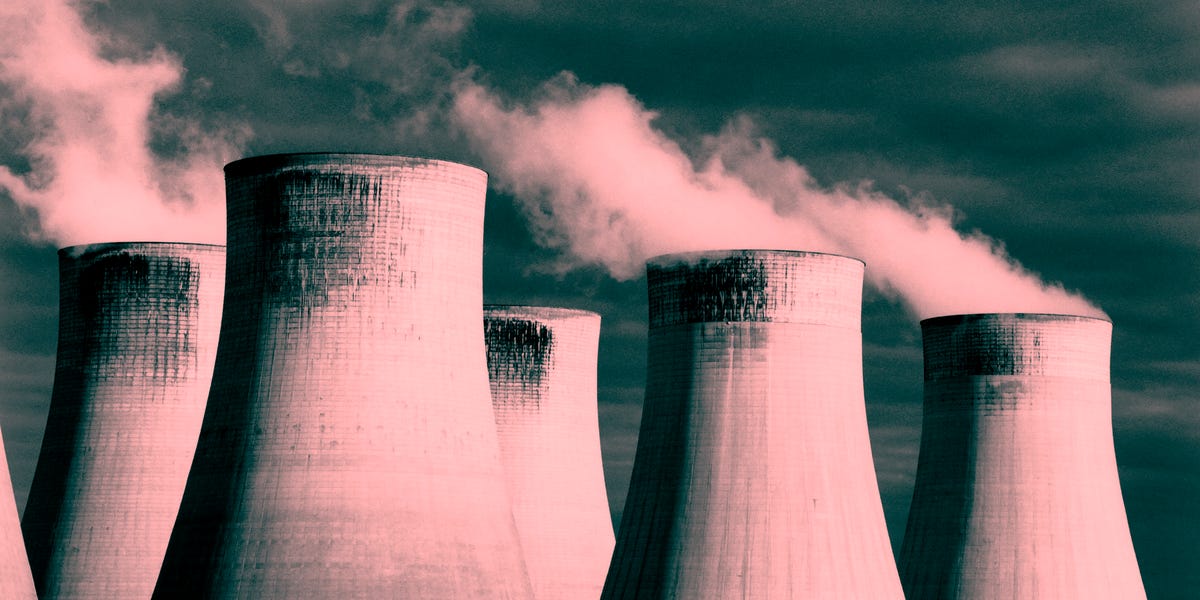
The truth about nuclear energy is not simple enough for a bumper sticker. Nuclear power is not a miracle without risk, and it is not a monster hiding behind cooling towers. It is a powerful technology that demands strong engineering, strict oversight, responsible waste management, and honest public communication. Used well, it can help provide dependable clean electricity. Managed poorly, it can create consequences that last for generations.
The future of nuclear power will depend on whether the industry can build safer, more affordable reactors while maintaining public trust. If nuclear energy is to play a major role in the clean energy transition, it must prove itself not only in megawatts, but in transparency, reliability, and humility. After all, when your business involves splitting atoms, a little humility is not optional equipment.