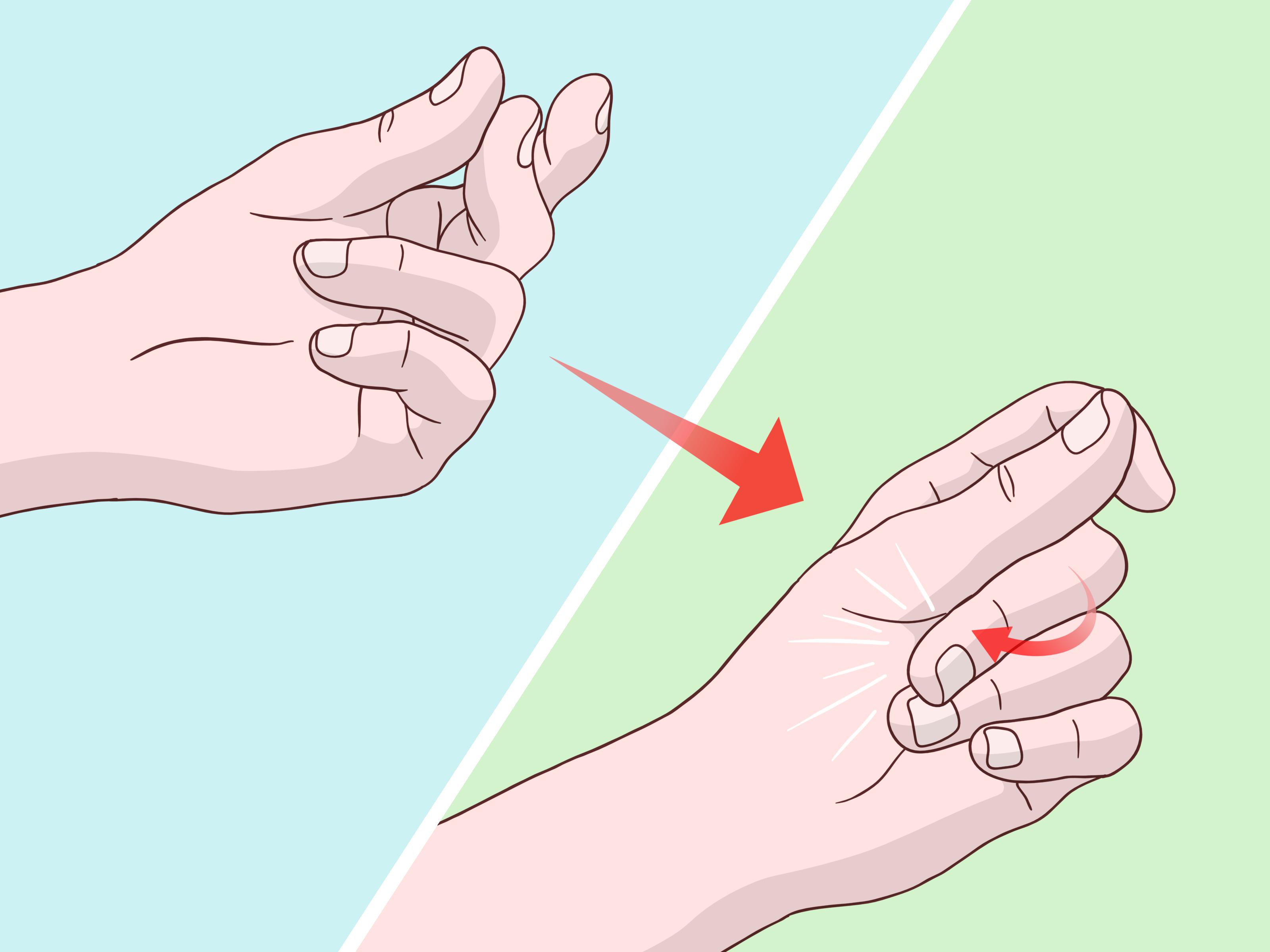
Few body parts are as dramatic as fingers. They type, text, cook, scratch, point at suspicious leftovers in the fridge, and somehow know exactly when to go numb during an important Zoom call. Finger numbness can feel like pins and needles, tingling, burning, coldness, “dead” feeling, or a strange rubber-glove sensation. Sometimes it disappears after you shake your hand like you are trying to win a tiny invisible maraca contest. Other times, it lingers, returns at night, or shows up with pain, weakness, or color changes.
The main keyword here is numbness in fingers, but the real topic is nerve communication. Your fingers do not create sensation by themselves. They send messages through nerves in the hand, wrist, elbow, shoulder, neck, spinal cord, and brain. When something irritates, compresses, damages, or reduces blood flow to those nerves, the message can become garbled. The result may be tingling fingers, hand numbness, finger pain, weakness, or that “my hand has logged out” feeling.
Most cases are not emergencies, but some are. Sudden numbness on one side of the body, especially with face drooping, arm weakness, confusion, trouble speaking, dizziness, vision changes, or a severe headache, can be a sign of stroke and needs emergency care right away. Persistent, worsening, or unexplained finger numbness also deserves medical attention, because early treatment can prevent permanent nerve damage.
What Does Finger Numbness Usually Mean?
Finger numbness usually points to one of three broad problems: nerve compression, nerve damage, or blood-flow changes. A compressed nerve is like a garden hose under a chair leg; the signal still exists, but it cannot travel smoothly. Nerve damage, often called neuropathy, is more like frayed wiring. Blood-flow problems, such as Raynaud’s phenomenon, temporarily limit circulation and can make fingers cold, pale, blue, painful, or numb.
The pattern matters. Numbness in the thumb, index finger, middle finger, and part of the ring finger often suggests median nerve involvement, commonly seen in carpal tunnel syndrome. Numbness in the ring and pinky fingers often points toward the ulnar nerve, especially if symptoms worsen when the elbow is bent. Numbness that travels from the neck into the arm and fingers may come from the cervical spine. Numbness in both hands, especially with foot symptoms, may suggest a body-wide issue such as diabetes-related peripheral neuropathy or vitamin B12 deficiency.
1. Carpal Tunnel Syndrome
Why it happens
Carpal tunnel syndrome is one of the most common causes of numbness in fingers. It occurs when the median nerve is compressed or irritated as it passes through the carpal tunnel, a narrow space in the wrist. The median nerve supplies sensation to the thumb, index finger, middle finger, and part of the ring finger. When the tunnel becomes crowded because of swelling, repetitive wrist use, pregnancy-related fluid changes, arthritis, injury, or other factors, the nerve can complain loudly.
What it feels like
Carpal tunnel numbness often appears at night or early in the morning. People may wake up shaking their hand, dropping objects, or feeling as though their fingers are swollen even when they look normal. Typing, driving, holding a phone, knitting, or using vibrating tools may trigger symptoms. In more advanced cases, grip strength may weaken, and the thumb muscles may shrink. That is the wrist’s way of saying, “I sent several polite emails and now I am escalating.”
What may help
Mild carpal tunnel symptoms may improve with wrist splints, ergonomic changes, breaks from repetitive motion, anti-inflammatory strategies recommended by a clinician, or hand therapy. A doctor may suggest nerve testing if the diagnosis is unclear or symptoms are severe. Steroid injections or surgery may be considered when conservative care fails or nerve damage is progressing.
2. Cubital Tunnel Syndrome or Ulnar Nerve Compression
Why it happens
The ulnar nerve runs behind the inside of the elbow, right where the “funny bone” lives. The name is false advertising; hitting it is not funny, and the bone is barely the star of the show. Cubital tunnel syndrome happens when the ulnar nerve becomes irritated or compressed around the elbow. Leaning on elbows, sleeping with elbows bent, repetitive bending, arthritis, previous elbow injury, or anatomical narrowing can all contribute.
What it feels like
Ulnar nerve compression typically causes numbness or tingling in the ring finger and pinky finger. Symptoms may worsen when talking on the phone, driving, sleeping with the arm curled, or resting elbows on a desk. Some people develop hand weakness, clumsiness, or difficulty with fine motor tasks such as buttoning a shirt or opening packaging that was apparently designed by someone who hates humanity.
What may help
Early treatment often focuses on reducing elbow pressure. That may mean avoiding prolonged elbow bending, using a soft elbow pad, changing desk posture, or keeping the elbow straighter at night. Physical therapy may help with nerve-gliding exercises. If symptoms progress to weakness or muscle wasting, medical evaluation becomes especially important because long-term ulnar nerve compression can cause lasting changes.
3. Cervical Radiculopathy: A Pinched Nerve in the Neck
Why it happens
Your fingers may be numb even when the actual troublemaker is in your neck. Cervical radiculopathy happens when a nerve root in the cervical spine becomes compressed or inflamed. Common causes include a herniated disk, age-related disk degeneration, bone spurs, spinal arthritis, or narrowing of the spaces where nerves exit the spine.
What it feels like
Symptoms may include neck pain, shoulder pain, arm pain, tingling, numbness, weakness, or electric sensations that travel down the arm into the hand. The exact finger pattern can vary depending on which nerve root is affected. Some people notice symptoms when turning the head, looking down at a laptop, or sleeping in an awkward position. The modern neck spends a heroic amount of time staring at screens; sometimes it files a complaint through the fingers.
What may help
Many cases improve with nonsurgical care such as activity modification, physical therapy, posture changes, medications, or targeted injections when appropriate. A healthcare provider may order imaging or nerve studies if symptoms are severe, persistent, or associated with weakness. Seek prompt care if numbness follows trauma, worsens quickly, or comes with trouble walking, bladder or bowel changes, or significant weakness.
4. Peripheral Neuropathy, Including Diabetes-Related Nerve Damage
Why it happens
Peripheral neuropathy means the nerves outside the brain and spinal cord are damaged or not functioning normally. Diabetes is one of the best-known causes, but neuropathy can also be linked to autoimmune disease, kidney disease, thyroid problems, infections, alcohol-related nerve damage, chemotherapy, toxins, inherited disorders, or nutritional deficiencies. In diabetes, high blood sugar over time can injure nerves and the small blood vessels that supply them.
What it feels like
Peripheral neuropathy often starts in the feet, but it can affect the hands and fingers too. Symptoms may include tingling, burning, numbness, sharp pain, cold sensations, hypersensitivity, or weakness. Many people describe it as wearing invisible gloves or socks. Symptoms may be worse at night, because nerves have terrible timing and apparently enjoy interrupting sleep.
What may help
Treatment depends on the cause. For diabetes-related neuropathy, blood sugar management, blood pressure control, cholesterol management, physical activity, and regular medical follow-up can help slow progression. For painful neuropathy, clinicians may prescribe specific nerve-pain medications. Because numbness can reduce the ability to feel injury, people with neuropathy should check hands and feet for cuts, burns, blisters, or pressure areas. Early diagnosis matters because some causes of neuropathy are treatable.
5. Raynaud’s Phenomenon
Why it happens
Raynaud’s phenomenon is a blood-flow condition in which small blood vessels in the fingers or toes overreact to cold temperatures or emotional stress. During an attack, the vessels narrow more than they should, reducing circulation. The fingers may turn white, blue, purple, or red as blood flow changes. Raynaud’s can happen on its own, or it can be associated with autoimmune or connective tissue diseases such as scleroderma or lupus.
What it feels like
Raynaud’s numbness is often cold-triggered. A person may reach into a freezer, walk outside in winter, hold an iced drink, or experience stress, and suddenly the fingers feel cold, numb, prickly, or painful. Color changes are a major clue. When blood flow returns, fingers may throb, tingle, or feel warm. It is less “my nerve is trapped” and more “my blood vessels are being dramatic in the produce aisle.”
What may help
Keeping the whole body warm, wearing gloves, avoiding sudden cold exposure, managing stress, and not smoking may reduce attacks. Some people need medication to relax blood vessels. Medical evaluation is important if Raynaud’s begins suddenly after age 30, causes sores or ulcers, affects only one side, becomes severe, or occurs with joint pain, skin tightening, rash, or other systemic symptoms.
6. Vitamin B12 Deficiency
Why it happens
Vitamin B12 helps maintain healthy nerve function and red blood cell production. A deficiency can develop in people who do not consume enough B12, such as some vegans or vegetarians, or in people who cannot absorb it well. Absorption problems may occur with pernicious anemia, certain gastrointestinal conditions, stomach or intestinal surgery, aging-related changes, or long-term use of some medications. Because B12 is involved in nerve health, low levels can lead to neurological symptoms.
What it feels like
B12 deficiency may cause numbness or tingling in the hands and feet, balance problems, fatigue, weakness, pale skin, memory issues, mood changes, mouth soreness, or a smooth red tongue. The numbness may not follow the neat pattern of one compressed nerve. Instead, it can feel more widespread or symmetrical. It may develop gradually, which is why people sometimes blame aging, stress, or “sleeping weird” until symptoms become hard to ignore.
What may help
A simple blood test can help evaluate B12 status, although a clinician may order additional tests if symptoms and lab results do not match perfectly. Treatment may involve oral supplements, injections, dietary changes, or investigation of the reason absorption is poor. Do not mega-dose supplements blindly as a substitute for diagnosis. If a deficiency is causing nerve symptoms, treating it early improves the chance of recovery.
Other Possible Causes of Finger Numbness
Although this article focuses on six common possibilities, the list is not complete. Finger numbness can also come from wrist or hand injuries, ganglion cysts, thoracic outlet syndrome, multiple sclerosis, migraine aura, shingles, anxiety-related hyperventilation, medication side effects, infections, autoimmune disease, hypothyroidism, kidney disease, or exposure to toxins. Sometimes the cause is temporary pressure from sleeping on an arm. Sometimes it is the body waving a tiny neurological flag.
The key is pattern plus persistence. A hand that “falls asleep” once after you nap like a pretzel is usually less concerning than numbness that keeps returning, spreads, causes weakness, disrupts sleep, or affects daily activities.
When Finger Numbness Is an Emergency
Call emergency services immediately if finger numbness begins suddenly and appears with face drooping, weakness on one side of the body, trouble speaking, confusion, vision loss, severe dizziness, trouble walking, loss of coordination, chest pain, shortness of breath, or a sudden severe headache. These symptoms can signal stroke, heart attack, or another urgent condition.
Seek prompt medical care if numbness follows a serious injury, is accompanied by severe neck pain, causes hand weakness, affects bladder or bowel control, spreads quickly, or comes with fever, rash, unexplained weight loss, or severe pain. For non-emergency numbness that lasts more than a few days, keeps recurring, or affects work and sleep, schedule a healthcare visit.
How Doctors Diagnose Numbness in Fingers
A clinician will usually start with a history and physical exam. Expect questions such as: Which fingers are numb? Is it one hand or both? Did it start suddenly or gradually? Does it happen at night? Does neck movement change it? Do cold temperatures trigger it? Do you have diabetes, thyroid disease, autoimmune disease, vitamin deficiency risk, recent injury, or new medications?
The exam may include checking sensation, reflexes, muscle strength, wrist and elbow positions, neck movement, circulation, and skin color. Depending on the suspected cause, tests may include blood work, blood sugar testing, thyroid tests, vitamin B12 testing, nerve conduction studies, electromyography, ultrasound, X-ray, MRI, or vascular evaluation. Diagnosis is a bit like detective work, except the detective is wearing a stethoscope and asking why your pinky is ghosting you.
Practical Ways to Reduce Finger Numbness
Improve your workstation
Keep wrists neutral, elbows relaxed, shoulders down, and the screen at eye level. Take short breaks from typing, scrolling, gaming, or tool use. Your hands were built for movement, not for pretending to be office furniture for eight hours.
Change sleep positions
Avoid sleeping with wrists curled tightly or elbows sharply bent. A wrist splint may help carpal tunnel symptoms at night, while a soft elbow wrap may help ulnar nerve irritation. Do not wrap anything so tightly that circulation is reduced.
Protect nerves from pressure
Do not lean on elbows for long periods. Use padded gloves for vibration-heavy tools if recommended. Switch hands when carrying bags. Break repetitive tasks into shorter sessions.
Manage whole-body risk factors
Control blood sugar if you have diabetes, avoid smoking, limit alcohol, treat thyroid or kidney disease, discuss medication side effects with your clinician, and address nutritional deficiencies. Nerves are small, sensitive, and surprisingly high-maintenance.
Experience-Based Section: What Finger Numbness Can Feel Like in Real Life
Finger numbness is often described in medical language, but real people rarely wake up saying, “Ah yes, I suspect median nerve compression.” They say things like, “My fingers feel asleep,” “My hand feels fake,” “I keep dropping my coffee mug,” or “My pinky is doing something weird again.” The experience can be confusing because numbness is not always painful. Sometimes it is subtle, annoying, and easy to dismiss. That is exactly why paying attention to the pattern helps.
Consider the office worker who spends long days typing, then scrolls on a phone at night. At first, the thumb, index, and middle fingers tingle only after a long work session. Then the person wakes at 3 a.m. shaking the hand. Soon opening jars feels harder. This pattern sounds very different from someone whose ring and pinky fingers go numb whenever they lean on an elbow during a movie. Both people have finger numbness, but the likely nerves are different.
Another common story involves the neck. A person may blame the hand because that is where the numbness shows up. But the real clue is that turning the head, looking down, or sitting with poor posture makes symptoms shoot from the neck or shoulder into the arm. This is why treating only the hand may not solve the problem. The nerve pathway starts higher up, and the fingers are simply the place where the bad news is delivered.
Raynaud’s feels different again. Imagine walking into a grocery store freezer aisle and watching one or more fingers turn pale and feel icy, numb, or prickly. A few minutes later, the fingers warm up, turn red, and throb. That experience can be alarming the first time, especially if the color change is obvious. People often learn to carry gloves, avoid holding cold drinks, and warm the body before the fingers stage a tiny winter rebellion.
Peripheral neuropathy may be more gradual. Someone with diabetes or another chronic condition may first notice tingling in the feet, then later in the fingers. The feeling might be symmetrical, like both hands are wearing thin invisible gloves. Pain may come and go, or numbness may replace pain over time. That can be risky because reduced sensation makes burns, cuts, and pressure injuries easier to miss.
Vitamin B12 deficiency can sneak in quietly. A person may feel tired, foggy, or off-balance before connecting those symptoms with tingling fingers. Because B12 deficiency is treatable, it is worth checking when numbness is unexplained, especially in people with dietary restrictions, stomach or bowel conditions, prior surgery, or absorption issues.
The biggest practical lesson is this: do not diagnose finger numbness by vibes alone. Notice which fingers are affected, when it happens, what triggers it, whether it comes with pain or weakness, and whether both hands or feet are involved. Write it down before seeing a clinician. A symptom diary may sound boring, but it can save time, money, and a lot of “Wait, which finger was it again?” moments.
Conclusion
Numbness in fingers can come from simple temporary pressure, but recurring or persistent symptoms deserve attention. Six common causes include carpal tunnel syndrome, cubital tunnel syndrome, cervical radiculopathy, peripheral neuropathy, Raynaud’s phenomenon, and vitamin B12 deficiency. The pattern of numbness often gives useful clues: thumb-side symptoms may suggest median nerve compression, pinky-side symptoms may suggest ulnar nerve irritation, neck-to-hand symptoms may point to cervical radiculopathy, cold-triggered color changes may suggest Raynaud’s, and symmetrical numbness may indicate a body-wide issue.
The good news is that many causes are manageable, especially when identified early. Better ergonomics, splints, posture changes, blood sugar control, nutritional treatment, warmth, physical therapy, and medical care can all make a difference depending on the cause. The not-so-good news is that ignoring worsening numbness can allow nerve damage to progress. Your fingers are small, but their messages matter. When they start buzzing, tingling, freezing, or going silent, listen before they start sending their complaints by certified mail.
Note: This article is for general health education only and does not replace professional medical advice, diagnosis, or treatment. Sudden one-sided numbness, weakness, trouble speaking, facial drooping, chest pain, or severe headache requires emergency care.