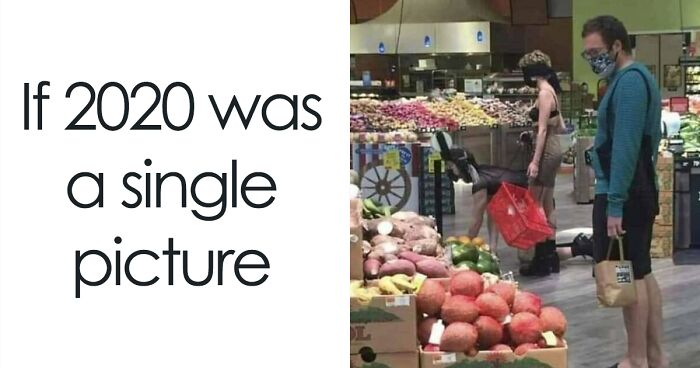
Some years arrive politely, place their coat on the chair, and ask whether you prefer coffee or tea. Then there was 2020, which kicked open the door wearing one slipper, carrying a suspicious sourdough starter, and asking why your webcam was pointed at the ceiling. That is why the internet did what the internet does best: it turned collective confusion into memes.
The trend behind “2020 versions” of things was simple, visual, and painfully accurate. People took ordinary objects, familiar products, cute animals, food, signs, technology, hairstyles, holiday decorations, and everyday situations, then imagined what they would look like if 2020 had personally redesigned them. The result? Crooked cakes, chaotic furniture, cursed toys, sad plants, broken-looking gadgets, and photos that seemed to whisper, “Well, that escalated.”
At its heart, the “2020 version” meme was not just about laughing at ugly design or disaster energy. It was a shared emotional language. In a year shaped by lockdowns, social distancing, remote work, school closures, Zoom calls, mask debates, election stress, canceled plans, and constant doomscrolling, these jokes helped people say what was hard to put into words: everything felt slightly off, dramatically delayed, weirdly sticky, and possibly on fire.
What Does “2020 Version” Mean?
A “2020 version” of something is the cursed alternate-universe edition of a normal thing. Imagine ordering a birthday cake and receiving a pancake with emotional damage. Imagine a Christmas tree that looks like it survived a minor argument with a leaf blower. Imagine a chair designed by someone who had heard of sitting but strongly disagreed with it. That is the spirit of the meme.
The joke works because everyone already understands the original version. A beautiful cake should be beautiful. A holiday decoration should be cheerful. A product photo should inspire confidence, not emergency meetings. When the “2020 version” appears, it breaks the expectation instantly. The humor comes from the gap between what should have happened and what actually happened. Conveniently, that was also the unofficial slogan of the year.
Why the 2020 Version Meme Became So Relatable
The meme exploded because 2020 gave people an endless supply of emotional material. Daily life changed fast. Offices moved into bedrooms. Classrooms moved onto laptops. Grocery shopping became a tactical mission. People learned the difference between “mute” and “unmute” only after making at least one historic mistake. The phrase “new normal” appeared everywhere, although for many people it felt less like normal and more like a software update nobody approved.
Memes became a coping tool because they compressed frustration into something shareable. Instead of writing a six-page essay titled “Why I Am Staring Into The Refrigerator Again,” a person could post a photo of a melted snowman and label it “me in 2020.” Efficient. Elegant. Slightly damp.
The Best Types of “2020 Versions” People Posted
The funniest “2020 versions” usually fell into a few categories. Each one captured a different flavor of chaos, from mild inconvenience to full emotional lasagna.
1. The 2020 Version of Food
Food memes were some of the strongest entries because food is supposed to comfort us. A perfectly frosted cake says celebration. A lopsided cake with icing sliding down the side like it just got bad news says 2020. People posted burned bread, sad pizzas, mutant cupcakes, and suspicious casseroles as visual summaries of the year.
The rise of home cooking during lockdown made this even better. Many people tried baking bread, making whipped coffee, or cooking elaborate dinners because restaurants were closed and time had become a flat circle. Some creations were gorgeous. Others looked like science had walked away from the experiment. In meme form, both were useful.
2. The 2020 Version of Holidays
Holiday traditions were hit hard. Weddings shrank. Graduation ceremonies moved online. Halloween involved candy chutes and cautious porch strategies. Thanksgiving became a logistical puzzle with gravy. Christmas looked different for families who could not travel or gather like usual.
So the “2020 version” of holidays became a rich meme category. A drooping Christmas tree? Perfect. A gingerbread house collapsing under its own emotional weight? Excellent. A pumpkin carved with the expression of someone who has attended eight video meetings in one day? Museum-worthy.
3. The 2020 Version of Technology
Technology was both hero and villain in 2020. Video calls kept people connected, but they also introduced the world to frozen faces, accidental filters, background chaos, and the classic “Can you hear me?” symphony. Remote work tools became household names, while people discovered that their home Wi-Fi had the stamina of a tired hamster.
The “2020 version” of technology often looked like a laptop balancing on laundry baskets, a webcam angled directly at someone’s forehead, or a printer that refused to cooperate because apparently even machines needed boundaries. These posts worked because they reflected a universal truth: technology helped us survive the year, but not without asking for a sacrifice.
4. The 2020 Version of Fashion
Fashion in 2020 took a strange turn. The top half of the outfit became business casual. The bottom half became “these sweatpants have seen things.” Masks became essential. Haircuts became home experiments. Zoom-ready style was born, and it was mostly a blazer over pajamas with the confidence of a tax attorney.
The best fashion-related “2020 versions” included uneven bangs, DIY dye jobs, fancy shirts paired with slippers, and outfits that said, “I have a meeting at 10 and a nervous breakdown at 10:07.” It was style, but with plot twists.
5. The 2020 Version of Home Decor
Because people spent so much time at home, every broken shelf, awkward chair, strange lamp, and cluttered corner became part of the year’s visual vocabulary. Home was no longer just home. It was office, restaurant, gym, classroom, movie theater, daycare, bakery, and emotional support cave.
That is why the “2020 version” of home decor hit so hard. A couch covered in laundry became a mood board. A desk made from stacked boxes became “innovation.” A plant slowly dying near the window became a self-portrait. Interior design suddenly had a new theme: survival chic.
6. The 2020 Version of Animals
Pets had a starring role in 2020 internet culture. Dogs were thrilled that their humans were home all day. Cats were less enthusiastic, possibly because they had reviewed the lease and found no clause allowing constant human presence. Animal memes captured confusion, clinginess, boredom, and the general sense that even pets knew something weird was happening.
A dog sitting awkwardly on a couch could become the 2020 version of productivity. A cat glaring at a laptop could become the 2020 version of management. A raccoon looking like it had just read the news could become the 2020 version of all of us.
How “2020 Versions” Connected With Other Viral Memes
The “2020 version” trend was part of a much larger meme ecosystem. The “My plans vs. 2020” format showed people’s hopeful expectations being crushed by reality. The “How it started vs. how it’s going” meme turned before-and-after contrast into comedy. The Reese Witherspoon-style “2020 calendar” meme used month-by-month images to show a gradual slide from optimism to chaos.
There were also Zoom memes, quarantine memes, sourdough memes, toilet paper memes, “nature is healing” jokes, “everything is cake” absurdity, and countless posts about doomscrolling. The “2020 version” format fit perfectly among them because it was flexible. Any object could become a punchline. Any failed project could become symbolic. Any photo with enough emotional wobble could carry the weight of the entire year.
Why Visual Humor Worked So Well in 2020
Visual memes travel quickly because they require almost no setup. You see the object. You read the caption. Your brain connects the dots. In 2020, when people were overloaded with serious information, visual humor offered a fast release valve. It did not solve the problems, of course. A meme cannot make a grocery delivery slot appear. But it can make someone feel less alone while refreshing the page for the 37th time.
The best “2020 versions” were not necessarily the most polished. In fact, imperfection was the point. A beautifully designed meme might be funny, but a genuinely chaotic photo with the right caption felt authentic. It looked like the year felt: improvised, messy, and held together with tape.
Specific Examples That Made the Trend So Funny
One popular style of post compared 2020 to defective products. A chair with a bizarre shape became “the 2020 version of comfort.” A misshapen stuffed animal became “the 2020 version of cute.” A badly decorated cake became “the 2020 version of celebration.” These examples worked because they translated abstract frustration into concrete objects.
Another common type used food fails. A collapsed pie could stand in for canceled plans. A burned loaf of bread could represent a person’s attempt at becoming productive during quarantine. A pizza with toppings arranged like a cry for help could symbolize the strange emotional math of the year.
Then there were design fails: staircases that seemed unsafe, signs with accidental mixed messages, products that looked almost right but deeply wrong. These were perfect because 2020 often felt like a design fail on a global scale. Everything technically existed, but the user experience needed a refund.
The Deeper Reason We Loved These Memes
Behind the jokes was a real human need: people wanted to process disappointment without being swallowed by it. Humor gave shape to stress. It allowed people to acknowledge that things were bad while still finding a tiny pocket of control. When you can name the absurdity, even with a meme about a cursed cupcake, it becomes a little less heavy.
That is why the “2020 version” trend felt bigger than simple internet silliness. It was a cultural scrapbook. It collected the strange, sad, funny, and ridiculous moments of a year people were living through together but often physically apart.
Why the Meme Still Makes Sense Years Later
Even now, “2020 version” remains useful shorthand. People still use it to describe anything that feels downgraded, chaotic, broken, or unexpectedly cursed. A vacation with four delays? The 2020 version of travel. A birthday party where the cake falls, the balloons deflate, and the dog steals a sandwich? The 2020 version of celebration. A quick errand that becomes a three-hour side quest? Absolutely 2020-coded.
The phrase has staying power because it captures more than one year. It captures a feeling: the moment when reality takes a perfectly normal plan and runs it through a blender set to “why not?”
Experiences Related to “2020 Versions” of Things
Anyone who lived through 2020 probably has a personal “2020 version” story. Maybe it was a birthday party held over video call, where one person’s audio lagged so badly that “Happy Birthday” became less of a song and more of a haunted round. Maybe it was a work presentation interrupted by a child, a barking dog, or a cat walking across the keyboard with the confidence of a senior executive. Maybe it was a homemade haircut that began with optimism and ended with a hat.
One of the most relatable experiences was the transformation of ordinary rooms into multipurpose survival zones. A kitchen table became an office. A couch became a classroom. A bedroom became a conference room, snack station, and crisis headquarters. The “2020 version” of work-life balance was answering emails next to a pile of laundry while pretending the background was “minimalist.”
Shopping also gained its own 2020 version. A normal grocery trip used to mean grabbing a cart, comparing apples, and forgetting the one item you came for. The 2020 version involved masks, distancing, hand sanitizer, empty shelves, and the emotional victory of finding paper towels. People did not merely buy pasta; they acquired pasta like medieval villagers securing winter grain.
Social life became another strange remix. Friends hosted virtual game nights. Families waved through windows. Couples postponed weddings or held tiny ceremonies with livestreams. Graduates celebrated from cars, lawns, and screens. These were not the plans people originally imagined, but they became meaningful anyway. That is the complicated beauty of the “2020 version” idea: it was often worse, weirder, and more awkward, but sometimes it also revealed creativity people did not know they had.
Home fitness had its own comedy chapter. Living rooms turned into gyms. Soup cans became weights. Yoga mats became permanent floor decor. Online workout instructors cheerfully said things like “just one more round,” while viewers negotiated with gravity. The 2020 version of personal training was sweating beside the coffee table while hoping nobody joined the wrong video call.
Cooking was perhaps the most iconic personal experience. Many people decided that if they were stuck inside, they would become the kind of person who bakes. Some succeeded beautifully. Others created loaves that could be used for home defense. Banana bread became a personality. Sourdough starters received names, care, and possibly more emotional attention than certain relatives. A failed recipe was not just a failed recipe; it was a tiny edible documentary about the year.
Even entertainment changed shape. Movie nights became streaming marathons. Concerts became livestreams. Board games came back. People rewatched comfort shows because new information was exhausting and fictional problems came with theme songs. The 2020 version of going out was dressing nicely to walk to the mailbox.
What made these experiences memorable was not only their inconvenience. It was the way everyone kept adapting. People laughed at the brokenness because laughing made it survivable. A crooked cake, a bad haircut, a messy desk, or a pet photobomb was funny because it was honest. The world felt imperfect, and suddenly imperfect content felt more accurate than glossy perfection.
That is why the best “2020 versions” still resonate. They remind us that humor is not denial. Sometimes it is recognition. Sometimes it is resilience wearing sweatpants. Sometimes it is looking at a collapsed gingerbread house and saying, “Yes, exactly. That is the architecture of my mood.”
Conclusion
“People Are Posting ‘2020 Versions’ Of Things” became popular because it gave the internet a simple way to describe a complicated year. The meme turned broken cakes, awkward objects, strange designs, messy homes, and everyday failures into symbols of shared frustration. It was funny because it was true, and it was comforting because everyone was in on the joke.
The best examples were not just random fails. They were tiny visual metaphors for canceled plans, digital exhaustion, pandemic stress, and the strange creativity that appeared when life got rearranged overnight. In a year that often felt like the off-brand version of reality, these memes helped people laugh, connect, and say, “Same,” without needing a dramatic monologue.
Note: This article is original, written in standard American English, and synthesized from real public information about 2020 meme culture, pandemic-era social media behavior, internet humor, and widely reported viral trends. It contains no source-link elements or contentReference tags for cleaner web publishing.