Picture this: you come home from the grocery store feeling wildly responsible, unload a mountain of strawberries, spinach, cucumbers, and apples, and think, “You know what future me would love? If I washed all of this right now.” It sounds efficient. It feels organized. It even gives off strong “I have my life together” energy.
But according to food safety experts, that tidy little kitchen victory can backfire.
The better answer, in most cases, is this: wash produce right before you eat it or prep it, not before you store it. Why? Because moisture is the sneaky troublemaker in your refrigerator. Extra water left on fruits and vegetables can speed up spoilage, encourage mold, and shorten the life of delicate produce. In other words, your pre-washed berries may not feel grateful. They may simply turn fuzzy.
That said, the topic is not quite as simple as “never wash anything early.” Different produce has different storage needs, and there are a few practical exceptions. The safest, smartest routine combines freshness, food safety, and common sense. Here’s what experts actually recommend, plus how to wash and store produce without accidentally creating a soggy science project in your crisper drawer.
The Short Answer: Wash Most Produce After Storing, Right Before Use
If you want the headline version, here it is: store most fruits and vegetables unwashed, then rinse them under running water right before eating, peeling, or cutting them.
This approach helps in two ways. First, it preserves quality. Produce stored damp tends to spoil faster than produce stored dry. Second, it supports food safety. Washing right before use removes dirt and lowers some surface germs at the moment the food is about to be eaten, which is when cleanliness matters most.
Experts also stress a few important details:
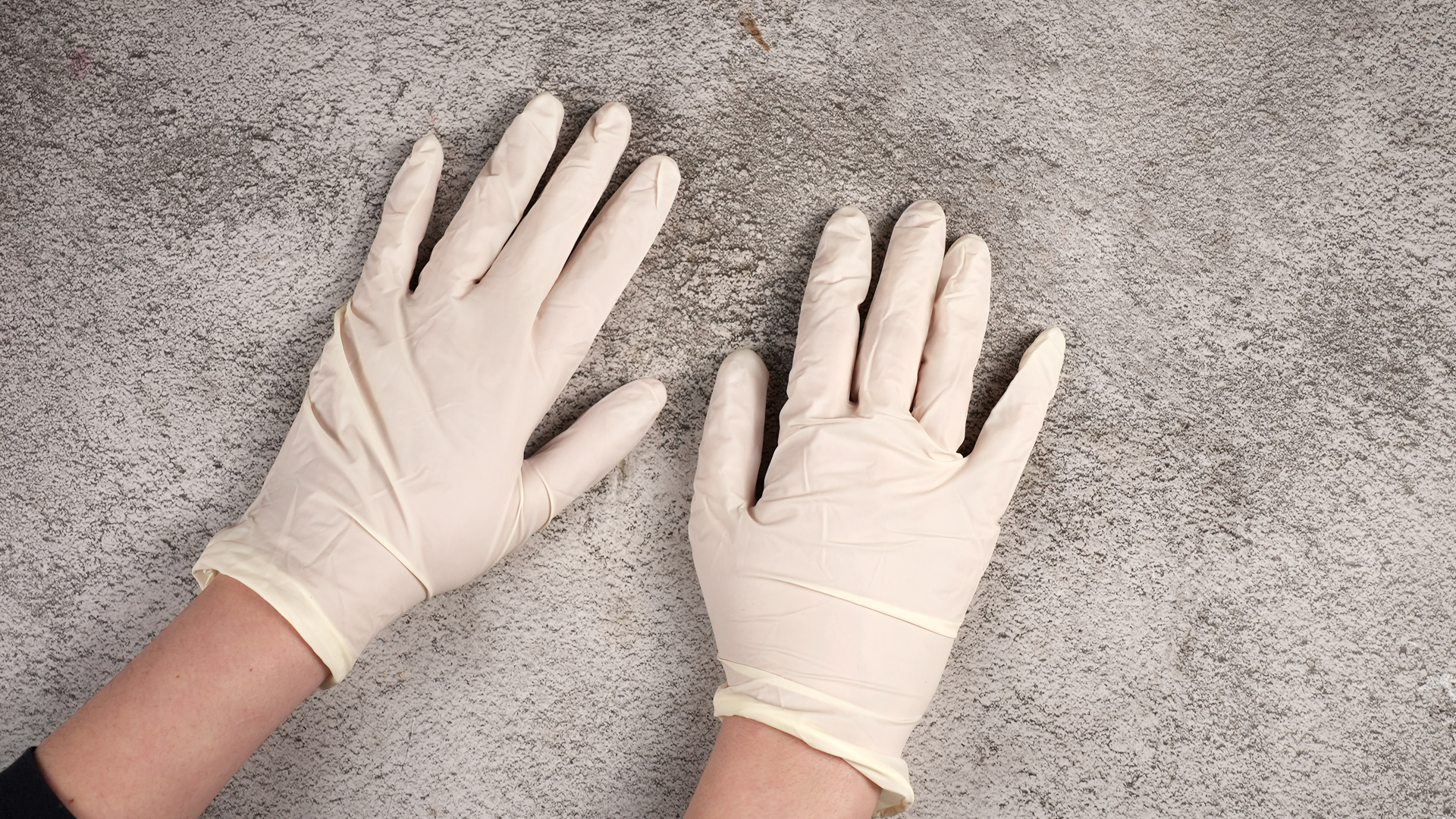
- Do not wash produce with soap, bleach, detergent, or commercial produce wash.
- Wash produce under cool running water.
- Wash produce even if you plan to peel it.
- Dry produce with a clean paper towel or clean cloth if appropriate.
- Refrigerate cut or peeled produce promptly.
So yes, your instinct to clean food is good. The timing just needs a small upgrade.
Why Washing Produce Before Storage Can Be a Bad Idea
1. Moisture Speeds Up Spoilage
The biggest reason experts tell you to wait is moisture. Water left on produce creates a better environment for spoilage organisms like mold. It can also damage delicate surfaces and make tender fruits and vegetables break down faster. Berries are the classic example. Wash them too early, and they often go from gorgeous to questionable with alarming speed.
Leafy greens can have the same problem. If they are put away damp, they may become slimy sooner. Mushrooms are another diva in the produce aisle. They do not love sitting around wet, and once they get soggy, texture takes a nosedive.
2. Wet Produce Can Become a Cross-Contamination Magnet
Another issue is kitchen handling. The more you wash, move, dry, and repackage produce, the more chances you create for contamination from hands, countertops, towels, colanders, or sink surfaces. If you wash produce and then store it in a less-than-clean container, congratulations, you have turned a food safety step into a food safety plot twist.
3. Storage Works Better When Produce Is Dry
Most produce stores best when it is dry and properly ventilated. That is especially true for berries, grapes, mushrooms, herbs, and greens. Refrigerators already contain humidity. Adding more unnecessary moisture is like inviting mildew to a sleepover.
Are There Any Exceptions?
Yes, but they are practical exceptions, not a total reversal of the rule.
If the Produce Is Very Dirty
If something comes home with visible soil all over it, especially garden produce, you may decide to rinse it before storage. That can be reasonable. The key is to dry it thoroughly before putting it away. Think paper towels, a salad spinner, or air-drying on a clean surface. The goal is clean and dry, not clean and damp.
If You Are Meal-Prepping Immediately
If you are washing produce as part of same-day meal prep, that is a different story. For example, if you rinse romaine, spin it dry, and use it for lunch prep right away, you are not really doing “wash now, store for days.” You are doing “wash now, eat soon,” which makes more sense.
If the Package Says Ready-to-Eat
Bagged salad greens, pre-cut vegetables, and some packaged fruits are labeled “pre-washed,” “washed,” or “ready-to-eat.” In that case, you generally do not need to wash them again. Rewashing can actually add moisture and create new opportunities for contamination if your sink, bowl, or hands are not perfectly clean.
How to Wash Produce the Right Way
The washing method matters just as much as the timing.
Use Running Water, Not Soap
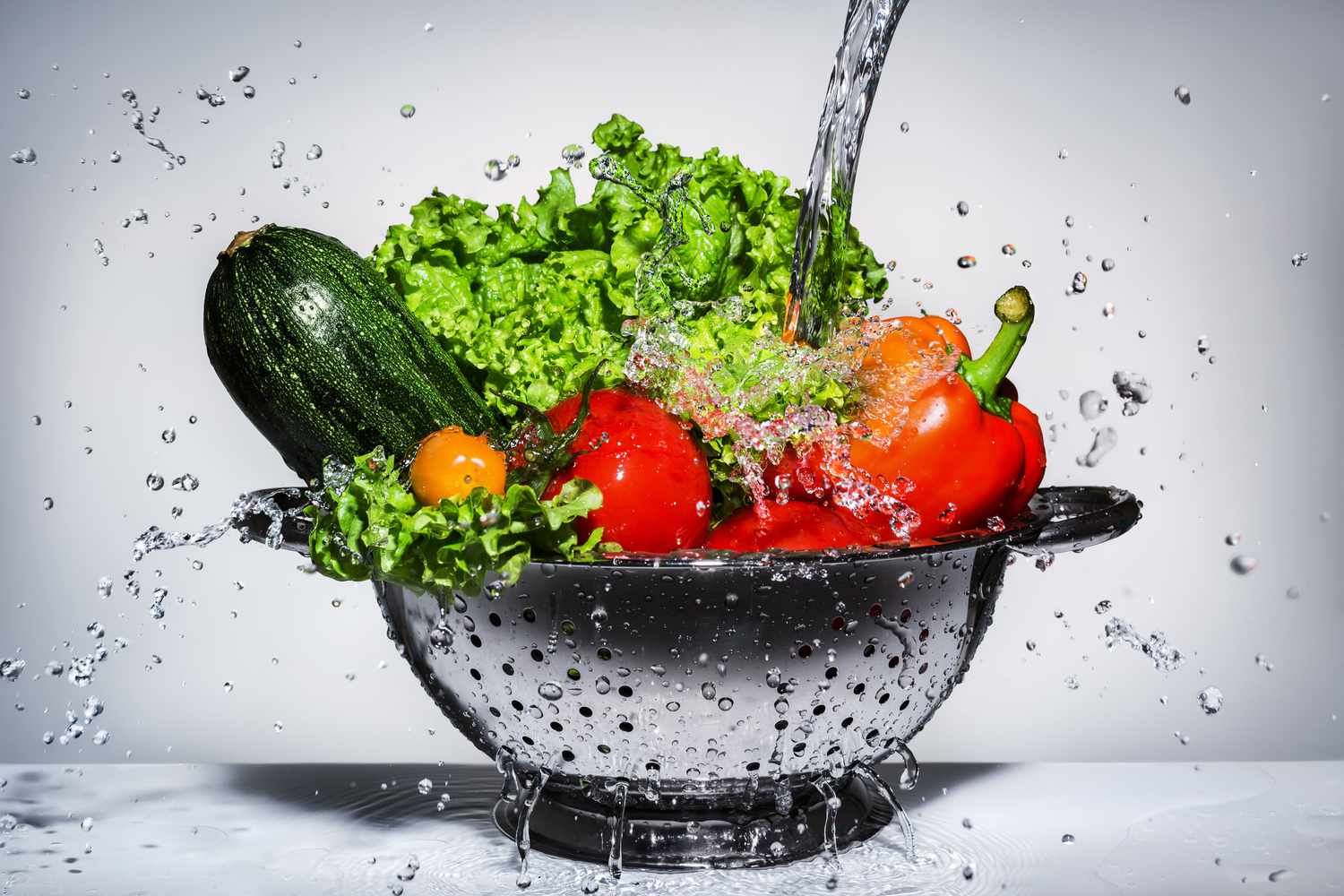
Experts consistently say to rinse fruits and vegetables under running water. You do not need fancy sprays, magic foam, or a produce bubble bath worthy of a spa commercial. Plain running water is the recommendation for most home kitchens.
Soap, bleach, and detergent are not meant for produce. Fruits and vegetables are porous, and cleaning products can leave residues you do not want to eat. “Fresh lemon-scented apple” is not a food category.
Rub or Scrub When Needed
For firm produce like cucumbers, potatoes, carrots, melons, and apples, gently rub the surface under running water. You can also use a clean produce brush for tougher skins and rinds.
This is especially important for produce with an outer surface you do not eat but do cut through, such as:
- Melons
- Avocados
- Citrus fruits
- Winter squash
If the outside is dirty and your knife slices through it, germs and dirt can hitch a ride straight into the edible part. Not exactly the garnish anyone asked for.
Dry It Well
After washing, dry produce with a clean paper towel, a clean cloth towel, or a salad spinner when appropriate. Drying can help remove additional surface contamination and reduce the soggy-storage problem.
A Practical Produce-by-Produce Guide
Berries
Store berries unwashed in the refrigerator. Remove any crushed or moldy berries first so they do not ruin the rest of the container. Wash gently just before eating. If you wash them early, dry them extremely well and know they may still spoil faster.
Mushrooms
Store mushrooms unwashed, ideally in a paper bag or their original packaging if it allows airflow. Rinse quickly right before using, and avoid soaking them. Mushrooms absorb water easily and can become rubbery or slimy in storage.
Leafy Greens
If greens are sold loose, wash them before use, not before storage. Spin them dry well after washing. If greens come in a bag labeled ready-to-eat or triple-washed, you can usually use them as-is. For storage, greens do best dry and chilled, often in a high-humidity crisper drawer.
Apples, Pears, Cucumbers, Carrots, and Peppers
These are good candidates for a quick rinse under running water right before eating or slicing. No drama, no detergent, no special ritual. Just wash, dry, and enjoy.
Melons and Avocados
Always wash the outside before cutting. This step matters more than many people realize because the knife can carry contaminants from the rind or peel to the flesh.
Potatoes and Root Vegetables
If they are heavily soiled, brush off loose dirt before bringing them into the kitchen or before storage. Then wash thoroughly under running water before cooking.
Storage Tips That Actually Help
Washing is only half the story. Proper produce storage makes a big difference too.
Keep Your Refrigerator at the Right Temperature
Your refrigerator should stay at 40°F or below. That helps slow the growth of harmful bacteria and keeps perishable produce safer once it is cut or peeled.
Use the Crisper Drawers Correctly
Most refrigerators have crisper drawers for a reason. In general:
- High humidity works well for leafy greens, herbs, and vegetables that wilt easily.
- Low humidity works better for many fruits that produce ethylene gas, like apples and pears.
Keeping fruits and vegetables in separate drawers can help preserve quality. It is not fancy refrigerator politics. It is just smart produce management.
Store Cut Produce Promptly
Once produce is cut, peeled, or cooked, it becomes more perishable. Refrigerate it within two hours, or within one hour if the environment is very hot. Cut fruit left out all afternoon may look innocent, but bacteria love a room-temperature buffet.
Do Not Trap Moisture Unless the Produce Needs It
Some vegetables like greens benefit from a little humidity. But standing water or heavy condensation is not your friend. Use clean containers, breathable bags when appropriate, and dry paper towels if needed to absorb excess moisture.
Common Mistakes to Avoid
- Washing everything the second you get home: efficient in theory, disappointing in practice.
- Using soap or produce wash: not recommended.
- Skipping the rind: melons, avocados, and oranges still need washing before cutting or peeling.
- Rewashing ready-to-eat greens: usually unnecessary and can introduce contamination.
- Putting wet berries back in the fridge: a shortcut to mold.
- Leaving cut fruit out too long: bad for both quality and food safety.
So, Should You Wash Produce Before or After Storing It?
After storing it, in most cases. That is the answer food safety experts give again and again.
Wash produce right before eating, cooking, peeling, or slicing it. That timing helps reduce dirt and some germs while also protecting freshness. If you do choose to wash produce before storage because it is especially dirty or because you are prepping ahead, make sure it is dried thoroughly before it goes into the refrigerator.
The best produce routine is not the most dramatic one. It is the boringly reliable one: store dry, wash later, cut cleanly, chill promptly, and skip the soap. Berries may still be high-maintenance, but at least now they are high-maintenance with a plan.
Kitchen Experiences and Real-Life Lessons About Washing Produce
Ask enough home cooks about produce storage, and you will hear the same story in different forms. Someone buys beautiful strawberries with good intentions, rinses them all at once, tucks them into the fridge, and then discovers a soft, fuzzy tragedy two days later. Someone else washes a big box of spinach ahead of time, stuffs it into a container still slightly damp, and ends up with slimy leaves that smell like a broken promise. These are ordinary kitchen experiences, and they explain why the “wash later” rule keeps showing up in expert advice.
One of the most common lessons people learn is that clean does not always mean ready for storage. In everyday life, washing feels like the responsible step. We wash dishes before putting them away, wash laundry before folding it, and wash our hands before eating. So it seems logical to wash produce the second it enters the house. But produce is different. It is alive, delicate, and often sensitive to excess moisture. That little bit of water clinging to grapes, greens, or berries can quietly speed up spoilage.
Many people also notice that the produce items most likely to disappoint are the ones with thin skins or tender surfaces. Berries, herbs, mushrooms, and greens tend to punish overhandling. A quick rinse right before use works beautifully. A rinse followed by several days in the refrigerator often does not. That experience alone changes shopping habits. People start bringing produce home, removing only damaged pieces, storing it dry, and washing only what they need for each meal. Suddenly the produce lasts longer, and the refrigerator looks less like a cautionary tale.
There is also the opposite experience: produce that seems clean enough, gets stored without any thought, and then goes straight to the cutting board without a rinse. That is where food safety experts step in with another practical reminder. Even produce with skins or rinds should be washed before cutting or peeling. Melons, avocados, oranges, and cucumbers are classic examples. Home cooks are often surprised by this until they picture a knife dragging whatever is on the outside into the edible center. Once you understand that, washing the outside before prep stops feeling optional.
Meal prep adds another layer. People who like to prep snacks for the week often find a middle ground works best. They may wash and dry a few apples, portion celery, or spin-dry lettuce for the next day or two, but they stop short of soaking everything at once. Experience teaches them that “prepped” and “properly dried” can coexist, while “washed and tossed into a container wet” rarely ends well.
In real kitchens, the most successful routine is usually not the most extreme one. It is the one that respects both food safety and food quality: store produce dry, wash it well before using it, keep cut items cold, and do not turn your refrigerator into a water park. It is not glamorous advice, but it is the kind that saves money, reduces waste, and keeps your salad from becoming an unplanned science fair project.
Final Takeaway
If you want produce that stays fresher longer and is still handled safely, the winning routine is simple: store most produce unwashed, then wash it just before eating or prepping it. Use running water, skip the soap, scrub firm produce when needed, wash rinds before cutting, and refrigerate cut fruits and vegetables quickly. It is a small habit shift, but it can make a very noticeable difference in both food safety and shelf life.