Some internet ideas arrive quietly. Others kick down the door wearing sunglasses, knocking over a glass of water, and looking directly at you like it was your fault. “Someone is replacing musicians with cats in famous album covers” belongs firmly in the second category. It is exactly the kind of concept that sounds ridiculous for half a seconduntil you see it. Then suddenly, a legendary rock star becomes a tabby, a moody post-punk sleeve becomes a feline masterpiece, and the entire history of popular music starts purring.
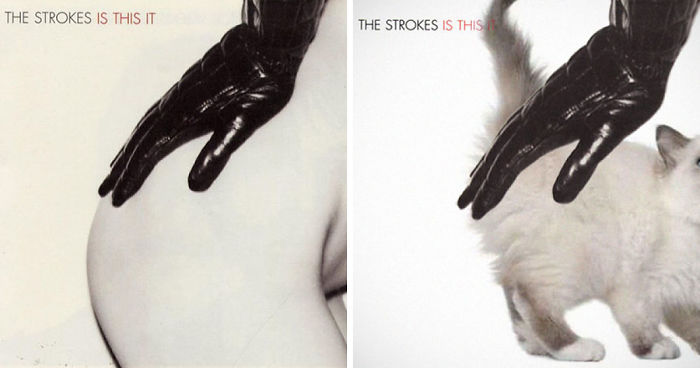
The project most closely associated with this brilliantly silly idea is The Kitten Covers, created by digital artist Alfra Martini, also known online as aymvisuals. The premise is simple and dangerously effective: take iconic album covers and replace the humans, objects, or central figures with cats. The result is not just cute. It is weirdly convincing, visually smart, and often funnier than the original artwork has any right to be.
Album covers have always been more than packaging. They are tiny billboards for a band’s identity, mood, attitude, and era. Add cats, and suddenly those same covers become miniature comedy stages. A punk pose becomes feline rebellion. A glamorous portrait becomes a fluffy diva moment. A serious rock album becomes a reminder that no matter how intense the artist looks, a cat could probably out-stare them without trying.
Why Cat Album Covers Work So Well
The internet loves cats because cats are natural performers who refuse to admit they are performing. They can look regal, confused, judgmental, bored, dramatic, chaotic, or spiritually disappointed within the same ten seconds. That emotional range makes them perfect stand-ins for musicians, especially musicians photographed during their “I am mysterious and definitely not answering your interview question” phase.
Famous album covers are already designed to communicate personality. They use posture, color, typography, composition, clothing, props, and facial expression to create a mood. When a cat replaces the musician, the structure remains recognizable, but the meaning changes. That contrast is where the humor lives. You recognize the classic visual language, but your brain has to process the new star: a kitten with the confidence of a stadium headliner.
The Comedy Comes From Familiarity
Parody works best when the audience already knows the original. The more famous the album cover, the funnier the cat version becomes. A casual viewer may simply see a cute feline image, but a music fan sees the joke instantly: the pose, the layout, the color palette, the title treatment, the dramatic energy. It is nostalgia wearing whiskers.
That is why the best cat album cover edits do not feel random. They feel carefully matched. A lounging cat can capture the cool detachment of classic rock. A wide-eyed kitten can turn an intense new wave cover into visual slapstick. A fluffy Persian can make glam rock look even more excessive, which is honestly impressive because glam rock was already doing a lot.
The Kitten Covers: A World Dominated By Kittens
The Kitten Covers project describes itself as legendary albums from a world dominated by kittens, and that phrase captures the whole appeal. These are not just pet photos pasted onto music history. They are alternate-universe artifacts. In this world, cats formed bands, signed record deals, stared into photographers’ lenses, and released albums that critics called “surprisingly hiss-forward.”
Alfra Martini’s edits became widely shared because they hit a sweet spot between pop culture knowledge and absurd internet joy. They are recognizable enough for music lovers, adorable enough for cat lovers, and strange enough for everyone else to stop scrolling. That combination is basically internet rocket fuel.
From Rock Legends To Feline Icons
Some of the most memorable cat album cover parodies reimagine classic rock, punk, glam, and alternative records. The joke often starts with the renamed titles. A famous band name may become a cat pun. A legendary album title may suddenly sound like it was written by a very small animal demanding dinner at 4:07 a.m. Even before the viewer notices every visual detail, the pun has already walked across the keyboard.
The strongest examples preserve the spirit of the original cover. They do not merely replace a face; they translate the attitude. A rebellious rock pose becomes a cat refusing to move from the laundry basket. A solemn portrait becomes the look your cat gives you after you bought the wrong wet food. A polished pop image becomes a glamour shot for an animal that spends half the day sleeping in a cardboard box.
Why The Result May Actually Be Better Than The Original
Claiming that the cat versions are “better than original” is obviously a playful exaggerationbut it also makes a sneaky kind of sense. Cats add instant emotional texture. They turn famous images into something warmer, funnier, and more shareable. The original album cover may be iconic, but the cat version invites a different kind of attention. It says, “You know this image. Now meet its chaotic roommate.”
Great album art often depends on mystery. Cats are mystery with paws. They are impossible to fully read, which makes them perfect subjects for covers that rely on mood. A musician staring into the distance might suggest heartbreak, rebellion, or genius. A cat staring into the distance suggests all of those things, plus the possible presence of a bird outside the window.
Cats Improve The Drama
Many famous album covers are deeply serious. They want to be studied. They want to sit in a record store bin radiating importance. Put a cat in the same composition, and the drama does not disappearit becomes funnier. The cat does not know it is parodying music history. That innocence is the magic. The animal is simply existing at full artistic power.
There is also something charming about watching high culture and low-stakes internet humor collide. Album-cover design has a long history connected to fine art, photography, graphic design, fashion, and marketing. Cat memes come from the wild, democratic playground of online culture. The Kitten Covers sit right in the middle: clever enough for design fans, silly enough for anyone who has ever lost a chair to a sleeping pet.
The History Behind Why Album Covers Matter
To understand why these cat edits are so satisfying, it helps to remember that album covers have shaped how people experience music for generations. Before streaming thumbnails and algorithmic playlists, record sleeves were large, physical, collectible objects. They created first impressions. They turned sound into a visual world.
Design pioneers helped transform plain record packaging into artwork. Over time, album covers became cultural landmarks. Think of psychedelic rock sleeves, minimalist jazz covers, punk cut-and-paste graphics, glossy pop portraits, and moody alternative photography. These images did more than sell records. They told listeners what kind of universe they were about to enter.
That is why parodying album covers works so well. The visual identity is strong enough to survive transformation. Even when a musician becomes a kitten, the original cover’s bones remain visible. The audience gets two pleasures at once: recognizing the classic and enjoying the remix.
Why The Internet Cannot Resist Cats
Cats have been internet royalty for decades. From early LOLcats to Keyboard Cat, Grumpy Cat, Lil Bub, and endless social media clips, felines have repeatedly proven that they understand the attention economy better than most marketing departments. They are expressive without trying, funny without setup, and unpredictable enough to make every image feel like it might become a meme.
The appeal is not only cuteness. Dogs are cute too, and many animals are adorable online. Cats, however, bring ambiguity. A cat photo can be sweet, sarcastic, elegant, judgmental, absurd, or mildly threatening depending on the caption. That flexibility makes cats perfect for remix culture. They can be inserted into nearly any context and somehow make the image feel both wrong and right.
Cat Humor Is Universal
You do not need to be a music historian to enjoy a cat album cover. You only need to understand that a tiny animal has been placed where a famous human once stood, and somehow the tiny animal is handling the assignment better. The joke travels easily across generations because it combines two familiar pleasures: beloved music imagery and pet-based comedy.
For older fans, these parodies can feel like a nostalgic wink. For younger viewers, they may work as a gateway into classic album art. A teenager may first notice the cat version, then discover the original cover, then maybe even listen to the record. That is the strange beauty of internet remix culture: sometimes a joke becomes a doorway.
Design Lessons From Replacing Musicians With Cats
The funniest part of The Kitten Covers is that the edits reveal how strong the original designs are. If a cover remains recognizable after its central figure becomes a cat, that means the composition has real staying power. Color, typography, framing, and layout do a lot of heavy lifting.
It also shows how much personality can be communicated through body language. Musicians often use pose and expression to sell a persona. Cats do this naturally. A cat sitting slightly off-center can look like a moody indie singer. A kitten lying on its back can look like a rock star after a long tour. A black cat in dramatic lighting can out-goth an entire 1980s band without even owning eyeliner.
The Power Of A Good Visual Joke
A great visual joke should be understandable quickly but rewarding if you look longer. Cat album cover parodies do exactly that. First, you laugh because there is a cat. Then you notice the detailed mimicry: the angle, the pose, the title parody, the background, the overall mood. The more carefully the edit respects the original, the funnier the replacement becomes.
That balance matters. If the parody ignores the original, it becomes just another cute cat picture. If it copies the original too closely without adding surprise, it feels flat. The Kitten Covers succeed because they understand that cats should not just appear in famous album covers. They should take them over.
Specific Examples That Show The Genius Of The Idea
Classic albums from rock, punk, glam, and alternative music make especially good targets because their covers are already full of attitude. A cat can easily become a lead singer, a mysterious poet, a fashion icon, or a rebellious troublemaker. The puns help too. A band name twisted into a feline version instantly sets the tone before the visual joke even lands.
Imagine a legendary streetwise rock cover transformed into a group of cats who look like they just knocked over a trash can behind the venue. Picture a glamorous old-school sleeve where the original star’s cool pose is replaced by a kitten with accidental diva energy. Think of a somber singer-songwriter portrait where the cat appears to be contemplating the emotional weight of an empty food bowl. These examples work because they preserve the emotional logic while making the subject absurd.
The best covers also invite viewers to invent backstories. What does this cat band sound like? Are they experimental? Do they refuse to play encores? Is the drummer just a kitten attacking a cymbal? Are all their songs about sunbeams, betrayal, and the red dot that got away? The edits open a tiny fictional universe, and the audience happily fills in the rest.
Why This Kind Of Remix Feels So Shareable
Online sharing often depends on instant recognition. People send things to friends when the content says, “This is exactly your kind of nonsense.” Cat album covers are perfect for that. Music fans send them to music fans. Cat owners send them to other cat owners. Designers appreciate the parody craft. Meme lovers appreciate the absurdity. Everyone gets to feel personally targeted by the joke.
Another reason the idea spreads is that it is positive. The internet can be exhausting, but cat album covers are harmlessly delightful. They do not require outrage, controversy, or complicated explanation. They offer a small, ridiculous break from the serious parts of the day. Sometimes the best content is simply a cat pretending to be a rock legend.
The Bigger Meaning: Pop Culture Belongs To The Remixers
Projects like The Kitten Covers prove that pop culture does not sit still. Audiences do not only consume famous images; they play with them. They remix, caption, parody, reinterpret, and pass them around. That process keeps old visuals alive in new contexts.
There is affection in these edits. They work because the original album covers are respected enough to be recognized and loved enough to be teased. A parody is often a compliment in costume. By replacing musicians with cats, the project reminds us that iconic art can survive a jokeand sometimes become even more iconic because of it.
Extra Experiences Related To Cat Album Covers
The first time many people see a cat album cover parody, they have the same reaction: a pause, a squint, and then the kind of laugh that makes nearby people ask, “What are you looking at?” That is part of the fun. These images are built for sharing in the most casual way possible. You do not deliver a lecture about art history. You simply turn your screen and say, “Look at this cat pretending to be a musician.” The room understands immediately.
For music lovers, the experience is even better because it feels like a private club joke. Recognizing the original cover gives you a small reward. You catch the reference before reading the caption. You notice the pose, the angle, the typography, or the famous color scheme. Then the cat changes everything. A cover you have seen a hundred times suddenly becomes new again, as if someone dusted off your record collection and sprinkled catnip over it.
Cat owners experience these parodies differently because they know the behavior is not exaggerated. Cats really do act like temperamental artists. They disappear before important events, demand attention at inconvenient times, reject perfectly good offerings, and behave as if every household object was placed there for their creative process. Replace a moody guitarist with a cat, and many pet owners think, “Honestly, same energy.”
There is also a funny connection between cats and fame. Musicians often cultivate mystery, independence, and charisma. Cats arrive with all three already installed. A famous singer may spend years developing a signature stage presence; a cat can walk across a kitchen table and look like it is on the cover of a critically acclaimed debut album. That natural confidence makes the parody believable. The cat does not look like an intruder. It looks like the original artist was merely filling in until the real star arrived.
Design fans may enjoy the edits for another reason: they demonstrate how visual memory works. You may not remember every detail of a classic album cover, but you remember the overall shape. When a parody preserves that structure, your mind completes the rest. This is why the cat versions feel instantly familiar even when they are wildly altered. The brain recognizes the template, then enjoys the surprise.
These images are also excellent conversation starters. At a party, a framed cat version of a famous album cover would probably get more comments than many serious prints. It gives people something easy to talk about: favorite bands, childhood pets, vinyl collecting, internet humor, terrible puns, and whether cats would make better frontmen than humans. The answer, depending on the cat, is yesbut only if the tour bus has heated seats and nobody touches the snacks.
For writers, bloggers, and social media creators, the topic is a reminder that delightful content often comes from combining two strong emotional categories. Music carries nostalgia, identity, and taste. Cats bring humor, warmth, and chaos. Put them together, and you get a piece of content that feels both clever and instantly approachable. It is not trying too hard, which is exactly why it works.
Perhaps the best experience is the urge to imagine more covers. Once you see a few, your brain starts casting cats into every album sleeve you know. A fluffy white cat for a dreamy pop record. A tuxedo cat for a sharp jazz album. A scruffy rescue cat for a punk classic. A sleepy orange cat for an acoustic folk record about snacks and poor decisions. The project becomes participatory even if you never open photo-editing software.
In the end, replacing musicians with cats in famous album covers is more than an internet gag. It is a celebration of recognition, remixing, and the strange emotional power of pets. It reminds us that great design can handle a joke, that nostalgia is more fun when it plays along, and that cats, once again, have found a way to take over culture without asking permission.
Conclusion
Someone replacing musicians with cats in famous album covers sounds like a tiny corner of the internet, but it captures something much bigger: the joy of remixing culture with affection and humor. The Kitten Covers succeed because they respect the visual language of classic album art while making it wonderfully ridiculous. They turn legendary musicians into feline icons, serious poses into comedy, and nostalgic images into shareable little masterpieces.
Whether you are a vinyl collector, a casual music fan, a design nerd, or simply someone who believes every famous image could be improved by whiskers, these cat album covers deliver. They are clever, charming, and strangely convincing. The originals may be legendary, but the cat versions have one unbeatable advantage: they purr.
Note: This article is written as original web content based on publicly available information about The Kitten Covers, album-cover history, internet cat culture, music design, and digital parody trends. No source links are inserted in the article body as requested.