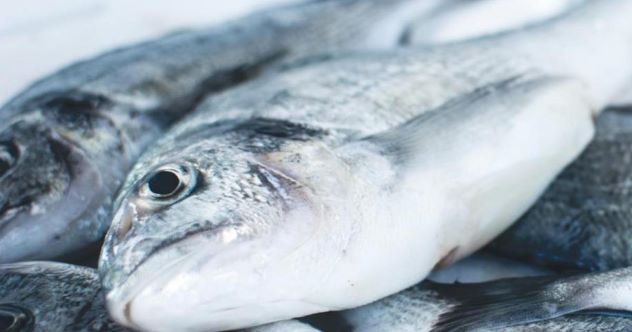
After a fish is filleted, a surprisingly large supporting cast remains backstage: the head, skin, scales, bones, fins, frame, organs, and sometimes the swim bladder. These pieces may not look glamorous sitting beside a pristine salmon fillet, but calling them useless waste is like calling sawdust “failed furniture.” With the right handling and processing, unwanted fish parts can become food ingredients, garden products, pet treats, nutritional supplements, fashion accessories, cosmetics, and even materials used to make beverages look clearer.
This kind of fish waste recycling matters for practical reasons. Fish residues spoil quickly, produce strong odors, attract pests, and can burden wastewater systems when they are handled carelessly. Recovering proteins, oils, minerals, and collagen turns a disposal problem into useful fish byproducts. It also helps seafood processors obtain more value from every harvested animal.
Some transformations are perfectly suited to a home kitchen, such as simmering a clean fish frame for stock. Others require regulated industrial equipment, food-safety controls, purification, or specialized chemistry. In other words, please make broth at home; do not turn the garage into an experimental collagen refinery unless your neighbors have already moved.
Why Fish Parts Are More Valuable Than They Look
Fish heads, skins, bones, and organs contain many of the same valuable components found in the fillet. There is protein in connective tissue, collagen in skin and scales, calcium and phosphorus in bones, and oil in fatty tissues. The challenge is not whether these materials have value. It is separating, stabilizing, and processing them before spoilage begins.
Commercial plants may cook, press, grind, dry, ferment, hydrolyze, filter, refine, or tan fish byproducts. The final products often bear little resemblance to their original ingredients. A glossy handbag does not smell like a dock, and a properly refined capsule should not announce itself as “essence of mackerel” when opened.
1. Flavorful Stocks, Soups, and Sauces
The most direct use for fish heads, bones, collars, and frames is also one of the tastiest: turning them into stock. These parts often retain small pieces of meat, connective tissue, and savory compounds that dissolve into water during gentle cooking.
White-fleshed, non-oily fish such as cod, snapper, halibut, and flounder usually produce mild stock. Salmon and other oily fish create a stronger result that works better in robust chowders or sauces. Removing the gills helps reduce bitterness, while rinsing away blood produces a cleaner flavor.
How fish stock is used
Fish stock can become the foundation for seafood chowder, risotto, gumbo, paella, bouillabaisse, curry, noodle soup, or pan sauce. The trick is to simmer it briefly rather than treating it like an all-day beef broth. Fish bones release flavor quickly, and excessive cooking can create bitterness or a muddy aroma.
Only fresh, food-grade parts from properly handled fish should enter the stockpot. Parts from spoiled fish cannot be rescued by enthusiastic boiling. Heat is useful, but it is not a time machine.
2. Fermented Seasonings Packed With Umami
Fish trimmings can also be transformed through controlled fermentation. Traditional fish sauces, pastes, and related seasonings rely on salt, time, and naturally occurring enzymes to break proteins into smaller flavor-rich compounds.
The resulting liquid or paste delivers intense umami, allowing a small amount to deepen soups, marinades, dressings, stir-fries, braises, and tomato sauces. Cooks sometimes use fish sauce in dishes that do not taste overtly fishy. It behaves more like a backstage technician than a lead singer: essential to the performance but not necessarily demanding a solo.
Commercial production carefully manages salt concentration, temperature, sanitation, maturation, and filtration. Improvised fermentation of fish organs or scraps can create serious food-safety risks, so this is one use best explored through professionally manufactured products or a scientifically tested recipe.
3. Fish Oil and Omega-3 Products
Fatty tissues from fish heads, livers, skin, belly trimmings, and organs may contain recoverable oil. Commercial processors can cook or mechanically treat these materials, separate the liquid fractions, and refine the collected oil.
Depending on its quality and source, refined fish oil may be used in human dietary supplements, fortified foods, aquaculture feed, livestock feed, or pet products. Oils from certain marine fish contain the long-chain omega-3 fatty acids EPA and DHA, although the amount varies by species, season, diet, body part, and processing method.
Why refinement matters
Crude fish oil may contain water, proteins, pigments, oxidation products, or other impurities. Food-grade oil therefore requires controlled extraction, purification, testing, deodorization, stabilization, and proper storage. Consumers choosing fish-oil supplements should look for transparent sourcing and independent quality testing rather than assuming that every shiny capsule contains identical material.
Supplements may also interact with medications or be unsuitable for some people. Anyone managing a health condition, taking anticoagulants, or preparing for surgery should discuss supplement use with a qualified healthcare professional.
4. Collagen and Gelatin for Foods and Personal-Care Products
Fish skin, scales, cartilage, and bones contain collagen, a structural protein that helps hold tissues together. Through controlled extraction and hydrolysis, manufacturers can convert these materials into collagen ingredients or gelatin.
Gelatin is valued for its ability to gel, thicken, stabilize, coat, or form films. It may appear in capsules, gummy products, desserts, confectionery, and specialized food applications. Hydrolyzed fish collagen is sold in powders, beverages, supplements, and cosmetic formulations.
Fish-derived collagen provides an alternative to bovine or porcine sources for consumers with certain dietary, cultural, or religious preferences. That does not automatically make every fish collagen product suitable for everyone. Fish allergies remain relevant, ingredient labels matter, and the evidence behind dramatic beauty or joint-health promises varies considerably.
Still, turning skins and scales into a functional ingredient is an impressive upgrade. Yesterday’s slippery trimming can become tomorrow’s elegantly branded wellness powder, complete with minimalist packaging and a price tag that has clearly attended business school.
5. Calcium and Mineral Ingredients From Fish Bones
Fish bones are rich in mineral material, especially calcium and phosphorus. After removing remaining tissue and applying appropriate cleaning, heating, grinding, and quality controls, processors can turn bones into fine mineral-rich powders.
These ingredients may be used in animal nutrition, agricultural products, research materials, and some fortified foods or supplements. Finely processed fish-bone powder has also been investigated as a way to increase the calcium content of products that would otherwise contain little of the mineral.
This is not an invitation to pulverize leftover dinner bones in a household blender. Commercial mineral ingredients must be produced from traceable raw material and tested for safety, particle size, contaminants, and composition. A crunchy surprise in a homemade smoothie is not “rustic calcium.” It is a dental appointment.
At the industry level, however, mineral recovery gives the skeleton a useful second life and reduces the amount of solid organic material requiring disposal.
6. Pet Food, Chews, and Fish-Skin Treats
Fish trimmings, skin, frames, and meals are widely used in professionally formulated pet foods. They can provide protein, fats, minerals, flavor, and omega-3 fatty acids. Dried fish-skin treats have also become popular because dehydration creates a chewy or crunchy product without requiring a long list of ingredients.
Commercial pet-food manufacturers may grind, cook, render, dry, extrude, or otherwise process seafood materials before combining them with other ingredients. Formulation matters because dogs and cats need balanced diets, not random bowls of leftovers assembled according to the “it looked nutritious” method.
Pet-safety precautions
Cooked fish bones can splinter and should not be casually fed to pets. Raw fish and organs may carry parasites or harmful microorganisms, while fatty scraps can upset the digestive system. Seasoned leftovers may contain excessive salt, onion, garlic, sauces, or other unsuitable ingredients.
Purpose-made treats and complete pet foods offer better consistency and safety. Owners managing allergies, pancreatitis, kidney disease, or other medical conditions should ask a veterinarian before making major dietary changes.
7. Fish Fertilizer for Gardens and Farms
Fish meal, fish emulsion, and fish hydrolysate are established fertilizer materials. Depending on the product, they may supply nitrogen, phosphorus, trace minerals, and organic matter. Gardeners use them around vegetables, flowers, shrubs, and other plants according to label directions and soil needs.
Fish meal is generally a dry, ground product. Fish emulsion is commonly produced from cooked and processed fish material, while hydrolysate is made by breaking down fish tissue through enzymatic or chemical processes. Their nutrient analyses and application rates are not interchangeable.
More fertilizer is not automatically better. Excess nutrients can damage plants or wash into waterways. Soil testing and careful measurement are more useful than the traditional gardening technique known as “pour until spiritually satisfied.”
Can raw fish scraps go in compost?
Fish scraps are organic, but ordinary open backyard piles may not become hot enough to process them safely. Raw fish can also produce odors and attract rodents, raccoons, flies, neighborhood cats, and possibly neighbors carrying strongly worded petitions. Enclosed systems or well-managed commercial composting operations are better equipped to handle seafood residues.
8. Feed for Farmed Fish and Other Animals
Fishmeal is made by cooking, pressing, drying, and grinding fish or fish-processing byproducts. It is valued as a concentrated source of protein and may also provide fats and minerals. Depending on formulation and regulations, it can be used in feeds for farmed fish, poultry, livestock, and companion animals.
This use is less visible than a fish-skin dog treat, but it appears indirectly in everyday food systems. By converting suitable trimmings into feed ingredients, processors recover nutrients that might otherwise be discarded.
Sourcing is important. Fishmeal can come from whole fish caught specifically for reduction or from processing leftovers. Byproduct-based supplies can improve resource efficiency, although quality depends on freshness, species, handling, drying conditions, and storage. Fishmeal is vulnerable to oxidation and spoilage when poorly managed, so antioxidants, moisture control, and cool storage are commonly important.
9. Durable Leather for Shoes, Bags, and Accessories
Once cleaned and tanned, fish skin can become a flexible leather with a distinctive scale pattern. Salmon, cod, tilapia, wolffish, and other species have been used to create wallets, handbags, watch straps, shoes, belts, jewelry, and decorative panels.
The finished material is much stronger than its delicate appearance suggests because fish skin contains interwoven collagen fibers. Its natural texture also gives designers a pattern that would be difficult to reproduce convincingly with an embossed synthetic material.
Using skins left after food processing can add value to an existing seafood supply chain. However, the environmental profile of fish leather still depends on how the fish were sourced and which tanning, coloring, finishing, energy, and wastewater practices were used. “Made from a byproduct” is a good start, not a magic sustainability certificate.
For shoppers, fish leather is one of the easiest upcycled fish products to recognize. It looks exotic, yet its origin may be the same processing line that supplied fillets for dinner.
10. Clear Beer, Restored Art, and Shimmering Cosmetics
The final category contains several of the strangest transformations. Swim bladders from certain fish can be processed into isinglass, a collagen-rich material traditionally used to clarify beer and wine. It helps suspended particles gather and settle, leaving the liquid clearer. Modern beverage makers have alternatives, but isinglass is still relevant to consumers avoiding animal-derived processing aids.
Collagen extracted from swim bladders, skins, or bones can also become fish glue. Specialized fish adhesives have been used in woodworking, musical-instrument construction, book and paper conservation, and the restoration of paintings or historic objects. Conservators value certain fish glues for their working properties and compatibility with traditional materials.
Fish scales have another glamorous trick. Their reflective appearance comes partly from layered guanine crystals. Historically, material derived from scales was used to create “pearl essence,” producing a silvery, iridescent effect in imitation pearls, coatings, and cosmetics. Fish-derived guanine has been used in products such as eye shadow, lotions, and other pearlescent finishes, although synthetic and mineral alternatives are now common.
So the sparkle on a beauty product, the clarity of a drink, or the adhesive protecting an old artwork may have an aquatic backstory. Fish parts, apparently, refuse to be typecast.
Important Safety and Sustainability Precautions
Creative reuse does not mean every fish scrap is safe for every purpose. Keep these principles in mind:
- Use only fresh, food-grade parts for cooking. Spoiled seafood should be discarded according to local waste rules.
- Do not make supplements, cosmetics, or purified oils at home. These products require controlled processing and contaminant testing.
- Keep raw bones away from children and pets. Small or brittle bones can cause choking or injury.
- Follow fertilizer labels and local composting guidance. Raw scraps can attract pests and create runoff or odor problems.
- Check ingredient and allergen information. Fish-derived gelatin, isinglass, collagen, and guanine may matter to people with allergies or dietary restrictions.
- Look beyond the word “upcycled.” Responsible sourcing, processing chemicals, energy use, packaging, and wastewater management also influence environmental impact.
Practical Experiences: What Reusing Fish Parts Is Really Like
The most approachable place to experience fish-part reuse is the kitchen. Buying a whole fish instead of isolated fillets immediately changes how the ingredient is viewed. The fillets remain the centerpiece, but the collar can be roasted, small pieces can be scraped from the frame, and the head and bones can flavor stock. What initially resembles an intimidating pile of anatomy begins to look more like several meals waiting to be organized.
A first batch of fish stock often teaches an important lesson: restraint wins. Adding too many herbs, boiling aggressively, or simmering for hours can produce a murky broth with a flavor strong enough to introduce itself from the hallway. A gentler approach works better. Clean the frame, remove the gills, cover the parts with cold water, add a few mild aromatics, simmer briefly, and strain carefully. The result is light, useful, and far more elegant than the raw ingredients suggested.
Fish fertilizer provides a different kind of practical education. Commercial fish emulsion is convenient and effective when diluted according to its label, but its aroma does not believe in privacy. Applying it shortly before guests arrive may cause people to admire the garden from inside the house. Watering it into the soil and cleaning the container immediately makes the experience much more civilized.
Gardeners who try burying raw scraps may discover why controlled products exist. Animals have excellent noses and surprisingly flexible moral standards regarding property lines. What was intended as a nutrient deposit can become an overnight excavation project. An enclosed collection system, municipal organics program, or professionally manufactured fertilizer is usually a less theatrical choice.
Fish-skin pet treats reveal another practical benefit of byproduct use: the original material becomes easy to understand. A dried strip is recognizable, portable, and appealing to many dogs. The experience is less charming when the treat is swallowed whole, so choosing an appropriate size and supervising chewing remain important. The same principle applies to all pet products“natural” does not eliminate the need for portion control or veterinary advice.
Handling fish leather can be the biggest surprise. People expecting something flimsy often find a material that feels supple yet durable, with a scale pattern that looks almost reptilian. A wallet or watch strap made from salmon skin rarely resembles food waste. It demonstrates how thoroughly design and processing can change perceptions of a material.
Reading labels creates another eye-opening experience. Collagen powders may identify marine sources. Beverages may disclose fish-derived fining practices. Cosmetics can list guanine, although that ingredient may also be synthetic. Pet foods frequently include fish meal, salmon meal, fish oil, or hydrolyzed fish protein. Once shoppers start looking, fish byproducts appear throughout ordinary stores in forms that are cleaner, drier, shinier, and much better marketed than the original scraps.
The broader lesson is not that every leftover must become a home project. Effective reuse often depends on cooperation between seafood processors, manufacturers, farmers, designers, retailers, and consumers. A household can make stock, choose upcycled products, follow local organics rules, and buy seafood thoughtfully. Industry can handle the more technical work of extracting oils, purifying collagen, grinding minerals, tanning skins, and managing wastewater.
That division of labor is sensible. Resourcefulness does not require boiling swim bladders on the kitchen stove. Sometimes the most sustainable personal decision is simply supporting businesses that use more of each fish safely and transparently.
Conclusion
Unwanted fish parts are not automatically waste. Heads and frames can enrich soups. Trimmings can flavor fermented seasonings. Skins, scales, bones, organs, and swim bladders can supply oil, collagen, gelatin, minerals, pet-food ingredients, fertilizer, leather, adhesive, beverage finings, and pearlescent materials.
These uses demonstrate a practical form of circular production: extracting more value from resources that have already been harvested. The greatest benefits occur when reuse is paired with responsible fisheries, food-safety controls, efficient processing, careful nutrient management, and honest labeling.
The next time a fish skin, head, or frame looks like an awkward leftover, remember its résumé. It may be qualified for work in a soup pot, garden, dog-treat bag, cosmetics case, art studio, brewery, or fashion workshop. Few ingredients have such an ambitious backup plan.