In 2019, America learned a strange lesson: sometimes a text message can take the scenic route. Not the “my phone had one bar in a grocery store” kind of scenic route. We mean the “sent on Valentine’s Day, delivered in November, and now everyone is confused at breakfast” kind of scenic route.
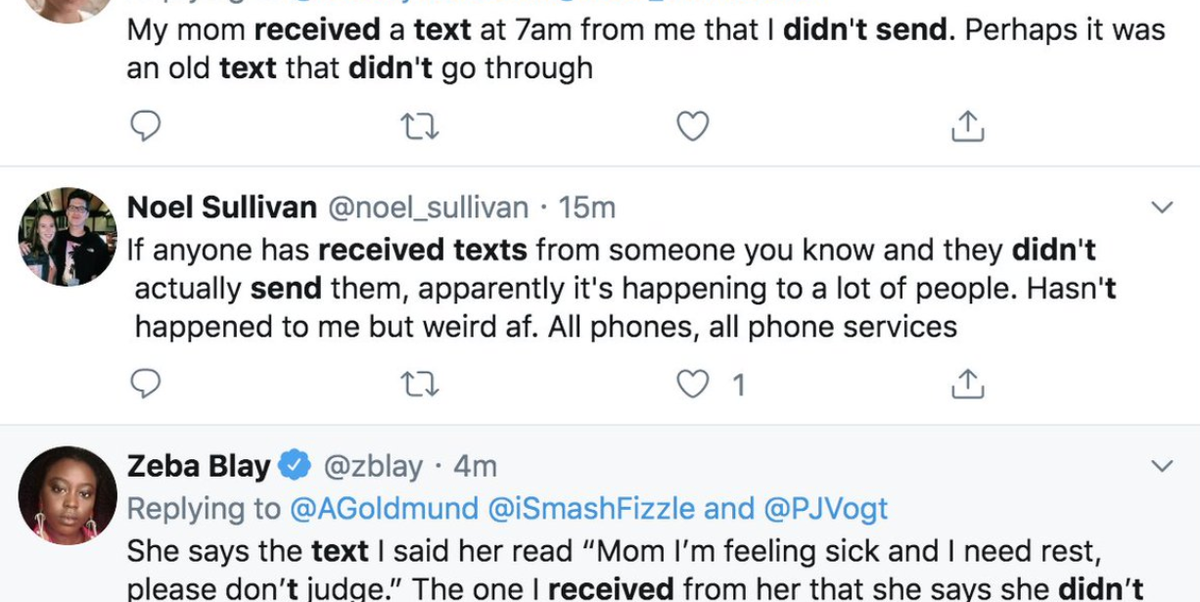
The phrase “Text Messages Delayed 2019” became a search trend because thousands of people woke up on November 7, 2019, to messages that appeared to come out of nowhere. Some texts were sweet. Some were awkward. Some were heartbreaking. A few probably caused people to stare at their phones like they had just received a postcard from a time traveler with unlimited data.
The story was not simply about one glitch. It revealed how SMS, one of the most familiar technologies in modern life, still depends on a complicated chain of carriers, vendors, servers, routing systems, phone settings, and network conditions. When one link in that chain gets stuck, your “be there in 10” can become “remember me from nine months ago?”
What Happened With Delayed Text Messages in 2019?
On November 7, 2019, many people in the United States received old text messages that had originally been sent on February 14, 2019. That date matters because it was Valentine’s Day, a day famous for flowers, chocolate, romantic declarations, and apparently, unexpected SMS chaos.
The delayed messages affected users across multiple carriers and phone types. People reported receiving texts from friends, partners, exes, family members, and in some emotionally painful cases, people who were no longer alive. The delayed texts did not always appear in the sender’s outbox, which made the situation even stranger. Recipients saw fresh notifications, while senders often had no idea their phone number had just “sent” something old.
The Role of Syniverse
The issue was traced to Syniverse, a telecommunications company that helps route messages between carriers. According to public statements reported at the time, a server failed on February 14, 2019, while messages were still in queue. When that server was reactivated on November 7, 2019, the queued messages were released and finally delivered.
In other words, thousands of texts were not lost forever. They were trapped in a digital waiting room for nearly nine months. When the door opened, they all walked out at once, wearing Valentine’s Day outfits in November.
How Many Text Messages Were Delayed?
Reports said that 168,149 delayed text messages were released during the incident. That number is large enough to create nationwide confusion, but small compared with the billions of texts moving through networks every day. This is part of what made the event so unusual: the SMS system is usually invisible when it works. People only notice the plumbing when the sink explodes.
For most users, the issue was resolved quickly after the delayed texts were delivered. But the emotional impact lingered. A late “Happy Valentine’s Day” text can be funny when it comes from your best friend. It can be uncomfortable when it comes from an ex. It can be devastating when it seems to arrive from someone who has passed away.
Why Text Messages Can Be Delayed
The 2019 incident was dramatic, but delayed texts are not always caused by a massive vendor outage. Many everyday delays come from smaller, more ordinary problems. SMS may feel instant, but behind every message is a relay race.
1. Weak Network Signal
If your phone has poor cellular coverage, messages may not send or arrive right away. SMS needs a connection to the mobile network. Even when a phone shows a signal, the connection may be unstable in elevators, basements, rural areas, stadiums, hospitals, parking garages, or buildings with thick walls.
2. Carrier Routing Problems
Texts often travel between different carriers. A message from one network to another may pass through routing partners, message centers, or third-party vendors. If one system slows down, fails, or queues traffic incorrectly, delivery can be delayed.
3. Server Queues
SMS infrastructure often uses queues to hold messages until they can be delivered. Normally, this happens so quickly that users never notice. But if a server fails or a queue gets stuck, messages can sit there like passengers waiting for a delayed flight with no gate announcement.
4. Phone Software Glitches
Sometimes the network is fine, but the phone is not. A messaging app may freeze, a software update may create a bug, or the device may fail to refresh its connection. Restarting the phone can sometimes cause delayed texts to arrive in a batch.
5. iMessage, RCS, MMS, and SMS Confusion
Modern messaging is not just “texting.” iPhones may use iMessage, Android phones may use RCS, group chats may use MMS, and basic carrier-based messages may use SMS. If one service fails or switches formats, delivery may slow down. That is why one person may receive messages normally from iPhone users but experience delays from Android users, or the other way around.
6. Blocked Numbers or Contact Errors
Some delays are not delays at all. A blocked number, incorrect contact, missing country code, or misconfigured messaging app can make messages disappear or arrive inconsistently.
7. Business Text Filtering
Texts from banks, delivery services, medical offices, and two-factor authentication systems may pass through filtering systems designed to reduce spam. These filters are useful, but legitimate messages can sometimes be slowed, blocked, or misrouted.
Why the 2019 Delayed Text Incident Felt So Personal
Most tech glitches are annoying. A frozen laptop? Annoying. A website crash? Annoying. A streaming app buffering during the final scene? Grounds for dramatic sighing. But delayed text messages feel different because texts are personal.
Texting is where people flirt, apologize, make plans, check on relatives, confirm medical appointments, share family news, and send tiny emotional grenades like “we need to talk.” When old texts appear months later, they can reopen conversations that people thought were finished.
The 2019 event was especially memorable because many delayed messages were written on Valentine’s Day. That gave the incident a built-in emotional plot twist. A simple “Love you” could be sweet, confusing, or painful depending on what had changed between February and November.
Was the 2019 Text Delay a Hack?
Many users initially wondered whether their phones had been hacked. That reaction made sense. If someone receives a message from your number and you cannot see it in your sent messages, it feels suspicious.
However, the widely reported explanation for the 2019 incident was not that individual phones had been hacked. The delayed messages were associated with a server issue involving queued messages. The texts had already been sent earlier in the year, but they were not delivered until the server was reactivated.
Still, the incident was a useful reminder: when something strange happens with your phone, do not panic, but do investigate. Check with your carrier, update your device, look for official outage reports, and avoid clicking any suspicious links in unexpected messages.
How to Tell If a Text Is Delayed
A delayed text is not always obvious. Sometimes it looks like a normal message until the content makes no sense. Here are common signs:
- The message refers to an event that already passed.
- The sender says they sent it hours, days, or months ago.
- The timestamp appears current, but the conversation context feels old.
- Multiple missing texts arrive at once after restarting your phone.
- Messages from one person or one type of sender are delayed while others arrive normally.
- Verification codes arrive after they have already expired.
What to Do If Your Text Messages Are Delayed
If your texts are delayed today, you probably are not dealing with another 2019-style Valentine’s Day ghost parade. Most delays are local, fixable, or carrier-specific. Try these steps before declaring your phone haunted.
Restart Your Phone
Yes, it is the classic tech support answer, but it works surprisingly often. Restarting refreshes the phone’s connection to the network and can clear temporary app or system glitches.
Check Your Signal
Move to a place with stronger service. If you are indoors, try going near a window. If you are on Wi-Fi calling, toggle Wi-Fi off and back on. If you are relying on cellular service, turn Airplane Mode on for a few seconds and then off again.
Update Your Messaging App
Outdated apps can behave badly. Update Apple Messages, Google Messages, Samsung Messages, or your carrier messaging app. If you use a third-party SMS app, temporarily switch to the default app to test whether the problem continues.
Check SMS, MMS, RCS, and iMessage Settings
On iPhone, make sure SMS, MMS, iMessage, and Send as SMS settings are configured correctly. On Android, confirm your default SMS app, RCS chat settings, mobile data, and APN settings. If messages fail only in group chats or when photos are involved, MMS or data settings may be the culprit.
Clear App Cache on Android
Android users can often fix messaging delays by clearing the cache for the messaging app. This does not usually delete conversations, but it can remove temporary files that slow the app down.
Reset Network Settings
If delays continue, resetting network settings may help. This can remove saved Wi-Fi networks and Bluetooth pairings, so do it carefully. But it can also repair cellular configuration problems that interfere with SMS delivery.
Contact Your Carrier
If delayed messages affect multiple contacts, verification codes, or important accounts, contact your carrier. Ask whether there is a network outage, routing issue, provisioning problem, or short-code message block on your line.
Delayed Texts and Two-Factor Authentication Codes
One of the most frustrating modern texting problems is the delayed verification code. You request a login code, stare at your phone, request another code, stare harder, question your life choices, and then three expired codes arrive together like they are late to a meeting.
Two-factor authentication codes are time-sensitive. If they arrive late, they may already be useless. If this happens often, consider using an authenticator app when available. Apps like these generate codes locally on your device and do not depend on SMS delivery. For important accounts, this can be more reliable and more secure than text-based codes.
Delayed Text Messages vs. Spam Text Messages
Not every strange text is delayed. Some are scams. If you receive a suspicious message claiming to be from a bank, delivery company, government agency, toll service, or prize department, treat it carefully.
Do not click unknown links. Do not reply with personal information. Do not call a phone number provided in a suspicious message. Instead, contact the company through its official website or app. In the United States, suspicious spam texts can often be forwarded to 7726, which spells SPAM on a phone keypad.
The 2019 delayed text event involved real old messages, but scammers also use confusion to their advantage. A message that feels urgent, emotional, or oddly timed deserves a second look.
What Businesses Can Learn From the 2019 SMS Delay
For businesses, the 2019 incident was a loud reminder that SMS is powerful but not perfect. Companies use text messages for appointment reminders, delivery updates, marketing campaigns, emergency alerts, password resets, and customer support. A delayed message can create more than confusion; it can cause missed appointments, failed logins, customer complaints, and compliance problems.
Use SMS for Speed, Not as the Only Source of Truth
SMS is excellent for quick notifications, but critical information should also be available through email, apps, account dashboards, or phone support. If a medical office changes an appointment, for example, a text is helpful. But patients should also be able to confirm details elsewhere.
Monitor Delivery Performance
Businesses that send large volumes of texts should track delivery rates, delays, opt-outs, error codes, and carrier filtering patterns. A campaign that looks successful in a dashboard may still create customer frustration if messages arrive late.
Respect Consent and Frequency
Consumers are more likely to trust texts they asked to receive. Clear opt-in, clear opt-out, reasonable message frequency, and recognizable sender identity all help keep SMS useful instead of annoying.
Could Another 2019-Style Text Delay Happen Again?
Large-scale technology failures can happen in any system, but the exact 2019 incident was unusual. Carriers, vendors, and messaging providers generally have monitoring systems, redundancy, and operational procedures designed to prevent long message queues from being released months later.
Still, no communication system is flawless. SMS remains a legacy technology layered into a modern mobile world. It works remarkably well most of the time, especially considering how many devices, networks, vendors, and countries are involved. But the 2019 delayed text incident proved that even familiar technology can surprise us.
Experiences Related to “Text Messages Delayed 2019”
The most memorable part of the 2019 delayed text story was not the server failure. Servers fail all the time. Somewhere, right now, a server is probably blinking dramatically in a cold room while an engineer drinks coffee with heroic intensity. What made this incident unforgettable was how personal the messages were.
Imagine waking up to a text from an ex you have not heard from in months. The message says something ordinary, like “Miss you” or “Happy Valentine’s Day.” Your brain instantly opens seventeen emotional tabs. Did they send this now? Are they trying to reconnect? Is this a prank? Did your phone fall into a romantic wormhole?
Then you discover the message was actually sent months earlier. Suddenly, the drama shifts from relationship mystery to telecommunications archaeology. You are not reading a new message. You are reading a fossil.
Other experiences were funnier. Some people received outdated plans, like dinner invitations, party details, or casual check-ins that made absolutely no sense in November. A message saying “I’m outside” is useful when the sender is actually outside. Nine months later, it sounds like the beginning of a low-budget horror movie.
For families, delayed messages could create short bursts of confusion. A parent might receive a cheerful holiday greeting long after the holiday had passed. A friend might get a reply to a conversation they barely remembered. Couples might have had to explain why a romantic text suddenly appeared at 3 a.m. from a date in February. Nothing says “healthy communication” like explaining server queues before breakfast.
But not every experience was funny. Some people received messages connected to relationships that had ended, conflicts that had cooled, or loved ones who had died. That is why the 2019 delayed text incident became more than a tech headline. It showed how deeply communication technology is woven into emotional life.
A delayed message can feel like a small thing until it carries the voice of someone important. Texts may be short, but they hold context. They hold timing. A message delivered at the wrong moment can mean something completely different from what the sender intended.
The practical lesson is simple: if you receive a strange message, pause before reacting. Ask the sender when they sent it. Check whether others are reporting similar problems. Look for carrier outages. Do not assume the worst immediately. Sometimes the explanation is not betrayal, hacking, or mystery. Sometimes it is just a failed server with terrible timing.
The human lesson is even better: technology is fast, but not perfect. We treat texts as instant truth, yet they travel through systems most of us never see. The 2019 incident pulled back the curtain and showed that even a tiny message saying “call me” may pass through a surprisingly complex world before landing on a screen.
Conclusion
The Text Messages Delayed 2019 incident was one of the strangest SMS stories of the decade. A server failure caused more than 168,000 old messages to be delivered months after they were originally sent, turning ordinary phones into accidental time machines. For some people, the delayed texts were funny. For others, they were awkward or painful.
The bigger lesson is that text messaging is convenient, but it is not magic. SMS depends on networks, routing vendors, servers, device settings, and apps all working together. When messages are delayed, the cause may be anything from weak signal to carrier routing, outdated software, blocked contacts, MMS settings, or a larger network issue.
If your texts are delayed, start with the basics: restart your phone, check signal, update your app, review messaging settings, reset network settings if needed, and contact your carrier if the problem continues. And if a mysterious old text appears out of nowhere, take a breath before responding. It might not be a confession, a ghost, or a plot twist. It might just be SMS doing SMS things.
SEO Tags
Note: This article is written for informational publishing purposes and summarizes publicly reported information about the 2019 delayed text message incident, along with general troubleshooting advice for SMS, MMS, RCS, and mobile messaging delays.