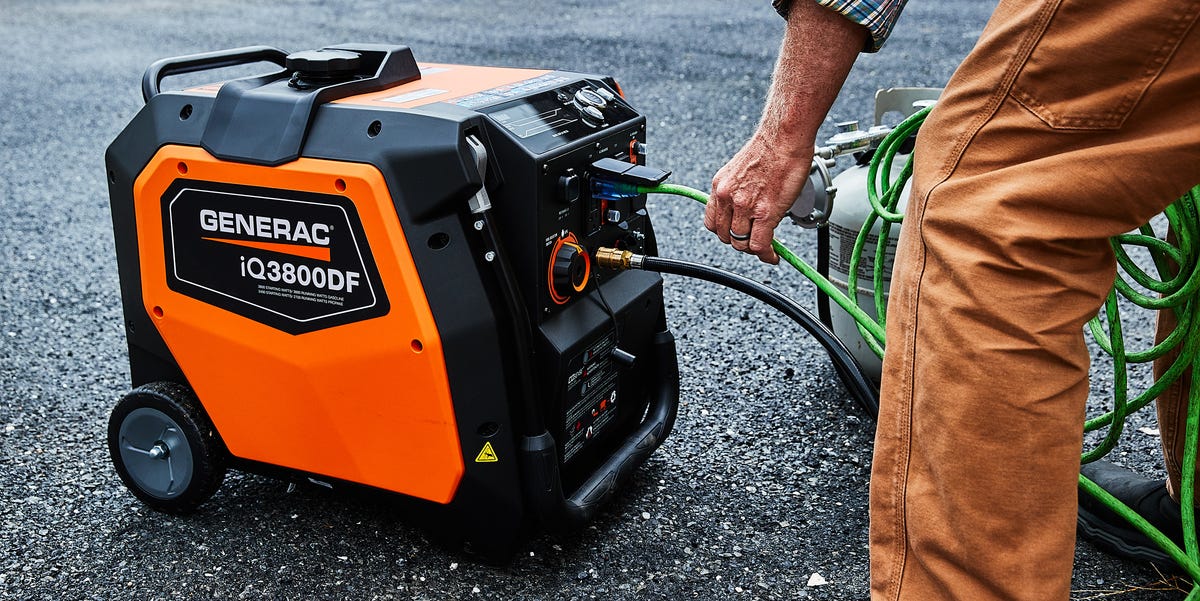
When the power goes out, a generator can feel like a small miracle with a pull cord. The refrigerator hums back to life, the phone charges, the lights return, and everyone suddenly treats you like the mayor of Emergency Town. But here is the catch: a portable generator is not a magic box. It is an engine that creates electricity, heat, exhaust, noise, vibration, and enough responsibility to make a homeowner read the manual for once.
Generator safety matters because the biggest dangers are often invisible. Carbon monoxide has no smell, no color, and no dramatic movie soundtrack. Electrical backfeed can hurt utility workers and damage equipment. Gasoline vapors can ignite. Underrated extension cords can overheat. A rushed setup during a storm can turn a useful backup power plan into a very expensive mistake.
The good news is that safe generator use is not complicated. It is mostly about location, ventilation, load management, dry connections, proper cords, careful fueling, and not improvising like your garage is a science fair. These 11 essential generator safety tips combine expert recommendations commonly emphasized by Popular Mechanics and major U.S. safety organizations, translated into plain American English for real homes, real storms, and real people who simply want the freezer not to become a seafood crime scene.
Why Generator Safety Should Be Part of Every Power Outage Plan
A generator is most dangerous when people are tired, cold, wet, rushed, or dealing with a blackout at night. That is exactly when most people use one. A smart safety plan should be made before the outage, not while holding a flashlight in your teeth and arguing with an extension cord.
Before storm season, know where the generator will sit, which appliances it will power, which cords you will use, where the fuel will be stored, and who in the household is allowed to operate it. If the generator will connect to your home’s electrical system, plan for a professionally installed transfer switch or interlock. Guesswork is not a wiring strategy.
The 11 Most Essential Generator Safety Tips
1. Never Run a Generator Indoors, in a Garage, or in a Shed
This is the number-one generator safety rule, and it deserves zero negotiation. Never operate a portable generator inside a home, basement, garage, crawl space, shed, porch, breezeway, or any partly enclosed area. Opening the garage door does not make it safe. Running a fan does not make it safe. Cracking a window does not make it safe. Carbon monoxide can build up quickly and become deadly before anyone realizes what is happening.
A generator engine burns fuel and produces exhaust just like a car engine. You would not run a car in your living room, unless your decorating style is “insurance investigation.” Treat the generator with the same respect. It belongs outside, in open air, away from people and buildings.
2. Place the Generator at Least 20 Feet from Doors, Windows, and Vents
Outdoor placement is only the first step. The generator should be at least 20 feet away from the house, with the exhaust pointed away from doors, windows, vents, crawl-space openings, neighboring homes, and occupied structures. Wind can push exhaust in surprising directions, so check the setup after the generator has been running for a while.
The 20-foot rule is one of the most repeated generator safety recommendations because carbon monoxide can drift indoors through tiny openings. A generator placed just outside a window may look convenient, but convenience is not the goal. Survival is the goal. Put distance between the exhaust and the people you are trying to protect.
3. Install Carbon Monoxide Alarms on Every Level of the Home
Carbon monoxide alarms are your backup defense, not your permission slip to take risks. Install battery-operated CO alarms or plug-in alarms with battery backup on every level of the home and outside sleeping areas. Test them regularly, replace batteries as needed, and follow the manufacturer’s replacement schedule for the alarm itself.
If a CO alarm sounds, do not investigate the generator first. Move everyone to fresh air immediately, call emergency services, and stay outside until professionals say it is safe. A carbon monoxide alarm is not being dramatic. It is doing the job you bought it to do.
4. Use a Transfer Switch Instead of Backfeeding Through an Outlet
Backfeeding is the dangerous practice of plugging a generator into a wall outlet to power a home. Do not do it. It can send electricity back through utility lines, creating a serious risk for lineworkers, neighbors, and your own electrical system. It can also damage appliances, overload wiring, and turn a blackout into a neighborhood electrical surprise party nobody asked for.
The safe way to connect a generator to home circuits is through a properly installed transfer switch or approved interlock system. A licensed electrician can size and install the equipment correctly. If you do not have a transfer switch, plug appliances directly into the generator using properly rated outdoor extension cords.
5. Choose Heavy-Duty, Outdoor-Rated Extension Cords
Generator cords are not the place to bargain hunt with the mystery orange cord from 1998. Use heavy-duty, outdoor-rated cords that are rated for the wattage or amperage of the devices you plan to power. The cords should have three prongs, intact insulation, and no cuts, cracks, melted spots, or missing grounding pins.
Long cords can reduce voltage, and thin cords can overheat under heavy load. If you are powering a refrigerator, sump pump, heater blower, or other essential appliance, check the appliance wattage and the cord rating. A cord that feels hot is a warning sign. Unplug it, reduce the load, and use a heavier-gauge cord if needed.
6. Keep the Generator Dry Without Blocking Ventilation
Water and electricity have a famously poor working relationship. Operate the generator on a dry, stable surface and keep electrical connections out of puddles, snow, and standing water. Do not touch the generator or cords with wet hands. If conditions are stormy, use a manufacturer-approved generator tent, canopy, or ventilated cover designed for running equipment.
Never cover a generator with a tarp while it is running. A tarp can trap heat, block exhaust, and create a fire or carbon monoxide hazard. The goal is weather protection plus airflow. Think “rain jacket,” not “plastic oven.”
7. Turn the Generator Off and Let It Cool Before Refueling
Gasoline and hot engine parts are a terrible combination. Before refueling, turn off the generator and let it cool. Fuel spilled on a hot muffler or engine can ignite, and gasoline vapors are highly flammable. Use a proper fuel container, pour slowly, and avoid overfilling the tank.
Store gasoline outside living areas in approved, clearly labeled containers, away from ignition sources such as water heaters, furnaces, grills, and electrical equipment. If you use propane, follow the cylinder storage and connection instructions carefully. Fuel safety is not glamorous, but neither is explaining a preventable fire to the fire department.
8. Do Not Overload the Generator
Every generator has a rated running wattage and a higher starting or surge wattage. Appliances such as refrigerators, freezers, pumps, and air conditioners often need extra power for a few seconds at startup. If too many devices start at once, the generator can overload, stall, trip breakers, damage appliances, or create unsafe heat in cords and connections.
Make a simple wattage list before an outage. Start with essentials: refrigerator, freezer, medical equipment, a few lights, phone chargers, and maybe a furnace blower if your setup allows it. Then add devices gradually after the generator is running. Your generator does not need to power the entire house, the home theater, and a waffle maker during a storm. Priorities, people.
9. Start the Generator Before Plugging in Appliances
Start the generator with nothing plugged in or with loads switched off. Let it stabilize, then connect appliances one at a time. This helps prevent power surges and reduces strain on the generator. When shutting down, disconnect or switch off loads first, let the generator run briefly with no load if the manual recommends it, and then turn it off.
This habit also makes troubleshooting easier. If the generator trips as soon as one appliance is connected, you know where to look. If everything is plugged in at once and the generator complains, you have created an electrical mystery novel with too many suspects.
10. Understand Grounding and Bonding Before You Guess
Generator grounding can be confusing because the correct answer depends on the generator design and how it is being used. Some portable generators are bonded neutral units. Others are floating neutral units. Some setups require a grounding electrode; others do not. When a generator connects to a home through a transfer switch, grounding and bonding must match electrical code and the equipment design.
Do not rely on internet folklore or a neighbor who once wired a stereo in college. Read the generator manual and consult a licensed electrician, especially for home backup connections. Proper grounding and bonding help reduce shock risk and keep protective devices working as intended.
11. Maintain the Generator Before You Need It
A generator that has not been maintained is basically a heavy box of optimism. Follow the owner’s manual for oil changes, air filter service, spark plug checks, battery charging, fuel stabilizer, and storage. Run the generator periodically if recommended, and keep it in a dry, protected place when not in use.
Inspect cords, plugs, wheels, handles, fuel lines, caps, and outlets before every use. Keep fresh fuel on hand, but do not store more than you can safely manage. If your generator has carbon monoxide shutoff technology, test and maintain it according to the manufacturer’s instructions. Safety features are helpful, but they do not replace safe placement and proper operation.
Extra Safety Tips Worth Remembering
Buy a Generator with CO Shutoff Technology
Many newer portable generators include carbon monoxide detection and automatic shutoff systems. These features can stop the engine if dangerous CO levels are detected near the unit. They are especially valuable because they add a layer of protection against common placement mistakes. However, they are not an excuse to operate a generator indoors or too close to the house.
Keep Children and Pets Away
Generators get hot, make noise, vibrate, and have moving parts. Keep kids and pets away from the operating area. Set boundaries before the generator starts, and do not allow anyone to play near fuel containers, cords, or exhaust.
Respect Noise and Neighbors
Generator noise can travel, especially at night. Place the generator safely first, then think about noise reduction. Do not move it closer to the house or into a garage just to make it quieter. If noise is a serious concern, consider an inverter generator, a properly ventilated running cover, or a permanent standby generator installed to code.
Common Generator Mistakes That Create Real Danger
The most common generator mistakes usually come from trying to solve one problem while accidentally creating another. People move the generator into a garage to keep it dry, but create a carbon monoxide hazard. They run cords through a window, but leave an opening where exhaust can enter. They use a lightweight cord, but overload it with a refrigerator and space heater. They refuel quickly while the unit is hot, but risk igniting spilled gasoline.
Another major mistake is buying a generator during an emergency and using it without reading the manual. Different generators have different starting procedures, grounding instructions, fuel requirements, oil needs, outlet types, and load limits. The manual is not thrilling literature, but it is cheaper than an electrician, doctor, or fire restoration company.
How to Build a Safer Generator Setup Before the Next Storm
A safe generator setup starts with a written plan. Choose a location at least 20 feet from the house where exhaust can point away from openings. Identify a dry, level surface. Buy properly rated outdoor extension cords and label them for the appliances they will power. Install and test CO alarms. Store fuel safely. Keep a flashlight, work gloves, funnel, oil, and the manual in the same area as the generator.
For home backup power, talk to a licensed electrician about a transfer switch or interlock. Decide which circuits are essential. Many households do not need to power everything. A refrigerator, freezer, internet router, phone chargers, a few lights, and heating equipment may be enough to stay safe and comfortable.
Finally, practice the setup on a calm day. A sunny Saturday is a much better time to learn than during a thunderstorm while your phone battery is at 4 percent and everyone is asking whether the Wi-Fi is back.
Real-World Experiences: What Generator Safety Looks Like in Everyday Life
The most valuable generator lessons often come from ordinary power outages. Imagine a family preparing for a summer storm. They bought a portable generator years ago, but it has mostly lived under a cover in the corner of the garage. When the lights go out, the first instinct is to roll it just outside the garage door, start it, and run a cord to the refrigerator. It feels logical. It is close, dry, and easy to reach. But that “easy” location is exactly the kind of setup safety experts warn against. Exhaust can drift back into the garage and then into the house. A safer choice is farther away, outdoors, with the exhaust pointed away from every opening.
Another common experience happens during winter outages. A homeowner wants to keep the furnace blower, refrigerator, and a few lights running. They plug in several devices at once, the generator bogs down, and the breaker trips. The lesson is simple: generators prefer a gradual load. Start the generator first, let it run smoothly, then connect one device at a time. Essential appliances should be prioritized, while luxury loads can wait. During an outage, a coffee maker may feel essential, but the refrigerator probably has a stronger legal argument.
Fuel planning is another real-life teacher. Many people fill the generator tank, run it for hours, then rush to refill it before bed. That is when mistakes happen. The engine is hot, the person is tired, and gasoline gets spilled. A better routine is to plan refueling intervals, shut the generator down, let it cool, use a flashlight instead of an open flame, and pour carefully from an approved container. It takes longer, but safe fueling is faster than dealing with a fire.
There is also the “extension cord lesson.” During a blackout, people grab whatever cord is available. A thin indoor cord may work for a lamp, but it is not appropriate for heavy appliances or outdoor conditions. After one storm, many homeowners discover that a warm cord, flickering appliance, or tripped breaker is not bad luck; it is a load and cord-rating problem. Buying the right cords before an emergency is one of the simplest upgrades a household can make.
The best generator experience is the boring one. The generator sits outside at a safe distance. CO alarms are working. Cords are rated and undamaged. Loads are limited. Fuel is stored correctly. The transfer switch, if used, was installed by a professional. Nobody improvises, nobody panics, and the generator simply does its job. In emergency preparedness, boring is beautiful. Boring means the freezer stays cold, the phones stay charged, the family stays safe, and the generator does not become the main character in a cautionary tale.
Conclusion
A generator is one of the most useful tools you can own for power outages, storms, camping, job sites, and emergency backup. But it must be treated like serious equipment, not a casual household gadget. The essential generator safety tips are clear: keep it outdoors, place it far from openings, install carbon monoxide alarms, avoid backfeeding, use the right cords, keep it dry, refuel only when cool, manage the load, start it correctly, understand grounding, and maintain it before trouble arrives.
Popular Mechanics and other safety experts often return to the same core message: portable power is helpful only when it is used correctly. A generator should bring comfort, not carbon monoxide, fire, shock, or electrical hazards. Prepare now, practice your setup, and make safety the first thing you power up.